Are you considering renting a property or leasing out your own property to a tenant? Understanding the details of a residential lease agreement is crucial to ensure a smooth and fair rental experience for both parties involved.
A residential lease agreement is a legally binding contract that outlines the terms and conditions under which a tenant can occupy the landlord’s property. This document serves as a guide for both the tenant and the landlord, ensuring that rights and responsibilities are clearly defined from the start.
What is a Residential Lease Agreement?
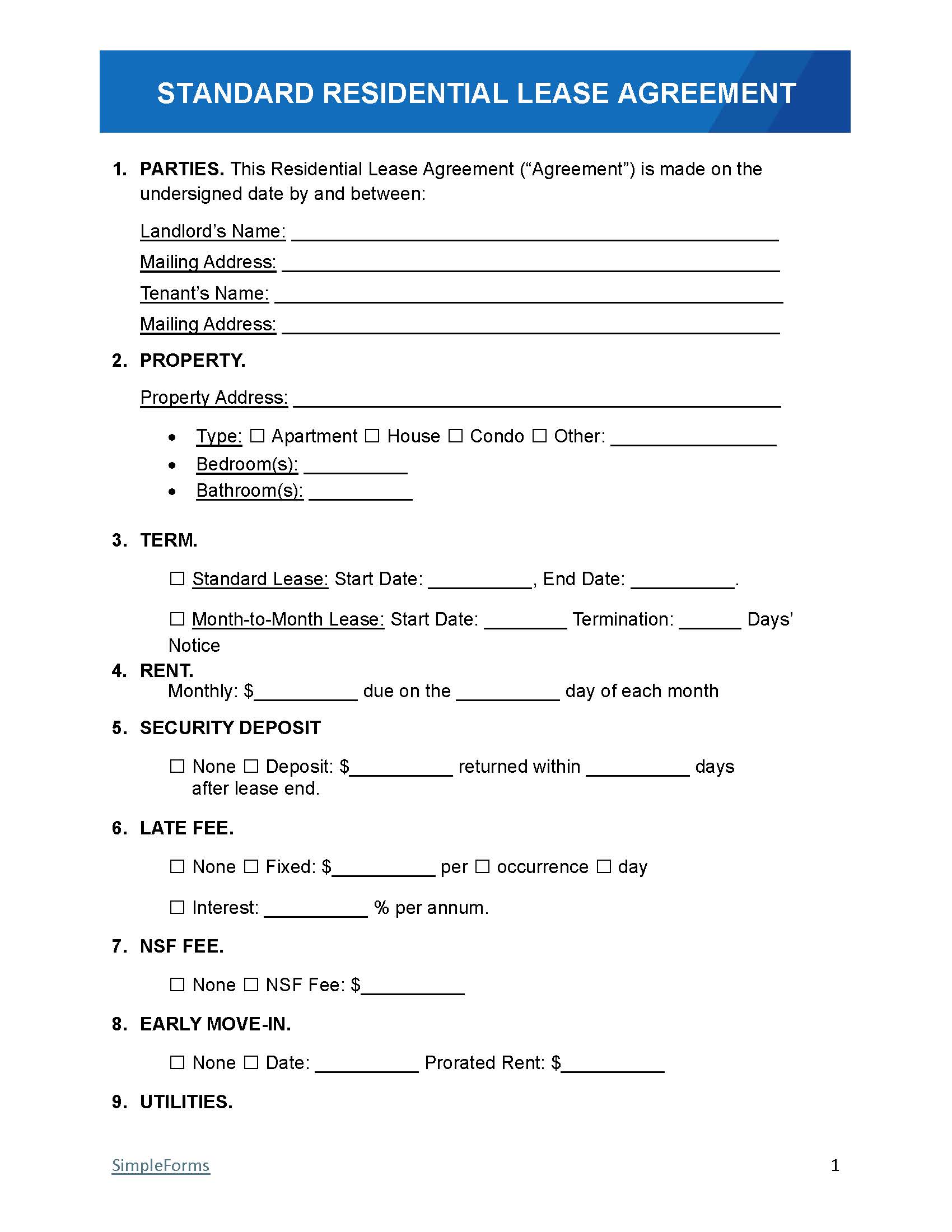
A residential lease agreement is a written contract between a landlord and a tenant that specifies the terms and conditions of renting a property. This document typically includes details such as the duration of the lease, the monthly rent amount, the security deposit required, and any rules or regulations that the tenant must follow during their tenancy.
Advantages of a Residential Lease Agreement
Having a comprehensive residential lease agreement in place offers several benefits for both landlords and tenants. For landlords, a lease agreement provides legal protection and helps ensure that the property is being used in accordance with the agreed-upon terms. It also helps establish a clear understanding of the expectations for both parties, reducing the likelihood of disputes or misunderstandings.
Legal Protection
One of the primary advantages of a residential lease agreement is the legal protection it provides for both landlords and tenants. By clearly outlining the terms and conditions of the rental arrangement, the agreement serves as a legally binding document that can be enforced in court if necessary. This legal protection helps prevent disputes and ensures that both parties adhere to the agreed-upon terms.
Clarity and Understanding
A well-written lease agreement helps establish clarity and understanding between landlords and tenants. By clearly outlining the rights and responsibilities of each party, the agreement reduces the likelihood of misunderstandings or conflicts during the tenancy. Tenants know what is expected of them in terms of rent payments, property maintenance, and behavior, while landlords have a clear framework for managing their rental property.
Setting Expectations
A lease agreement sets clear expectations for both landlords and tenants regarding the rental arrangement. By specifying details such as rent amount, security deposit, maintenance responsibilities, and rules for the property, the agreement ensures that both parties are aware of what is required of them. This helps prevent disagreements and promotes a positive landlord-tenant relationship based on mutual understanding.
Preventing Disputes
By addressing potential issues upfront in the lease agreement, landlords and tenants can proactively prevent disputes from arising during the tenancy. Clauses regarding rent payment deadlines, property maintenance responsibilities, and rules for the property help establish guidelines that both parties must follow. This proactive approach reduces the likelihood of conflicts and promotes a harmonious rental experience for all involved.
Security and Stability
For tenants, a residential lease agreement provides security and stability during the rental period. By outlining the terms of the lease, including the duration of the tenancy, rent amount, and security deposit requirements, the agreement gives tenants a clear understanding of their rights and responsibilities. This security helps tenants feel confident in their rental arrangement and reduces the risk of unexpected changes or disputes.
Legal Recourse
In the event of a dispute between a landlord and tenant, a well-documented lease agreement provides a legal recourse for resolving conflicts. If either party violates the terms of the agreement, the other party can seek legal action to enforce the terms of the lease. Having a legally binding document in place gives both parties peace of mind knowing that there are established procedures for addressing disagreements fairly and impartially.
Flexibility
A residential lease agreement can also provide flexibility for both landlords and tenants. By including provisions for subletting, assignment, or early termination in the agreement, both parties have the option to make changes to the rental arrangement if necessary. This flexibility allows for adjustments to be made to the lease agreement to accommodate changing circumstances or unforeseen events that may arise during the tenancy.
Professionalism
Having a formal residential lease agreement in place adds a level of professionalism to the landlord-tenant relationship. By clearly outlining the terms and conditions of the rental arrangement in a written document, both parties demonstrate their commitment to fulfilling their obligations under the agreement. This professionalism helps establish trust and confidence between landlords and tenants, fostering a positive rental experience for all involved.
What Should a Residential Lease Agreement Contain?
A well-drafted residential lease agreement should contain detailed information about the rights and responsibilities of both the landlord and the tenant. In addition to the key elements mentioned earlier, the agreement should also include provisions for entry and inspection, subletting and assignment, termination, dispute resolution, and any other relevant clauses that pertain to the specific rental property.
Names of Parties
The lease agreement should clearly state the full legal names of both the landlord and the tenant. This information helps identify the parties involved in the rental arrangement and ensures that each party understands their roles and responsibilities under the agreement. Including the names of the parties is essential for establishing a legally binding contract.
Property Description
A detailed description of the rental property should be included in the lease agreement. This description should include the address of the property, as well as any specific details or features that distinguish the property from others. Providing a comprehensive property description helps avoid confusion and ensures that both parties are aware of the specific rental unit that is being leased.
Term of Lease
The lease agreement should clearly outline the start and end dates of the lease. This information establishes the duration of the tenancy and specifies the length of time that the tenant is permitted to occupy the rental property. Whether it is a
fixed-term lease or month-to-month agreement
The lease agreement should specify whether it is a fixed-term lease or a month-to-month agreement. A fixed-term lease has a set duration, typically for a year or more, while a month-to-month agreement renews automatically each month until either party decides to terminate the tenancy. Clarifying the type of lease helps both parties understand the commitment involved and the procedures for renewal or termination.
Rent Payment Details
Details regarding rent payments should be clearly outlined in the lease agreement. This includes the monthly rent amount, the due date for payments, acceptable forms of payment, and any late fees or penalties for missed payments. Establishing clear rent payment terms helps prevent misunderstandings and ensures that both parties are aware of their financial obligations under the agreement.
Security Deposit
The lease agreement should specify the amount of the security deposit required by the landlord. It should also outline the conditions under which the security deposit will be held, such as for covering damages beyond normal wear and tear or unpaid rent. Including details about the security deposit helps protect the landlord’s interests and provides assurance to the tenant regarding the return of their deposit at the end of the lease.
Utilities and Maintenance
The lease agreement should address which utilities are included in the rent and which utilities are the tenant’s responsibility. It should also clarify who is responsible for maintenance and repairs of the rental property, including regular upkeep and emergency repairs. Clearly defining utilities and maintenance responsibilities helps avoid disputes and ensures that both parties understand their obligations in maintaining the property.
Rules and Regulations
Any specific rules or regulations for the property should be clearly outlined in the lease agreement. This may include restrictions on noise levels, pet policies, smoking regulations, or any other guidelines that the tenant must follow during their tenancy. Including these rules and regulations in the agreement helps set expectations for tenant behavior and helps maintain a harmonious living environment for all residents.
Entry and Inspection
The lease agreement should specify under what circumstances and with what notice the landlord can enter the rental property for inspections or repairs. State laws typically dictate the requirements for landlord entry, including advance notice and acceptable reasons for entry. Including provisions for entry and inspection in the lease agreement helps protect the tenant’s privacy and ensures that the landlord acts in accordance with legal guidelines.
Subletting and Assignment
The lease agreement should address whether the tenant is allowed to sublet the property to another individual or assign the lease to a new tenant. Subletting occurs when the original tenant rents out the property to someone else, while assignment involves transferring the lease to another party entirely. Including provisions for subletting and assignment helps protect the landlord’s interests and clarifies the tenant’s rights to transfer the lease under certain conditions.
Termination
The lease agreement should outline the conditions under which the lease can be terminated by either party. This includes specifying the notice period required for termination, any penalties for early termination, and the procedures for move-out and returning keys. Including clear termination provisions in the agreement helps both parties understand their options for ending the tenancy and ensures that the process is handled fairly and efficiently.
Dispute Resolution
It is advisable to include a provision for resolving disputes between the landlord and tenant in the lease agreement. This may involve specifying a process for mediation, arbitration, or other methods of conflict resolution to address disagreements that may arise during the tenancy. Including a dispute resolution clause helps both parties navigate conflicts in a structured and mutually agreeable manner, reducing the likelihood of legal action or protracted disputes.
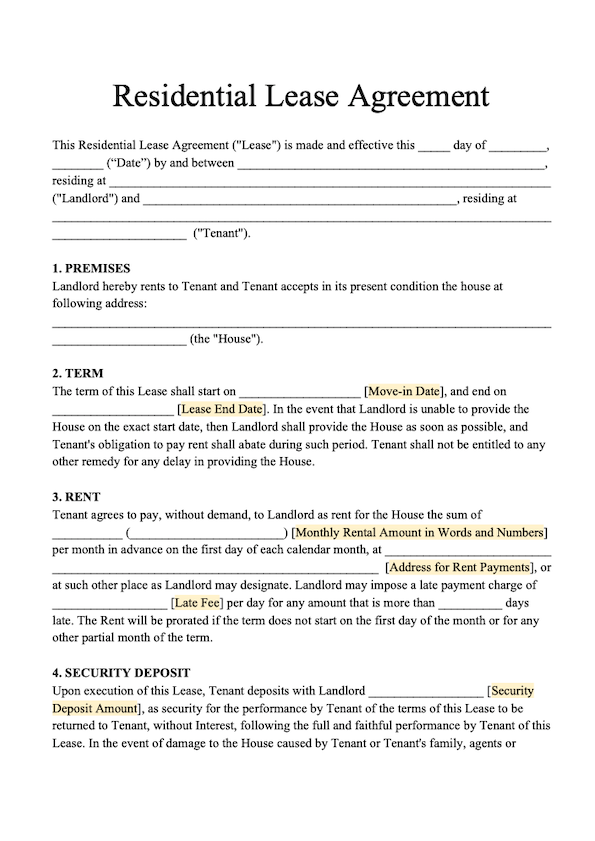
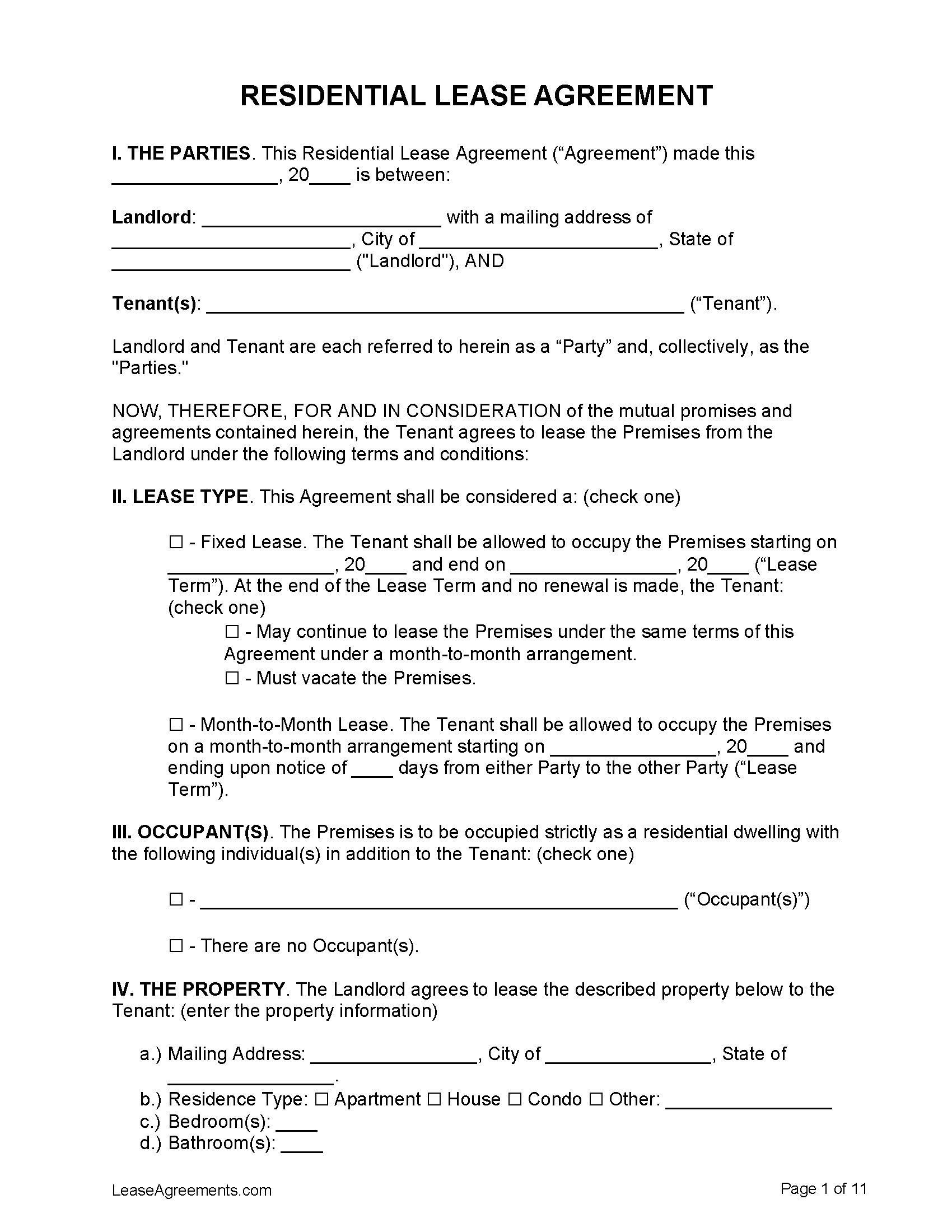
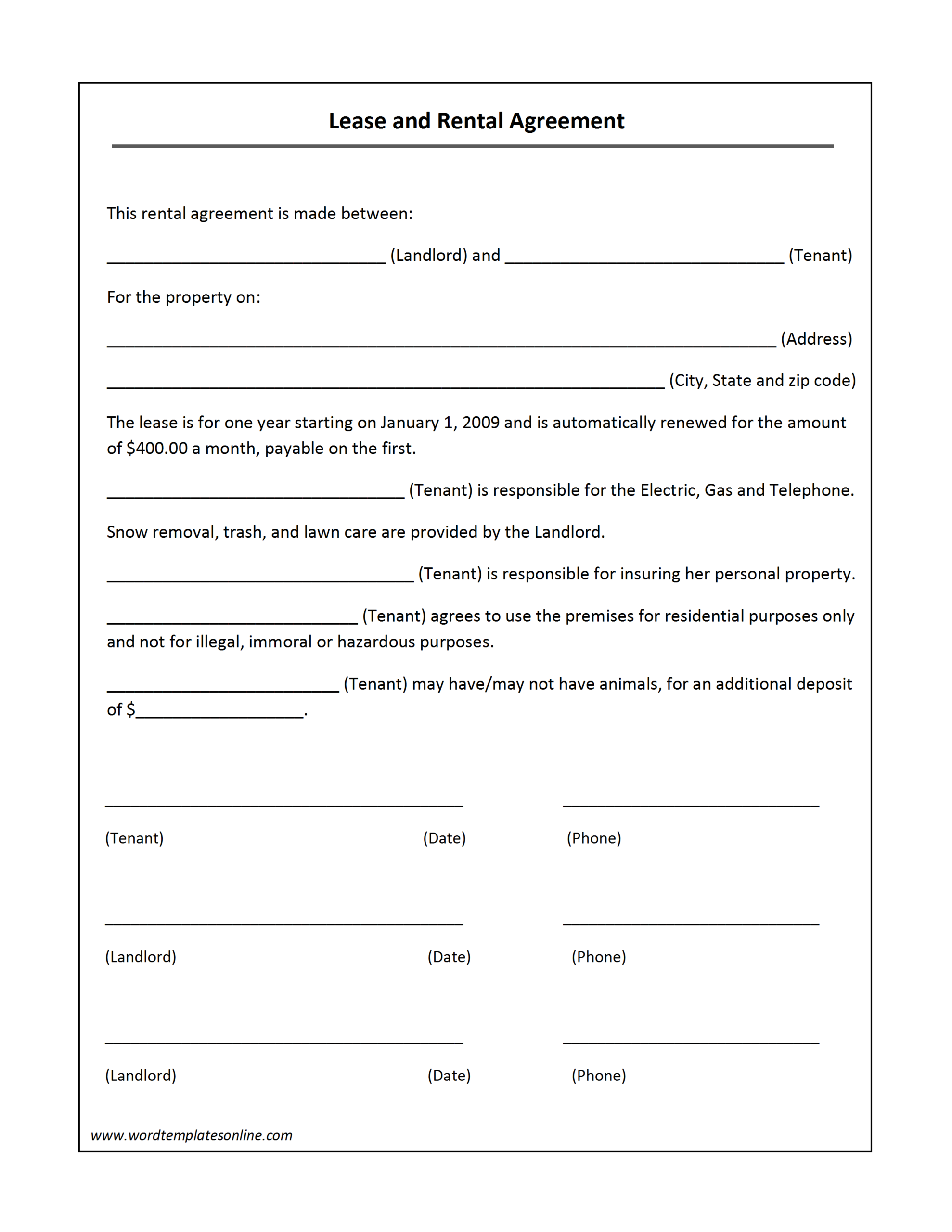
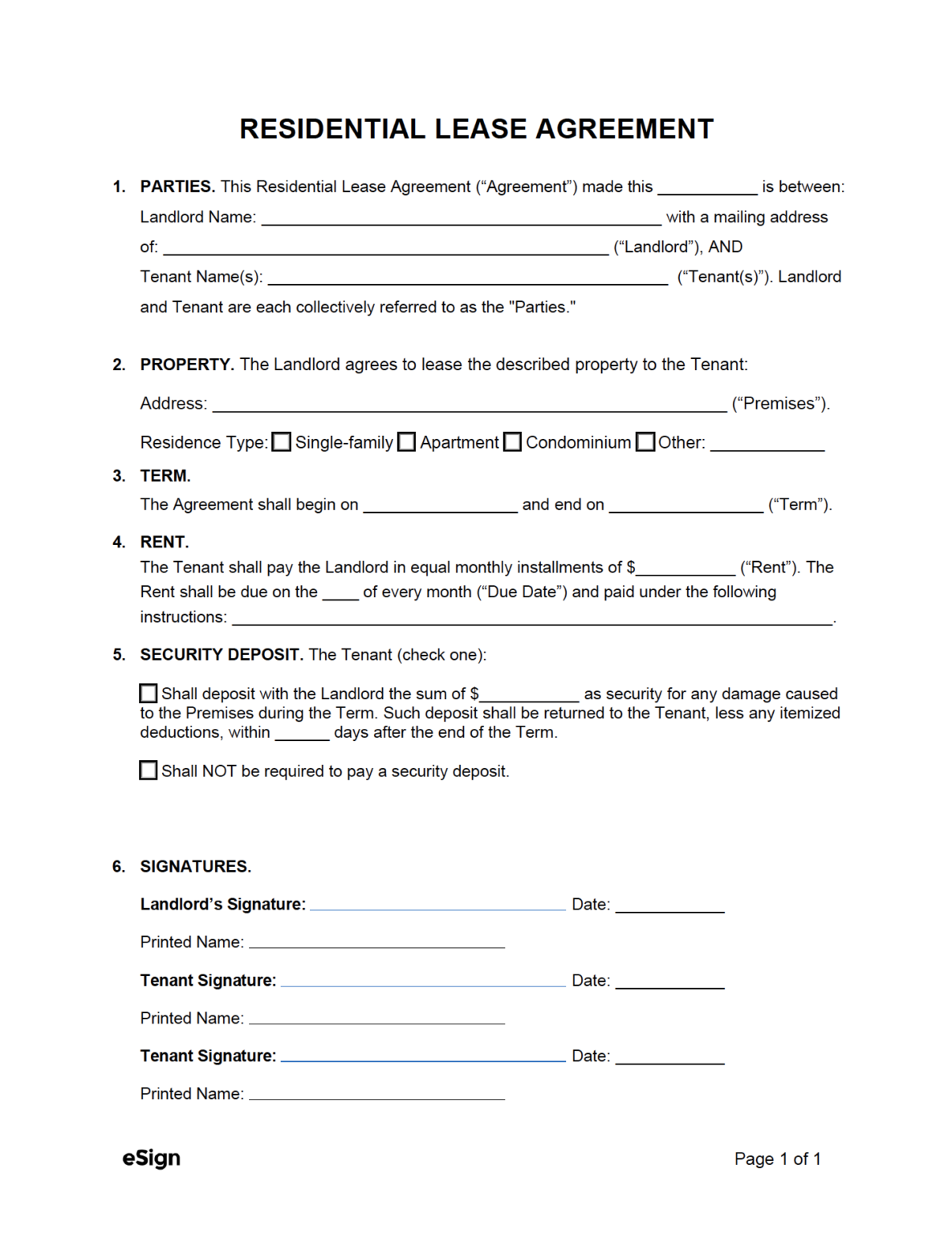
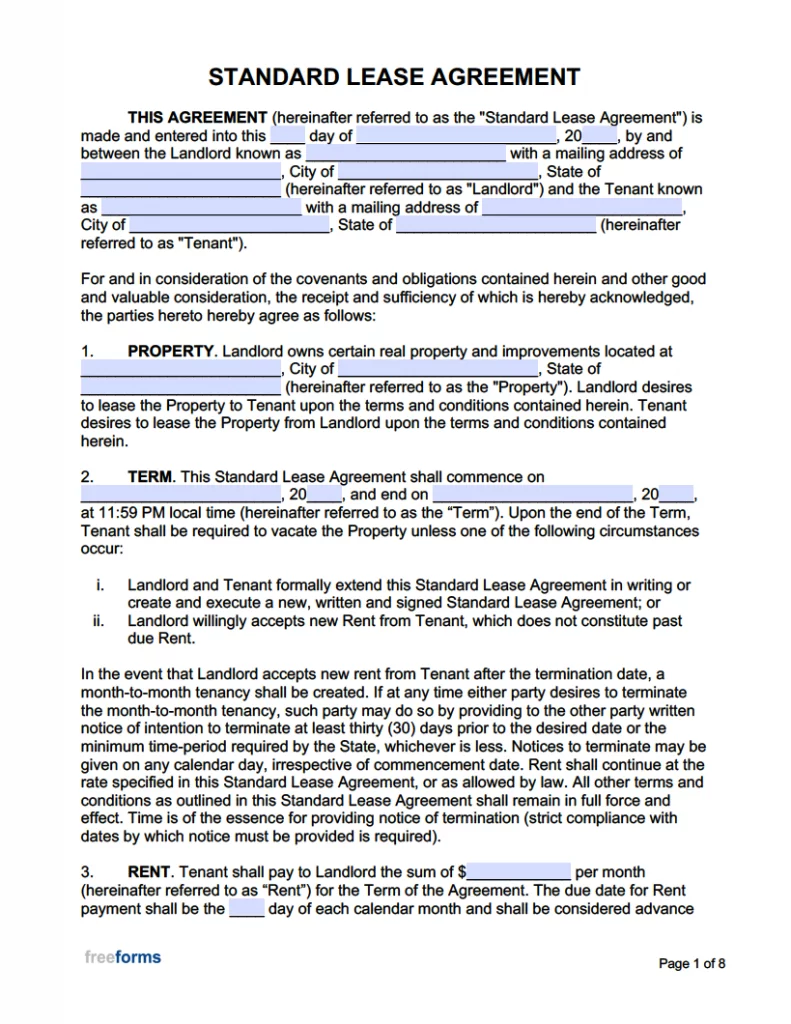
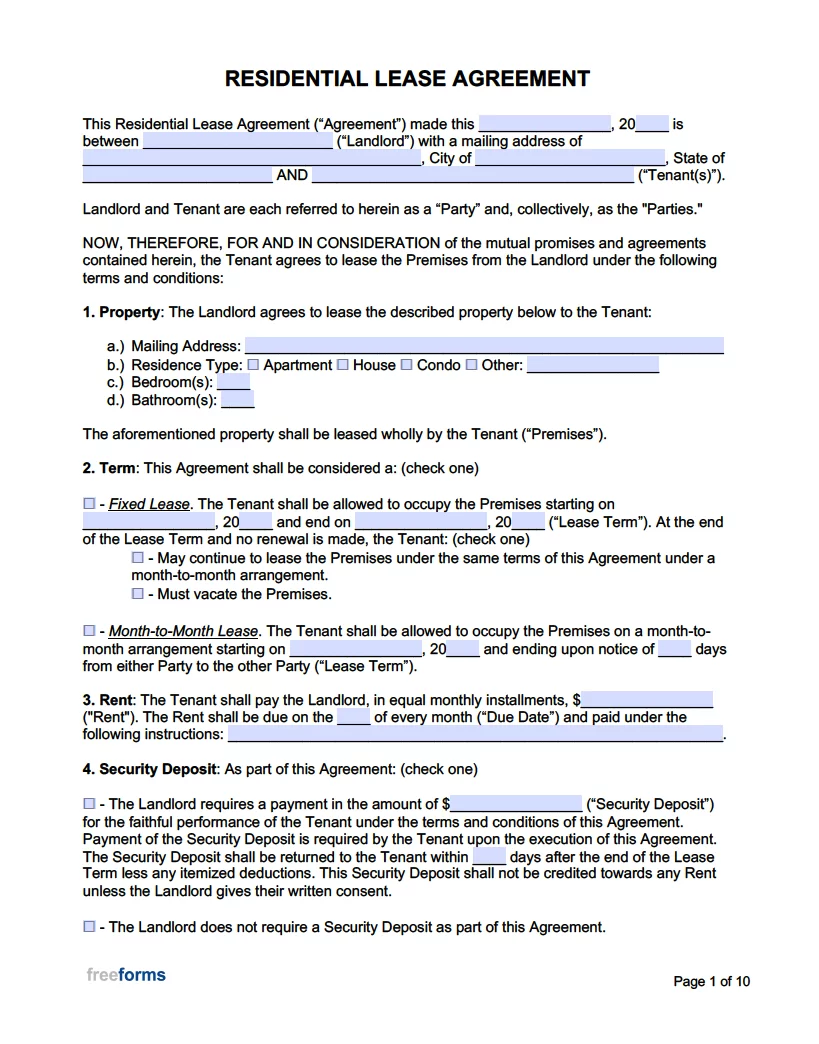
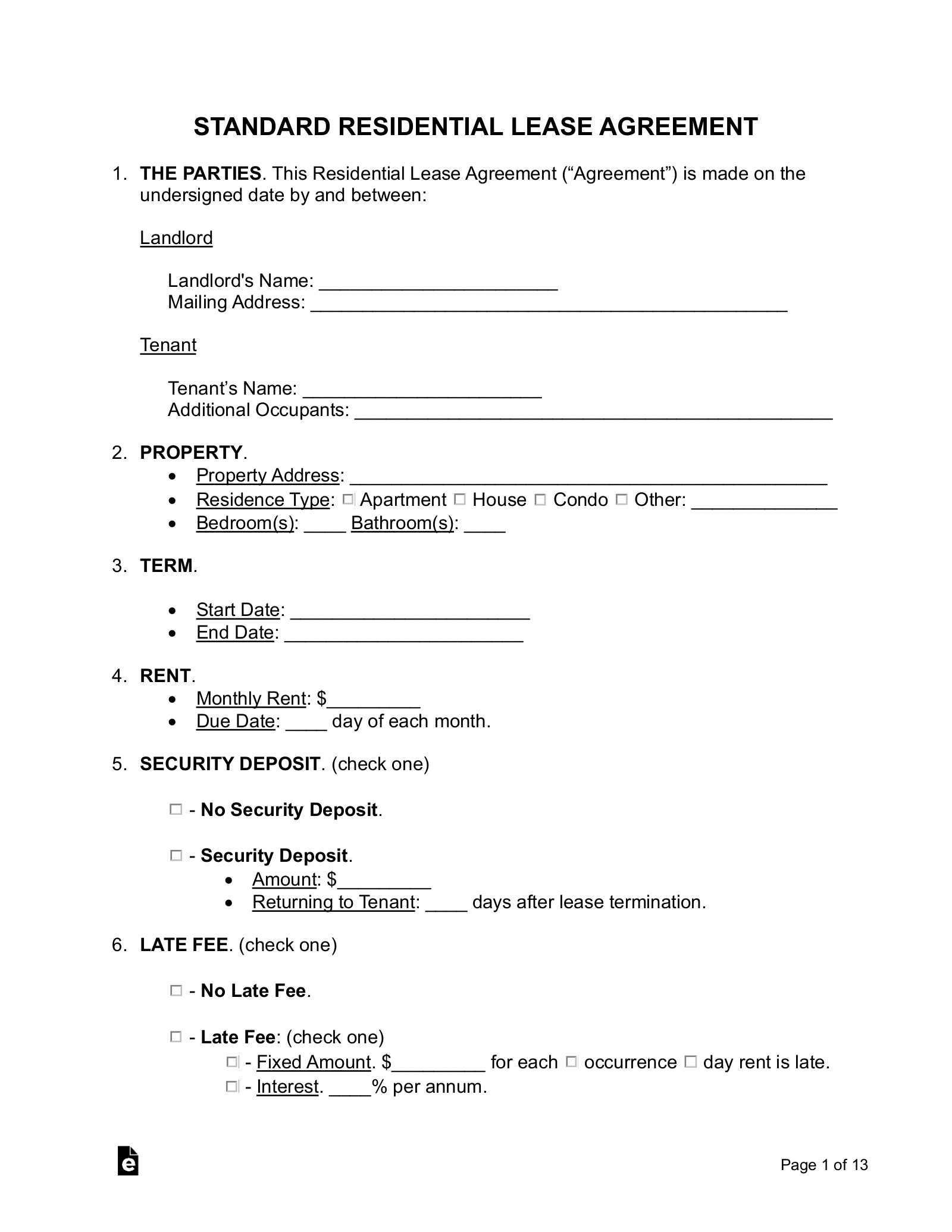
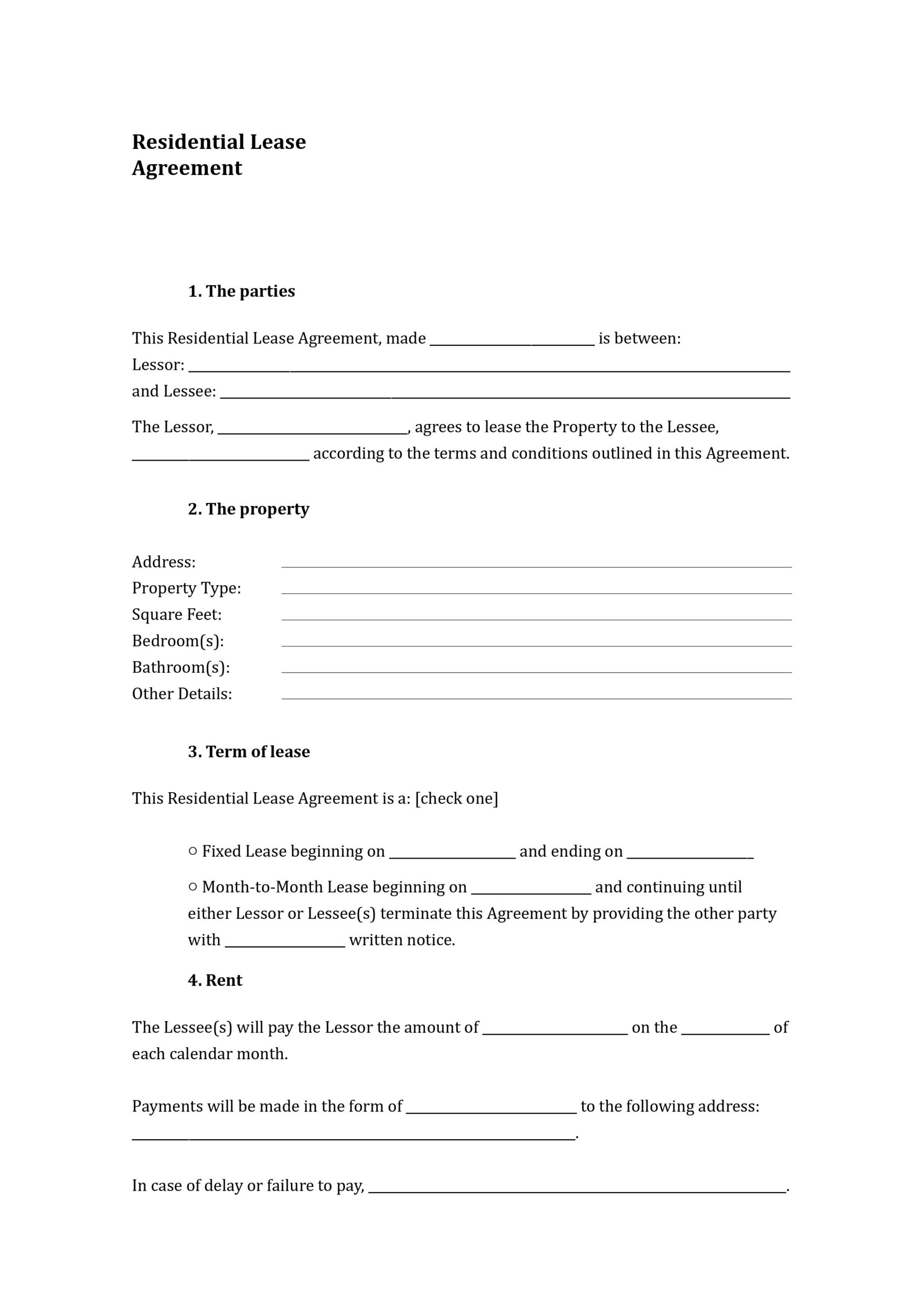
Examples
Does a Residential Lease Agreement Have to Be Notarized?
In most cases, a residential lease agreement does not have to be notarized to be legally binding. However, some states may require leases that are longer than a certain duration to be notarized to be enforceable in court. It is always a good idea to check the specific laws and regulations in your state regarding the notarization of lease agreements to ensure compliance.
State-Specific Requirements
Each state has its own laws and regulations governing the contents and execution of residential lease agreements. Some states may require certain clauses or disclosures to be included in the lease agreement, while others may have specific rules regarding notarization or witness signatures. Landlords and tenants should familiarize themselves with the laws in their state to ensure that their lease agreement is legally valid and enforceable.
Notarization for Added Security
While notarization of a lease agreement is not always required, some parties may choose to have the document notarized for added security and authenticity. Having the lease agreement notarized involves having a notary public witness the signing of the document and verify the identities of the parties involved. This extra step can provide an additional layer of protection against disputes or challenges to the validity of the agreement.
Enforceability in Court
Notarization of a lease agreement can help establish the authenticity of the document and the identities of the parties involved. In the event of a legal dispute between the landlord and tenant, a notarized lease agreement may carry more weight in court as evidence of the agreed-upon terms. While notarization is not always required, it can provide added assurance of the validity and enforceability of the lease agreement in a legal context.
Consulting Legal Counsel
If there are any concerns about the validity or enforceability of a lease agreement, it may be advisable to consult with a legal professional. An attorney can review the lease agreement, provide guidance on state-specific requirements, and offer advice on whether notarization is recommended in a particular situation. Seeking legal counsel can help ensure that the lease agreement complies with all legal requirements and provides adequate protection for both parties involved.
Alternative Documentation
In some cases, parties may choose to use alternative documentation to supplement or reinforce the terms of a lease agreement. This could include additional written agreements, receipts for rent payments, or correspondence between the landlord and tenant regarding specific issues. While notarization is one way to enhance the validity of a lease agreement, there are other methods of documenting the rental arrangement that can provide additional evidence in the event of a dispute.
Record-Keeping
Whether or not a lease agreement is notarized, landlords and tenants need to keep thorough records of all rental transactions and communications. This includes copies of the lease agreement, receipts for rent payments, records of maintenance requests, and any other documentation related to the tenancy. Keeping accurate records can help protect both parties in the event of a dispute and ensure that all terms of the agreement are upheld.
Updating Lease Agreements
As circumstances change or new issues arise during the tenancy, it may be necessary to update the lease agreement to reflect these changes. Landlords and tenants can mutually agree to amend the terms of the agreement by drafting a written addendum or executing a new lease with updated terms. Communicating openly and addressing any modifications to the lease agreement can help maintain a positive landlord-tenant relationship and ensure that both parties are satisfied with the rental arrangement.
Final Thoughts
While notarization of a residential lease agreement is not always required, it can offer an additional layer of security and authenticity to the document. Whether or not the lease agreement is notarized, it is essential for landlords and tenants to carefully review the terms of the agreement before signing and to keep thorough records of all rental transactions. By following best practices and seeking legal advice when needed, both parties can ensure that their lease agreement is legally valid and provides adequate protection throughout the tenancy.
Residential Lease Agreement Template – Download
