Staff confidentiality agreements play a crucial role in safeguarding a company’s sensitive and proprietary information from being shared or misused by employees. These agreements are designed to legally protect trade secrets, customer lists, business plans, intellectual property, and other valuable information that give a company a competitive advantage in the market.
By establishing clear rules on what data is considered confidential, defining obligations for employees, and outlining consequences for breaches, confidentiality agreements help ensure that business secrets remain within the company’s walls and provide legal recourse in case of any violations.
What is a Staff Confidentiality Agreement?
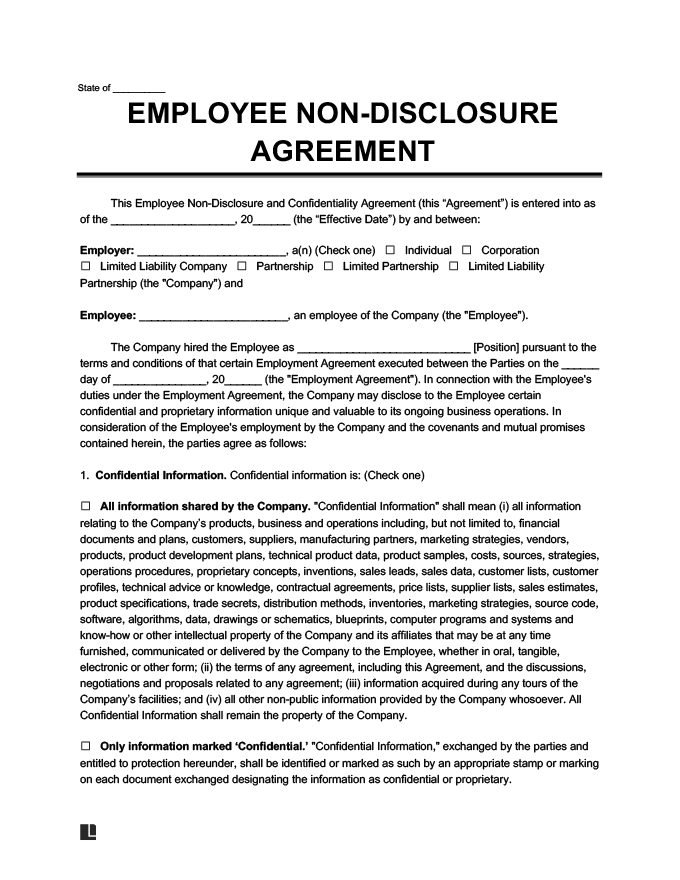
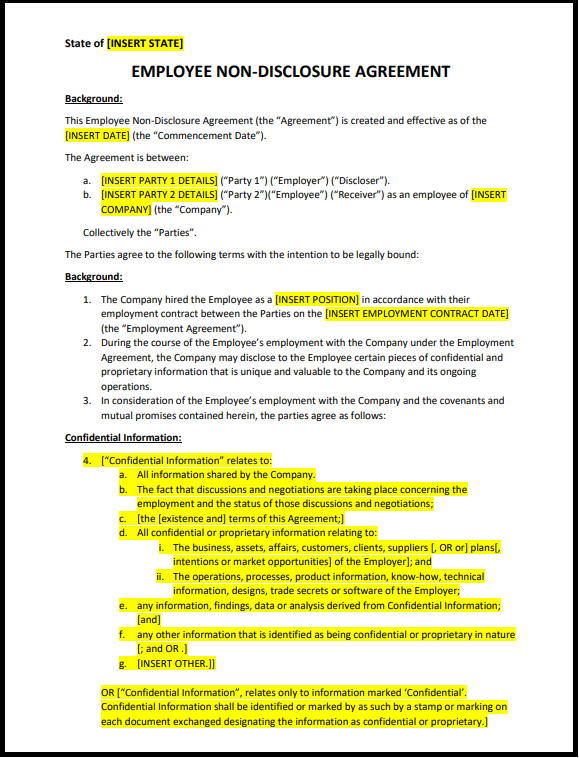
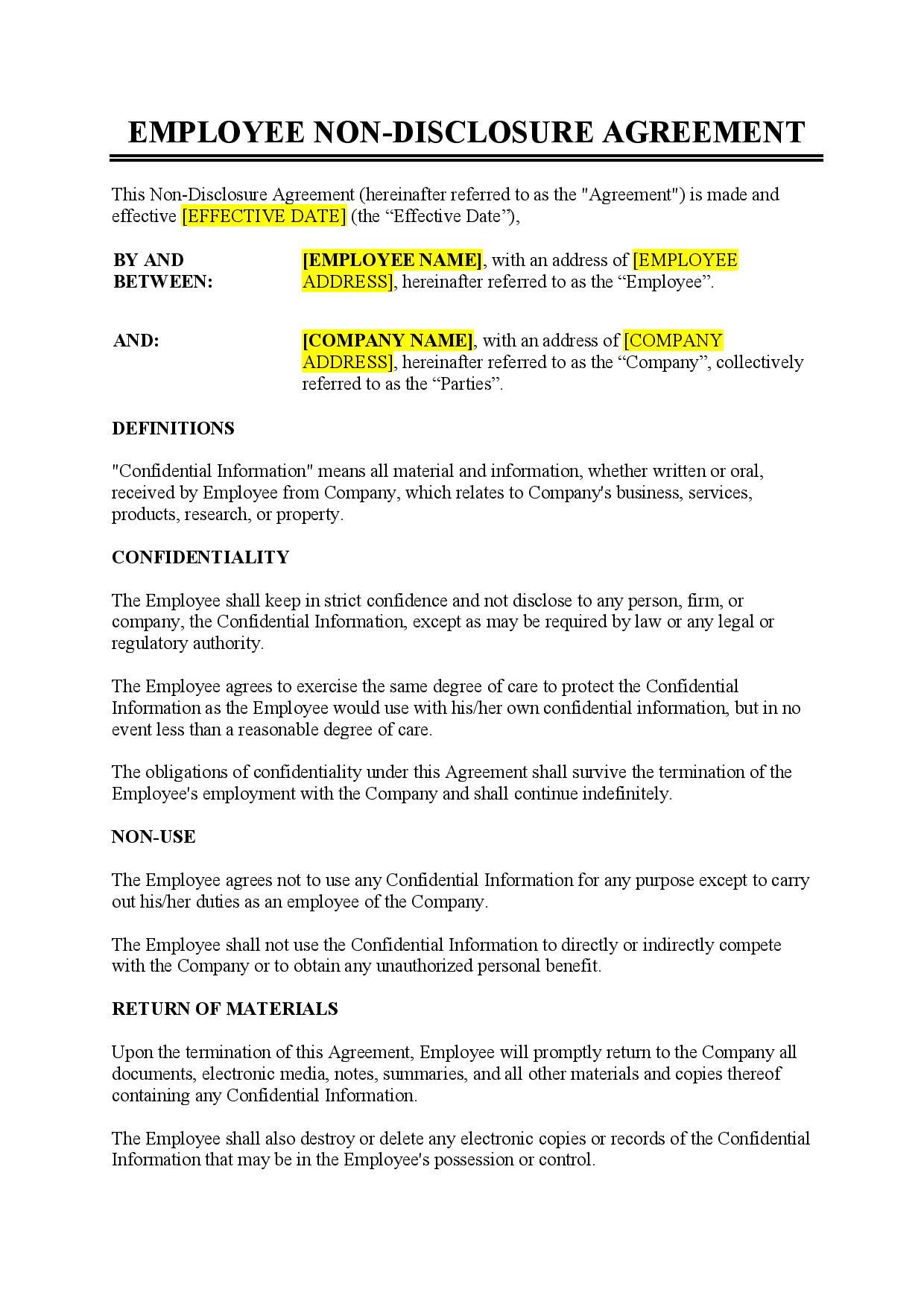
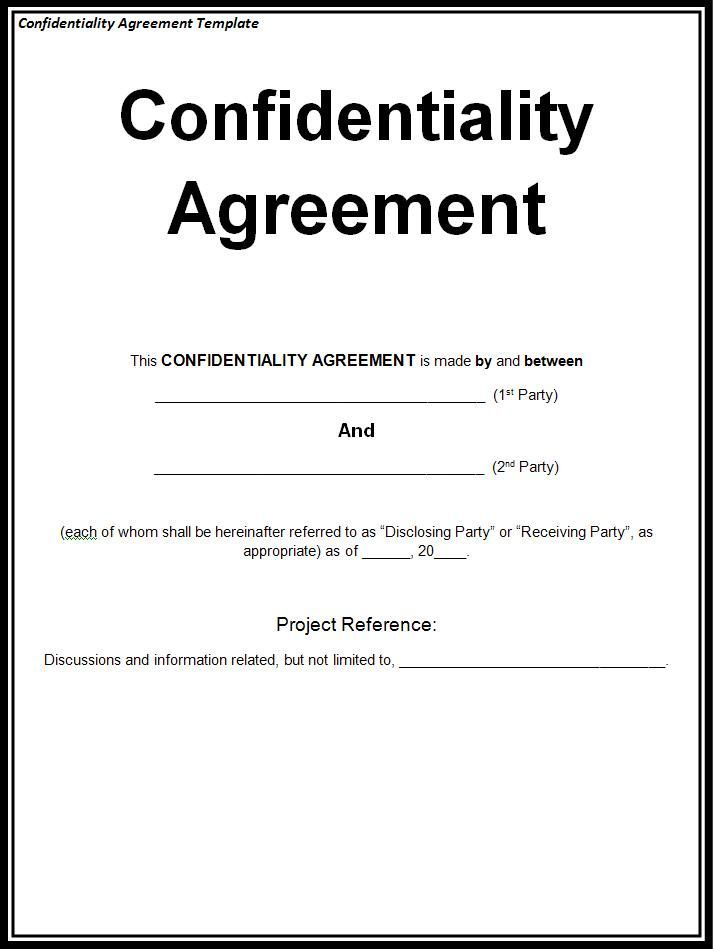
A staff confidentiality agreement, also known as a non-disclosure agreement (NDA) or confidentiality clause in an employment contract, is a legal document that outlines the terms and conditions under which employees are required to keep company information confidential. This agreement is essential for protecting the company’s valuable assets and maintaining a competitive edge in the industry.
Why Staff Confidentiality Agreements are Essential
Staff confidentiality agreements are vital for several reasons:
- Protecting Sensitive Information: These agreements help prevent the disclosure of sensitive business information to competitors or unauthorized individuals.
- Maintaining Competitive Advantage: By keeping proprietary information confidential, companies can retain their competitive edge in the market.
- Legal Recourse for Breaches: In case of a breach of confidentiality, the agreement provides a legal basis for taking action against the responsible party.
- Fostering Trust: Confidentiality agreements create a sense of trust between the company and its employees, demonstrating a commitment to protecting valuable information.
Key Elements of a Staff Confidentiality Agreement
A typical staff confidentiality agreement includes the following key elements:
- Definition of Confidential Information: Clearly defining what constitutes confidential information that must be protected.
- Obligations of Employees: Outlining the responsibilities and obligations of employees to maintain confidentiality.
- Duration of Confidentiality: Specifying the duration for which the confidentiality obligations apply, even after the employee’s termination.
- Consequences of Breach: Describing the consequences of breaching the confidentiality agreement, such as legal action or termination.
- Exceptions: Listing any exceptions where disclosure of confidential information may be required, such as legal obligations or court orders.
How to Implement a Staff Confidentiality Agreement
Implementing a staff confidentiality agreement involves the following steps:
1. Drafting the Agreement:
Work with legal counsel to draft a comprehensive confidentiality agreement that meets the specific needs of your company and complies with relevant laws and regulations.
2. Communicating Expectations:
Clearly communicate the terms of the agreement to employees and ensure they understand their obligations to maintain confidentiality.
3. Training Employees:
Provide training on the importance of confidentiality and the proper handling of sensitive information to all employees covered by the agreement.
4. Enforcing the Agreement:
Enforce the terms of the agreement consistently and take appropriate action in case of any breaches to protect the company’s interests.
5. Regular Review and Updates:
Regularly review and update the confidentiality agreement to ensure it remains relevant and effective in safeguarding the company’s information.
Tips for Successful Staff Confidentiality Agreements
Here are some tips for creating and implementing effective staff confidentiality agreements:
- Customize the Agreement: Tailor the confidentiality agreement to the specific needs and circumstances of your company.
- Provide Clear Guidelines: Clearly outline what information is considered confidential and the obligations of employees to protect it.
- Train Employees: Offer training sessions to educate employees on the importance of confidentiality and the proper handling of sensitive information.
- Monitor Compliance: Regularly monitor compliance with the agreement and address any breaches promptly.
- Seek Legal Advice: Consult with legal professionals to ensure that the confidentiality agreement is legally sound and enforceable.
Overall, staff confidentiality agreements are essential tools for protecting a company’s valuable information, maintaining its competitive advantage, and fostering trust between the organization and its employees. By implementing clear and effective confidentiality agreements, businesses can safeguard their secrets and ensure that proprietary information remains confidential.
Staff Confidentiality Agreement Template
