What are Resume References?
Resume references are individuals who can vouch for your professional history, skills, and character to potential employers. These references are typically former supervisors, colleagues, or mentors who have worked closely with you and can provide valuable insights into your work performance. Employers reach out to these references to gain a more comprehensive understanding of your abilities and determine if you are a good fit for the role they are looking to fill.
Why are Resume References Important?
Having strong resume references can significantly impact your chances of landing a job. Employers rely on these references to validate the information presented in your resume and assess your qualifications beyond what is written on paper. By hearing from individuals who have firsthand experience working with you, employers can gain a more well-rounded perspective of your capabilities and potential as an employee.
Providing Credibility
References provide credibility to a candidate’s claims by offering real-life examples of their work performance and character. Employers are more likely to trust a candidate who can provide strong references from reputable individuals who can vouch for their skills and professionalism.
Validating Skills and Experience
References play a crucial role in validating a candidate’s skills and experience. They can offer specific examples of the candidate’s accomplishments, work ethic, and contributions to previous roles, giving employers a clearer picture of what the candidate can bring to the table.
Highlighting Soft Skills
While resumes often focus on hard skills and experience, references can shed light on a candidate’s soft skills, such as communication, teamwork, and problem-solving abilities. These qualities are essential for success in a professional setting and can set a candidate apart from others vying for the same position.
Building Trust and Confidence
References help build trust and confidence in a candidate’s abilities by providing employers with independent perspectives on the candidate’s strengths and areas for improvement. Employers can feel more secure in their hiring decision knowing that others have endorsed the candidate’s qualifications.
Demonstrating Accountability
By offering references, candidates demonstrate their willingness to be held accountable for their past performance. They show that they are confident in their abilities and open to feedback from previous supervisors and colleagues, which can be a positive sign for employers.
Key Elements of Effective Resume References
When selecting and providing resume references, there are several key elements to keep in mind to ensure they make a positive impression on potential employers:
Relevance and Diversity
Choose references who are relevant to the job you are applying for and can speak to your qualifications for that specific role. Diversity in your references can provide employers with a well-rounded view of your skills and character.
Professionalism and Communication Skills
Ensure that your references are professional individuals who can provide insightful and credible feedback about your work ethic and performance. They should also have strong communication skills to effectively convey your strengths to potential employers.
Permission and Contact Information
Always obtain permission from your references before sharing their contact information with potential employers. Provide accurate and up-to-date contact information for your references to make it easy for employers to reach out to them.
Preparation and Collaboration
Brief your references on the job you are applying for and provide them with relevant information to help them tailor their responses to the employer’s needs. Collaboration with your references can ensure that they highlight the most relevant aspects of your professional background.
Trustworthiness and Track Record
Choose references who have a track record of providing reliable and constructive feedback. Employers value references who are honest and forthcoming about a candidate’s strengths and areas for improvement.
Follow-Up and Gratitude
After you have provided your references to a potential employer, follow up with them to thank them for their support and keep them informed about the hiring process. Expressing gratitude to your references can strengthen your professional relationships and demonstrate your appreciation for their assistance.
Examples
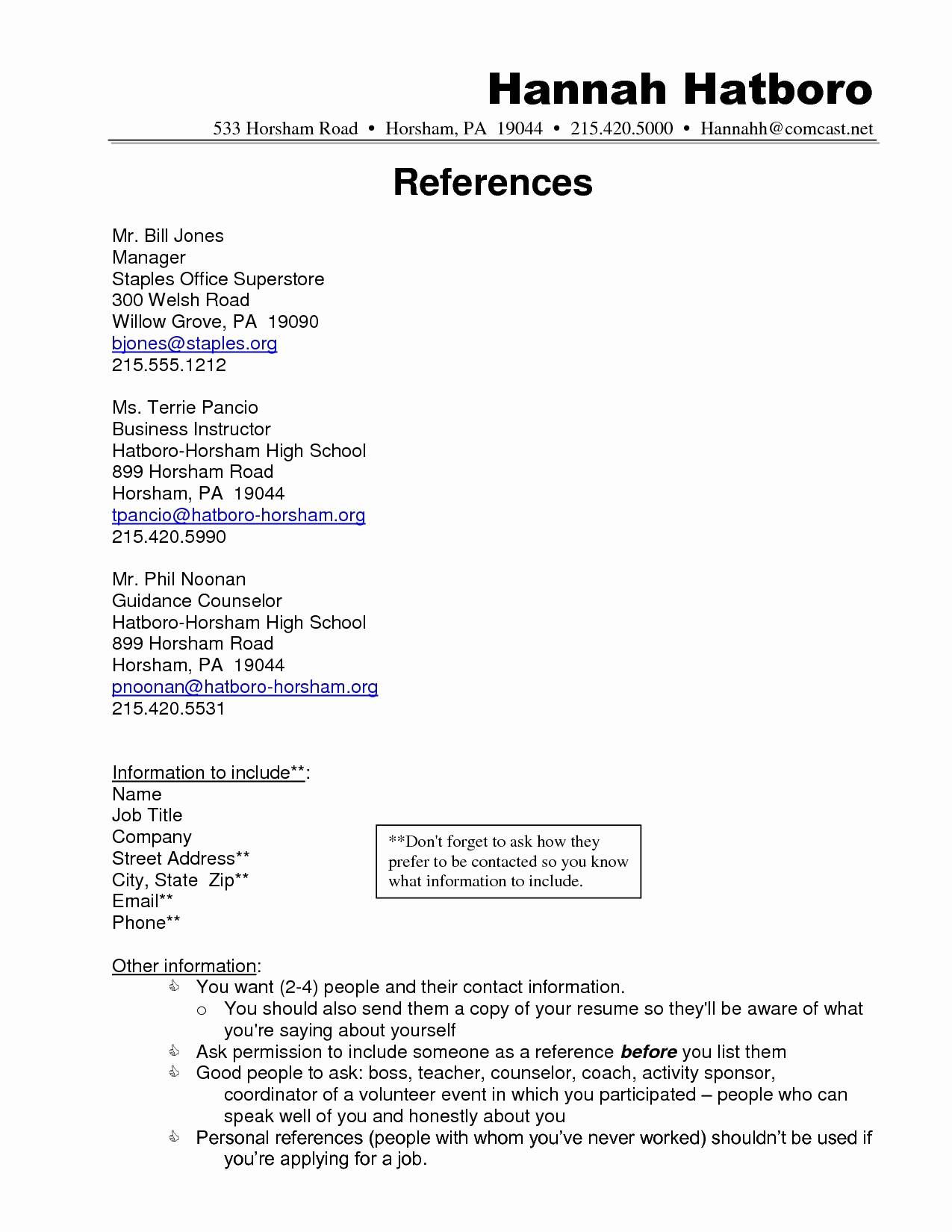
How to Include Resume References in Your Job Application
When it comes to including resume references in your job application, there are a few best practices to follow:
Selection and Preparation
Choose individuals who can speak to different aspects of your professional background and highlight your strengths and accomplishments. Prepare your references by providing them with information about the job you are applying for and how their insights can support your candidacy.
Formatting and Presentation
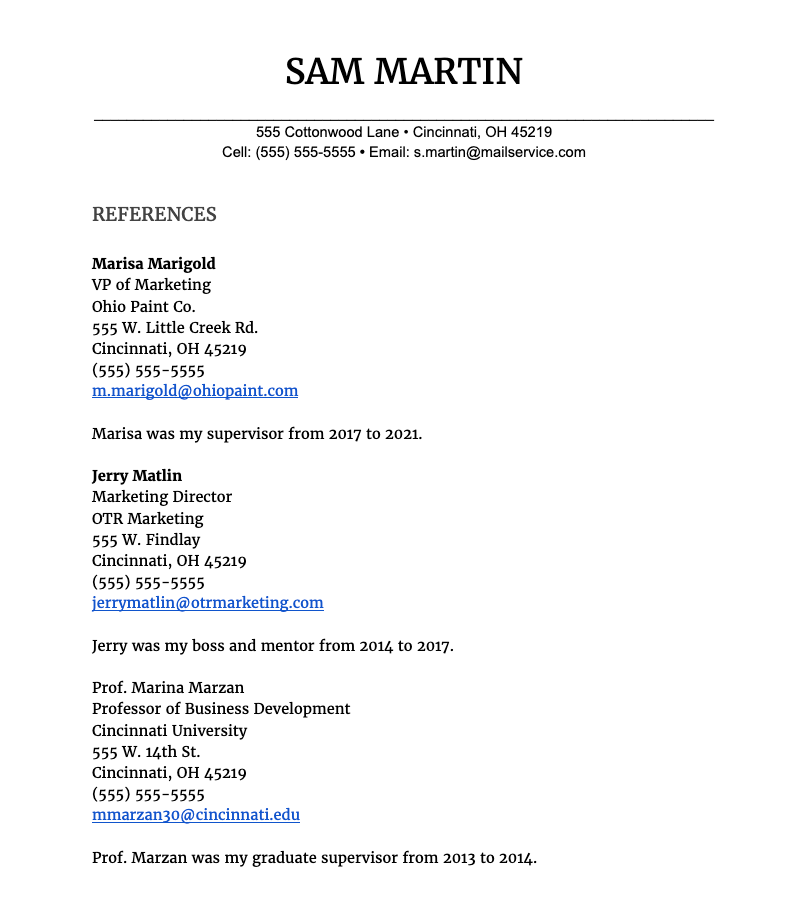
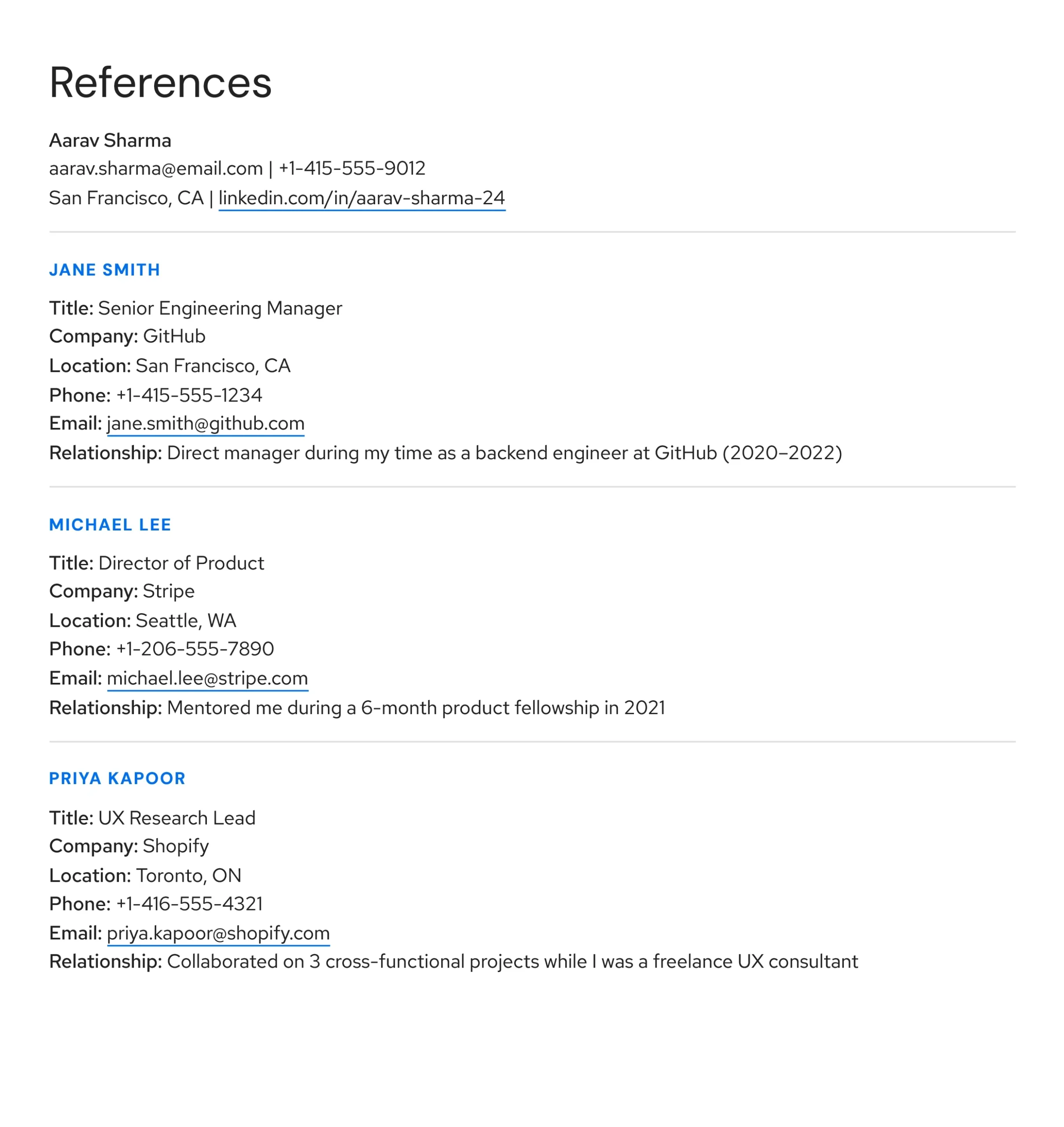
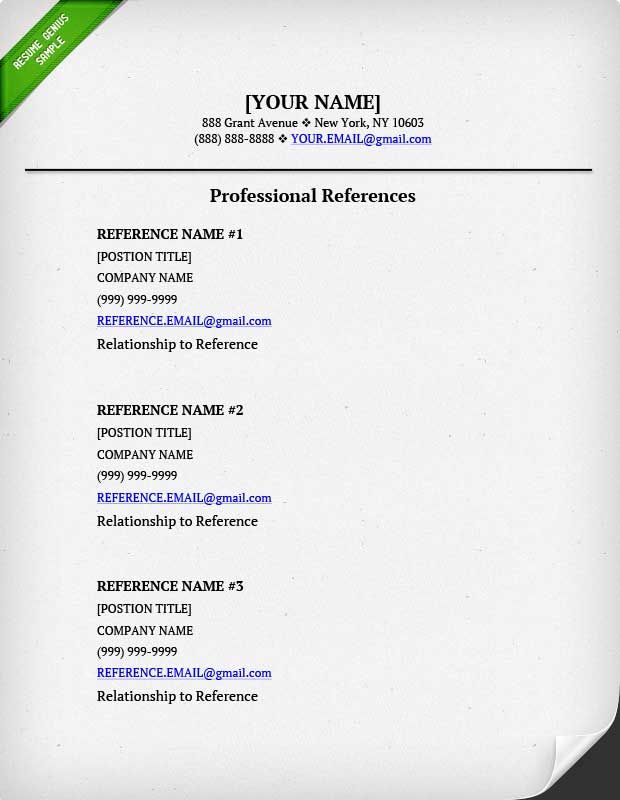
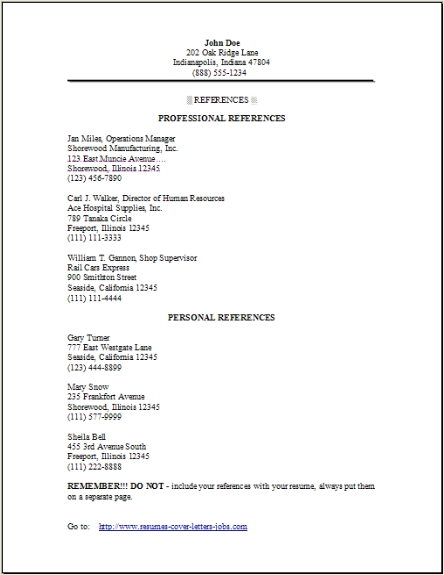
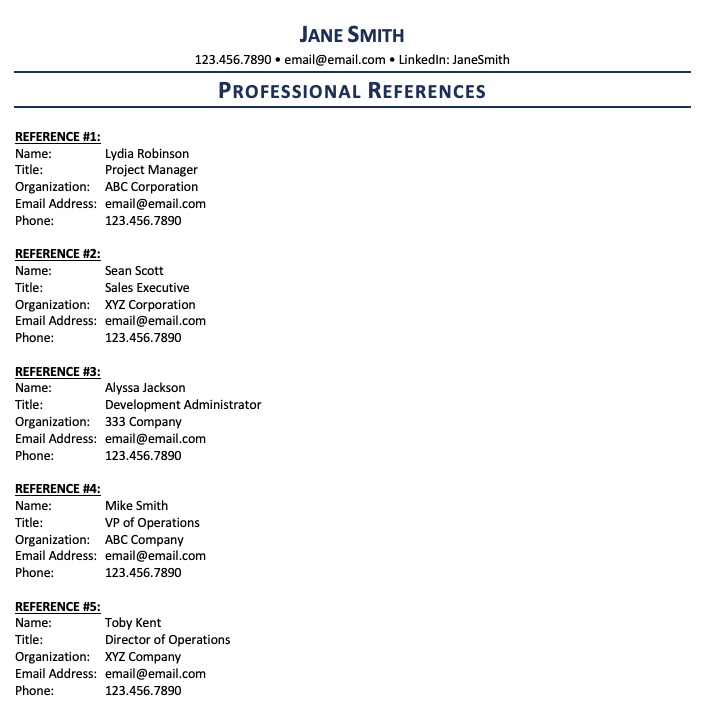
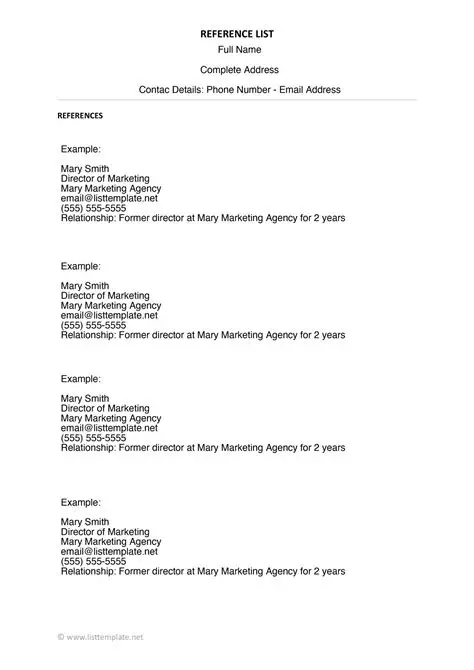
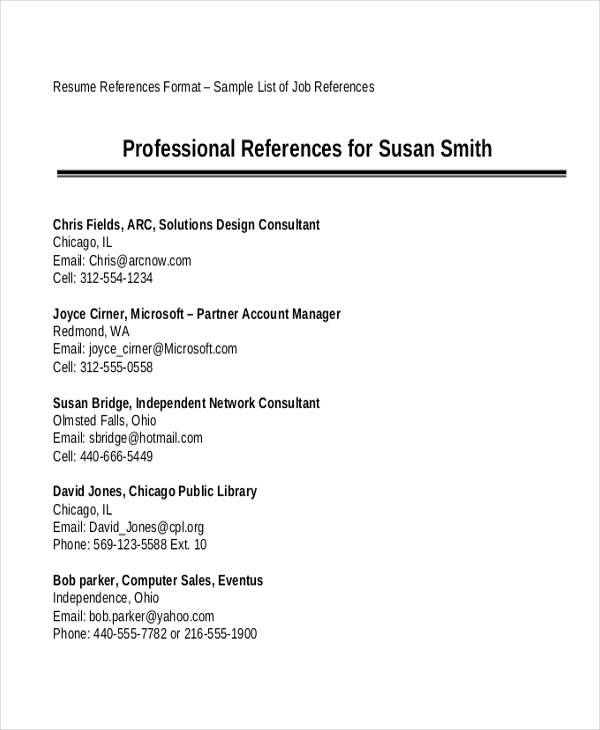
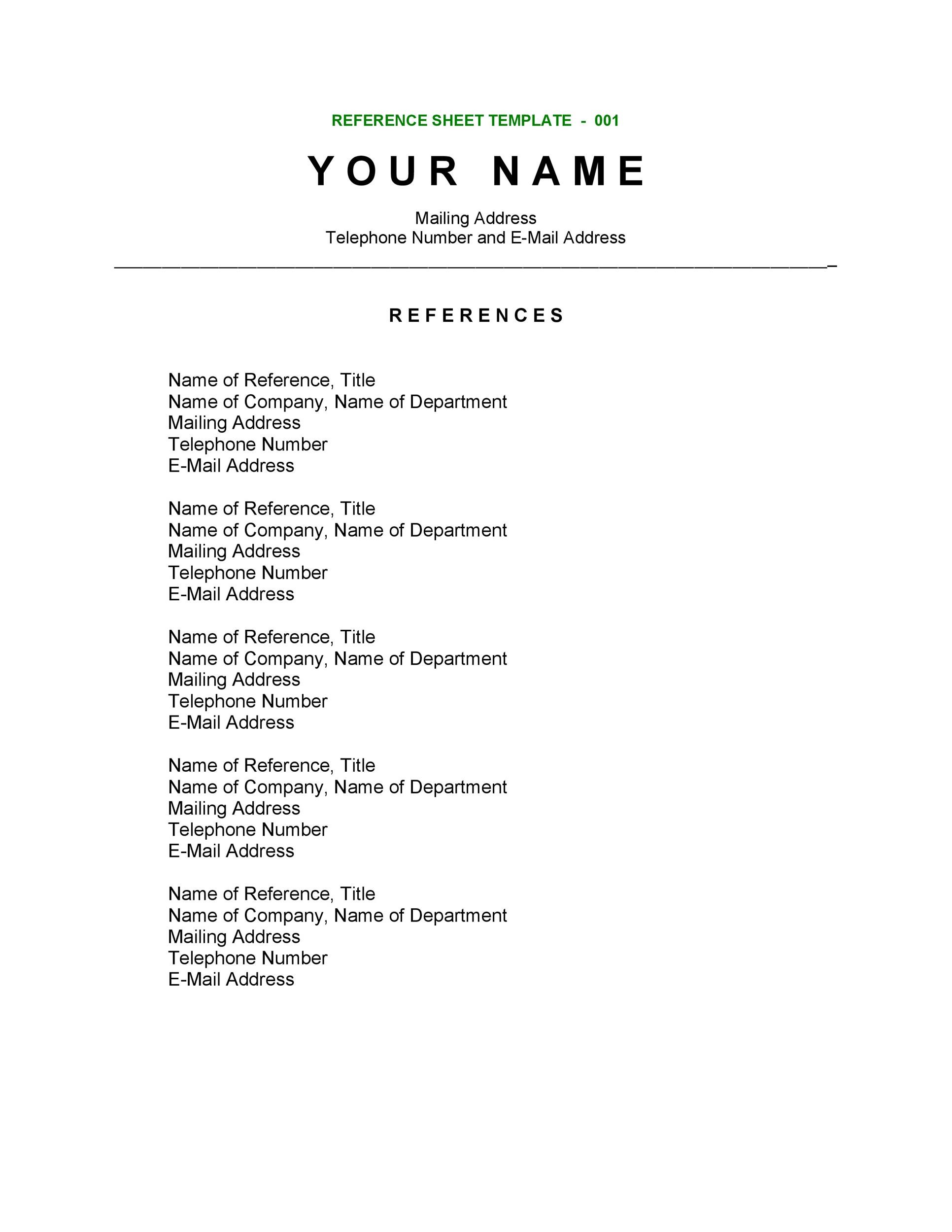
Include your references on a separate page from your resume, with their name, title, company, contact information, and a brief description of your relationship with them. Format your references in a professional and organized manner to make it easy for employers to review.
Notification and Communication
Inform your references that you are applying for a job and provide them with details about the position, including the job description and any specific qualifications the employer is seeking. Keep the lines of communication open with your references throughout the application process.
Timing and Follow-Up
Timing is key when it comes to including references in your job application. Coordinate with your references to ensure they are available to speak with potential employers if contacted. Follow up with your references after you have provided their information to express your gratitude and keep them updated on your progress.
Adaptation and Customization
Customize your list of references based on the requirements of the job you are applying for. Choose references who can speak to the specific skills and qualifications needed for the position and provide them with relevant information to tailor their responses accordingly.
Continued Engagement
Even after you have secured a job, continue to engage with your references and maintain positive relationships with them. They can serve as valuable contacts and sources of support throughout your career, offering guidance and advice as you progress in your professional journey.
Tips for Successful Resume References
Follow these tips to make the most out of your resume references and enhance your job application:
Choosing the Right References
Select individuals who can speak to your strengths and qualifications for the job you are applying for. Consider the relevance of each reference and how their insights can support your candidacy.
Preparing Your References Effectively
Provide your references with information about the job and company, including key responsibilities and qualifications, to help them tailor their responses to the employer’s needs. Collaboration with your references can ensure they highlight the most relevant aspects of your professional background.
Keeping Your References Informed
Inform your references when you have provided their contact information to a potential employer and keep them updated on the hiring process. Communication is key in maintaining strong relationships with your references and ensuring they are prepared to speak on your behalf.
Updating Your References Regularly
Regularly review and update your list of references to ensure they are still relevant and can provide the most current information about your skills and experience. As your career progresses, consider adding new references who can speak to your recent accomplishments and contributions.
Expressing Gratitude to Your References
Thank your references for their support and assistance throughout the job application process. Expressing gratitude can strengthen your professional relationships and demonstrate your appreciation for their time and effort in endorsing your qualifications.
Building Long-Term Relationships
Continue to nurture relationships with your references even after you have secured a job. Stay in touch with them, provide updates on your career progress, and offer support in return. Building long-term relationships with your references can lead to valuable connections and opportunities in the future.
Resume References Template – Download
