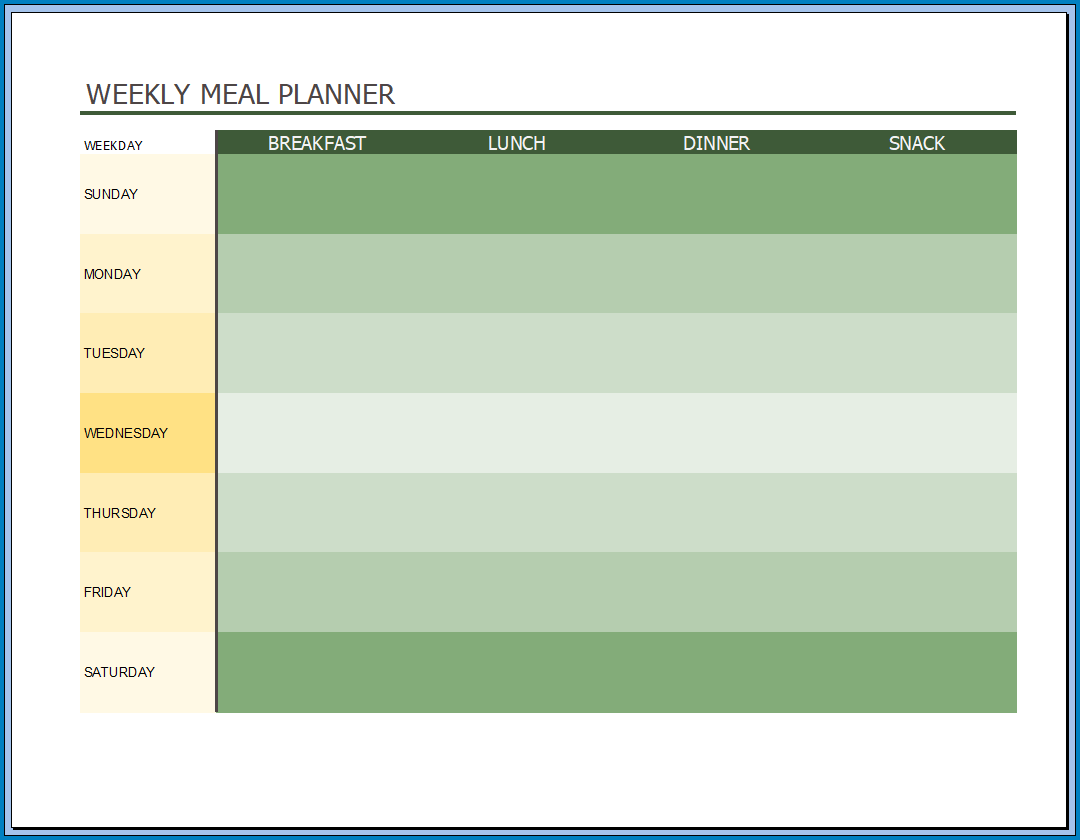
In today’s fast-paced world, finding the time to plan and prepare healthy meals can be a challenge. This is where weekly meal planning comes in. By mapping out your breakfast, lunch, dinner, and snacks ahead of time, you can save time, control your budget, and eat healthier. Whether you’re a busy professional, a parent juggling multiple responsibilities, or someone looking to improve their eating habits, weekly meal planning can be a game-changer.
What is Weekly Meal Planning?
Weekly meal planning is the process of deciding what meals you will eat for the week ahead and creating a shopping list based on those meals. It involves taking into account your schedule, dietary preferences, and nutritional needs to ensure that you have everything you need to prepare healthy and satisfying meals throughout the week.
Why You Should Consider Weekly Meal Planning
There are several benefits to incorporating weekly meal planning into your routine:
- Save Time: By planning your meals in advance, you can save time during the week by avoiding last-minute trips to the grocery store or deciding what to eat.
- Control Your Budget: Meal planning can help you stick to a budget by reducing impulse purchases and food waste.
- Eat Healthier: When you plan your meals ahead of time, you are more likely to make nutritious choices and avoid relying on convenience foods that may not be as healthy.
- Reduce Stress: Knowing what you will be eating each day can help reduce the stress and anxiety that can come with mealtime decisions.
Key Elements of Weekly Meal Planning
To successfully meal plan for the week, consider the following key elements:
- Set Aside Time: Dedicate a specific time each week to plan your meals, create a shopping list, and do any necessary food prep.
- Consider Your Schedule: Take into account any upcoming events, appointments, or commitments that may impact your meal planning.
- Choose Balanced Meals: Aim to include a variety of food groups in each meal to ensure you are getting a balance of nutrients.
- Shop Smart: Make a list of ingredients you need for the week and stick to it to avoid unnecessary purchases.
- Prep Ahead: Take some time to prep ingredients in advance, such as washing and chopping vegetables, to make meal preparation easier during the week.
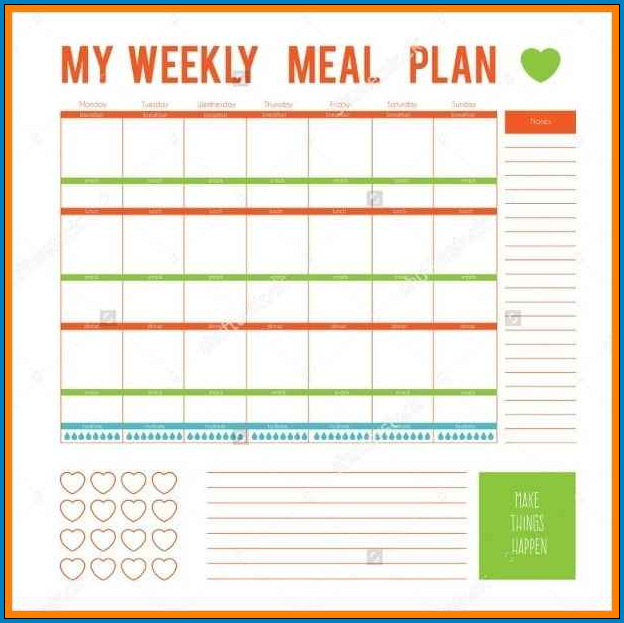
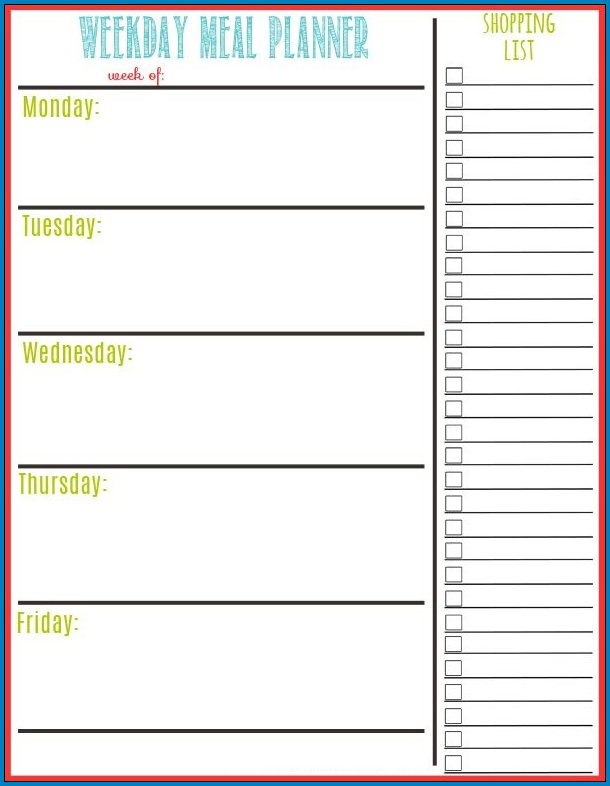
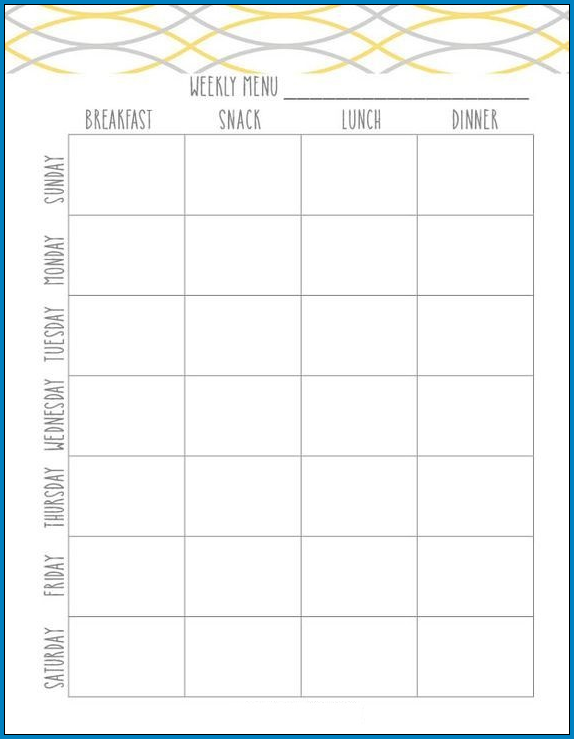
Samples of Weekly Meal Planner:

How to Start Weekly Meal Planning
If you’re new to meal planning, here are some steps to help you get started:
1. Choose Your Meals: Decide what meals you will be preparing for the week, taking into account your dietary preferences and any special occasions.
2. Create a Shopping List: Make a list of all the ingredients you will need for your meals and any snacks, being sure to check your pantry and fridge for items you already have.
3. Set Aside Time to Cook: Schedule time during the week to cook and prepare your meals, whether it’s all at once or in batches.
4. Store Meals Properly: Invest in containers or bags that are suitable for storing food and keep them organized in your fridge or pantry.
5. Be Flexible: It’s okay to switch things up if your plans change or if you feel like trying something different.
6. Track Your Progress: Keep a journal or use a meal planning app to track your meals, recipes, and any adjustments you make along the way.
7. Seek Inspiration: Look for new recipes, meal ideas, and tips from cookbooks, websites, or social media to keep things fresh and exciting.
8. Involve Your Family: Get input from family members or roommates on meal ideas and encourage them to participate in meal planning and preparation.
9. Celebrate Small Wins: Acknowledge the effort you put into meal planning and celebrate your successes, no matter how big or small.
10. Stay Consistent: Make meal planning a regular part of your routine to reap the benefits of time-saving, budget control, and healthier eating habits.
Tips for Successful Weekly Meal Planning
Here are some additional tips to help you make the most of your weekly meal planning:
- Batch Cook: Cook in large batches and freeze individual portions for quick and easy meals throughout the week.
- Plan for Leftovers: Make extra servings of dinner to enjoy for lunch the next day or repurpose ingredients into new dishes.
- Try Theme Nights: Designate specific nights for different types of cuisine, such as Meatless Monday or Taco Tuesday, to add variety to your meals.
- Use a Meal Planning Template: Utilize a printable or digital meal planning template to keep track of your meals, ingredients, and schedule.
- Get Creative: Experiment with new ingredients, flavors, and cooking methods to keep your meals interesting and enjoyable.
- Stay Organized: Keep your kitchen stocked with essential pantry items, spices, and condiments to make meal preparation easier.
- Listen to Your Body: Pay attention to your hunger cues and adjust portion sizes or meal timing as needed to ensure you’re meeting your nutritional needs.
- Plan for Special Occasions: Factor in any birthdays, holidays, or social events when meal planning to accommodate special meals or treats.
In Conclusion
Weekly meal planning is a valuable tool for saving time, money, and effort while improving your eating habits and overall well-being. By taking the time to plan your meals in advance, you can enjoy a variety of delicious and nutritious meals throughout the week without the stress of last-minute decisions. Whether you’re a seasoned meal planner or just starting out, incorporating these tips and strategies can help you make the most of your weekly meal planning routine. Start today and see the positive impact it can have on your health and lifestyle.
