A reception schedule is one of the most important elements of a successful event. Whether planning a wedding reception, corporate gathering, banquet, anniversary celebration, or formal dinner, a well-structured schedule acts as the blueprint that keeps every activity flowing seamlessly. Without proper timing and coordination, even the most beautifully decorated venue and carefully selected entertainment can quickly become chaotic. A detailed reception schedule ensures that guests remain engaged, vendors stay coordinated, and the entire event unfolds in a polished and enjoyable manner.
In today’s event industry, organization and timing are essential to delivering a memorable experience. From guest arrivals and meal service to speeches, entertainment, photography sessions, and closing activities, every moment needs careful planning. A reception schedule not only reduces stress for hosts and organizers but also helps create an atmosphere where guests feel comfortable, entertained, and well cared for throughout the event. Understanding how to design and manage an effective reception schedule can transform an ordinary gathering into a truly unforgettable celebration.
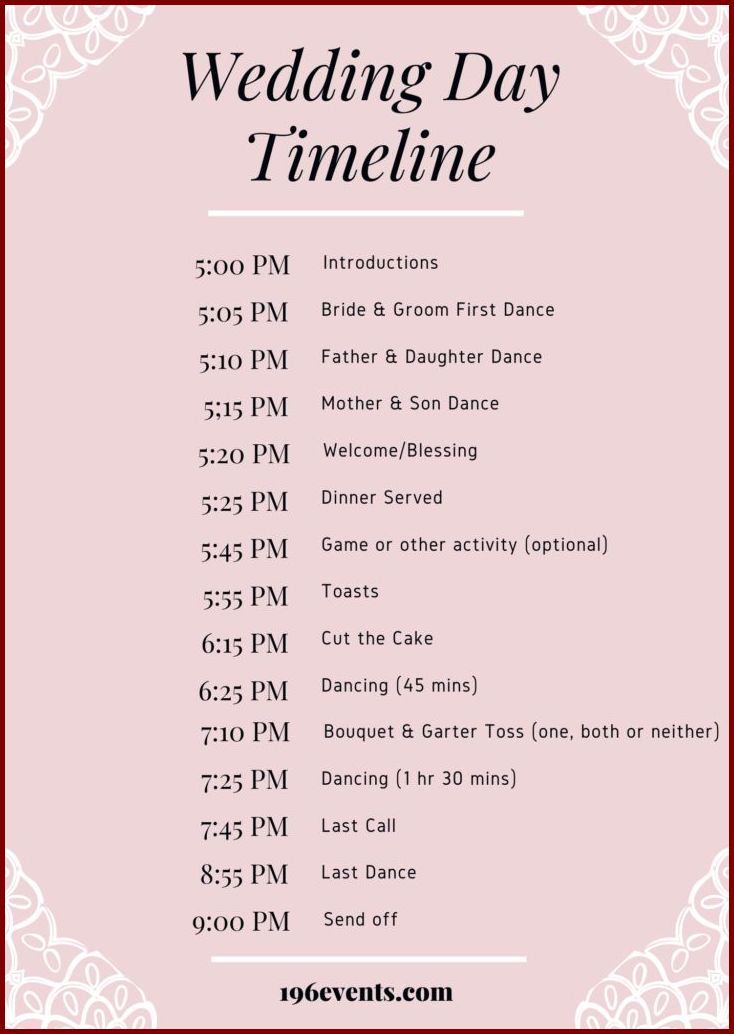
What Is a Reception Schedule?
A reception schedule is a structured timeline that outlines the sequence of activities during a reception event. It serves as a detailed plan that coordinates all major moments, vendor responsibilities, guest activities, and logistical operations from the beginning of the event until its conclusion. The schedule acts as a roadmap that helps event organizers, vendors, staff members, and participants understand exactly what should happen and when it should occur.
Reception schedules are commonly associated with wedding receptions, but they are also essential for corporate events, fundraising galas, awards ceremonies, networking receptions, private parties, and community celebrations. Regardless of the event type, the purpose remains the same: to ensure smooth transitions between activities while maintaining a pleasant and engaging atmosphere for guests.
A typical reception schedule may include guest arrival times, welcome speeches, meal service, entertainment segments, photography sessions, ceremonial activities, games, performances, and closing announcements. Each section is assigned a specific timeframe to prevent delays and minimize confusion.
The schedule also functions as a communication tool between vendors and event coordinators. Caterers need to know when meals will be served, photographers must prepare for important moments, musicians require performance timelines, and venue staff need to coordinate room setups and cleanups. Without a shared schedule, coordination becomes difficult, and costly mistakes may occur.
Why Is a Reception Schedule Important?
A reception schedule is important because it creates structure, efficiency, and clarity throughout the event. Receptions often involve multiple activities, vendors, guests, and logistical responsibilities occurring simultaneously. Without a detailed timeline, even small delays or misunderstandings can quickly disrupt the flow of the celebration.
One of the main reasons a reception schedule matters is that it improves coordination. Event vendors such as caterers, photographers, DJs, florists, lighting technicians, and venue staff all depend on accurate timing to perform their responsibilities effectively. A clear schedule ensures that every service provider understands when their tasks begin and end.
Another important benefit involves guest satisfaction. Guests attend receptions expecting a well-organized and enjoyable experience. Long waiting periods, poorly timed speeches, or unexpected delays can create frustration and reduce engagement. A thoughtfully designed schedule keeps guests entertained and informed throughout the event.
The schedule also helps reduce stress for hosts and event planners. Organizing an event involves numerous moving parts, and trying to manage everything without a timeline can become overwhelming. A structured schedule allows organizers to monitor progress, anticipate challenges, and respond calmly to unexpected changes.
Timing is especially important during formal receptions such as weddings or corporate galas. Key moments, including grand entrances, first dances, presentations, award ceremonies, and meal services, need to occur at appropriate times to maintain the event’s atmosphere and emotional impact.
Financial efficiency is another important reason reception schedules matter. Event venues and vendors often operate on hourly contracts. Delays may increase labor costs, overtime charges, or equipment rental expenses. A well-managed timeline helps keep the event within budget while maximizing operational efficiency.
Reception schedules also improve communication between all parties involved. Staff members, coordinators, entertainers, and family participants can reference the schedule to understand their roles and responsibilities. This reduces confusion and helps maintain professionalism throughout the event.
In addition, a proper schedule allows organizers to build flexibility into the event. Unexpected delays, weather conditions, or technical issues may arise, but a carefully structured timeline makes it easier to adjust without disrupting the entire celebration.
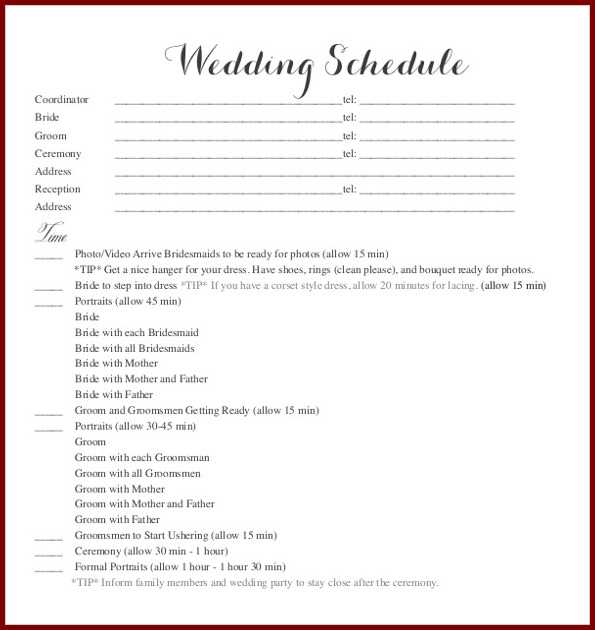
How to Create a Reception Schedule
Creating a reception schedule requires thoughtful planning, attention to detail, and a clear understanding of the event’s goals and logistics. Every successful schedule begins with identifying the major activities that will take place during the reception. These activities may include guest arrivals, welcome speeches, meal service, entertainment, dancing, presentations, ceremonial moments, and closing remarks.
The first step is determining the overall event duration. Organizers should identify the reception start and end times while considering venue rental limits, local regulations, and guest expectations. Once the total timeframe is established, activities can be arranged logically within the available schedule.
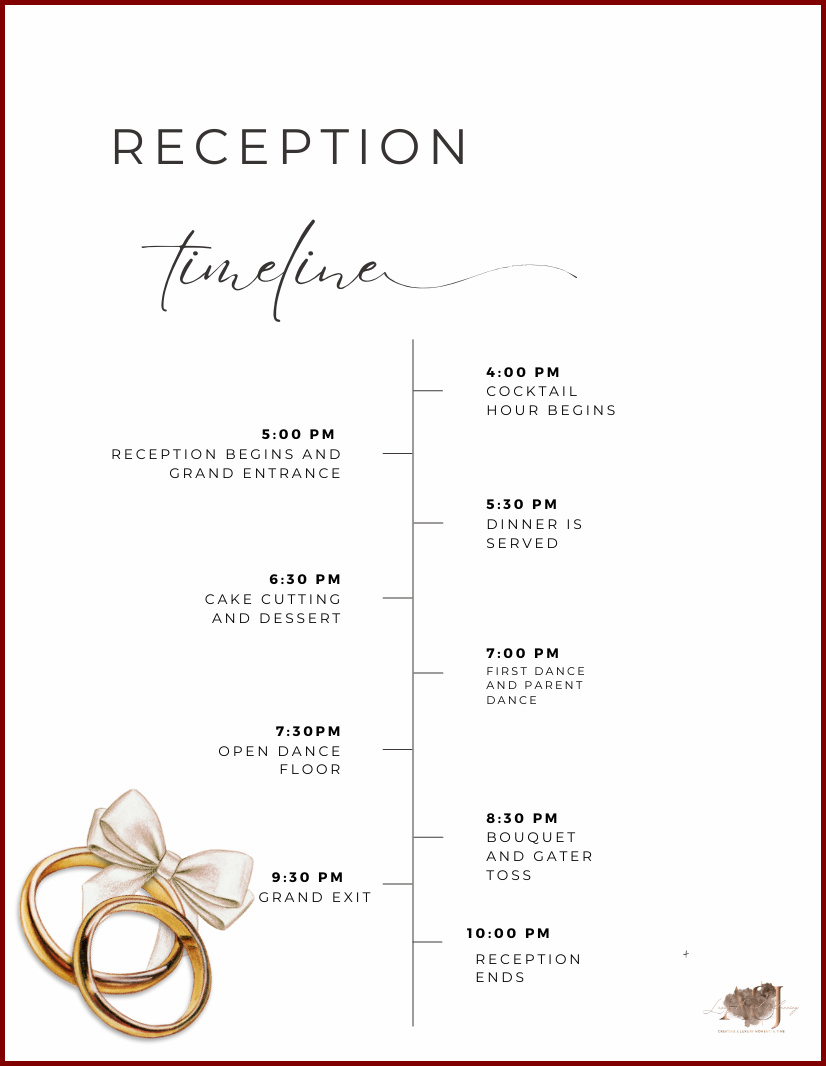
Prioritizing key moments is another important part of the process. Formal events often include milestone activities that require careful timing. For example, wedding receptions may involve the couple’s grand entrance, first dance, cake cutting, and bouquet toss. Corporate receptions may include keynote speeches, networking sessions, or award presentations.
After identifying major activities, organizers should estimate how long each segment will require. Meal service, speeches, entertainment performances, and photography sessions often take longer than expected, so building extra buffer time into the schedule is highly recommended.
Communication with vendors is also essential. Caterers need preparation timelines, DJs require music cues, photographers need access to important moments, and venue staff must coordinate room arrangements. Consulting vendors during the scheduling process helps prevent conflicts and unrealistic timing expectations.
Transitions between activities should also be considered carefully. Guests should move smoothly from one segment to another without confusion or excessive waiting. For example, entertainment can continue while tables are cleared after dinner, or background music can fill short transition periods.
Another important factor involves guest comfort. Scheduling meals too late or overcrowding the timeline with nonstop activities may reduce guest enjoyment. A balanced schedule provides opportunities for relaxation, social interaction, and spontaneous moments.
Finally, organizers should distribute the finalized schedule to all vendors, staff members, and key participants before the event. Everyone involved should understand the timeline clearly to ensure efficient coordination on the event day.
A well-designed reception schedule combines structure with flexibility, helping organizers create a seamless and enjoyable experience for guests and participants alike.
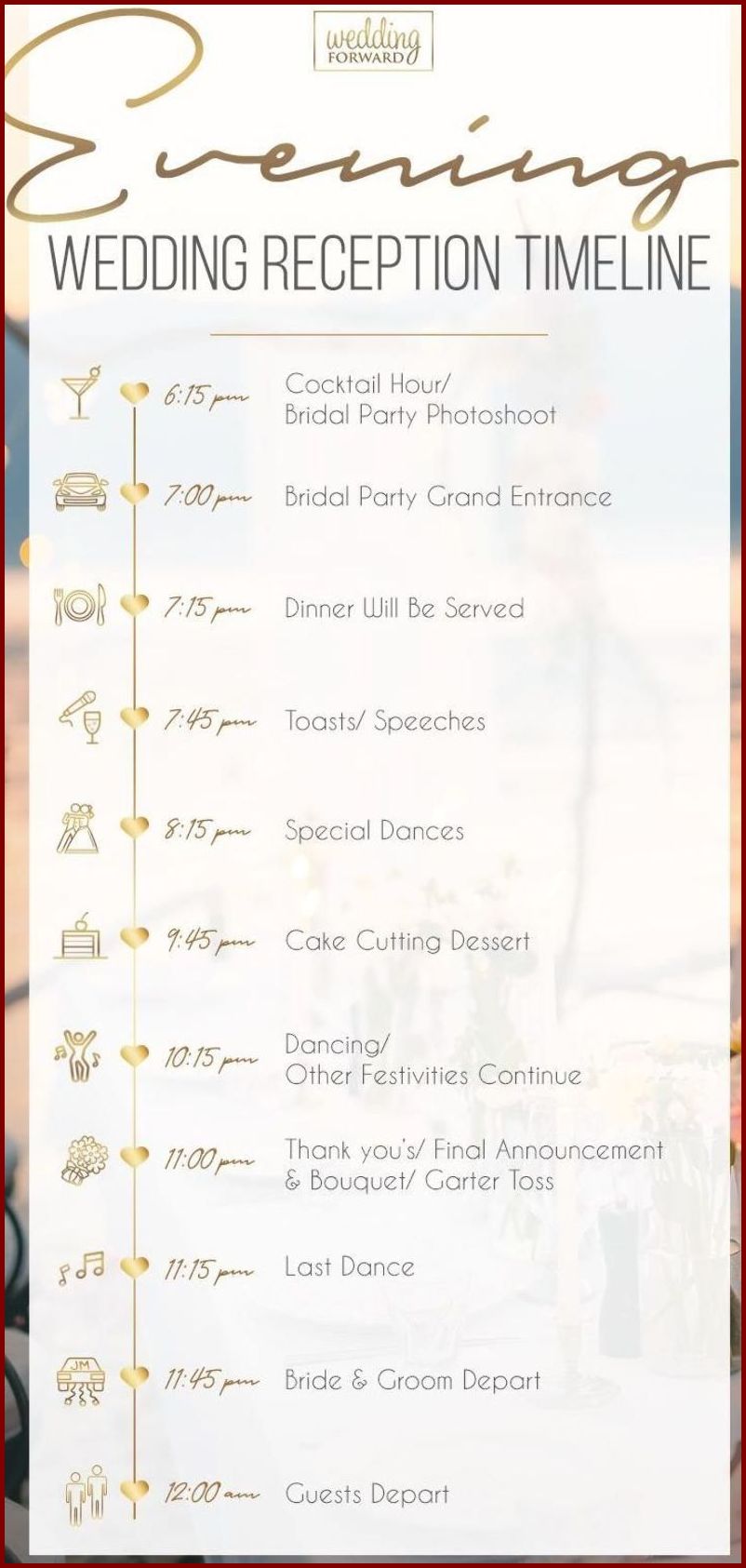
How Does a Reception Schedule Work?
A reception schedule works by organizing all event activities into a coordinated timeline that guides the flow of the celebration from beginning to end. It acts as a central operational document that keeps vendors, organizers, staff members, and participants aligned throughout the event.
The process typically begins before guests arrive. Vendors and setup crews use the schedule to coordinate decoration installation, table arrangements, lighting adjustments, sound checks, and catering preparation. This early coordination helps ensure the venue is fully prepared before the reception officially begins.
As guests arrive, the schedule guides activities such as welcome drinks, seating arrangements, background music, and opening announcements. Event coordinators monitor the timeline carefully to ensure transitions happen smoothly and according to plan.
During the reception, each activity follows the designated schedule. Meal service may begin after introductions, speeches may follow dinner, and entertainment segments may occur between formal presentations. DJs, emcees, photographers, and caterers all rely on the timeline to perform their responsibilities at the correct moments.
One important function of the schedule is maintaining pacing. Events that move too slowly may feel dull, while events that move too quickly can overwhelm guests. A balanced reception schedule creates rhythm by alternating between formal activities, entertainment, dining, and relaxation.
The schedule also helps manage unexpected changes. Delays in meal preparation, technical problems, weather interruptions, or extended speeches can disrupt the timeline. Event coordinators use the schedule to make adjustments while minimizing the impact on guests.
Communication is another key component of how reception schedules work. Coordinators often provide printed or digital copies to vendors and staff members before the event. Some larger receptions also use communication devices or mobile apps to update timing changes in real time.
At the conclusion of the reception, the schedule guides final activities such as farewell speeches, guest departures, cleanup operations, and vendor breakdown procedures. This structured ending helps prevent confusion and ensures efficient venue management.
By coordinating every stage of the event, the reception schedule creates order, professionalism, and consistency throughout the celebration.
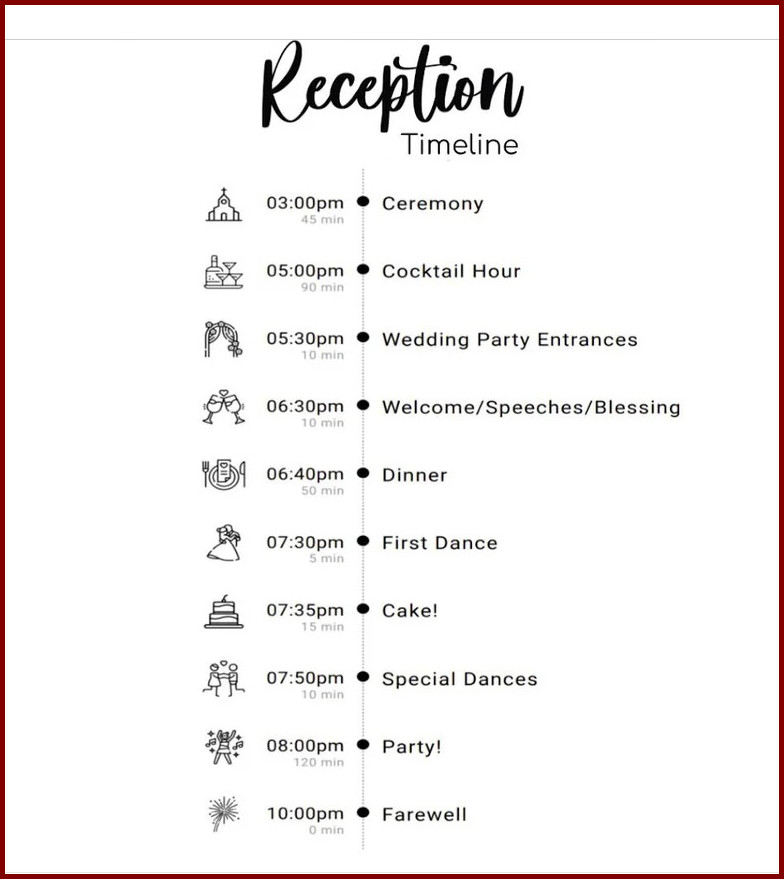
Tips for Successful Reception Schedules
1. Begin Planning Early
Early planning provides sufficient time to organize activities, confirm vendor availability, and resolve scheduling conflicts before the event date arrives.
2. Build Extra Buffer Time
Adding transition periods between activities helps absorb delays and prevents the entire schedule from falling behind unexpectedly.
3. Prioritize Guest Experience
A successful reception schedule keeps guests entertained, comfortable, and engaged throughout the event without overwhelming them.
4. Coordinate With Vendors Regularly
Frequent communication with caterers, photographers, entertainers, and venue staff improves coordination and reduces misunderstandings.
5. Use Technology for Organization
Digital planning tools and scheduling apps can simplify communication, updates, and timeline management during the event.
6. Prepare for Unexpected Changes
Weather conditions, technical problems, or transportation delays may occur, so flexibility is essential for successful event management.
7. Assign an Event Coordinator
A dedicated coordinator helps monitor the schedule and resolve issues quickly while allowing hosts to focus on guests and celebrations.
8. Review the Schedule Before the Event
Conducting a final review with vendors and participants helps ensure everyone understands the timeline and responsibilities clearly.
Common Mistakes to Avoid When Planning a Reception Schedule
Although reception schedules are designed to improve organization and efficiency, mistakes in planning can still create stress and confusion during the event. Understanding common scheduling problems can help organizers avoid disruptions and maintain a smooth celebration.
One common mistake is overcrowding the schedule with too many activities. Trying to fit excessive speeches, performances, games, and presentations into a limited timeframe can overwhelm guests and create delays.
Another major issue involves unrealistic timing expectations. Meal service, photography sessions, and guest transitions often require more time than anticipated. Failing to account for these realities may cause the schedule to fall behind quickly.
Poor vendor communication is another frequent problem. If vendors do not receive accurate timelines or updates, coordination becomes difficult, and mistakes may occur during the event.
Ignoring guest comfort can also reduce event quality. Scheduling meals too late, allowing long waiting periods, or creating nonstop activities without breaks may negatively impact guest satisfaction.
Some organizers also fail to create contingency plans for unexpected problems such as weather disruptions or technical difficulties. Lack of flexibility may cause unnecessary stress if issues arise.
Finally, not assigning a schedule manager often leads to confusion. Without someone actively monitoring the timeline, activities may drift off schedule without proper coordination.
Conclusion
A reception schedule is far more than a simple event timeline. It is the organizational blueprint that guides every aspect of the celebration, from vendor coordination and guest management to entertainment timing and logistical efficiency. A carefully planned schedule creates structure, reduces stress, and ensures that every important moment unfolds smoothly and professionally.
Understanding the importance of reception scheduling allows hosts and organizers to create memorable experiences that keep guests engaged and comfortable throughout the event. Whether planning a wedding reception, corporate gala, private celebration, or formal banquet, a well-designed schedule helps balance activities, maintain momentum, and prevent unnecessary confusion or delays.
Successful reception schedules require preparation, communication, flexibility, and attention to detail. Organizers who work closely with vendors, build realistic timelines, prioritize guest experience, and prepare for unexpected changes are far more likely to deliver polished and enjoyable events.
As modern events continue growing in complexity and expectations rise among guests, the value of a structured reception schedule becomes even more significant. A thoughtfully organized schedule not only supports operational efficiency but also helps create lasting memories that guests and hosts will appreciate long after the celebration ends.
