
As a teacher, staying organized and on track with your curriculum goals can be a challenging task. That’s where a weekly lesson planner comes in handy. A weekly lesson planner is a tool that provides teachers with an organized roadmap for their weekly instruction, connecting long-term curriculum goals with daily classroom activities. In this guide, we will explore the importance of a weekly lesson planner, key elements to include, and tips on how to create an effective one.
What is a Weekly Lesson Planner?
A weekly lesson planner is a document that helps teachers plan and organize their lessons for the week. It serves as a guide for teachers to ensure they cover all necessary topics, meet curriculum standards, and incorporate engaging activities for their students. A well-thought-out lesson planner can help teachers stay on track with their long-term goals and ensure that their instruction is coherent and effective.
Why is a Weekly Lesson Planner Important?
A weekly lesson planner is essential for teachers for several reasons. Firstly, it helps teachers stay organized and manage their time effectively. By planning out their lessons in advance, teachers can ensure they cover all necessary topics and allocate enough time for each. Additionally, a lesson planner helps teachers maintain a coherent flow in their instruction, making it easier for students to follow along and understand the material. It also serves as a record of what has been covered, making it easier to track student progress and adjust teaching strategies as needed.
Key Elements of a Weekly Lesson Planner
When creating a weekly lesson planner, there are several key elements that you should include to make it effective. These elements will help you stay organized and ensure that your lessons are well-rounded and engaging for your students.
- Lesson objectives: Clearly define what you want your students to learn or achieve by the end of each lesson.
- Materials needed: List out all the materials, resources, and technology you will need for each lesson.
- Activities and tasks: Plan out the specific activities and tasks you will use to teach the lesson and engage your students.
- Assessment methods: Include how you will assess student learning and understanding, whether through quizzes, tests, or other methods.
- Reflection and adjustment: Leave space to reflect on each lesson and make adjustments for future lessons based on student performance and engagement.
- Connections to long-term goals: Ensure that each lesson connects to your long-term curriculum goals and builds upon previous lessons.
- Flexibility: Leave room for flexibility in your lesson planner to accommodate unexpected events or changes in student needs.
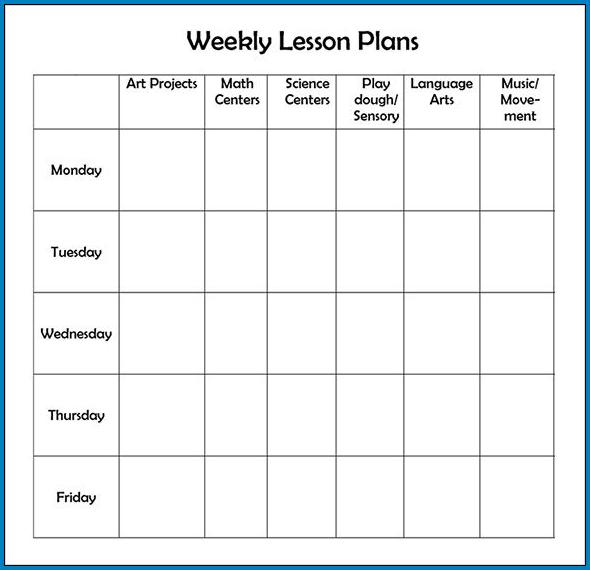
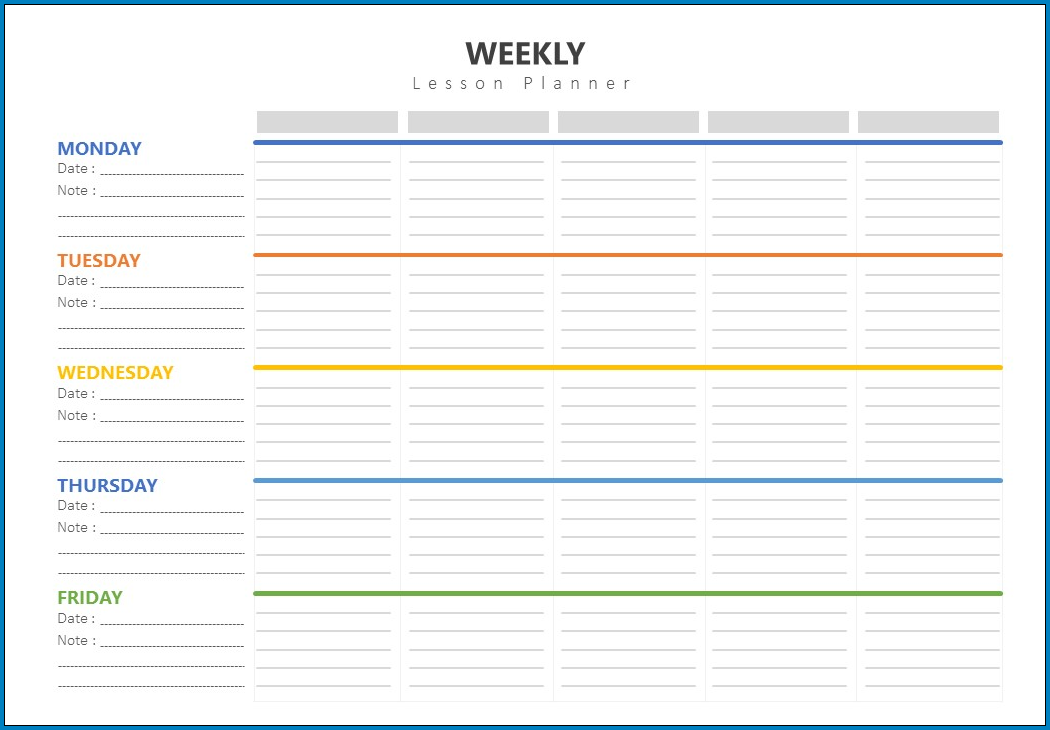
Samples of Weekly Lesson Planner:


How to Create a Weekly Lesson Planner
Creating a weekly lesson planner may seem like a daunting task, but with the right approach, it can be a rewarding experience. Here are some steps to help you create an effective weekly lesson planner:
1. Start by outlining your long-term curriculum goals and objectives.
2. Break down your goals into weekly objectives and topics to cover.
3. Allocate time for each lesson and determine the activities and tasks needed to achieve the objectives.
4. Gather all necessary materials and resources for each lesson.
5. Reflect on each lesson and make adjustments as needed based on student performance.
6. Keep your lesson planner organized and easily accessible for quick reference.
7. Collaborate with other teachers or educators to get feedback and new ideas for lesson planning.
8. Stay flexible and be open to making changes to your lesson planner as needed.
9. Regularly review and update your lesson planner to ensure it remains effective and aligned with your goals.
10. Celebrate successes and milestones with your students to keep them motivated and engaged.
Tips for Effective Lesson Planning
In addition to following the steps outlined above, here are some additional tips to help you create an effective weekly lesson planner:
– Prioritize your objectives and focus on the most important topics for each lesson.
– Incorporate a variety of teaching methods and activities to cater to different learning styles.
– Use technology to enhance your lessons and engage your students.
– Seek feedback from your students to gauge their understanding and adjust your teaching accordingly.
– Collaborate with other teachers to share ideas and resources for lesson planning.
– Stay organized and keep track of student progress to ensure you are meeting your goals.
– Take breaks and give yourself time to recharge to avoid burnout.
– Have fun with your lessons and be creative in your approach to keep students engaged.
By following these tips and incorporating key elements into your weekly lesson planner, you can create a roadmap for your instruction that is organized, engaging, and effective. Remember that lesson planning is a dynamic process, so be open to making adjustments and improvements along the way. Happy planning!
