Report cards are a crucial component of the education system, providing valuable insights into a student’s academic performance and progress. They serve as a formal record of a student’s learning, growth, and achievements over a specific period.
By communicating a student’s strengths, weaknesses, and areas for improvement, report cards play a vital role in fostering collaboration between parents, guardians, teachers, and students.
What Are Report Cards?
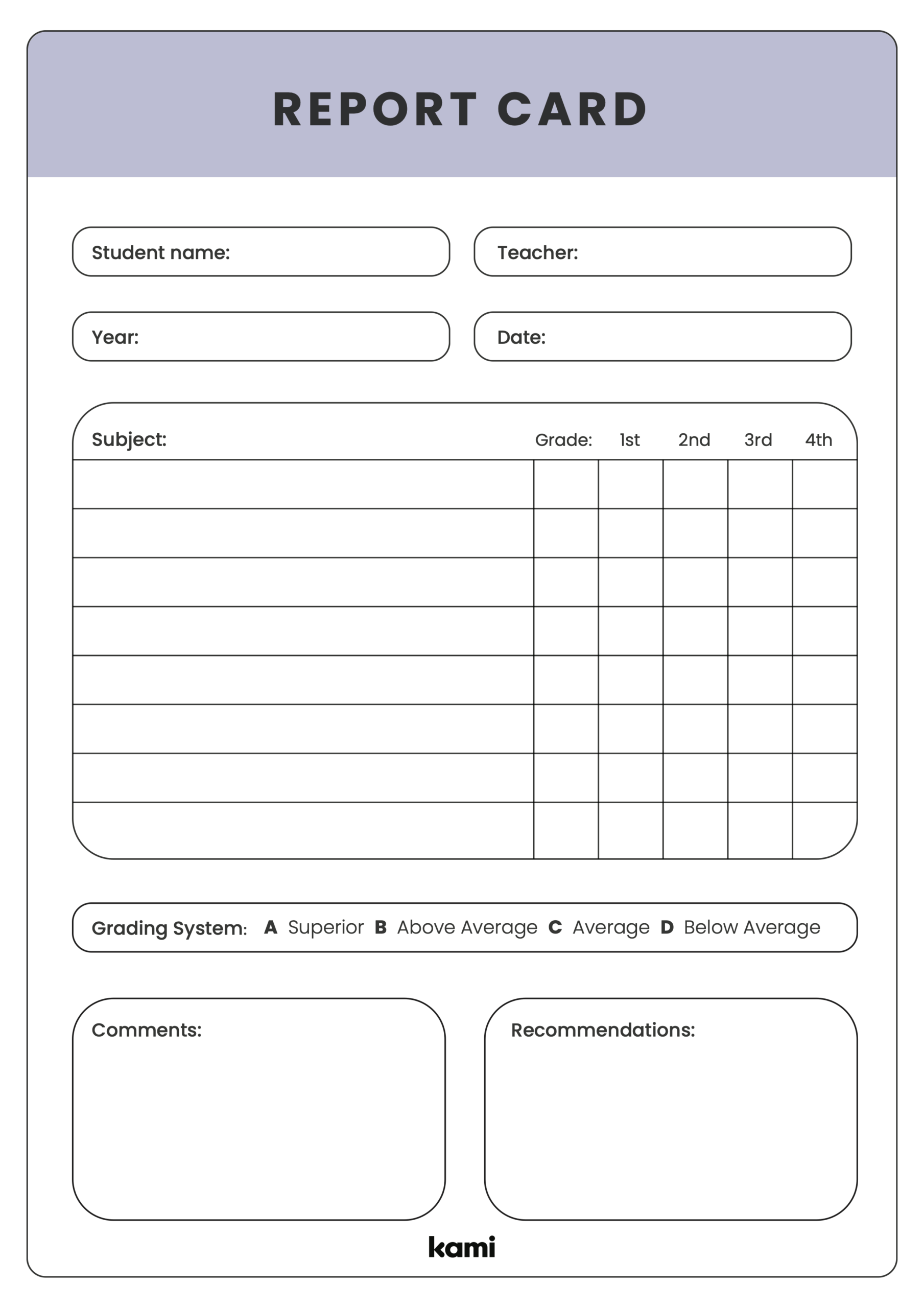
Report cards are documents that provide a comprehensive overview of a student’s academic performance in various subjects, as well as their behavior and work habits. They typically include grades or scores for each subject, along with comments from teachers highlighting the student’s progress, achievements, and areas for growth.
Report cards are usually issued at the end of each grading period, such as a semester or quarter, and are shared with parents, guardians, and the student.
Why Are Report Cards Important?
Report cards play a crucial role in the education system for several reasons:
- Evaluation: Report cards provide teachers with a tool to evaluate students’ progress and understanding of the curriculum.
- Communication: Report cards serve as a means of communication between teachers, parents, and students, fostering a collaborative approach to education.
- Motivation: Report cards can motivate students to set goals, work towards improvement, and take ownership of their learning.
- Accountability: Report cards hold students accountable for their academic performance and challenge them to strive for excellence.
Role of Report Cards in Student Development
Report cards play a crucial role in driving student development and growth. By providing a comprehensive overview of a student’s strengths and weaknesses, report cards facilitate targeted interventions, personalized learning strategies, and academic support initiatives. Moreover, the feedback provided in report cards can help students identify areas for improvement, set realistic goals, and track their progress over time.
Furthermore, report cards serve as a valuable tool for parents and guardians to engage in their child’s education, offering insights into their academic performance, learning style, and areas requiring additional support. By partnering with teachers to interpret and act on the information presented in report cards, parents can actively contribute to their child’s academic success and well-being.
Importance of Feedback in Report Cards
Feedback is a critical component of report cards, providing students with actionable insights to enhance their learning experience. Constructive feedback in report cards not only acknowledges a student’s achievements but also highlights areas for growth and improvement. By offering specific feedback on academic performance, behavior, and work habits, teachers can empower students to take ownership of their learning journey and strive for continuous improvement.
Moreover, feedback in report cards serves as a channel for open communication between teachers, students, and parents. By fostering a culture of feedback and collaboration, report cards pave the way for constructive dialogue, shared goal-setting, and a supportive learning environment that nurtures student success.
Key Elements of a Report Card
A typical report card includes several key elements that provide a comprehensive overview of a student’s academic performance:
Grades and Scores
Grades and scores are central components of a report card, reflecting a student’s performance in each subject or course. These numerical or alphabetical assessments provide a quantitative measure of a student’s understanding, mastery of concepts, and application of skills. Grades and scores serve as indicators of academic progress, helping teachers, parents, and students gauge the student’s proficiency in different subjects.
It is essential for grades and scores to be clear, consistent, and aligned with learning objectives to accurately reflect a student’s academic achievement. Teachers often use rubrics, assessments, and standardized grading criteria to assign grades that are fair, objective, and reflective of the student’s learning outcomes.
Teacher Comments
Teacher comments offer qualitative insights into a student’s performance, behavior, and overall development. These personalized remarks provide context to the grades and scores assigned, offering guidance on areas for improvement, commendation for strengths, and suggestions for further growth. Teacher comments on a report card can highlight a student’s work ethic, engagement in class, collaboration with peers, and adherence to classroom expectations.
Effective teacher comments are specific, constructive, and focused on actionable feedback that empowers students to enhance their learning experience. By providing detailed comments that are meaningful and supportive, teachers can foster a growth mindset, encourage reflection, and motivate students to strive for academic excellence.
Attendance Record
Attendance is a fundamental aspect of academic success, as consistent attendance ensures that students have the opportunity to engage with learning materials, participate in class discussions, and interact with peers. Report cards may include an attendance record that tracks a student’s presence or absence in school during the grading period. Regular attendance is essential for students to stay on track with their studies, complete assignments on time, and benefit from classroom instruction.
Monitoring attendance through report cards allows teachers, parents, and students to address any attendance-related issues promptly and implement strategies to improve attendance. By recognizing the importance of attendance in academic achievement, report cards underscore the significance of consistent school attendance as a key factor in student success.
Behavioral Assessment
Behavioral assessment in report cards evaluates a student’s conduct, attitude, and interactions within the classroom environment. This component provides insights into a student’s behavior, work habits, social skills, and emotional well-being. Behavioral assessment may cover aspects such as participation in class activities, respect for peers and teachers, adherence to school rules, and overall demeanor in the learning environment.
By including a behavioral assessment in report cards, educators aim to promote positive behavior, reinforce values such as responsibility and respect, and support students in developing essential social and emotional skills. The feedback provided in the behavioral assessment section of a report card can guide students in self-regulation, conflict resolution, and building positive relationships with peers and teachers.
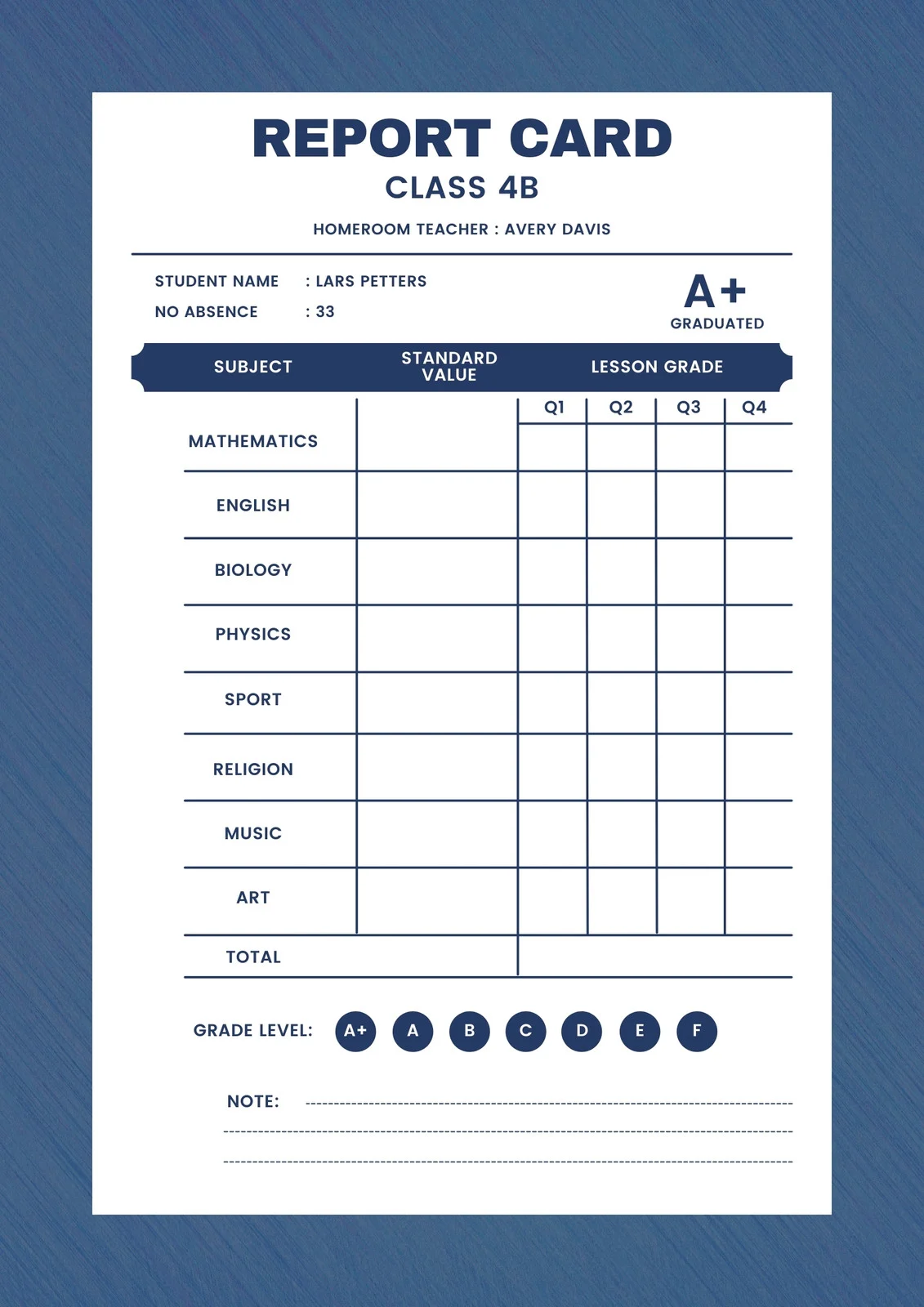
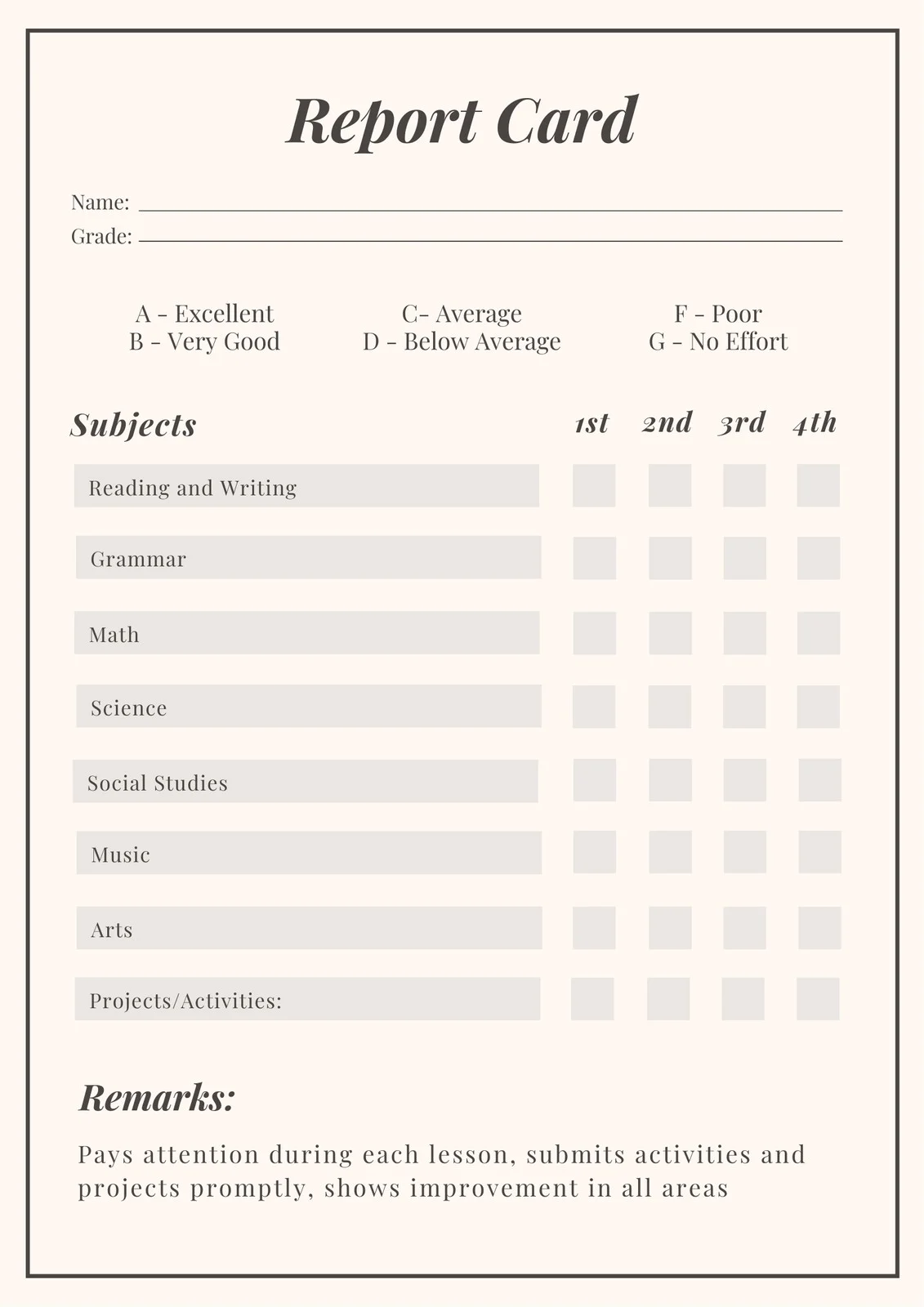
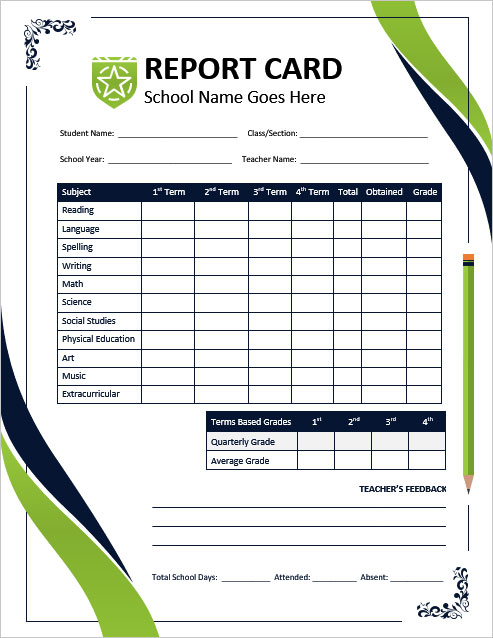
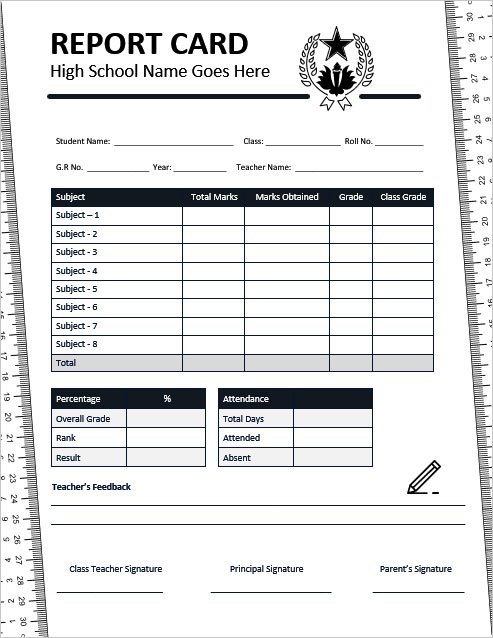
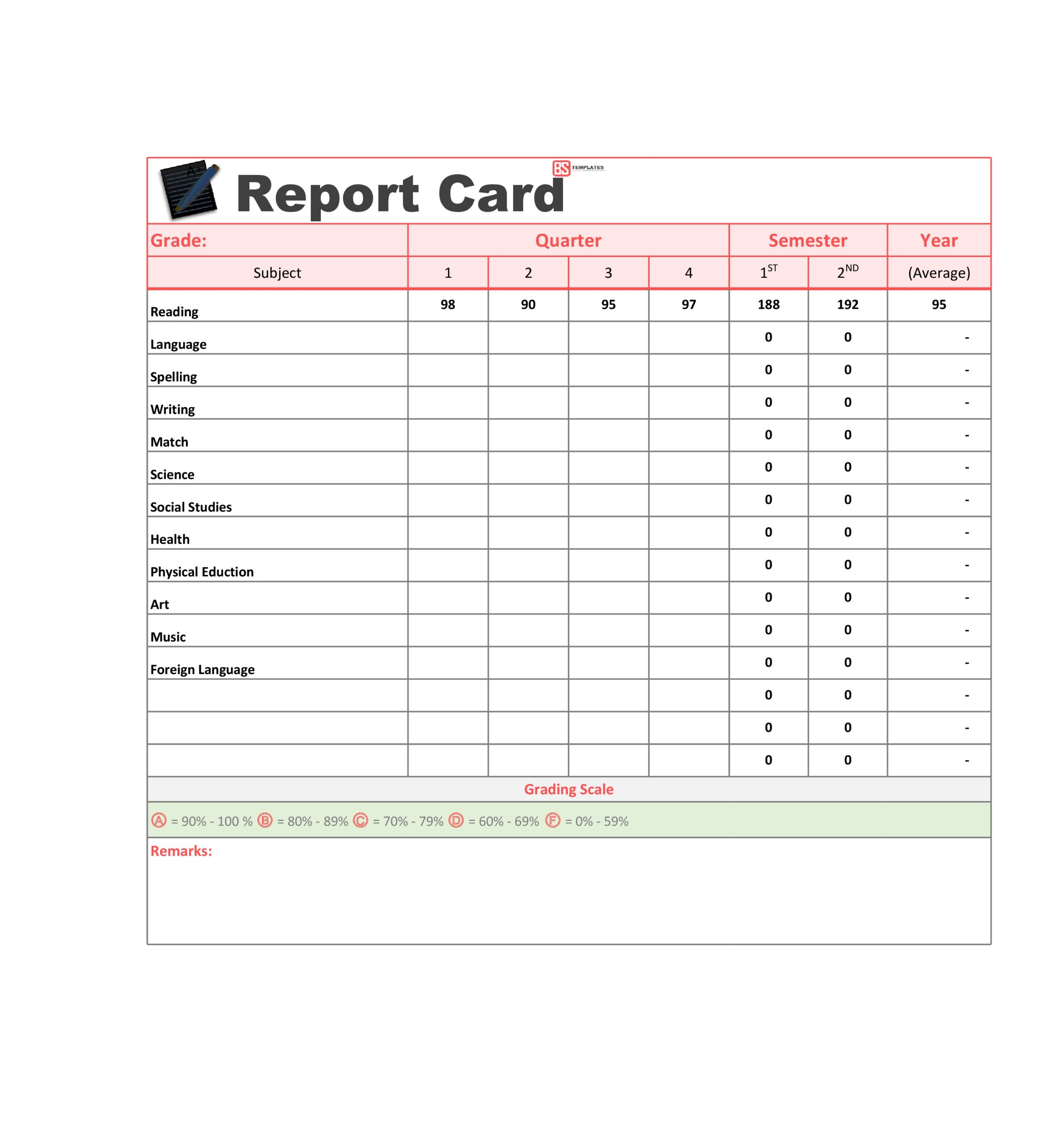
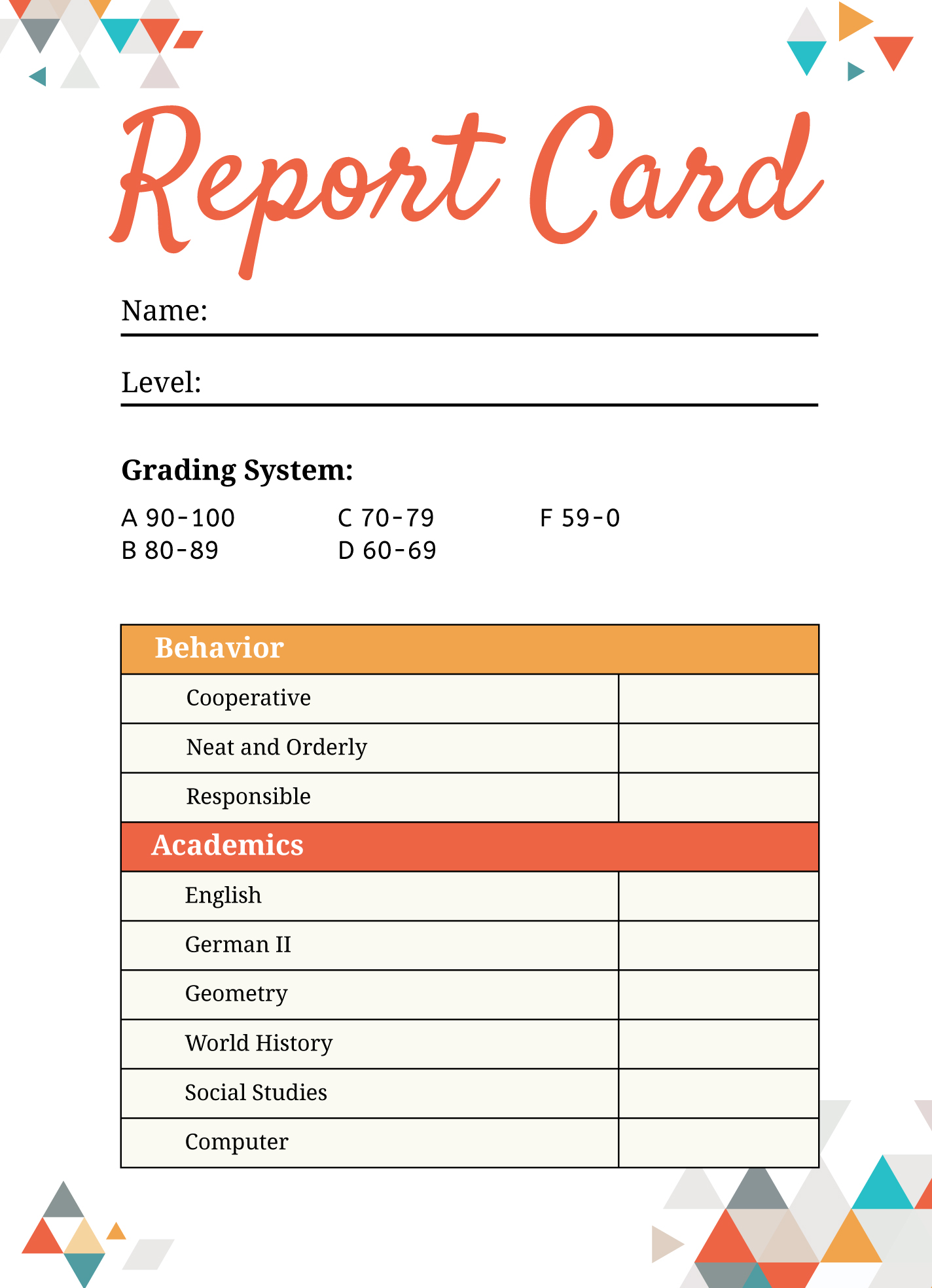
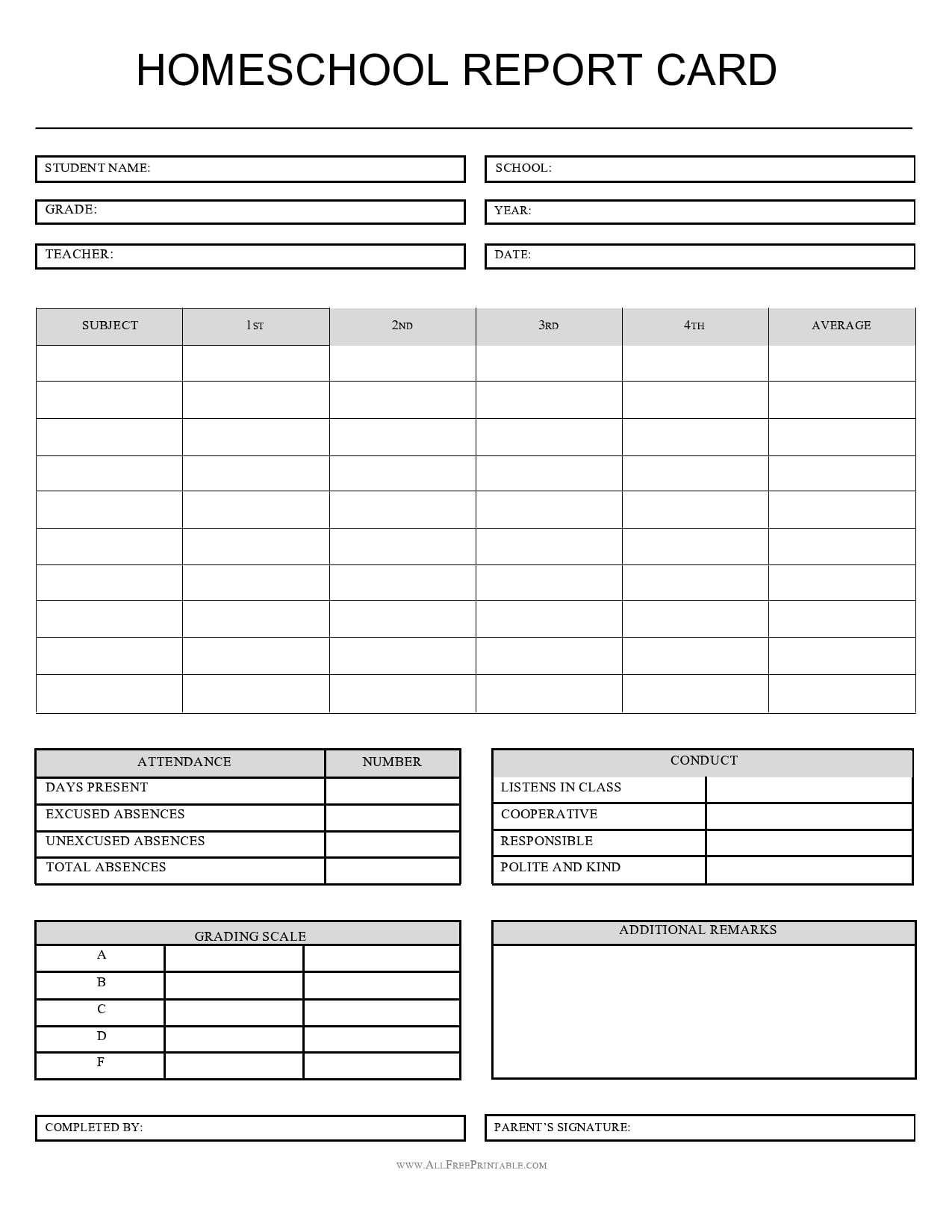
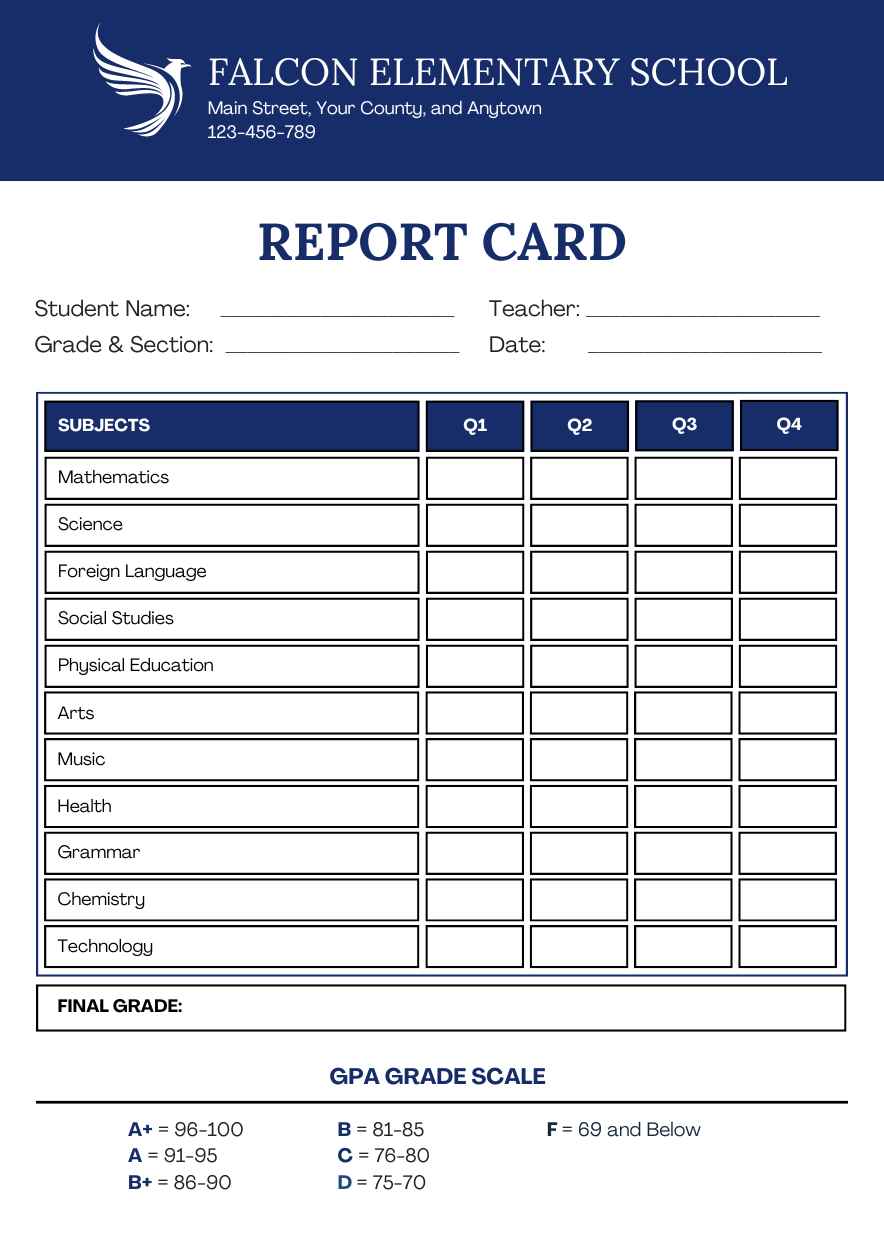
Examples
How to Interpret a Report Card
Interpreting a report card can sometimes be challenging, especially for parents and students. Here are some tips to help make sense of a report card:
Review Each Subject Thoroughly
When reviewing a report card, it’s essential to take the time to thoroughly assess the grades, comments, and feedback provided for each subject. Analyze the strengths and weaknesses in each subject to identify areas where improvement is needed. Look for patterns or trends across subjects to gain a holistic understanding of the student’s academic performance.
Understand the Grading Scale
Familiarize yourself with the grading scale used by the school to assign grades or scores. Different schools may use varying grading systems, such as letter grades, numerical scores, or proficiency levels. Understanding how grades are calculated and what each grade represents can help you interpret the report card accurately.
Focus on Teacher Comments
Pay close attention to the comments provided by teachers, as they offer valuable insights into the student’s progress, achievements, and areas for improvement. Teacher comments can provide context to the grades assigned and offer specific recommendations for academic growth. Use the feedback from teachers to guide discussions with the student and set goals for improvement.
Set Goals Based on Feedback
Use the information from the report card to set specific goals for the student’s academic improvement. Focus on areas where the student may be struggling or needing additional support and work collaboratively with teachers to develop a plan for addressing those areas. Setting realistic and achievable goals based on the feedback from the report card can motivate the student to strive for success.
Communicate with Teachers
If you have questions or concerns about the report card, don’t hesitate to reach out to the student’s teachers for clarification and support. Schedule a meeting or communicate via email to discuss the contents of the report card, seek additional information, and collaborate on strategies to help the student succeed. Building a strong partnership with teachers can enhance the student’s academic journey and ensure that they receive the necessary support.
Tips for Using Report Cards Effectively
Here are some tips for parents, guardians, and students to make the most of report cards:
Review Report Cards Promptly
Don’t wait to review the report card; instead, make it a priority to go through the document promptly after receiving it. Timely feedback allows for immediate intervention in areas needing improvement and enables you to celebrate achievements promptly. By reviewing the report card promptly, you can address any concerns or questions quickly and work towards academic growth.
Discuss the Report Card Together
Use the report card as a starting point for a discussion with the student about their academic performance and goals. Sit down together to review the report card, discuss the grades, comments, and feedback provided, and identify areas for improvement. Encourage the student to share their thoughts, concerns, and goals for the upcoming grading period, fostering a sense of ownership and responsibility for their learning.
Set Realistic Expectations
Encourage the student to set realistic goals based on the information provided in the report card. Work together to establish achievable targets for improvement in specific subjects or areas of development. Setting realistic expectations helps the student focus on incremental progress, celebrate small victories, and stay motivated to continue working towards their academic goals.
Celebrate Achievements
Acknowledge and celebrate the student’s achievements, regardless of their magnitude. Recognize their hard work, dedication, and progress in different subjects or areas highlighted in the report card. Celebrating achievements boosts the student’s confidence, motivation, and sense of accomplishment, reinforcing positive behaviors and encouraging continued effort towards academic success.
In Conclusion
Report cards serve as essential tools for assessing student progress, communicating academic performance, and fostering collaboration between teachers, parents, and students. By leveraging the information provided in report cards, stakeholders can work together to support the student’s academic journey, address areas for improvement, and celebrate achievements. Effective interpretation of report cards, goal-setting based on feedback, and open communication with teachers are key strategies for using report cards effectively to enhance student learning and growth.
Report Card Template – Free Download
