What Is a Request for Quote (RFQ)?
A Request for Quote (RFQ) is a formal document used by businesses to solicit pricing information from potential suppliers for specific goods or services. It serves as a tool to initiate the procurement process and gather competitive quotes for comparison.
The primary purpose of an RFQ is to enable businesses to obtain pricing information from multiple vendors in a structured and transparent manner. By sending out an RFQ, businesses can ensure a fair and competitive bidding process, ultimately leading to cost savings and quality assurance.
How a Request for Quote (RFQ) Works
The RFQ process begins when a business identifies the need for a specific product or service and decides to solicit quotes from potential suppliers. This initial step involves defining the requirements, setting evaluation criteria, and preparing the RFQ document for distribution.
RFQ vs RFP
While both RFQs and Requests for Proposal (RFPs) are used in the procurement process, they serve different purposes and are suited for distinct scenarios. Understanding the differences between RFQs and RFPs is crucial for businesses to choose the right approach for their procurement needs.
An RFQ is primarily focused on obtaining pricing information and specifications from suppliers for a specific product or service. It is used when the business knows exactly what they want and is looking for competitive pricing without the need for detailed proposals.
In contrast, an RFP is used when a business is open to different solutions and requires suppliers to submit detailed proposals on how they can meet the business’s needs. RFPs are broader in scope and often involve more complex evaluation criteria beyond just price.
When deciding whether to use an RFQ or an RFP, businesses should consider factors such as the level of detail required, the complexity of the products or services being procured, the budget constraints, and the desired level of supplier engagement. Each approach has its strengths and is suited for different procurement scenarios.
In some cases, businesses may choose to combine elements of both RFQs and RFPs in their procurement processes to leverage the advantages of each approach. This hybrid approach allows businesses to gather pricing information through an RFQ while also inviting detailed proposals through an RFP for more complex requirements.
Why Should You Use an RFQ?
Transparency in Procurement
One of the primary reasons to use an RFQ in the procurement process is to ensure transparency and fairness in supplier selection. By providing all vendors with the same information and evaluation criteria, businesses can promote a competitive bidding process that leads to better pricing and quality outcomes.
Cost Savings and Budget Optimization
RFQs enable businesses to compare quotes from multiple suppliers and negotiate the best possible prices for goods and services. This competitive pricing environment allows businesses to optimize their budgets, reduce costs, and achieve greater value for their procurement investments.
Quality Assurance and Compliance
By specifying quality requirements and evaluating supplier capabilities through an RFQ process, businesses can ensure that they partner with suppliers who meet their quality standards and compliance requirements. This focus on quality assurance helps mitigate risks and enhances the overall supply chain efficiency.
Efficiency and Time Savings
The structured nature of the RFQ process streamlines the procurement cycle, saving time and increasing efficiency for both businesses and suppliers. Clear requirements, standardized evaluation criteria, and defined timelines help expedite the decision-making process and drive better outcomes.
Competitive Supplier Engagement
RFQs encourage healthy competition among suppliers vying for the business, leading to improved offerings, better pricing, and enhanced service levels. This competitive environment fosters innovation, fosters strong supplier relationships, and drives continuous improvement in product and service offerings.
Risk Mitigation and Supplier Diversity
Through the RFQ process, businesses can assess supplier capabilities, performance histories, and risk profiles to minimize potential risks in the supply chain. Additionally, RFQs allow businesses to engage with a diverse pool of suppliers, promoting inclusion and fostering innovation in the procurement ecosystem.
Data-Driven Decision-Making
RFQs provide businesses with valuable pricing data, supplier performance metrics, and market insights that can inform strategic decision-making. By analyzing RFQ responses and supplier feedback, businesses can make informed choices that align with their procurement objectives and overall business strategy.
Case Study: RFQ Success Story
A construction company implemented an RFQ process to source materials for a large-scale project. By leveraging RFQs to compare prices, quality, and delivery schedules, they were able to secure competitive bids from suppliers, optimize their budget, and complete the project within the specified timeline. The RFQ process contributed to the project’s success and profitability.
Sustainability and Social Responsibility
RFQs can also be used to promote sustainability and social responsibility in procurement decisions. By including environmental, social, and governance (ESG) criteria in the RFQ process, businesses can support sustainable practices, ethical sourcing, and community engagement initiatives that align with their values and corporate responsibility goals.
Continuous Improvement and Supplier Relationships
RFQs provide a platform for ongoing dialogue with suppliers, feedback exchange, and collaboration on process improvements. By engaging with suppliers through the RFQ process, businesses can build strong relationships, drive innovation, and work together towards mutual success and long-term partnership.
Examples


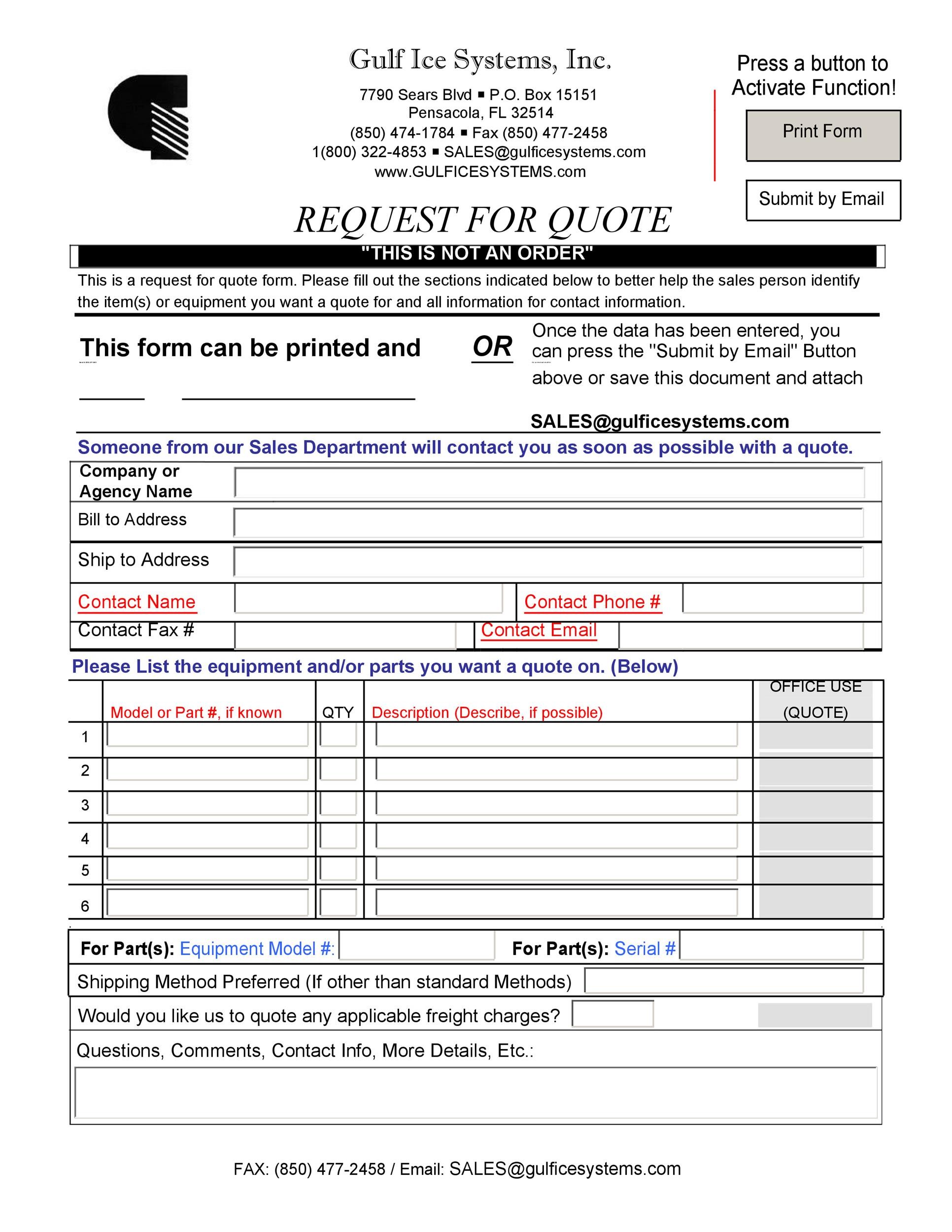

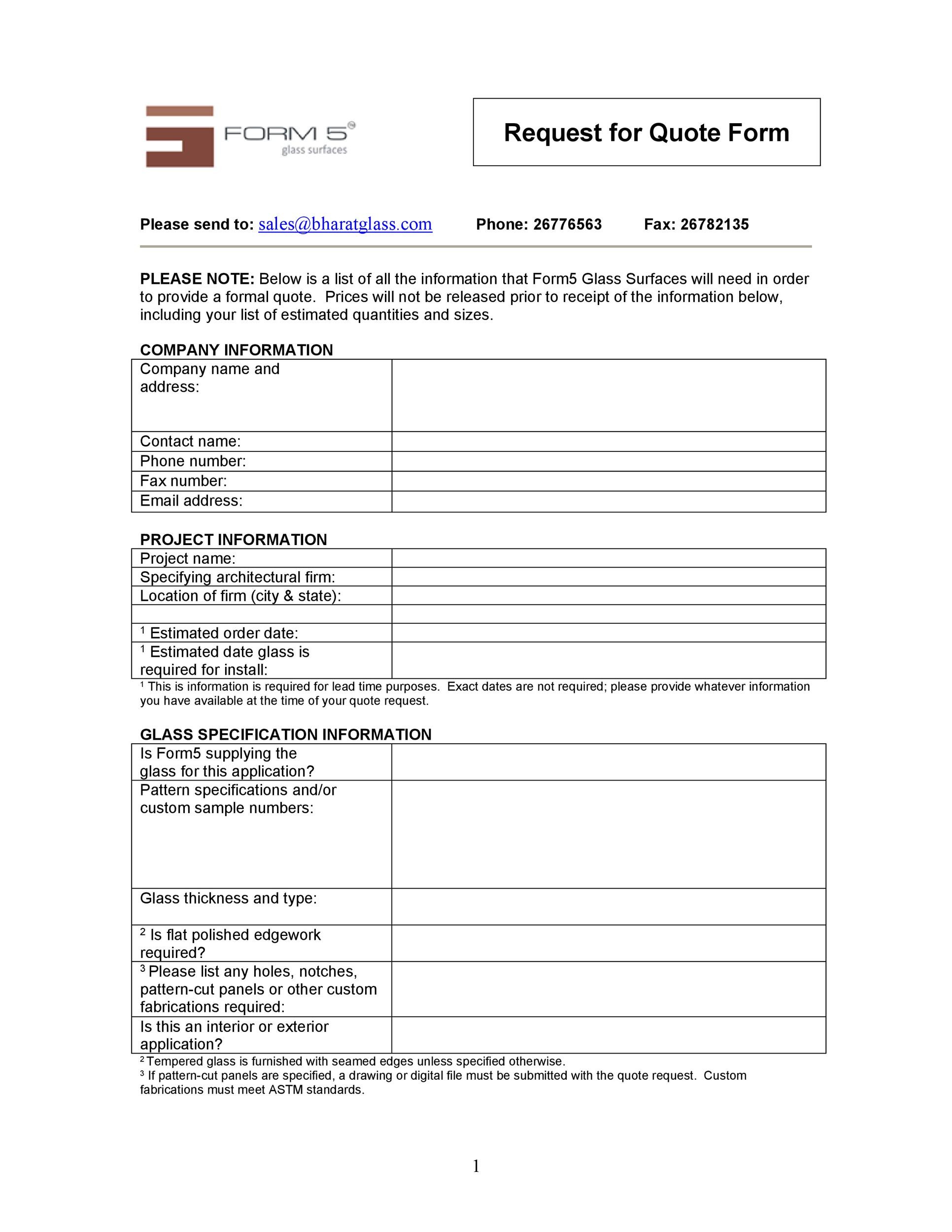
How to Write a Request for a Quotation
Defining Clear Requirements
When writing an RFQ, it is essential to define clear and specific requirements for the products or services you need. Include details such as product specifications, quantity, quality standards, delivery timelines, and any other relevant information that suppliers need to provide accurate quotes.
Setting Transparent Evaluation Criteria
Specify the criteria you will use to evaluate supplier quotes, such as price, quality, delivery time, past performance, and any other factors that are important to your business. Transparent evaluation criteria help suppliers understand your expectations and submit relevant quotes.
Establishing a Realistic Timeline
Set a realistic timeline for suppliers to review the RFQ, ask questions, and submit their quotes. Consider factors such as lead time, production schedules, and decision-making processes to ensure that the timeline aligns with your procurement needs and allows suppliers ample time to respond.
Including Terms and Conditions
Outline the terms and conditions that suppliers must adhere to when submitting their quotes. This may include payment terms, warranties, quality standards, delivery schedules, contract durations, and any other specific requirements that are essential for your business’s procurement process.
Providing Contact Information for Clarification
Include contact information for the person or team responsible for managing the RFQ process. This allows suppliers to reach out with any questions, seek clarification on requirements, or request additional information to ensure they can submit accurate and compliant quotes.
Encouraging Supplier Engagement
Encourage supplier engagement by fostering open communication, responding promptly to inquiries, and maintaining a professional and collaborative relationship throughout the RFQ process. Engaged suppliers are more likely to provide competitive quotes and offer value-added solutions that meet your business needs.
Utilizing RFQ Templates
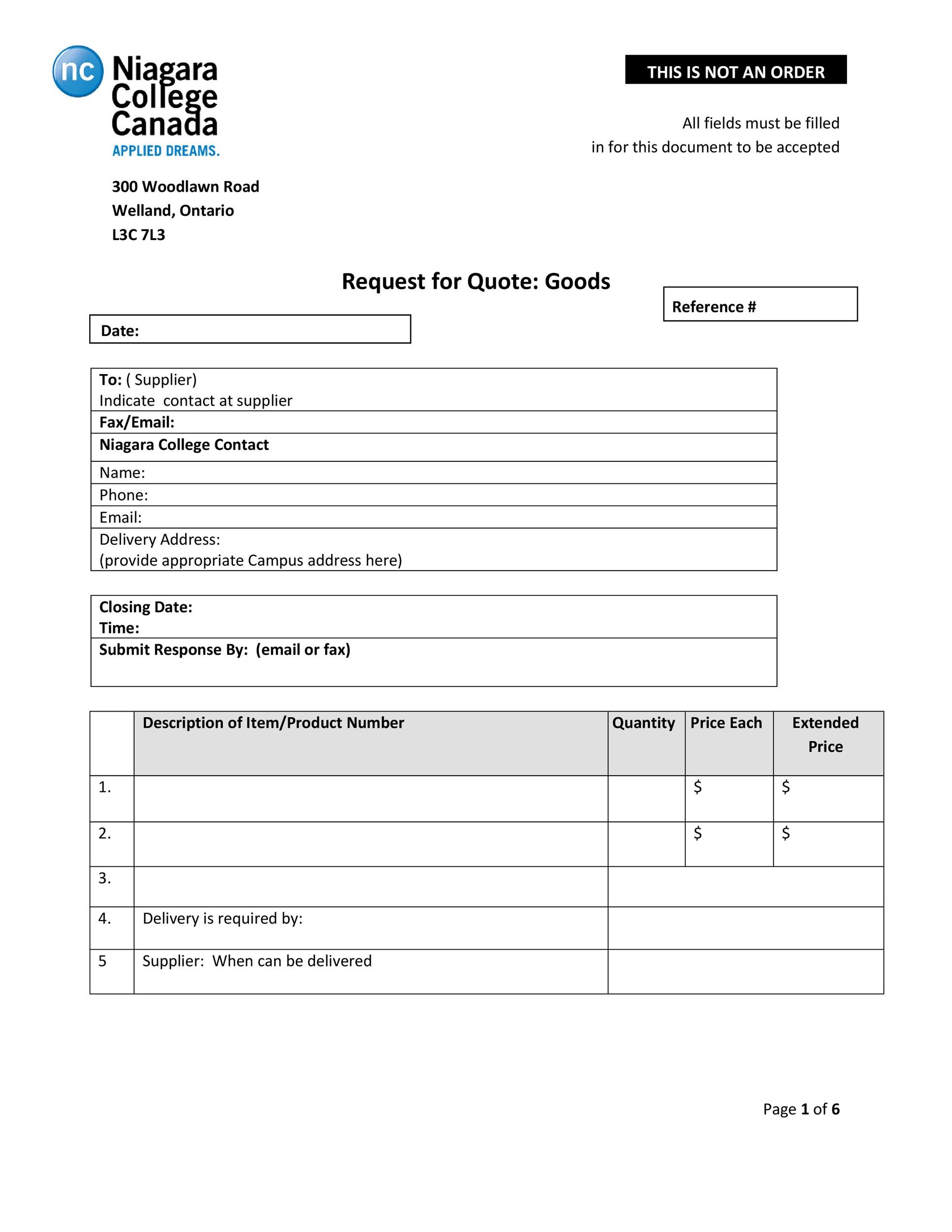
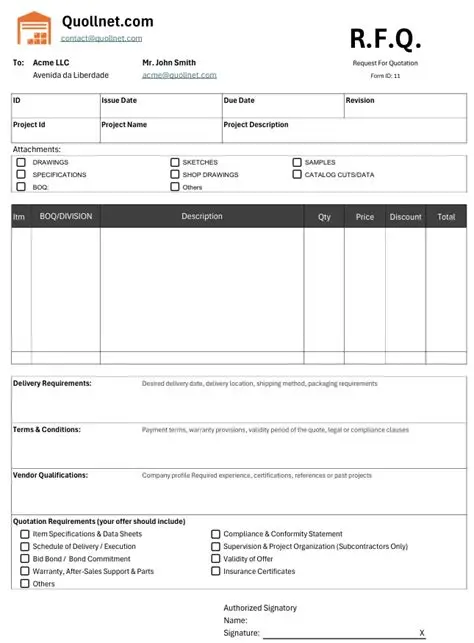
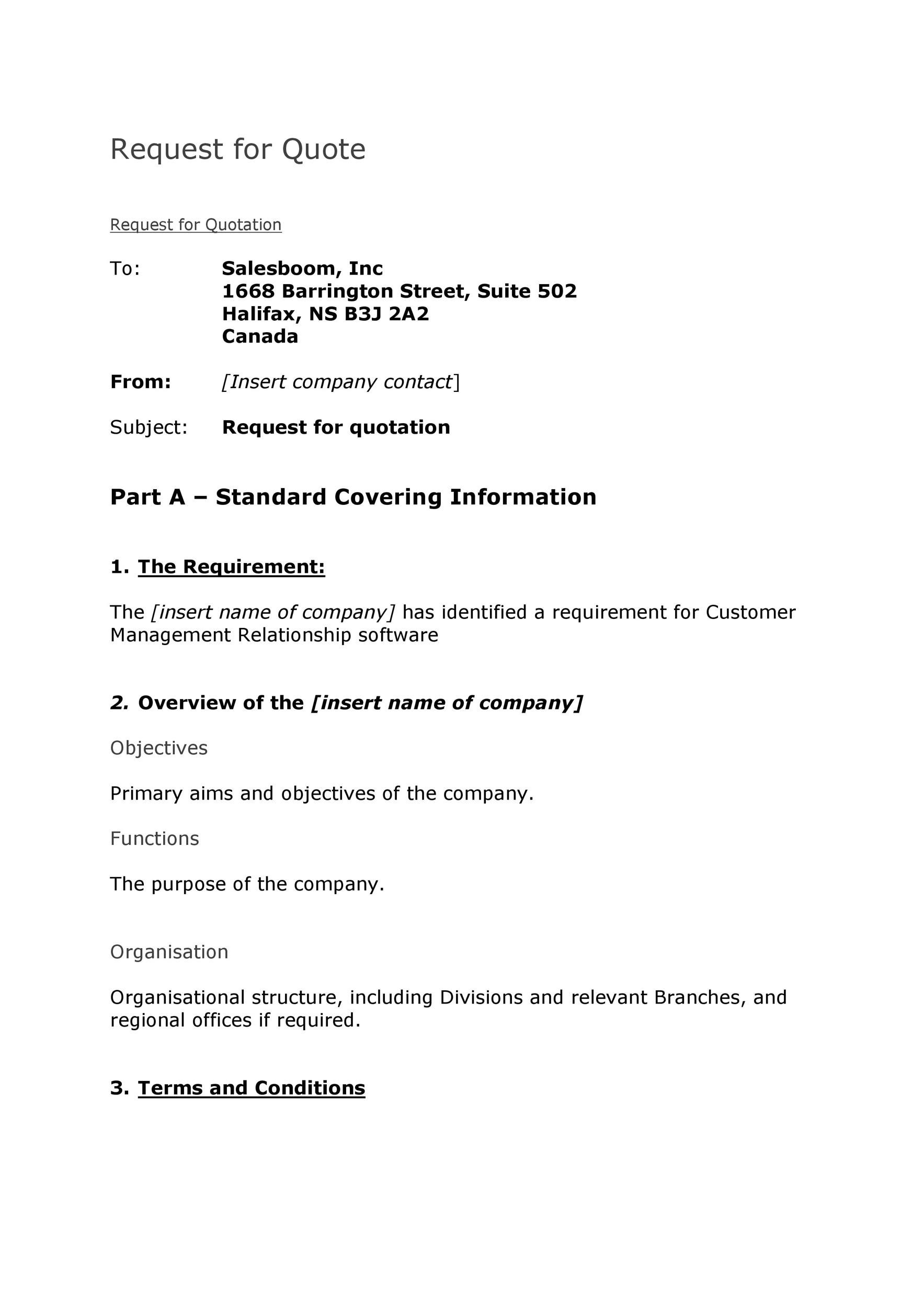
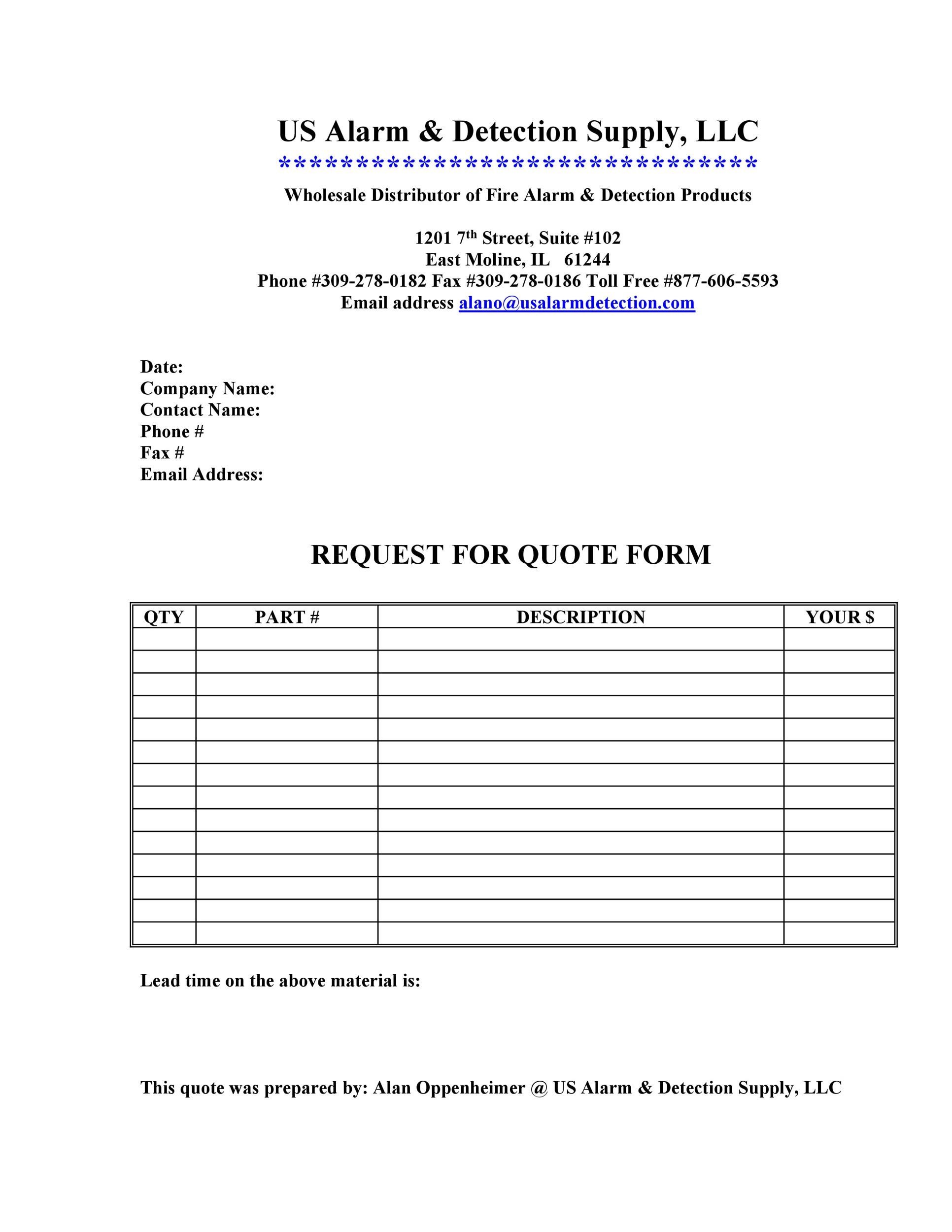
Consider using RFQ templates or standardized formats to streamline the document creation process and ensure consistency in your RFQs. Templates can help save time, reduce errors, and provide a professional framework for communicating your requirements to suppliers effectively.
Seeking Competitive Quotes
Send the RFQ to a diverse range of suppliers to maximize competition and obtain competitive quotes. By engaging with multiple vendors, you increase the chances of securing favorable pricing, quality offerings, and innovative solutions that align with your business objectives.
Collaborating with Procurement Professionals
Collaborate with procurement professionals or sourcing experts within your organization to ensure that the RFQ aligns with your strategic sourcing goals, complies with procurement policies, and maximizes value for your business. Leveraging internal expertise can enhance the effectiveness of your RFQ process.
Documenting the RFQ Process
Document the entire RFQ process, including the creation of the RFQ document, supplier communications, quote evaluations, supplier selections, and contract finalization. Keeping detailed records of the RFQ process can help with future audits, performance reviews, and continuous improvement initiatives.
Conclusion
In conclusion, Request for Quote (RFQ) processes play a pivotal role in modern procurement practices, enabling businesses to source goods and services efficiently, competitively, and ethically. By implementing best practices, embracing innovation, fostering collaboration, and prioritizing sustainability, businesses can optimize their RFQ processes to drive cost savings, enhance supplier relationships, and achieve strategic objectives.
As businesses navigate evolving market dynamics, technological advancements, and global challenges, leveraging RFQ processes as a strategic tool can help unlock new opportunities, drive operational excellence, and propel sustainable growth in the ever-changing business landscape.
Request for Quote Template – Download
