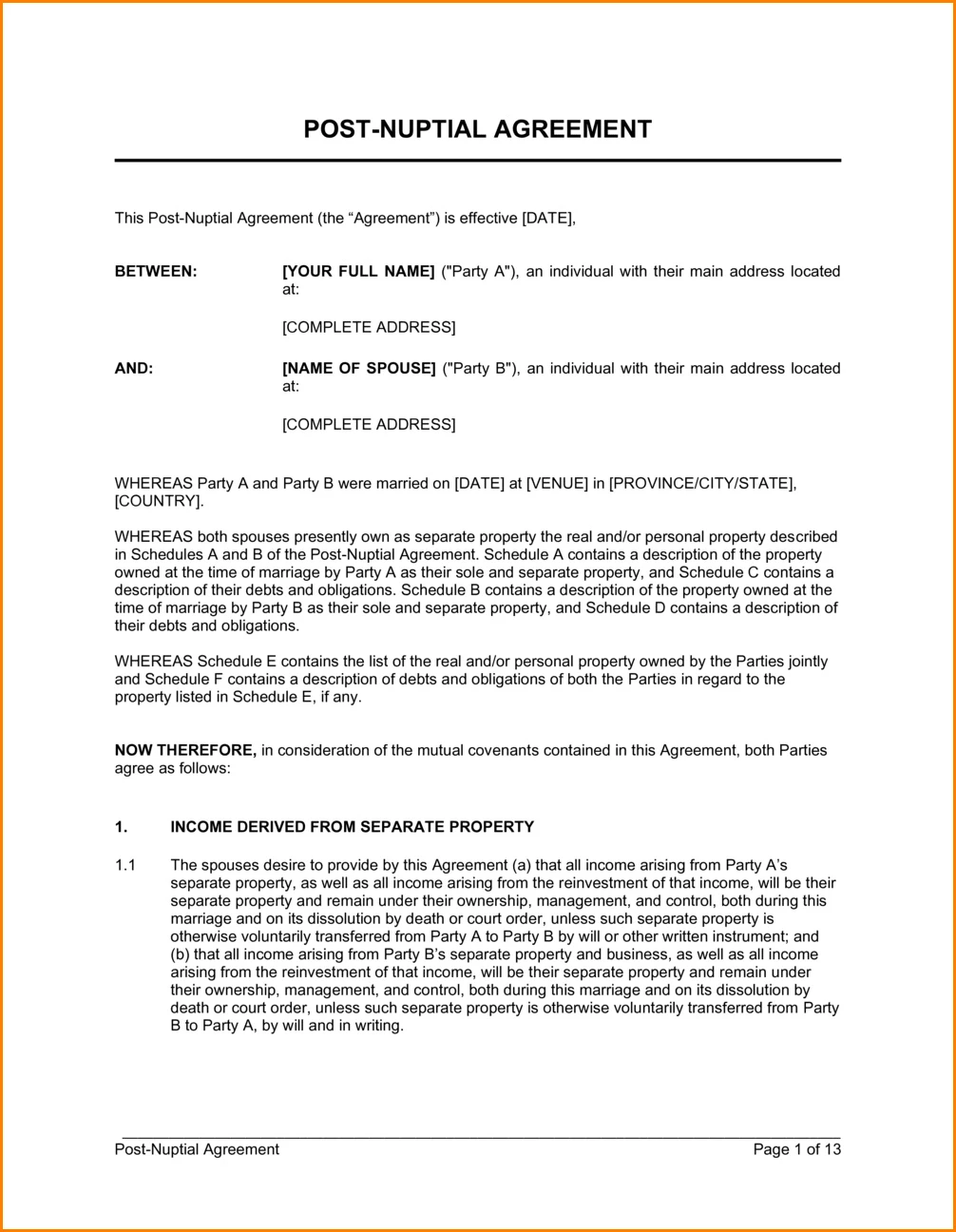
Marriage is a beautiful union between two individuals, but it also involves intertwining assets, debts, and financial matters. While no one likes to think about the possibility of divorce or separation, it is essential to be prepared for any unexpected turns that life may take. This is where postnuptial agreements come into play.
What Is a Postnuptial Agreement and How Does It Work?
A postnuptial agreement is a legal contract between a married couple that outlines how they will handle their assets, debts, and other financial matters in the event of divorce or separation. It is essentially a prenup created after the marriage has taken place.
The primary purpose of a postnuptial agreement is to provide clarity and certainty regarding financial matters should the marriage end, potentially avoiding future disputes and legal battles.
Reasons You Should Get a Postnuptial Agreement
There are several reasons why couples may choose to enter into a postnuptial agreement:
- Protection of Assets: A postnuptial agreement can protect individual assets acquired before the marriage.
- Debt Management: It can outline how debts will be divided in the event of a divorce.
- Clarity and Certainty: Provides clarity on financial matters and can help avoid potential conflicts in the future.
- Business Interests: If one or both spouses own a business, a postnuptial agreement can protect those interests.
- Change in Circumstances: Significant changes in circumstances, such as the birth of children or a significant increase in wealth, may prompt the need for a postnuptial agreement.
- Peace of Mind: Knowing that financial matters are taken care of can provide peace of mind for both spouses.
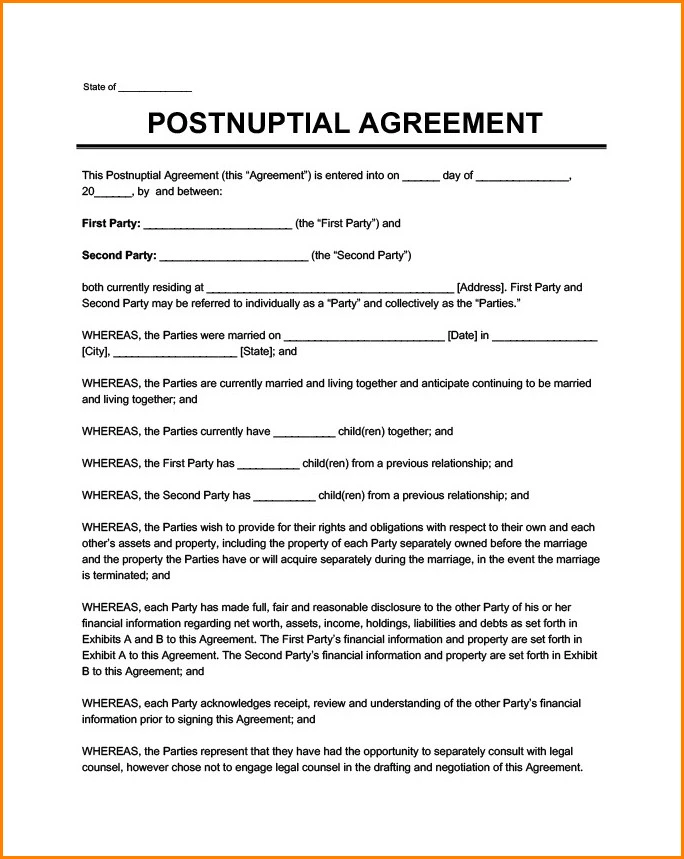
The Difference Between Prenuptial and Postnuptial Agreements
While prenuptial agreements are signed before marriage, postnuptial agreements are signed after marriage. Both agreements serve a similar purpose in terms of outlining financial matters in case of divorce, but the timing of when they are established is the key difference between the two. Postnuptial agreements can be beneficial for couples who did not sign a prenup before getting married or for those whose circumstances have changed since getting married.
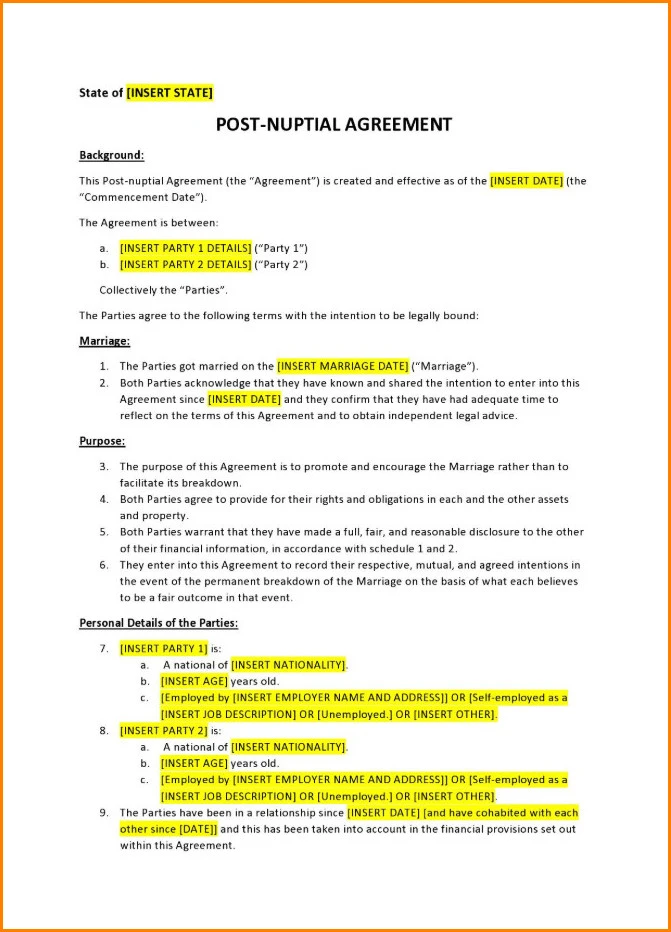
When Is the Postnuptial Agreement Applicable?
Postnuptial agreements can be applicable in various situations, such as:
- Change in Financial Status: If one or both spouses experience a significant change in financial status, a postnuptial agreement can help clarify how assets and debts will be divided.
- Infidelity or Trust Issues: Addressing issues of infidelity or trust by outlining financial consequences in a postnuptial agreement can provide a sense of security for both parties.
- Protecting Inheritance: If one spouse wants to protect inheritance for children from a previous relationship, a postnuptial agreement can help achieve this goal.
What Can You Include in the Postnuptial Agreement?
A postnuptial agreement can cover a wide range of financial matters, including:
- Division of Assets: How assets such as property, savings, and investments will be divided in case of divorce.
- Alimony: Whether one spouse will pay alimony to the other and under what circumstances.
- Debt Allocation: How debts acquired during the marriage will be divided between the spouses.
- Business Interests: Protection of business interests and how they will be handled in the event of divorce.
- Inheritance Rights: Ensuring that inheritance rights are protected for children from previous relationships.
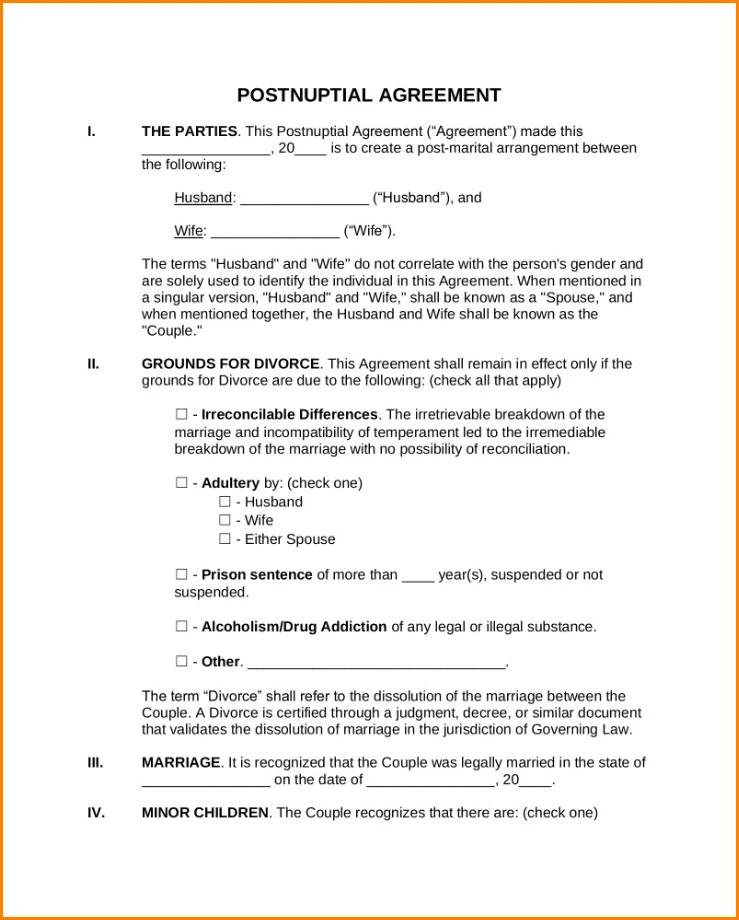
Overall, a postnuptial agreement can provide a sense of security and clarity for couples when it comes to handling financial matters in the event of divorce or separation. It is a proactive step that can help prevent future disputes and legal battles, allowing both parties to move forward with peace of mind.
Postnuptial Agreement Template – Word
