
In today’s fast-paced world, managing our time effectively is crucial for reducing stress and staying organized. One powerful tool that can help us achieve this is a weekly calendar. A weekly calendar gives us a clear, 7-day view of our schedule, allowing us to track priorities, plan ahead, and make the most of our time. In this article, we will explore the benefits of using a weekly calendar, key elements to include in your schedule, and practical tips for maximizing its effectiveness.
What is a Weekly Calendar?
A weekly calendar is a visual representation of your schedule for the upcoming week. It typically shows each day of the week in a horizontal layout, allowing you to see your appointments, tasks, and commitments at a glance. With a weekly calendar, you can plan your week ahead of time, set goals, and allocate time for important activities.
Why Use a Weekly Calendar?
Using a weekly calendar offers several benefits for improving time management and reducing stress. Some of the key advantages include:
- Organization: A weekly calendar helps you stay organized by providing a clear overview of your schedule.
- Prioritization: By mapping out your week in advance, you can prioritize tasks and focus on what’s most important.
- Time Management: With a weekly calendar, you can allocate time for specific activities, ensuring that you make the most of each day.
- Stress Reduction: By having a structured plan in place, you can reduce feelings of overwhelm and anxiety.
Key Elements of a Weekly Calendar
When creating a weekly calendar, there are several key elements to consider to make it as effective as possible. These elements include:
- Day and Date: Clearly label each day of the week with the corresponding date to provide context.
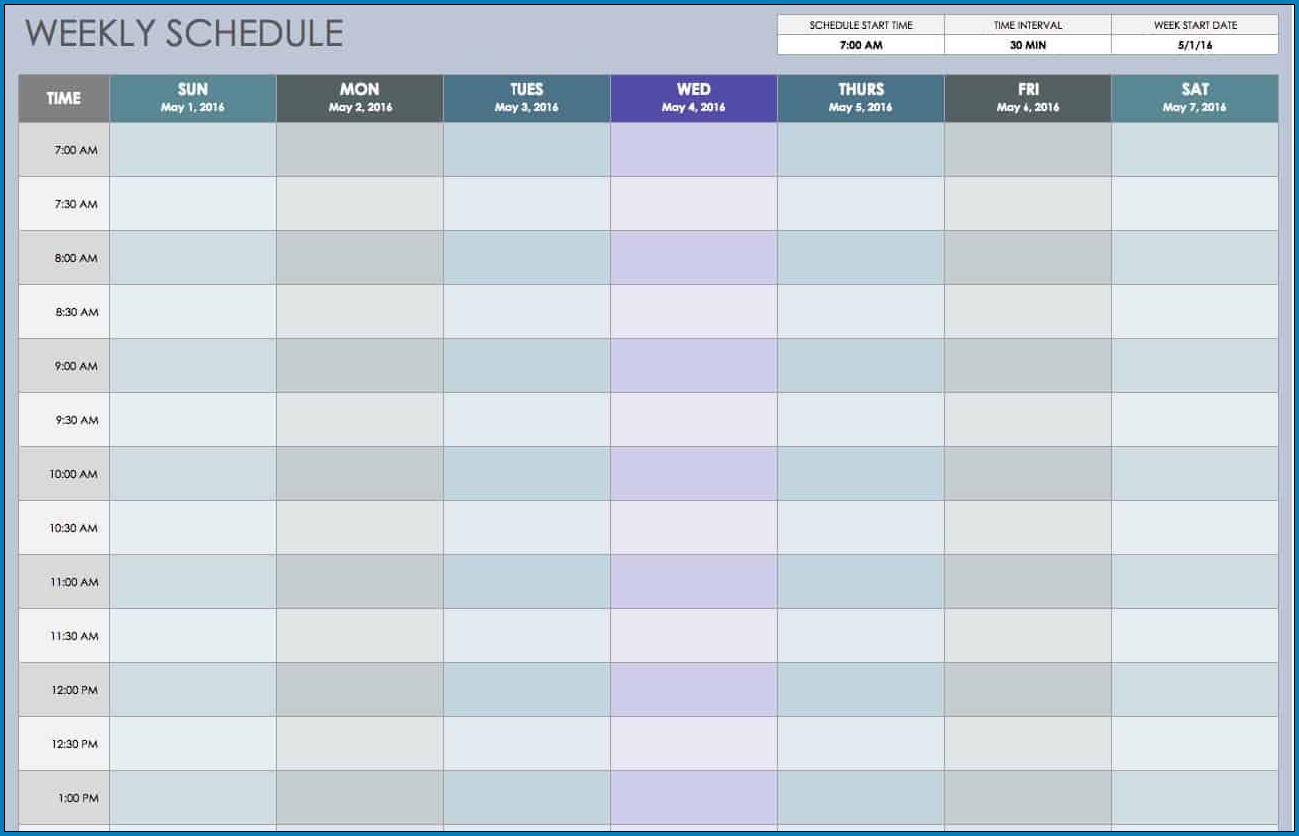
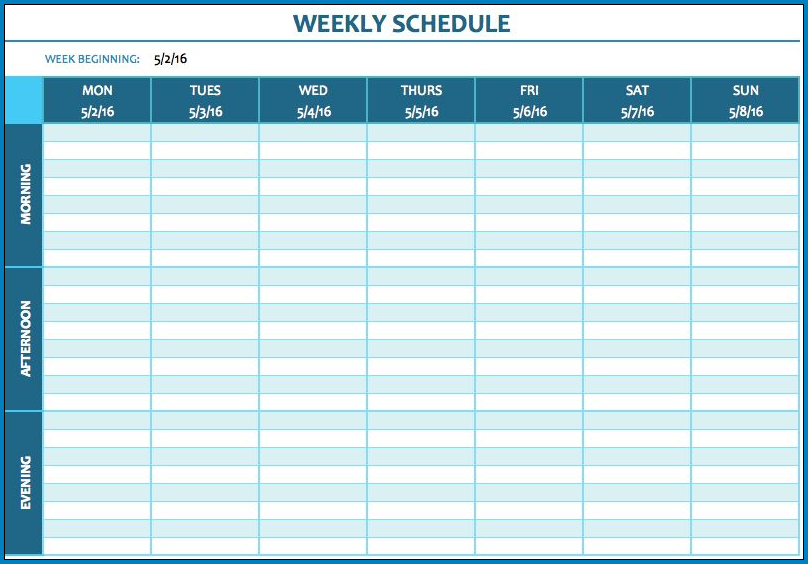
- Time Slots: Divide each day into time slots to allocate specific blocks of time for activities.
- Appointments and Events: Include any scheduled appointments, meetings, or events to ensure you don’t double-book yourself.
- Tasks and To-Dos: List out tasks and to-dos for each day, prioritizing them based on importance and urgency.
- Goals and Objectives: Set weekly goals and objectives to work towards, breaking them down into actionable steps.
Samples of Weekly Calendar Template:


How to Use a Weekly Calendar Effectively
To make the most of your weekly calendar, follow these tips for effective time management and stress reduction:
- Plan Ahead: Take some time at the beginning of each week to plan out your schedule and set goals.
- Allocate Time Wisely: Be realistic about how long tasks will take and allocate sufficient time for each activity.
- Prioritize Tasks: Focus on completing high-priority tasks first before moving on to less urgent ones.
- Review and Adjust: Regularly review your weekly calendar and make adjustments as needed to stay on track.
- Use Color Coding: Assign different colors to different categories of activities to visually separate them on the calendar.
- Include Breaks: Schedule short breaks throughout the day to rest and recharge, improving productivity.
- Celebrate Wins: Acknowledge and celebrate your accomplishments at the end of each week to stay motivated.
Conclusion
In conclusion, using a weekly calendar is a valuable tool for managing your time effectively, tracking priorities, and reducing stress. By incorporating key elements such as day and date, time slots, appointments, tasks, and goals, you can create a structured plan to make the most of each week. By following practical tips for using a weekly calendar effectively, you can enhance your productivity, achieve your goals, and maintain a healthy work-life balance. Start using a weekly calendar today and experience the benefits of better time management and stress reduction.
Weekly Calendar Template Excel – download
