A real estate sale agreement is one of the most critical documents involved in buying or selling property. Whether the transaction concerns a residential home, commercial building, condominium, or vacant land, this agreement serves as the legal foundation that defines every important detail of the sale. It protects both the buyer and the seller by clearly outlining the purchase price, financing arrangements, inspection requirements, contingencies, deadlines, and responsibilities of each party involved in the transaction.
In the modern property market, verbal promises and informal negotiations are not enough to guarantee a secure transaction. Real estate deals often involve significant financial investments and legal obligations, making it essential for all terms to be documented in writing. A carefully drafted real estate sale agreement creates transparency, reduces misunderstandings, and helps prevent disputes that may arise during the transfer of ownership. Understanding how this agreement works can help buyers and sellers navigate the process with greater confidence and legal protection.
What Is a Real Estate Sale Agreement?
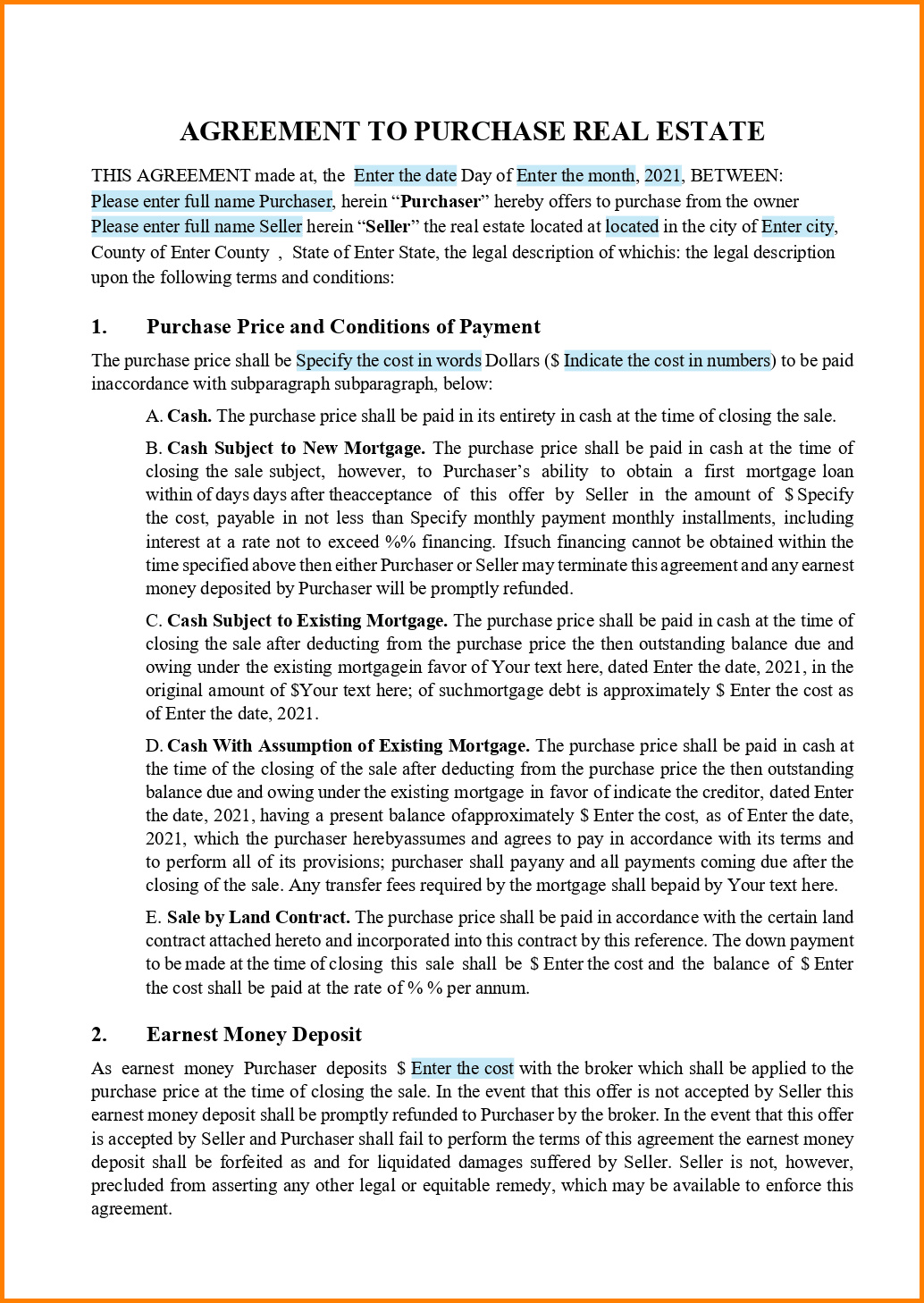
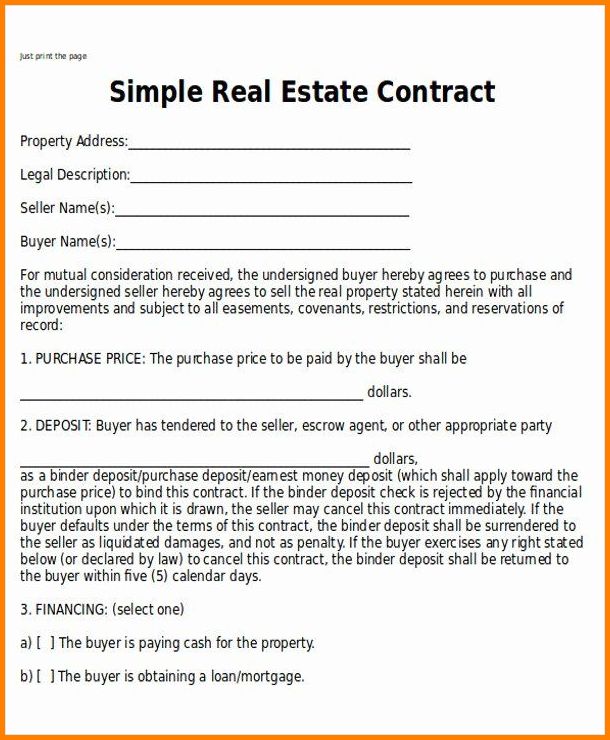
A real estate sale agreement is a legally binding contract between a buyer and a seller that establishes the terms and conditions for the transfer of property ownership. Once both parties sign the agreement, it becomes an enforceable legal document that governs the entire transaction from the accepted offer to the final closing process.
This agreement contains detailed information regarding the property being sold, the agreed purchase price, financing terms, earnest money deposit, inspection rights, contingencies, and closing deadlines. It also outlines the obligations and legal rights of both parties, ensuring that everyone involved clearly understands their responsibilities before the transaction is completed.
The primary purpose of a real estate sale agreement is to provide structure and legal clarity. Real estate transactions can become complicated due to financing issues, property inspections, title problems, and changing market conditions. Without a written contract, disagreements can quickly develop regarding what was promised, what conditions apply, and who is responsible for certain costs or repairs.
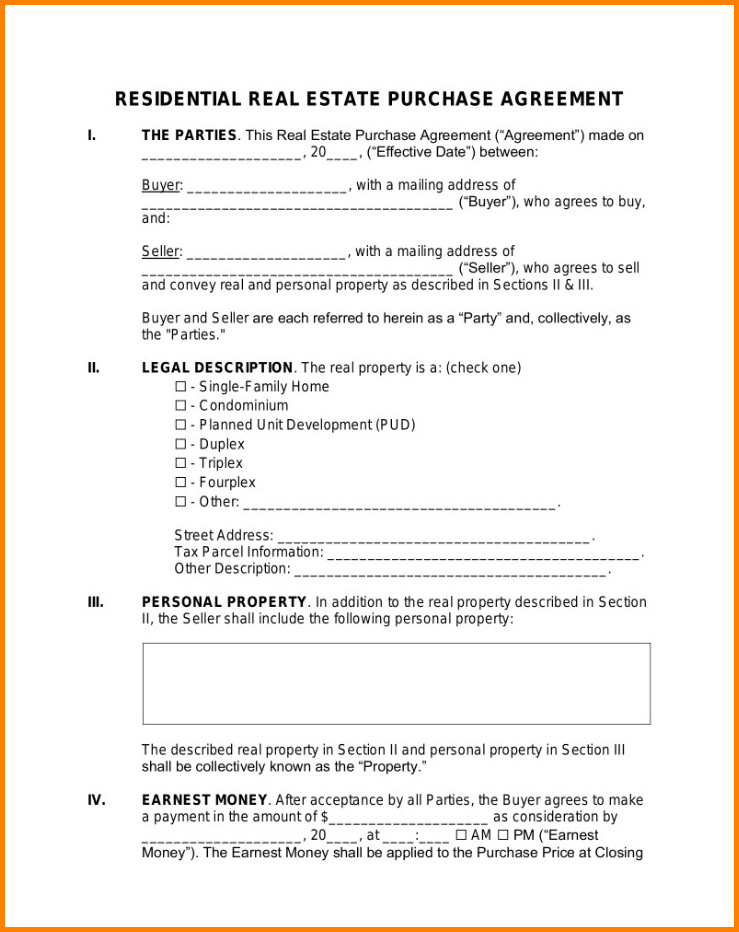
In many transactions, the agreement also specifies what personal property items are included in the sale. Appliances, lighting fixtures, window treatments, security systems, and even furniture may be listed within the contract to avoid confusion later. This level of detail helps prevent disputes after closing.
Real estate sale agreements vary depending on local laws, property types, and transaction complexity. Residential agreements may be relatively straightforward, while commercial property contracts often involve additional clauses concerning environmental conditions, zoning regulations, tenant leases, and investment considerations.
Because property laws differ between states and countries, real estate professionals and attorneys often assist in preparing or reviewing these agreements. A properly drafted contract helps ensure compliance with local legal requirements while protecting the interests of both parties.
- Defines the Property. The agreement identifies the exact property being sold through legal descriptions and addresses.
- Outlines Financial Terms. It explains the purchase price, deposits, financing arrangements, and closing costs.
- Establishes Legal Obligations. Both buyer and seller agree to fulfill certain responsibilities under the contract.
- Includes Contingencies. The contract may allow cancellation if financing, inspections, or appraisals fail.
- Protects Both Parties. Legal protections reduce the risk of financial loss and contractual disputes.
Ultimately, a real estate sale agreement functions as the official rulebook for the transaction. It provides guidance, accountability, and legal protection from the beginning of negotiations to the final transfer of ownership.
Why Is a Real Estate Sale Agreement Important?
A real estate sale agreement is important because it creates a legally enforceable framework that protects the interests of both buyers and sellers. Property transactions often involve substantial amounts of money, making legal certainty and financial security essential throughout the process.
One of the most significant reasons this agreement matters is that it establishes clarity. Without written documentation, buyers and sellers may have different expectations regarding payment terms, repairs, included property items, or transaction deadlines. A comprehensive contract eliminates uncertainty by placing every important detail in writing.
The agreement also minimizes legal risk. Once signed, both parties are obligated to follow the contract terms. If one party breaches the agreement, the other party may pursue legal remedies such as financial damages or contract enforcement. This legal accountability encourages fairness and commitment throughout the transaction.
Another major advantage involves financial protection. Buyers often invest large sums into earnest money deposits, inspections, appraisals, and financing applications. The contract outlines how these funds will be handled and specifies what happens if certain conditions are not satisfied.
Contingencies play a particularly important role in protecting both parties. Financing contingencies protect buyers if mortgage approval cannot be obtained. Inspection contingencies allow buyers to evaluate the property’s condition before finalizing the purchase. Appraisal contingencies protect lenders and buyers if the property value does not support the agreed purchase price.
Sellers also benefit from the agreement because it demonstrates that the buyer is serious and financially committed to completing the transaction. Earnest money deposits often provide additional assurance that the buyer intends to proceed according to the agreed terms.
Transparency is another critical benefit. The agreement outlines who is responsible for repairs, taxes, insurance, closing costs, and other transaction expenses. Clear documentation significantly reduces misunderstandings and disagreements during closing.
Furthermore, a real estate sale agreement helps ensure compliance with legal disclosure requirements. Sellers may be legally obligated to disclose known structural problems, environmental hazards, water damage, or previous repairs. Proper disclosures reduce the likelihood of lawsuits after the sale is completed.
In highly competitive real estate markets, a professionally prepared agreement also enhances transaction efficiency. Well-organized contracts streamline communication between agents, lenders, attorneys, title companies, and inspectors.
- Legal Protection. The agreement creates enforceable obligations for both parties.
- Financial Security. It clarifies payment structures, deposits, and transaction costs.
- Reduced Disputes. Written terms help prevent misunderstandings and legal conflicts.
- Transaction Structure. The contract establishes timelines and responsibilities.
- Contingency Protection. Buyers and sellers gain protection under specific conditions.
- Regulatory Compliance. Proper agreements support compliance with disclosure laws and property regulations.
For these reasons, the real estate sale agreement is considered one of the most essential documents in any property transaction.
How to Create a Real Estate Sale Agreement
Creating a real estate sale agreement requires careful planning, legal accuracy, and attention to detail. Since the document becomes legally binding after signing, every section should be drafted clearly to avoid future confusion or disputes.
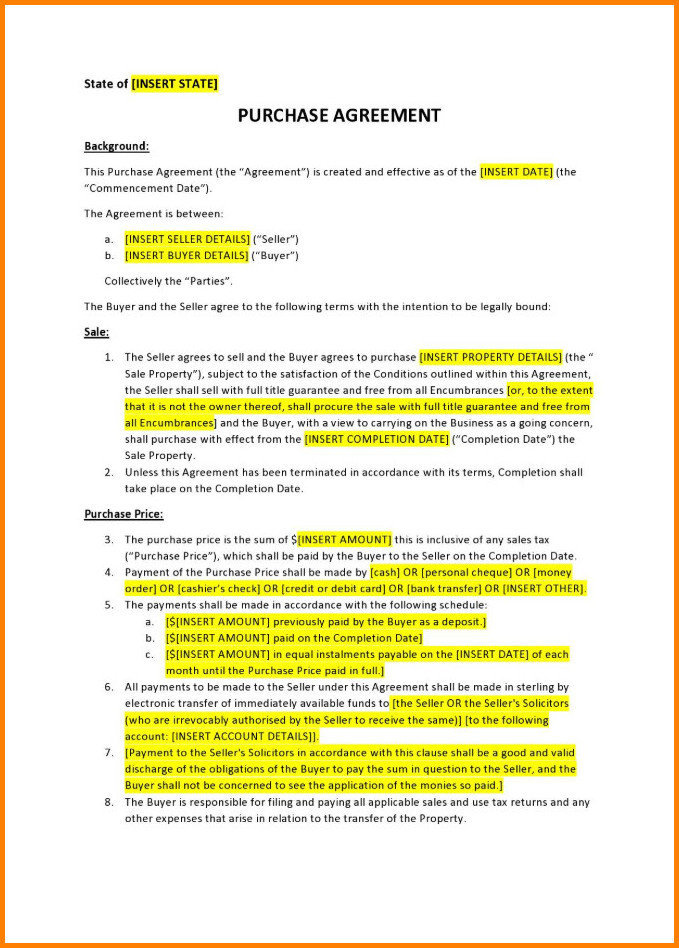
The first step involves identifying the parties participating in the transaction. The agreement should include the full legal names of the buyer and seller, along with accurate contact information. Proper identification helps establish legal accountability and prevents ownership transfer issues later.
The next important component is the property description. This section should contain the exact property address, parcel number, and legal description obtained from official property records. If the property includes additional land, structures, parking spaces, or storage units, these details should also be included.
The purchase price and payment terms must then be clearly outlined. This section explains the total sale price, earnest money deposit amount, financing arrangements, and any installment or seller-financing agreements if applicable. Clear financial terms help both parties understand their obligations.
Contingencies are another essential part of the agreement. Common contingencies include financing approval, satisfactory inspections, title verification, appraisal requirements, and the sale of the buyer’s current property. These conditions provide legal protection if certain requirements cannot be fulfilled.
The agreement should also define important deadlines. Inspection periods, financing approval dates, repair completion timelines, and closing dates should all be specified clearly. Missing deadlines may create legal complications or contract termination rights.
Property disclosures must also be included. Sellers are often legally required to disclose known defects or issues that may affect the property’s value or safety. These disclosures help ensure transparency and reduce post-sale liability.
Another important consideration involves included and excluded items. Appliances, fixtures, lighting systems, and other personal property should be specifically identified to avoid disagreements.
Finally, both parties should review the agreement carefully with real estate professionals or attorneys before signing. Once executed, any contract changes generally require written amendments signed by all involved parties.
A well-prepared agreement creates confidence, clarity, and legal protection throughout the transaction process.
How Does a Real Estate Sale Agreement Work?
A real estate sale agreement works by establishing a legally structured process that guides the transaction from the accepted offer to the final closing and transfer of ownership. Once signed, the agreement becomes the controlling document that defines how the sale will proceed.
The process typically begins when a buyer submits a written purchase offer to the seller. This offer contains proposed terms such as the purchase price, financing arrangements, contingencies, and closing date. The seller may accept the offer, reject it, or negotiate modifications through a counteroffer.
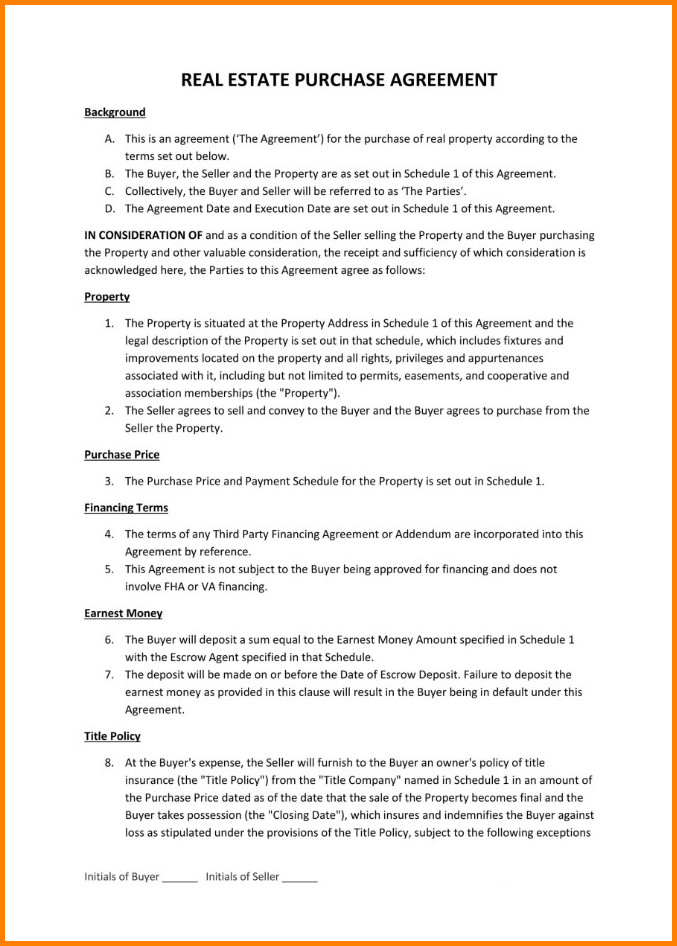
After both parties agree to the terms and sign the contract, the agreement becomes legally binding. The buyer usually submits an earnest money deposit, which is held in escrow as evidence of serious intent to complete the purchase.
Following contract execution, the contingency period begins. During this phase, the buyer may conduct property inspections, secure financing approval, review disclosures, and verify the property title. Professional inspectors evaluate the condition of the property, while lenders order appraisals to confirm market value.
If inspection issues or appraisal concerns arise, the buyer and seller may negotiate repairs, credits, or price adjustments. Depending on the contract terms, the buyer may also have the right to terminate the agreement if major problems are discovered.
The financing process then continues as the lender reviews the buyer’s financial information, credit history, employment status, and debt obligations. Once mortgage approval is finalized, preparations for closing begin.
During the final stages, title companies confirm ownership records and ensure there are no outstanding liens or legal disputes affecting the property. Insurance policies are arranged, closing disclosures are prepared, and final walkthrough inspections may occur.
At closing, both parties sign the required legal documents, funds are transferred, and the property deed is officially recorded with local authorities. Ownership then transfers from the seller to the buyer.
The agreement remains central throughout this process because it governs responsibilities, deadlines, and legal remedies if problems occur. If either party fails to comply with the contract, the agreement may outline penalties, financial damages, or cancellation rights.
By providing structure and accountability, the real estate sale agreement helps ensure smooth, organized, and legally secure property transactions.
Tips for Successful Real Estate Sale Agreements
Successfully managing a real estate sale agreement requires preparation, communication, organization, and professional guidance. Buyers and sellers who understand the process and follow best practices are far more likely to experience smooth and successful transactions.
One of the most important strategies is working with experienced professionals. Real estate agents, attorneys, inspectors, mortgage lenders, and title specialists each play valuable roles in protecting the interests of both parties. Their expertise can help identify problems early and reduce costly mistakes.
Another essential tip is to review every contract term carefully. Buyers and sellers should never sign an agreement without fully understanding its contents. Even seemingly minor clauses regarding repairs, contingencies, or deadlines can have major legal and financial consequences.
Clear communication also contributes significantly to successful transactions. Buyers and sellers should remain responsive and transparent throughout negotiations, inspections, and closing preparations. Miscommunication often leads to unnecessary delays and disputes.
Buyers should prioritize thorough property inspections. Hidden issues with plumbing, roofing, electrical systems, or structural integrity can lead to major expenses after purchase. Professional inspections provide critical information that supports informed decision-making.
Sellers should focus on honesty and full disclosure. Attempting to conceal known defects can damage trust and increase legal liability. Transparency creates smoother negotiations and stronger professional relationships.
Financial preparation is equally important. Buyers should maintain stable employment, avoid major changes to their credit, and organize financial documents during the mortgage approval process.
Meeting deadlines outlined in the contract is another crucial factor. Missed deadlines can lead to contract breaches, financial penalties, or canceled transactions.
1. Work With Qualified Professionals
Experienced real estate agents and attorneys provide valuable knowledge regarding negotiations, legal requirements, disclosures, and contract terms. Their guidance can significantly reduce risks and improve transaction efficiency.
2. Read the Agreement Thoroughly
Every section of the agreement should be reviewed carefully before signing. Buyers and sellers must understand their legal obligations, contingency rights, deadlines, and financial responsibilities.
3. Conduct Comprehensive Inspections
Professional inspections help identify hidden property defects that may affect value or safety. Buyers should never overlook this critical step when purchasing real estate.
4. Maintain Open Communication
Clear and timely communication between buyers, sellers, agents, lenders, and attorneys helps prevent misunderstandings and keeps the transaction moving efficiently.
5. Understand All Contingencies
Financing, appraisal, inspection, and title contingencies provide legal protection under specific conditions. Both parties should fully understand how these clauses operate.
6. Keep Financial Records Organized
Buyers should maintain organized mortgage documents, bank statements, tax records, and employment information to support financing approval and avoid delays.
7. Meet Contract Deadlines
Important dates for inspections, financing approval, and closing must be followed carefully. Missing deadlines can jeopardize the entire transaction.
8. Review Closing Documents Carefully
Before signing final paperwork, buyers and sellers should verify that all financial figures, ownership details, and contractual obligations are accurate and complete.
Common Mistakes to Avoid in Real Estate Sale Agreements
Even well-planned property transactions can encounter difficulties when mistakes occur within the real estate sale agreement process. Understanding common errors can help buyers and sellers avoid unnecessary legal and financial complications.
One frequent mistake involves failing to review the contract carefully. Some individuals focus only on the purchase price while ignoring important terms regarding repairs, financing obligations, contingencies, or deadlines. Every clause should be fully understood before signing.
Another major issue is using vague language. Ambiguous descriptions involving included property items, repair responsibilities, or closing costs often lead to disputes later. Clear and specific wording reduces misunderstandings.
Waiving inspection contingencies is another risky decision. In competitive markets, some buyers skip inspections to strengthen their offers. However, hidden defects may result in substantial repair expenses after closing.
Sellers sometimes fail to disclose known property problems. Concealing water damage, structural issues, or environmental hazards may result in lawsuits and financial liability.
Financing mistakes can also delay or cancel transactions. Buyers should avoid making major purchases, changing jobs, or opening new credit accounts during the mortgage approval process.
Missing contractual deadlines is another common problem. Failure to complete inspections, submit financing documents, or finalize paperwork on time can lead to penalties or contract termination.
- Ignoring Contract Details. Overlooking important clauses can create financial and legal risks.
- Using Unclear Language. Ambiguous wording often causes disputes between parties.
- Skipping Property Inspections. Hidden defects may become expensive after closing.
- Failing to Disclose Issues. Sellers may face lawsuits for undisclosed property problems.
- Financial Mismanagement. Poor financial decisions can affect mortgage approval.
- Missing Deadlines. Delays may lead to breached contracts or canceled transactions.
Conclusion
A real estate sale agreement is the legal backbone of every successful property transaction. It establishes clear expectations, defines responsibilities, protects financial interests, and creates a structured roadmap from accepted offer to final closing. Without a properly drafted agreement, buyers and sellers face unnecessary uncertainty, misunderstandings, and potential legal disputes.
Understanding the purpose and function of a real estate sale agreement allows both parties to approach the transaction with greater confidence and preparation. From outlining purchase terms and contingencies to managing inspections and financing requirements, every section of the agreement plays a vital role in ensuring a secure and efficient transfer of ownership.
Whether buying a first home, selling an investment property, or completing a commercial real estate transaction, careful planning and professional guidance remain essential. Buyers and sellers who review contracts carefully, communicate openly, meet deadlines, and seek expert assistance are far more likely to achieve successful outcomes while minimizing financial and legal risks.
As property markets continue evolving, the importance of strong contractual protection remains constant. A comprehensive real estate sale agreement provides clarity, accountability, and peace of mind, helping both parties complete the transaction smoothly and confidently.
