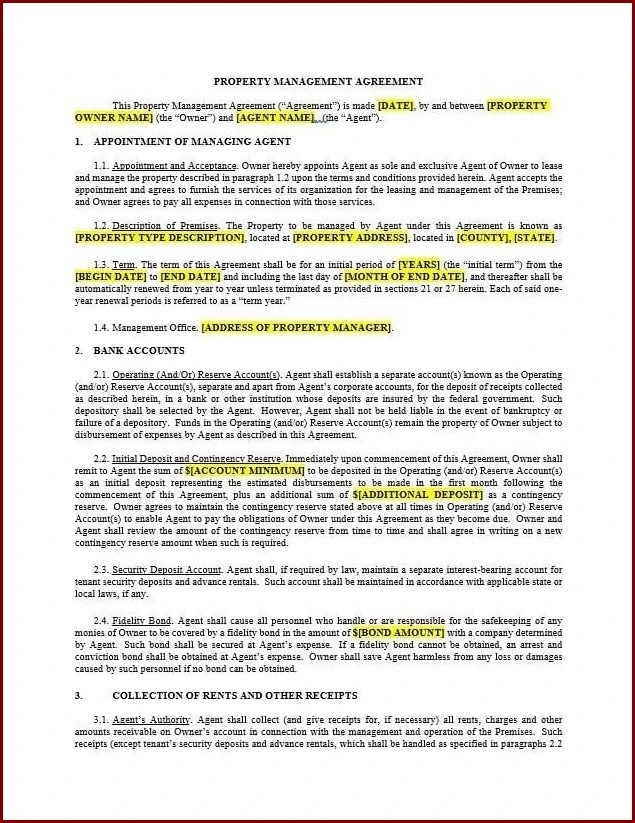
In the world of real estate, property management agreements are essential documents that help create a legal and binding contract between property owners and property managers.
These agreements define the relationship and responsibilities of each party involved, minimizing disputes and ensuring a smooth operation of the property. From tenant screening to rent collection and maintenance, a property management agreement covers all aspects of property management.
What is a Property Management Agreement?
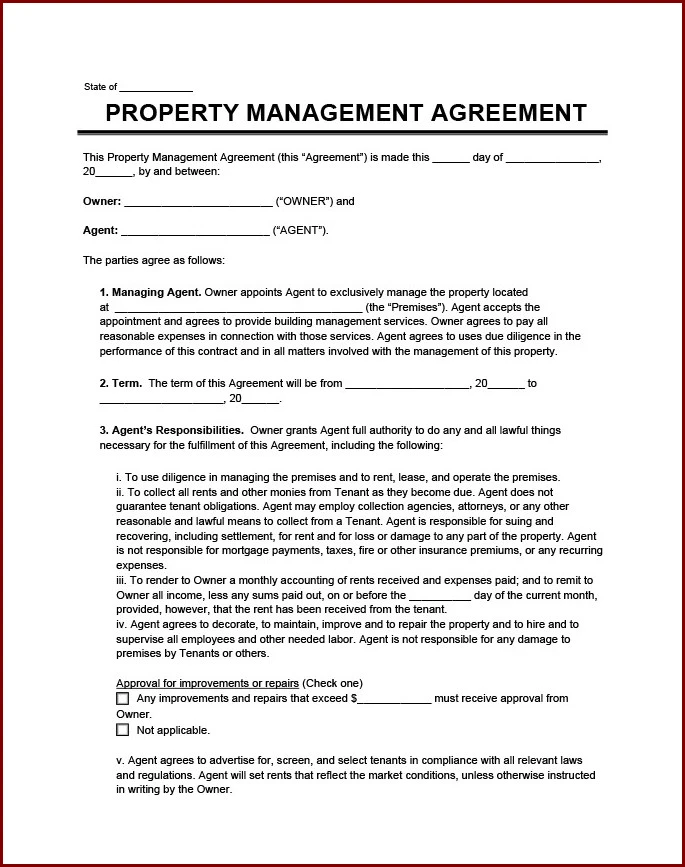
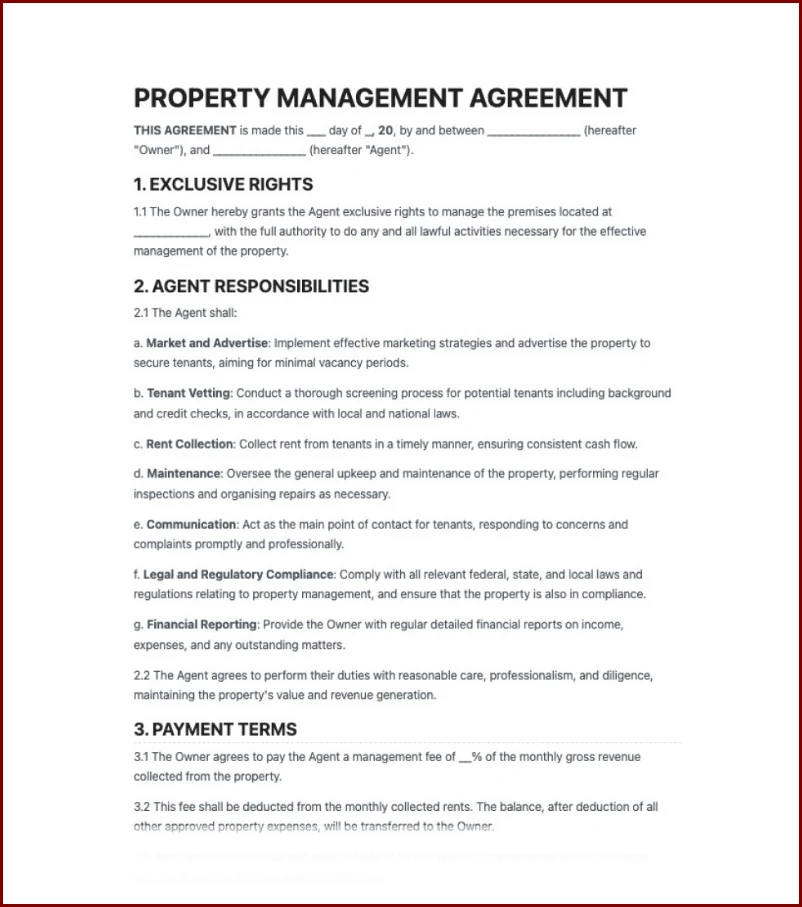
A property management agreement is a contract that outlines the terms and conditions under which a property manager will manage a property on behalf of the owner. It serves as a roadmap for both parties, clearly defining their roles and responsibilities to avoid any misunderstandings or conflicts in the future. This document is crucial for establishing a professional working relationship and ensuring that the property is well-maintained and profitable.
When creating a property management agreement, it is important to include specific details such as the property address, the scope of services provided by the property manager, the duration of the agreement, the compensation structure, and any additional fees or expenses that may arise during the management of the property.
Why Do You Need a Property Management Agreement?
Having a property management agreement in place is essential for both property owners and property managers for several reasons. Firstly, it helps clarify the expectations and responsibilities of each party, ensuring that everyone is on the same page. This can help prevent misunderstandings and disputes down the line.
Additionally, a property management agreement provides legal protection for both parties in the event of any issues or conflicts that may arise during the management of the property. By clearly outlining the terms and conditions of the agreement, it becomes easier to resolve any disputes in a fair and efficient manner.
Key Elements of a Property Management Agreement
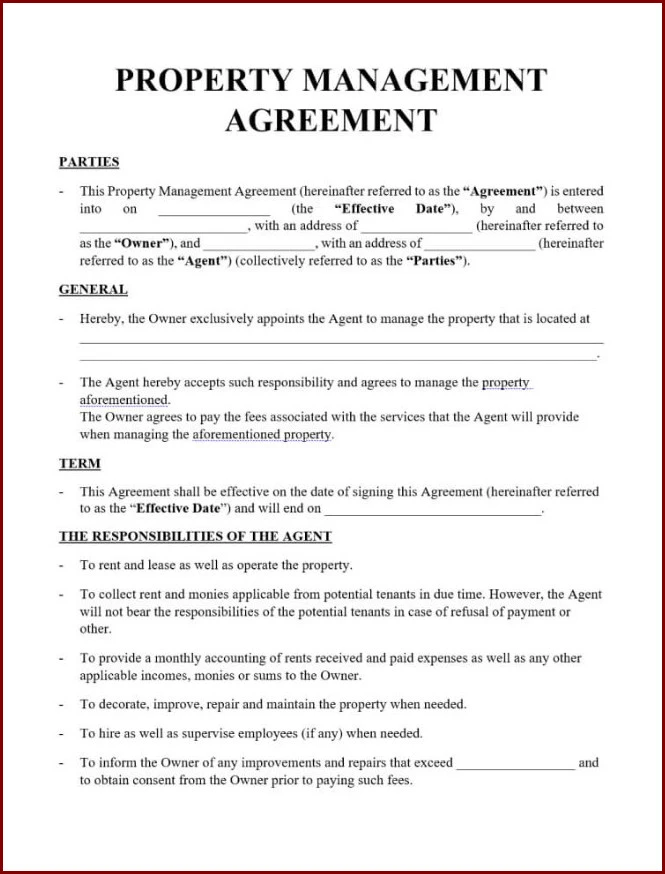
- Property Details: This includes the address of the property, the type of property (residential, commercial, etc.), and any specific features or amenities.
- Scope of Services: Clearly define the services that the property manager will provide, such as tenant screening, rent collection, maintenance, and repairs.
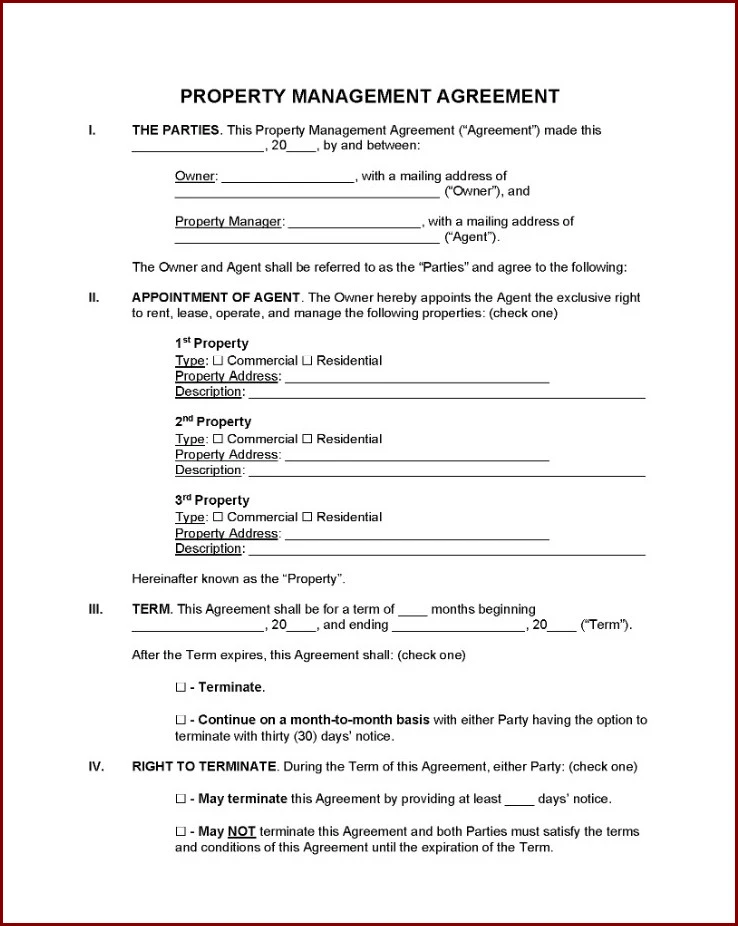
- Duration of the Agreement: Specify the length of time that the agreement will be in effect, whether it’s a month-to-month arrangement or a long-term contract.
- Compensation: Outline how the property manager will be compensated, including any management fees, commissions, or bonuses.
- Termination Clause: Include provisions for how the agreement can be terminated by either party, including notice periods and any termination fees.
- Insurance Requirements: Specify the insurance coverage required for the property, including liability insurance and property insurance.
- Dispute Resolution: Include a clause on how disputes will be resolved, whether through mediation, arbitration, or litigation.
How to Create a Property Management Agreement
Creating a property management agreement can be a complex process, but it is essential to ensure that all parties are protected and that the property is managed effectively. Here are some steps to follow when creating a property management agreement:
1. Consult with a legal professional: It is advisable to seek legal advice when drafting a property management agreement to ensure that all legal requirements are met and that the document is legally binding.
2. Define the scope of services: Clearly outline the services that the property manager will provide, including tenant screening, rent collection, maintenance, and any additional services.
3. Specify the compensation structure: Detail how the property manager will be compensated, including management fees, commissions, and any other expenses that may arise.
4. Include termination clauses: Outline the conditions under which the agreement can be terminated by either party, including notice periods and any termination fees.
5. Review and revise the agreement: It is important to review the agreement carefully before signing to ensure that all terms and conditions are clear and satisfactory to both parties.
Tips for Successful Property Management Agreements
- Communicate effectively: Maintain open and clear communication with your property manager to address any issues or concerns promptly.
- Regularly review the agreement: Periodically review the property management agreement to ensure that it remains relevant and up-to-date with any changes in the property or market conditions.
- Document everything: Keep detailed records of all communications, transactions, and maintenance activities related to the property to avoid any disputes in the future.
- Stay informed: Stay up-to-date with local laws and regulations related to property management to ensure compliance and prevent any legal issues.
- Seek professional advice: When in doubt, consult with legal or real estate professionals to ensure that your property management agreement is comprehensive and legally sound.
In Conclusion
A property management agreement is a crucial document that helps define the relationship and responsibilities between property owners and property managers. By clearly outlining the duties of each party, as well as the terms and conditions of the agreement, property management agreements can help minimize disputes and ensure that the property is managed effectively. By following the key elements and tips outlined in this guide, you can create a successful property management agreement that protects your interests and ensures the smooth operation of your property.
