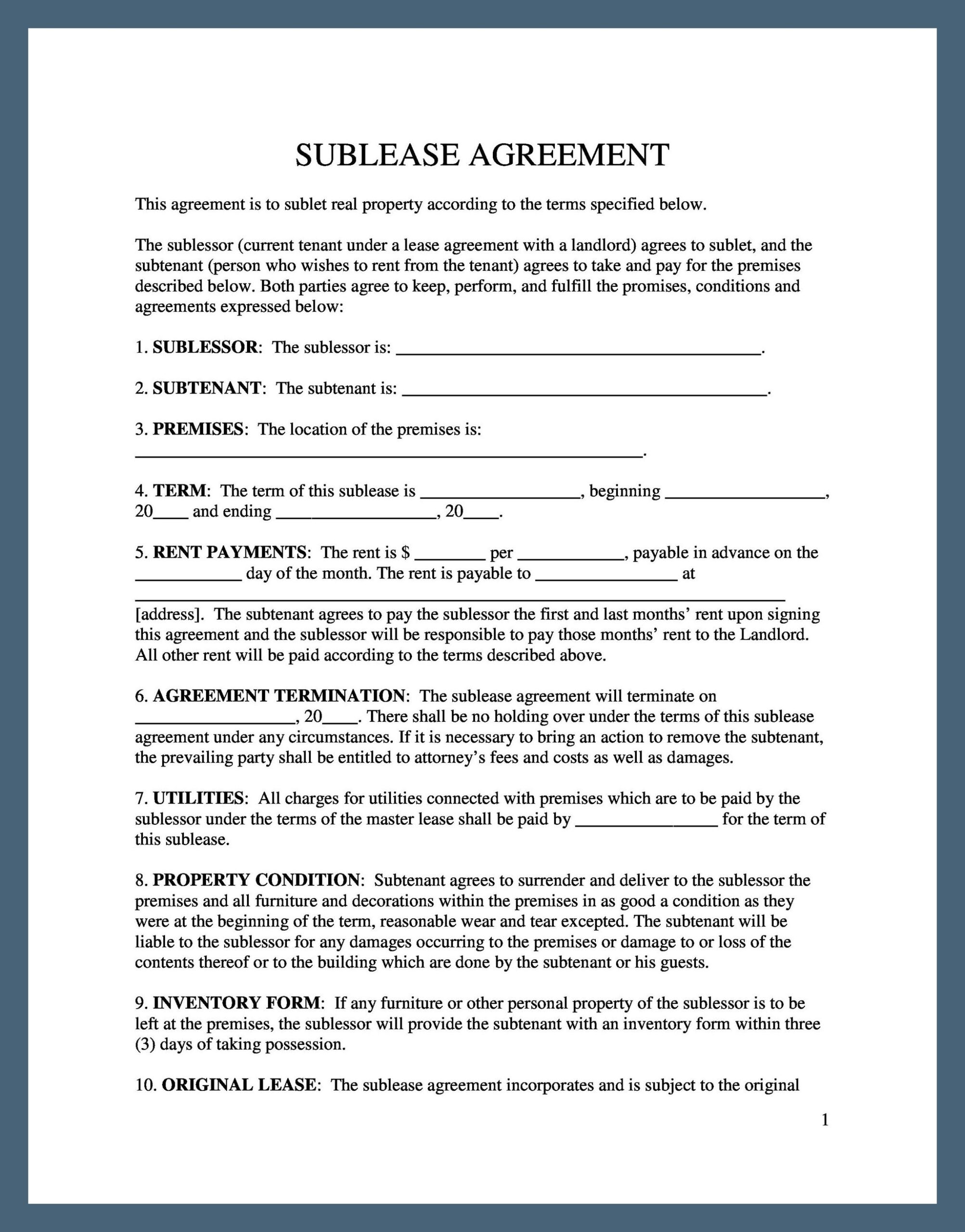
Subleasing is a common practice in the rental world that allows a tenant to rent out all or part of their rental property to a new tenant, known as a sublessee, while still being responsible for the original lease. This arrangement provides flexibility for the original tenant, who can temporarily move or avoid breaking their lease, and can even help them earn income by covering rent. It also offers a written contract that clarifies rules for both the original tenant and the sublessee, and can be a way for a property owner to avoid extended vacancies.
What is a Sublease Agreement?
A sublease agreement is a legal contract between the original tenant (the sublessor) and the new tenant (the sublessee) that allows the sublessee to rent all or part of the property from the sublessor. The original tenant remains responsible for the terms of the original lease, including paying rent and maintaining the property, while the sublessee is bound by the rules outlined in the sublease agreement.
Why Consider a Sublease Agreement?
There are several reasons why a tenant may consider entering into a sublease agreement:
- Temporary relocation: If a tenant needs to move temporarily for work or personal reasons, subleasing allows them to keep their rental property without breaking the lease.
- Income generation: Subleasing can help tenants cover their rent or even make a profit by renting out their property to a sublessee.
- Flexibility: Subleasing offers flexibility to tenants who may need to move out before their lease expires, without facing penalties for breaking the lease.
Key Elements of a Sublease Agreement
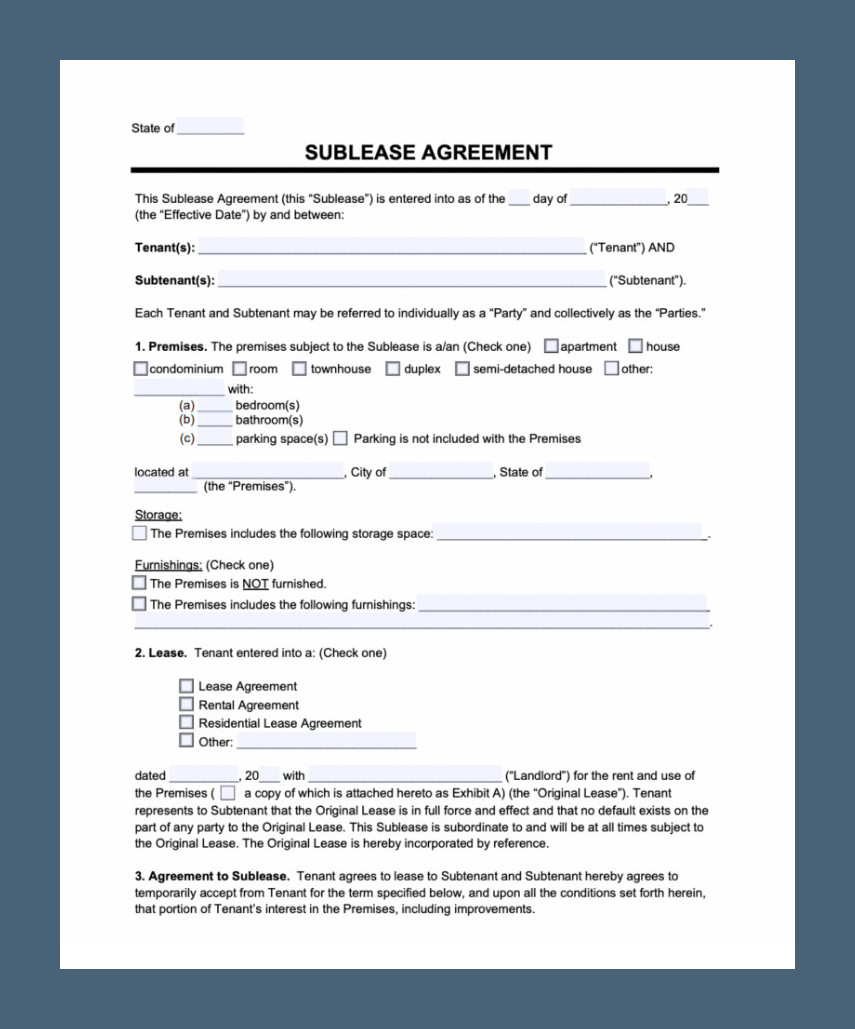
When drafting a sublease agreement, there are several key elements that should be included:
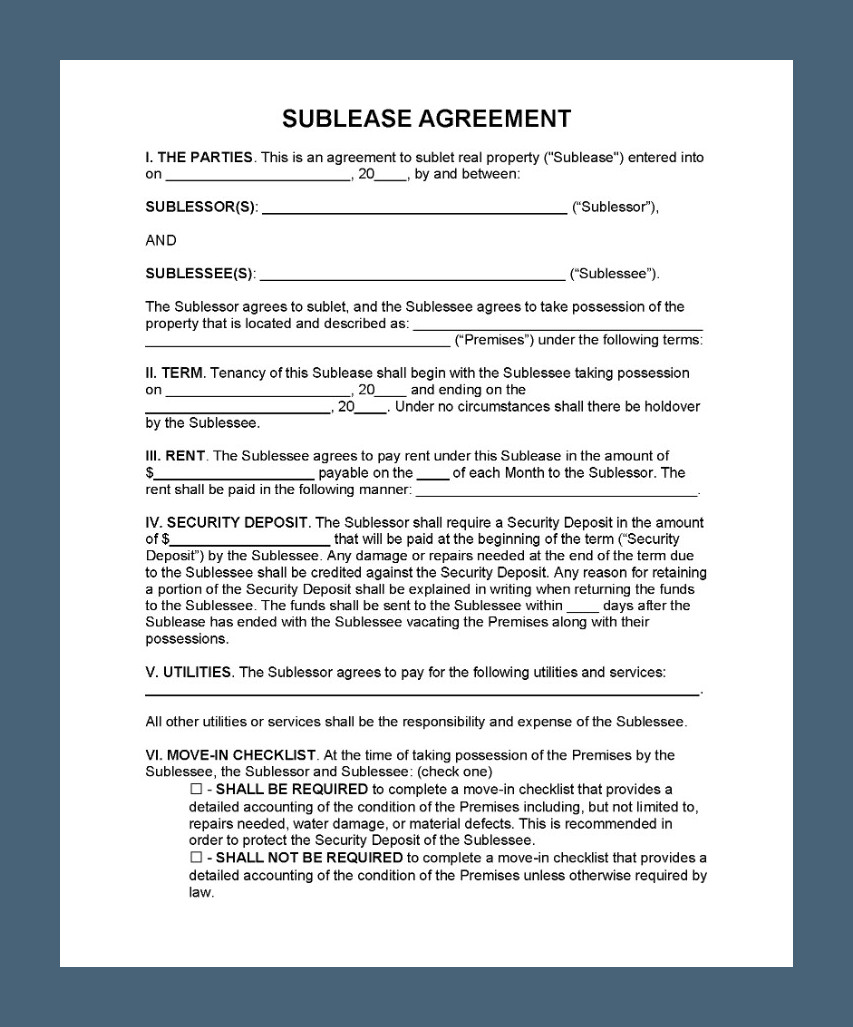
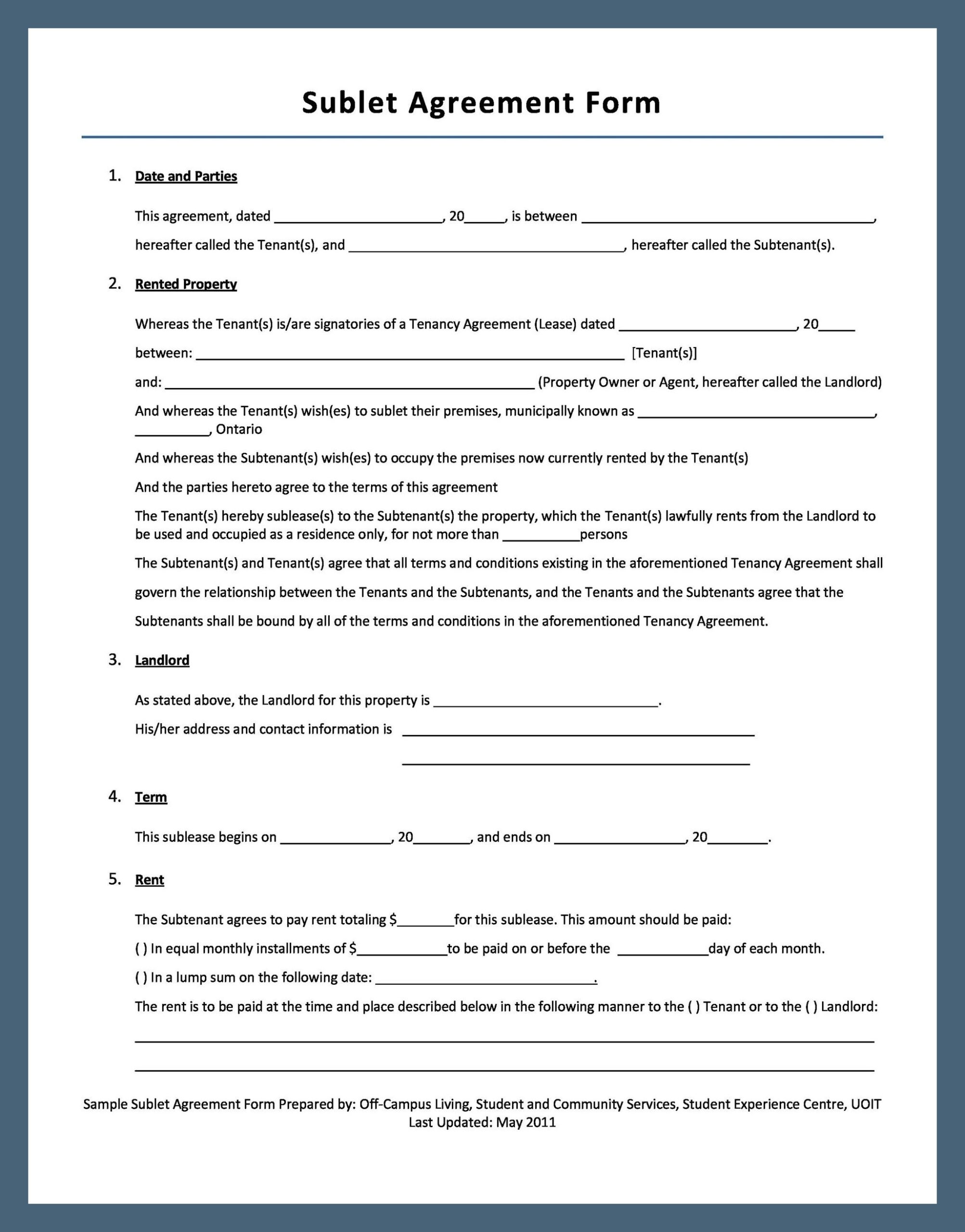
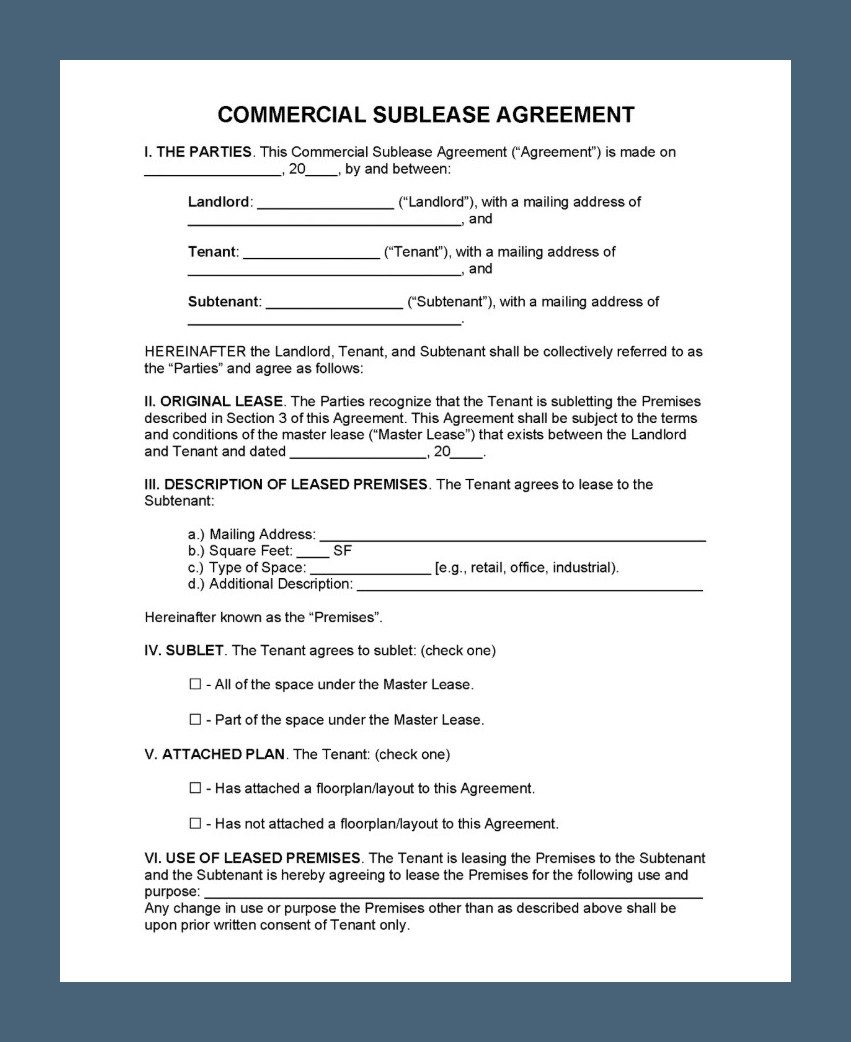
- Names and addresses: Include the names and addresses of both the sublessor and the sublessee.
- Property details: Describe the rental property being subleased, including the address and any specific terms or restrictions.
- Term of the sublease: Specify the start and end dates of the sublease agreement.
- Rent and utilities: Outline the rent amount, due date, and how utilities will be handled during the sublease.
- Rules and responsibilities: Clarify the rules and responsibilities of both the sublessor and the sublessee, including maintenance, repairs, and any restrictions on use.
- Security deposit: Determine if a security deposit is required and how it will be handled at the end of the sublease.
Examples
How to Draft a Sublease Agreement
When drafting a sublease agreement, it is important to follow these steps:
1. Obtain permission from the landlord:
Before subleasing the property, the original tenant must obtain written permission from the landlord or property owner. Some leases prohibit subleasing, so it is important to check the terms of the original lease.
2. Draft the sublease agreement:
Include all the key elements mentioned above in the sublease agreement to ensure that both parties understand their rights and responsibilities. It is recommended to consult with a legal professional to ensure the agreement is legally binding.
3. Sign the sublease agreement:
Both the sublessor and the sublessee should sign the sublease agreement to indicate their agreement to the terms outlined in the contract. Make sure to keep a copy of the signed agreement for your records.
4. Communicate with the landlord:
Keep the landlord informed about the sublease agreement and provide them with a copy of the signed contract. This can help avoid any misunderstandings or disputes down the line.
5. Collect rent and security deposit:
Establish a system for collecting rent and any security deposit from the sublessee. Make sure to follow the terms outlined in the sublease agreement regarding payment deadlines and amounts.
6. Maintain communication:
Stay in communication with the sublessee to address any issues or concerns that may arise during the sublease term. Regular communication can help prevent misunderstandings and conflicts.
7. Follow through on responsibilities:
Both the sublessor and the sublessee should adhere to the terms of the sublease agreement, including maintaining the property, paying rent on time, and following any rules or restrictions outlined in the contract.
Tips for Successful Subleasing
Here are some tips to ensure a successful sublease agreement:
- Screen potential sublessees: Take the time to screen potential sublessees to ensure they are responsible and reliable tenants.
- Be clear and detailed: Clearly outline the terms of the sublease agreement to avoid any confusion or disputes later on.
- Communicate openly: Maintain open communication with the sublessee to address any issues or concerns promptly.
- Seek legal advice: Consult with a legal professional to ensure that your sublease agreement is legally binding and protects your rights as a tenant.
- Keep records: Keep detailed records of all communication, payments, and any issues that arise during the sublease term.
- Follow lease regulations: Make sure to follow the regulations outlined in the original lease agreement when subleasing the property.
- End on a good note: When the sublease term ends, make sure to conduct a final walkthrough with the sublessee and settle any outstanding issues or payments.
By following these guidelines and tips, you can navigate the process of subleasing your rental property successfully and ensure a positive experience for both parties involved.
