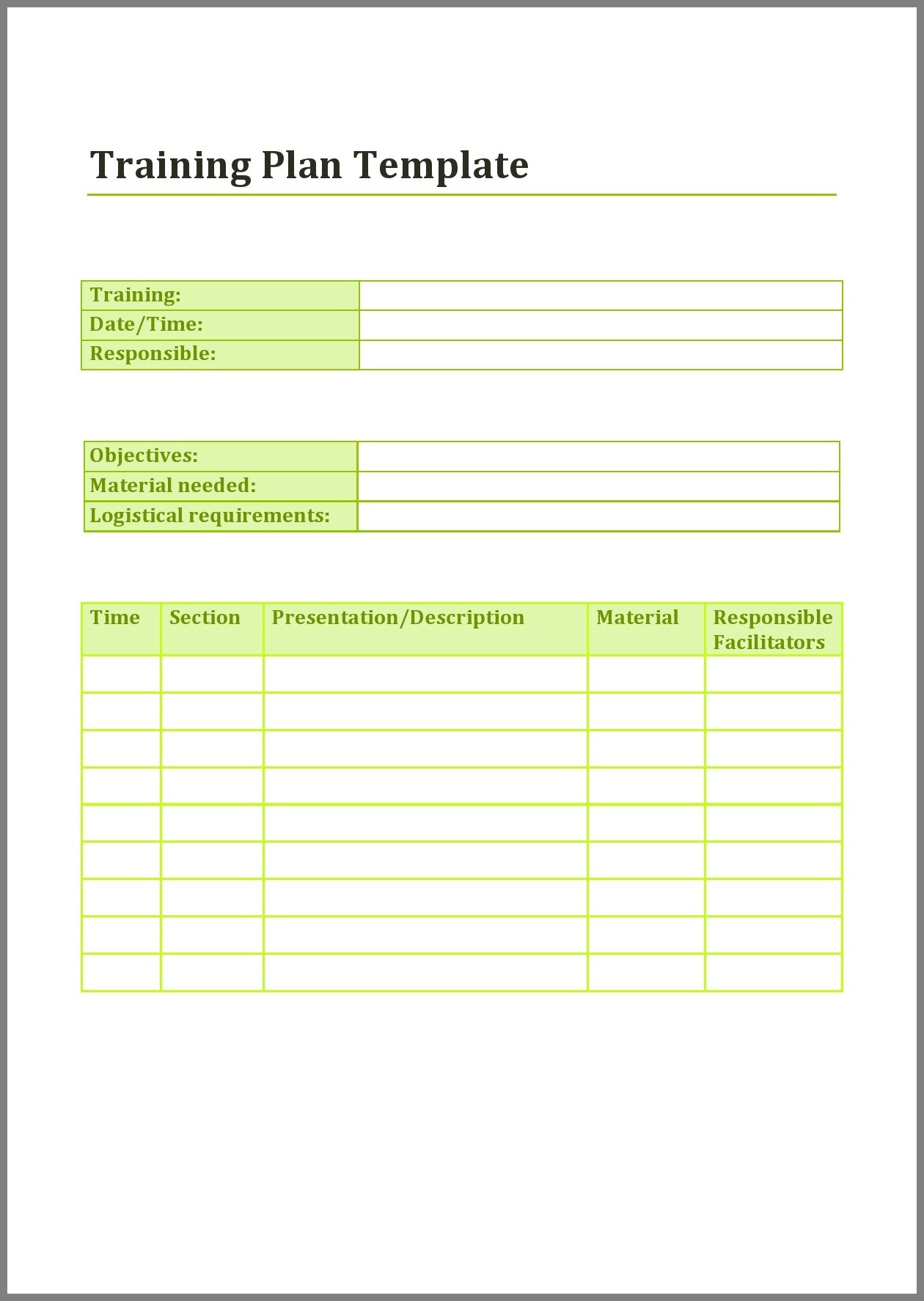
Staff training is a crucial aspect of any successful business. It not only helps employees develop the skills they need to perform their jobs effectively but also aligns their development with the overall goals of the organization. A well-structured training schedule provides a clear roadmap for learning activities, ensures a smooth onboarding process for new hires, and helps employees stay engaged and motivated.
In this article, we will explore the importance of a staff training schedule and provide tips on how to create an effective one for your business.
What is a Staff Training Schedule?
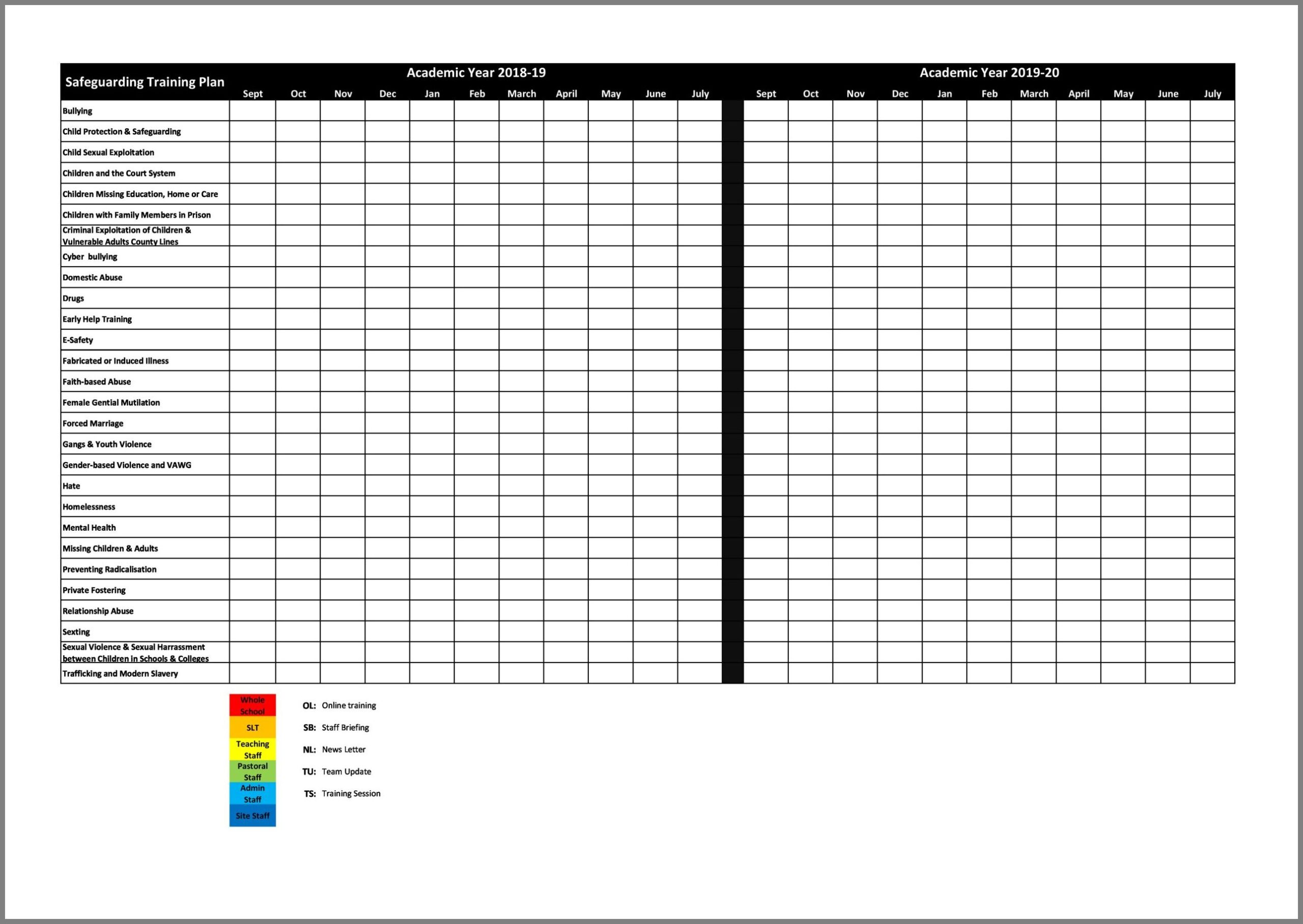
A staff training schedule is a structured, chronological timeline that organizes learning activities for employees. It outlines the training programs, workshops, seminars, and other activities that employees need to participate in to develop their skills and knowledge.
A well-designed training schedule ensures that employees receive the necessary training at the right time, helping them perform their jobs more effectively and contributing to the overall success of the business.
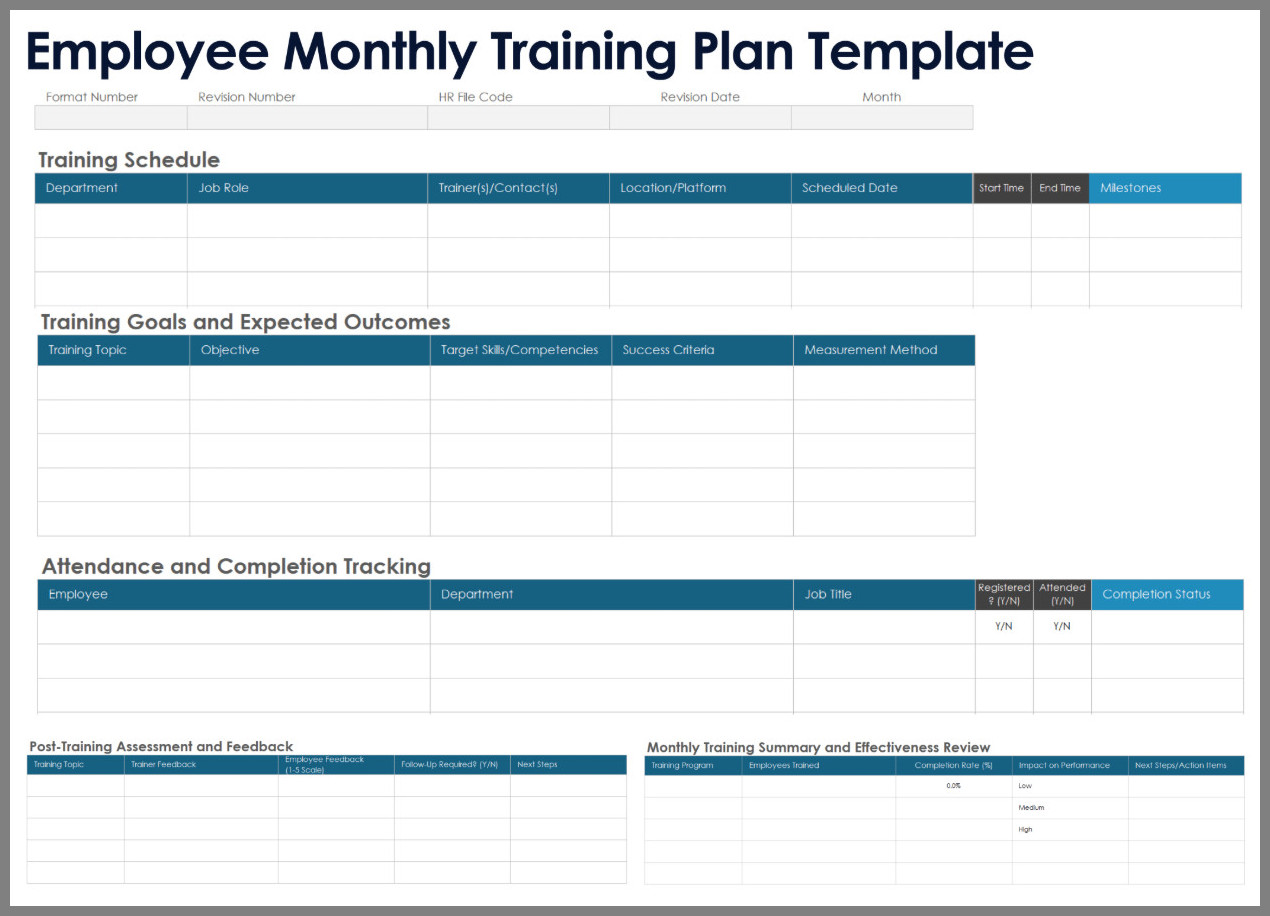
Why is a Staff Training Schedule Important?
Having a staff training schedule in place is essential for several reasons:
- Ensures smooth onboarding: A structured training schedule helps new hires get up to speed quickly and become productive members of the team.
- Aligns skill development with business goals: By mapping out training activities in advance, you can ensure that employees are developing the skills that are most relevant to the success of the business.
- Increases employee engagement: Providing employees with opportunities for learning and development can boost morale and motivation, leading to higher levels of engagement and job satisfaction.
- Improves performance: Well-trained employees are better equipped to perform their jobs efficiently and effectively, leading to improved productivity and performance.
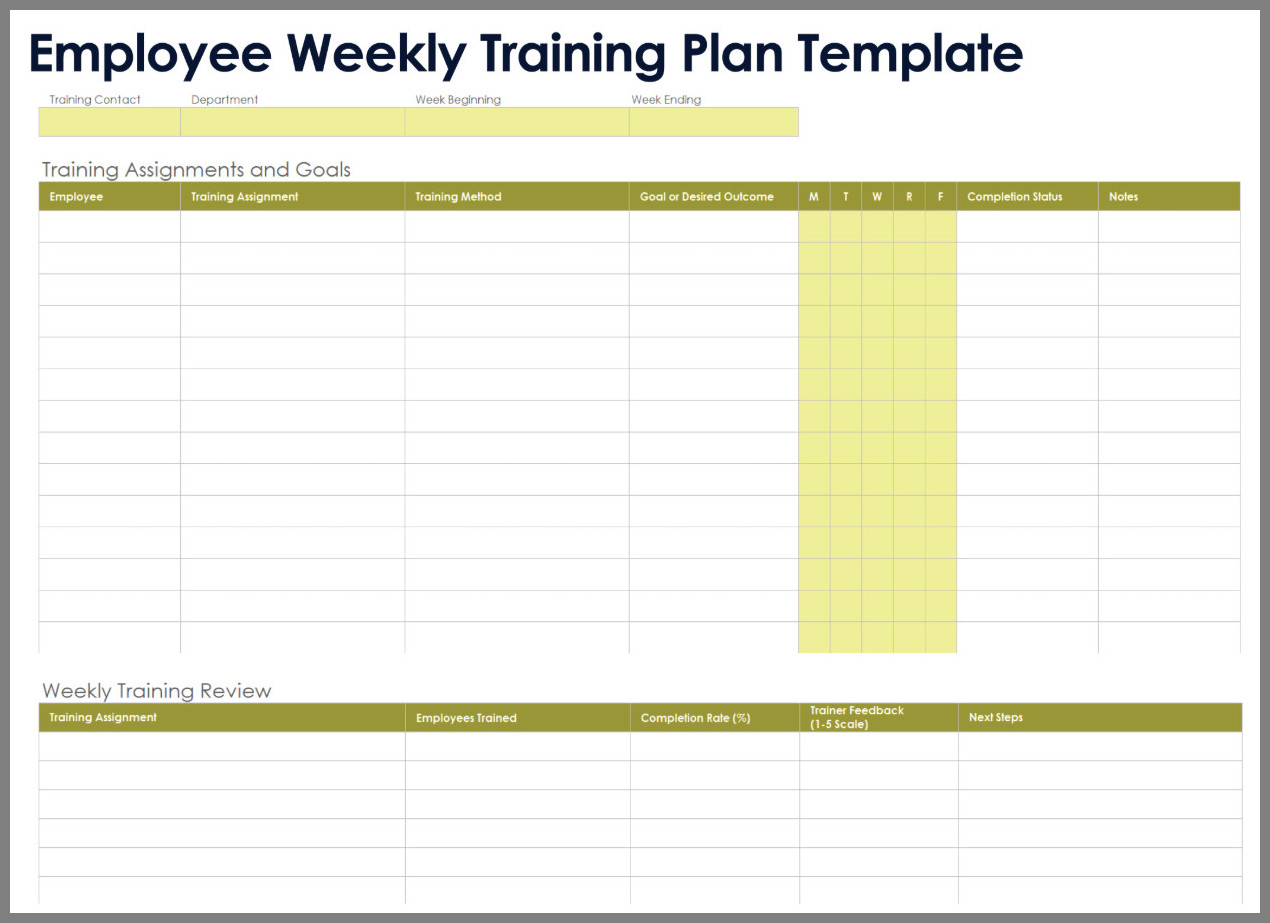
What to Include in a Staff Training Schedule
When creating a staff training schedule, it is important to include the following elements:
- Training objectives: Clearly define the goals and objectives of each training program to ensure that employees understand what they are expected to learn.
- Timeline: Map out the training activities over a specific period, taking into account the time needed for each activity and the availability of employees.
- Training methods: Identify the best methods for delivering training, such as workshops, seminars, online courses, or on-the-job training.
- Assessment criteria: Establish how you will assess employee learning and progress to ensure that training objectives are being met.
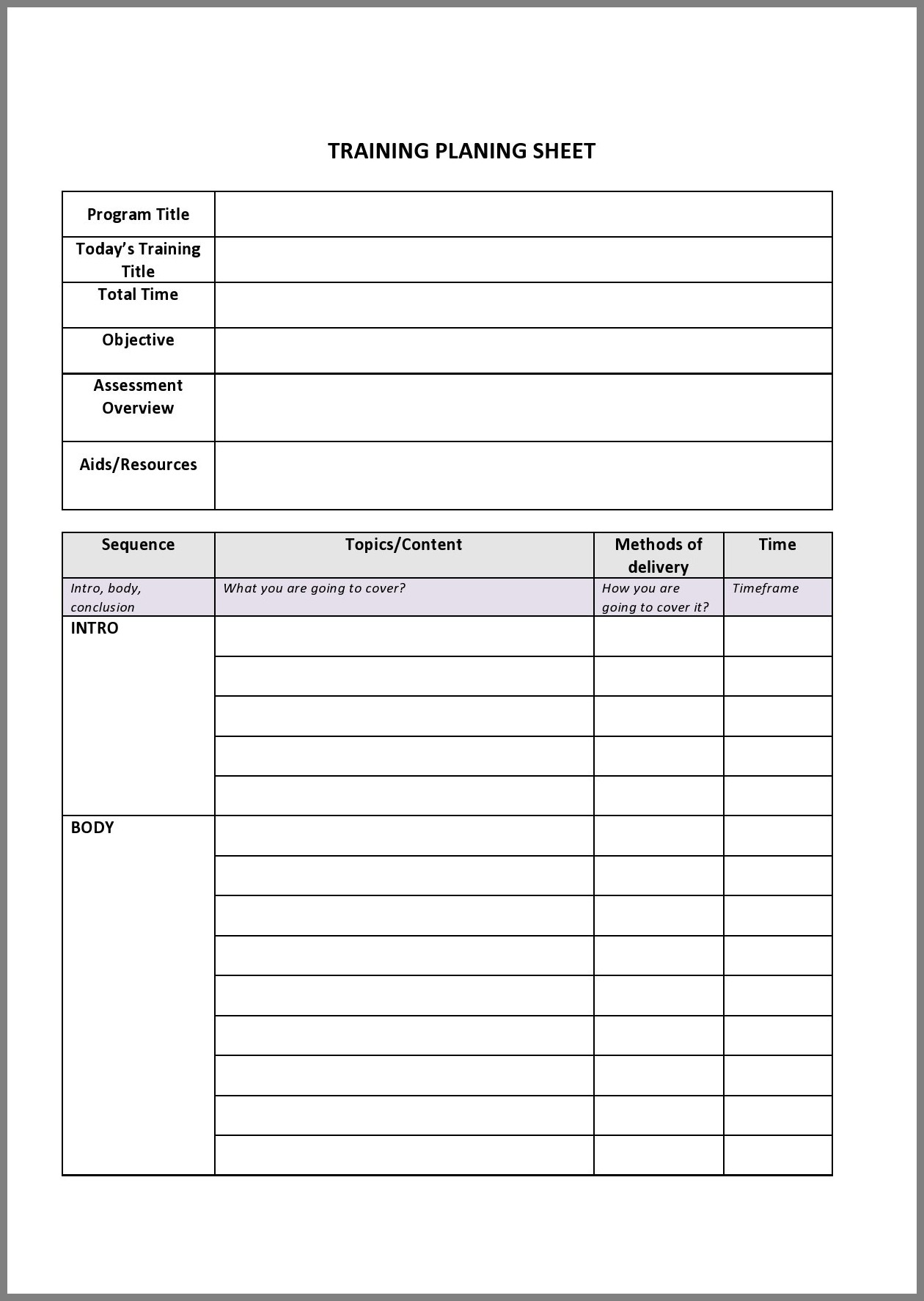
How to Create an Effective Staff Training Schedule
Follow these steps to create an effective staff training schedule for your business:
1. Assess training needs
Start by identifying the skills and knowledge gaps within your organization. This will help you determine the training programs that are most needed.
2. Set clear objectives
Define the specific goals and objectives of each training program to ensure that employees know what is expected of them.
3. Create a timeline
Map out the training activities over a specific period, taking into account the availability of employees and the time needed for each activity.
4. Select training methods
Choose the most appropriate training methods for each program, considering factors such as budget, time constraints, and the learning preferences of employees.
5. Evaluate and adjust
Regularly evaluate the effectiveness of your training schedule and make adjustments as needed to ensure that it remains relevant and beneficial to your employees.
Tips for Successful Staff Training
Here are some tips to help you make the most of your staff training schedule:
- Communicate openly: Keep employees informed about their training schedule and provide regular updates on their progress.
- Encourage participation: Encourage employees to actively participate in training activities and provide feedback on their learning experiences.
- Offer support: Provide employees with the resources and support they need to succeed in their training programs, such as access to mentors or additional training materials.
- Celebrate achievements: Recognize and reward employees for completing training programs and achieving their learning objectives to motivate continued participation.
- Stay flexible: Be open to adjusting your training schedule as needed to accommodate changes in business priorities or employee needs.
By creating a well-structured and effective staff training schedule, you can ensure that your employees are equipped with the skills and knowledge they need to help your business succeed. Invest in your employees’ development, and you will reap the rewards of a more engaged, productive, and successful workforce.
Staff Training Schedule Template
