Relationship charts are powerful tools that help individuals and teams visualize and understand the connections and interdependencies between different people, variables, or elements in a project, system, or dataset. By creating these charts, one can identify patterns, dependencies, and trends, which aid in decision-making, problem-solving, strategic planning, and improved communication.
Let’s dive deeper into the world of relationship charts and explore how they can be utilized to enhance various aspects of our work and personal lives.
What are Relationship Charts?
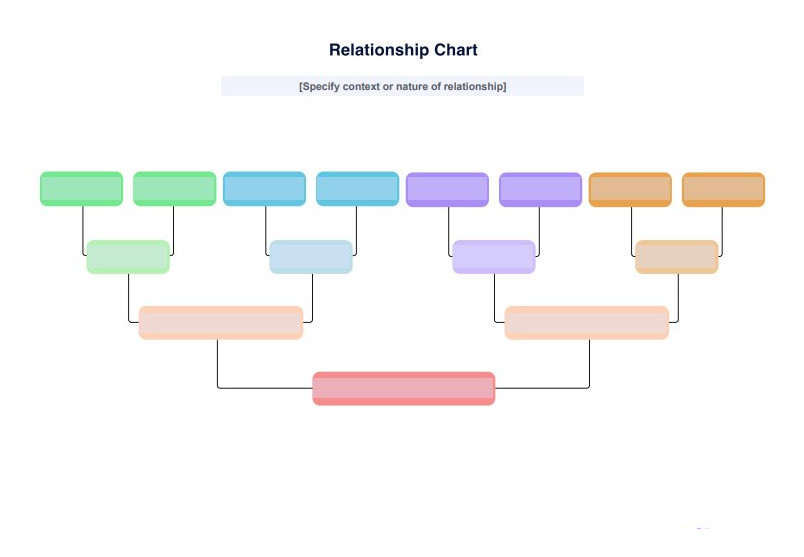
Relationship charts, also known as connection charts or dependency diagrams, are visual representations that display the relationships and connections between various entities. These entities can be individuals, teams, tasks, processes, systems, or any other elements that are part of a larger network.
By using different shapes, lines, colors, and labels, relationship charts provide a clear and structured overview of how these entities interact with each other.
Why Use Relationship Charts?
Relationship charts offer numerous benefits in both professional and personal settings. Here are some reasons why you should consider using relationship charts:
Enhanced Understanding
One of the primary reasons to use relationship charts is to enhance understanding of complex relationships and dependencies. By visualizing these connections, individuals can gain a clearer insight into how different elements interact with each other and how they contribute to overall outcomes. This enhanced understanding allows for more informed decision-making and problem-solving.
Improved Communication
Visual representations are often more effective in conveying information than written or verbal explanations. Relationship charts provide a visual and structured overview of connections and interdependencies, making it easier for individuals to communicate complex ideas and concepts. Whether sharing information with colleagues, stakeholders, or clients, relationship charts can facilitate clearer and more effective communication.
Strategic Planning
Relationship charts play a crucial role in strategic planning by highlighting key connections and interdependencies that need to be considered. When developing strategies or making decisions, it is essential to understand how different elements interact and influence each other. Relationship charts provide a comprehensive visual representation of these connections, enabling individuals to develop more effective strategies and plans.
Decision-Making
By visualizing relationships, individuals can make more informed decisions based on a comprehensive understanding of the situation. Relationship charts help identify patterns, dependencies, and trends that may impact decision-making processes. Whether evaluating options, assessing risks, or considering alternatives, relationship charts provide valuable insights that support better decision-making.
Problem-Solving
Relationship charts aid in identifying root causes of problems and finding effective solutions. By visualizing connections and interdependencies, individuals can trace the impact of different factors on a problem or issue. This enables more targeted problem-solving efforts and helps individuals address underlying issues rather than just symptoms.
What to Include in a Relationship Chart?
When creating a relationship chart, it is essential to include the following elements to ensure clarity and effectiveness:
Entities
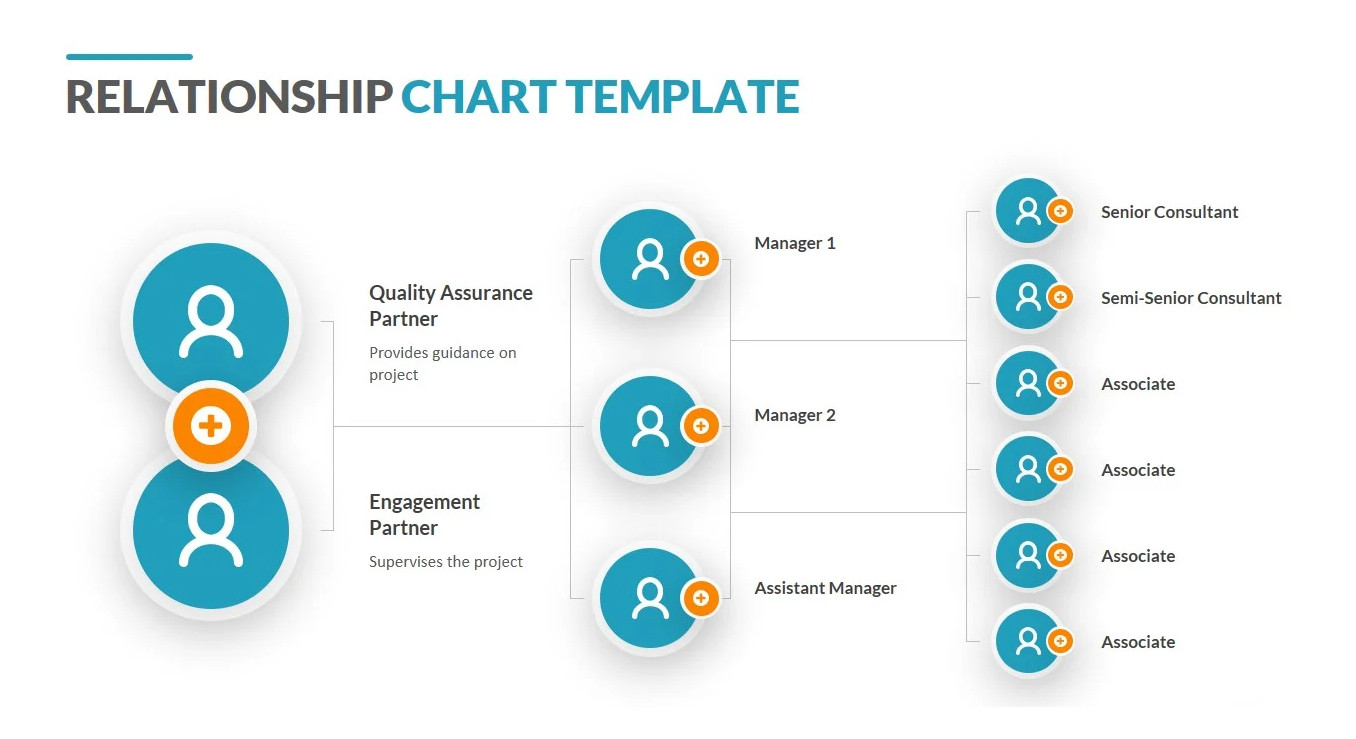
Identify and list all the entities that need to be included in the chart. This could be individuals, teams, tasks, processes, systems, or any other relevant elements. Clearly defining the entities ensures that all key elements are accounted for in the chart.
Connections
Clearly define the relationships and connections between the entities using lines or arrows. Highlight the nature of the relationship, whether it is a dependency, influence, communication, or any other type of connection. This step is crucial in showing how different entities interact with each other.
Labels
Use labels to provide additional information about each entity and connection. Labels can include names, descriptions, or other relevant details that help viewers understand the significance of each element. Providing context through labels enhances the overall understanding of the relationship chart.
Colors
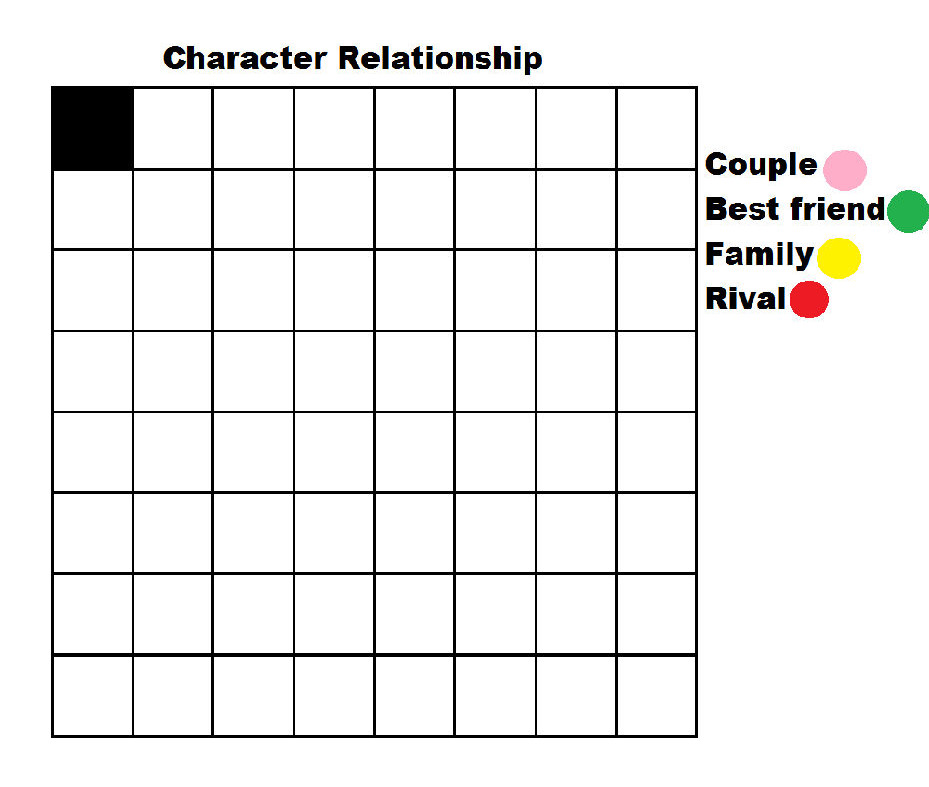
Use colors to differentiate between different types of entities or relationships for easy identification. Color coding can help viewers quickly distinguish between related elements or categories, making it easier to interpret the chart at a glance. Consistent color schemes can improve the visual appeal and readability of the relationship chart.
Shapes
Use different shapes to represent different types of entities or to highlight specific elements. Shapes can be used to categorize entities, indicate importance, or differentiate between different groups. By incorporating shapes into the relationship chart, individuals can visually organize information and draw attention to key elements.
How to Create a Relationship Chart?
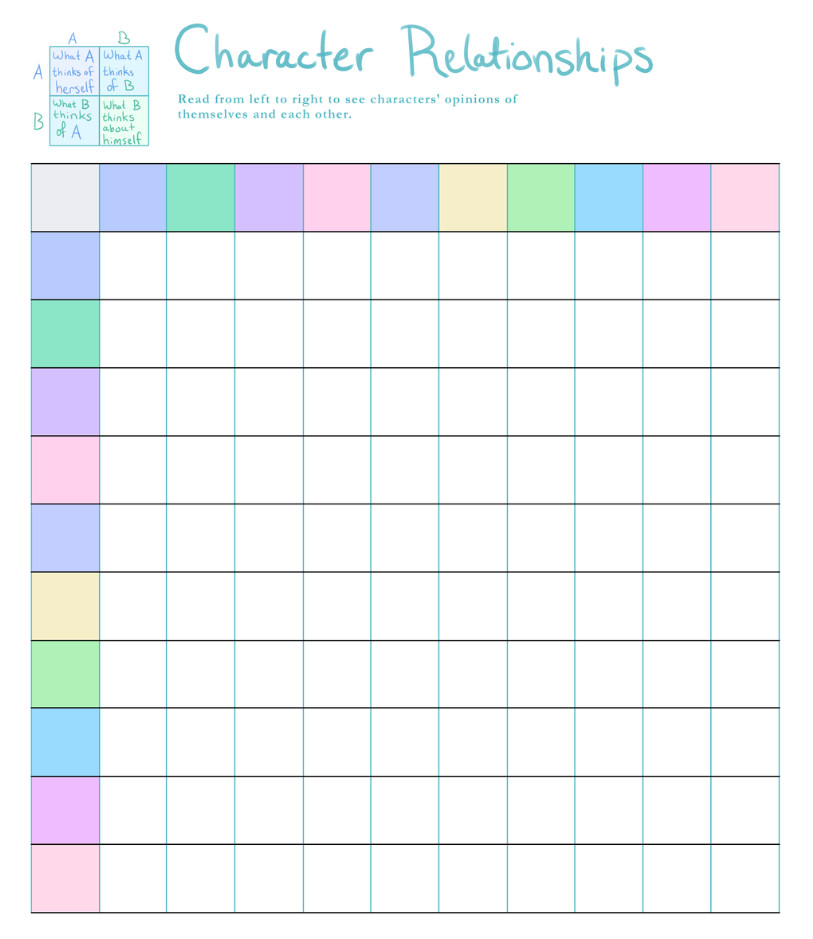
Creating a relationship chart can be done using various tools, including software programs, online platforms, or even traditional pen and paper. Here are some steps to follow when creating a relationship chart:
Identify Entities
Start by identifying all the entities that need to be included in the chart. This could be individuals, teams, tasks, processes, or any other relevant elements. Make a comprehensive list to ensure that all key entities are accounted for in the relationship chart.
Define Relationships
Clearly define the relationships and connections between the entities. Use lines or arrows to indicate the nature of the relationship, whether it is a dependency, influence, communication, or any other type of connection. Be specific in illustrating how different entities interact with each other.
Add Labels
Include labels for each entity and connection to provide additional information and context. Labels can include names, descriptions, roles, or any other relevant details that help viewers understand the significance of each element. Labels enhance the overall clarity and understanding of the relationship chart.
Use Colors and Shapes
Utilize colors and shapes to distinguish between different types of entities or relationships. Color coding can help viewers quickly identify related elements or categories, while shapes can be used to highlight specific entities or groups. Consistent use of colors and shapes enhances the visual appeal and organization of the relationship chart.
Update and Refine
Regularly update and refine your relationship chart as new information becomes available or as the project evolves. Make sure to reflect any changes in relationships, entities, or connections to ensure that the chart remains accurate and up to date. Continuous updates and refinements keep the relationship chart relevant and valuable for decision-making.
Tips for Successful Relationship Charts
Here are some tips to create successful relationship charts:
Keep it Simple
Avoid cluttering the chart with unnecessary information. Focus on essential connections and entities to maintain clarity and readability. Keep the layout clean and organized to ensure that viewers can easily interpret the relationships displayed in the chart.
Ensure Accuracy
Double-check all relationships and labels to ensure accuracy and prevent misunderstandings. Review the chart regularly to confirm that all entities are correctly connected and labeled. Accuracy is essential in relationship charts to maintain the integrity of the information being presented.
Engage Stakeholders
Involve relevant stakeholders in the creation process to gather input and ensure the chart meets their needs. Collaborate with team members, partners, or clients to incorporate their perspectives and insights into the relationship chart. Engaging stakeholders promotes ownership and buy-in for the chart’s content and purpose.
Use Visual Cues
Utilize visual cues such as colors, shapes, and sizes to emphasize key elements and relationships. Visual cues
Regularly Update
Keep the relationship chart up to date to reflect changes and new developments in the project or system. As new information emerges or circumstances evolve, make sure to update the chart accordingly. Regular updates ensure that the relationship chart remains a reliable and relevant tool for decision-making.
Provide Context
Offer context for each entity and connection included in the chart to help viewers understand the significance of the relationships. By providing background information, descriptions, or explanations, individuals can grasp the purpose and impact of each element in the chart. Contextual information enhances the overall understanding of the relationships displayed.
Seek Feedback
Solicit feedback from colleagues, peers, or experts to gather different perspectives on the relationship chart. By seeking input from others, you can identify areas for improvement, clarify ambiguities, and ensure that the chart effectively communicates the intended message. Feedback helps refine the chart and enhance its overall effectiveness.
Consider Audience
When creating a relationship chart, consider the audience who will be viewing and interpreting the chart. Tailor the level of detail, terminology, and visual elements to suit the specific needs and preferences of the intended audience. Adapting the chart to the audience enhances engagement and comprehension.
Use Templates
Utilize pre-designed templates or frameworks to streamline the process of creating a relationship chart. Templates offer a structured layout and design that can save time and effort in organizing the chart. Selecting a template that aligns with the purpose and content of the relationship chart can expedite the creation process.
Practice Consistency
Maintain consistency in the design, formatting, and labeling of the relationship chart to ensure coherence and clarity. Use a standardized approach for representing entities, connections, colors, and shapes throughout the chart. Consistency promotes coherence and aids viewers in interpreting the relationships effectively.
Include Key Metrics
Incorporate key metrics or data points within the relationship chart to provide quantitative insights into the connections and interdependencies. By integrating metrics, such as performance indicators or numerical values, individuals can assess the impact and significance of different relationships. Data-driven elements enhance the depth and analytical value of the relationship chart.
Encourage Collaboration
Promote collaboration among team members or stakeholders when creating and interpreting the relationship chart. Encouraging collaboration fosters a shared understanding of the connections and interdependencies presented in the chart. Collaborative efforts enhance engagement, creativity, and collective problem-solving capabilities.
Utilize Visualization Tools
Explore various visualization tools or software programs that offer advanced features for creating dynamic relationship charts. Visualization tools provide interactive capabilities, customization options, and integration with data sources, enhancing the flexibility and functionality of the relationship chart. Leveraging visualization tools can elevate the quality and impact of the chart.
Seek Continuous Improvement
Strive for continuous improvement in the creation and use of relationship charts by incorporating feedback, refining techniques, and exploring new approaches. Embrace a growth mindset that values learning and innovation in chart design and interpretation. Continuous improvement ensures that relationship charts evolve with changing needs and insights.
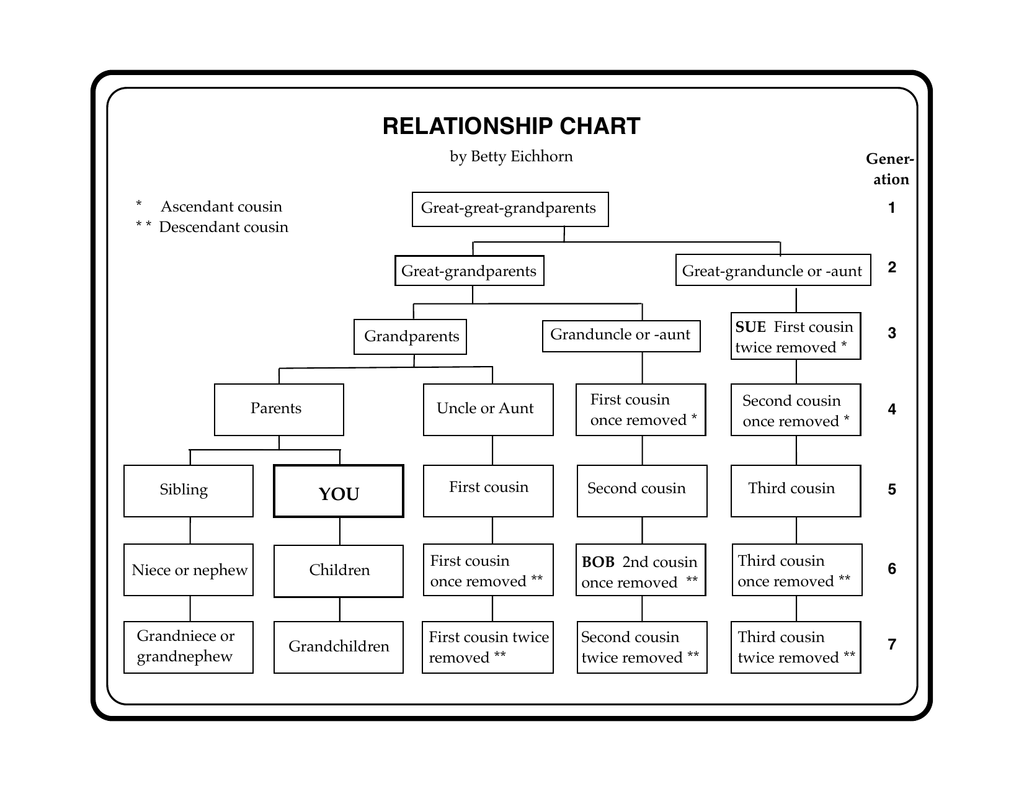
Enhancing Decision-Making with Relationship Charts
Relationship charts play a pivotal role in enhancing decision-making processes across various domains, from business strategy to personal development. By visualizing connections and interdependencies, individuals can gain valuable insights that inform strategic decisions, mitigate risks, and drive positive outcomes. Here are some ways in which relationship charts enhance decision-making:
Identifying Dependencies
Relationship charts help individuals identify dependencies and relationships between different elements, highlighting the interconnectedness of various factors. By pinpointing dependencies, individuals can assess the potential impact of decisions on related entities and anticipate ripple effects across the system. Understanding dependencies is crucial for making informed decisions that consider broader implications.
Mapping Influence Networks
Relationship charts enable individuals to map influence networks and identify key players or entities that exert significant impact within a system. By visualizing influence networks, decision-makers can pinpoint influential stakeholders, sources of power, and pathways for effecting change. Understanding influence networks is essential for strategic decision-making and stakeholder management.
Analyzing Cause-and-Effect Relationships
Relationship charts facilitate the analysis of cause-and-effect relationships, allowing individuals to trace the origins of problems or outcomes back to their root causes. By visualizing causal relationships, decision-makers can uncover underlying factors contributing to challenges or successes and develop targeted interventions. Analyzing cause-and-effect relationships enhances the effectiveness of decision-making processes.
Visualizing Decision Scenarios
Relationship charts enable individuals to visualize decision scenarios and explore potential outcomes based on different choices or actions. By creating decision trees or scenario maps within the chart, decision-makers can assess the consequences of various decisions and strategies. Visualizing decision scenarios helps individuals anticipate risks, opportunities, and trade-offs in decision-making.
Facilitating Cross-Functional Collaboration
Relationship charts promote cross-functional collaboration by providing a shared visual framework for discussing complex issues and decisions. By creating a common reference point that illustrates connections and interdependencies, team members from diverse backgrounds can collaborate more effectively. Facilitating cross-functional collaboration improves communication, alignment, and collective decision-making.
Supporting Data-Driven Decisions
Relationship charts support data-driven decisions by integrating quantitative metrics, performance indicators, or analytical insights into the visual representation. By incorporating data into the chart, decision-makers can leverage evidence-based information to inform their choices and strategies. Supporting data-driven decisions enhances the rigor and precision of decision-making processes.
Enhancing Risk Management
Relationship charts aid in risk management by highlighting potential vulnerabilities, dependencies, and interconnected risks within a system. By visualizing risk factors and their relationships, decision-makers can proactively identify and mitigate risks before they escalate. Enhancing risk management through relationship charts strengthens decision-making and promotes resilience.
Promoting Strategic Alignment
Relationship charts promote strategic alignment by aligning stakeholders, objectives, and resources towards common goals. By visualizing strategic relationships and dependencies, decision-makers can ensure that actions and decisions are coordinated and synchronized. Promoting strategic alignment fosters synergy, coherence, and effectiveness in decision-making processes.
Driving Innovation and Creativity
Relationship charts drive innovation and creativity by stimulating new insights, connections, and perspectives among decision-makers. By visualizing relationships in novel ways, individuals can uncover innovative solutions, alternative approaches, and untapped opportunities. Driving innovation and creativity through relationship charts enhances decision-making and fosters a culture of exploration and experimentation.
Improving Long-Term Planning
Relationship charts improve long-term planning by illustrating long-term trends, patterns, and strategic directions within a system. By visualizing long-term relationships and dependencies, decision-makers can anticipate future developments, challenges, and opportunities. Improving long-term planning through relationship charts enhances foresight, adaptability, and sustainability in decision-making processes.
Overall, relationship charts serve as powerful tools for enhancing decision-making across a wide range of contexts, from strategic planning to risk management. By visualizing connections, dependencies, and interdependencies, decision-makers can gain valuable insights that inform actions, strategies, and outcomes. Integrating relationship charts into decision-making processes empowers individuals to make more informed, strategic, and impactful decisions that drive success and innovation.
