As a landlord or a tenant, keeping track of rent payments and other financial transactions is crucial for maintaining transparency and accountability. This is where a rental ledger comes in handy.
A rental ledger is a detailed, chronological record of all rent payments and other financial transactions between a landlord and a tenant. It serves as a comprehensive account of all financial dealings related to a rental property, helping both parties stay organized and informed.
What Is a Rent Ledger?
A rent ledger is a document that records all financial transactions between a landlord and a tenant, including rent payments, security deposits, late fees, and any other charges or credits related to the rental property.
It provides a clear overview of the financial history of the tenancy, making it easier to track payments, identify any discrepancies, and resolve any disputes that may arise.
Benefits of Using a Rent Ledger
There are several benefits to using a rent ledger, both for landlords and tenants:
- Transparency: A rent ledger provides a transparent record of all financial transactions, ensuring that both parties are aware of the payments made and received.
- Organization: Keeping track of rent payments and other financial transactions in a rent ledger helps both landlords and tenants stay organized and avoid confusion or misunderstandings.
- Dispute Resolution: In case of any discrepancies or disputes, a rent ledger serves as a reliable source of information that can help resolve issues quickly and effectively.
- Legal Compliance: Maintaining a rent ledger can also help landlords and tenants comply with legal requirements regarding rental payments and financial records.
Items to Include in a Rent Ledger
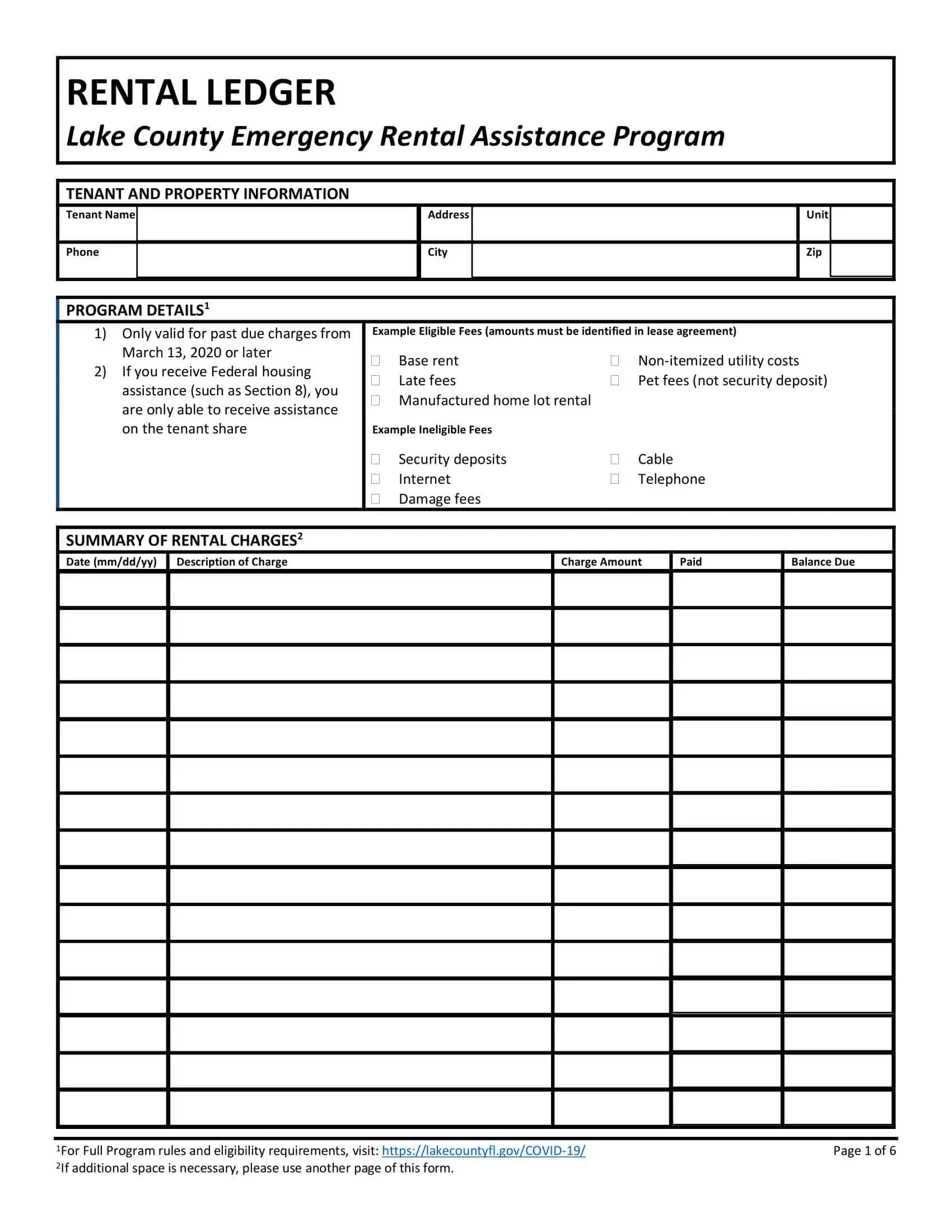
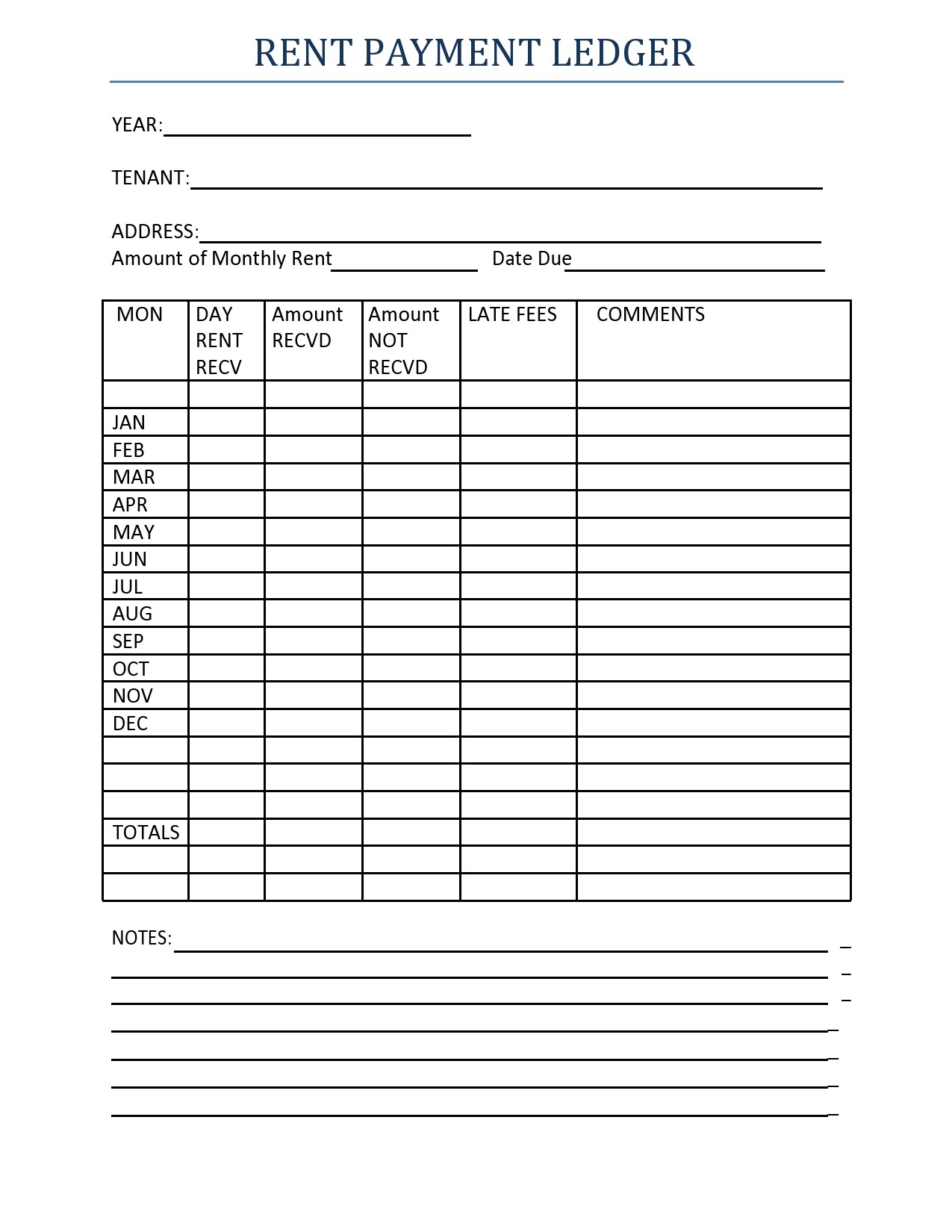
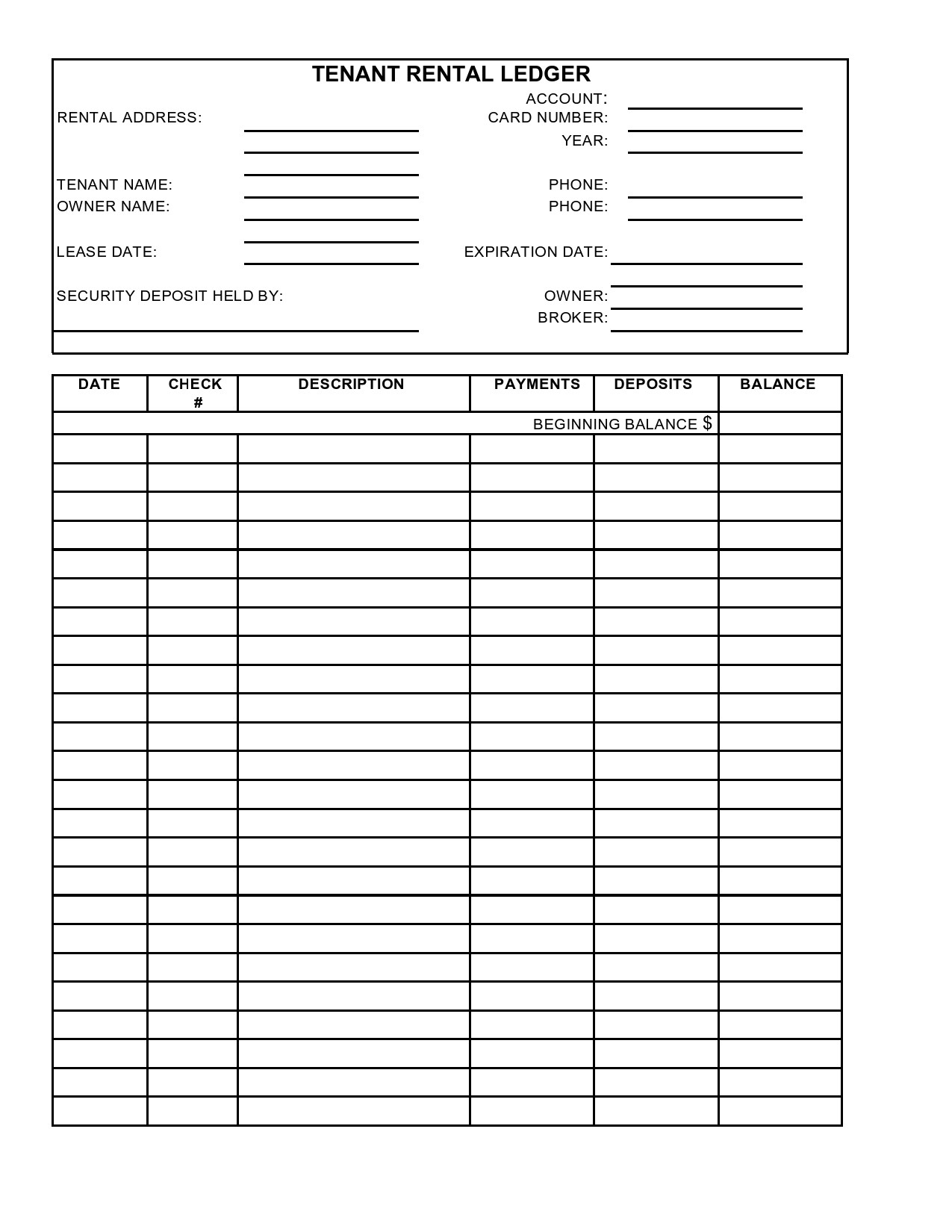
When creating a rent ledger, it’s important to include the following items to ensure comprehensive record-keeping:
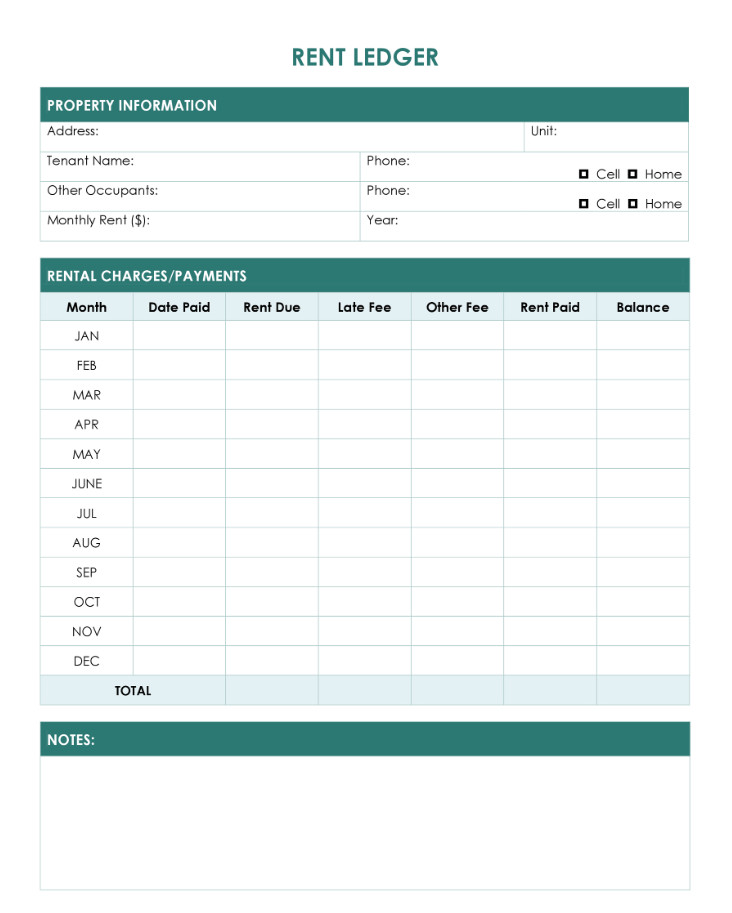
- Tenant Information: Include the full name, contact information, and any other relevant details of the tenant.
- Property Details: Specify the address of the rental property and any other pertinent information about the unit.
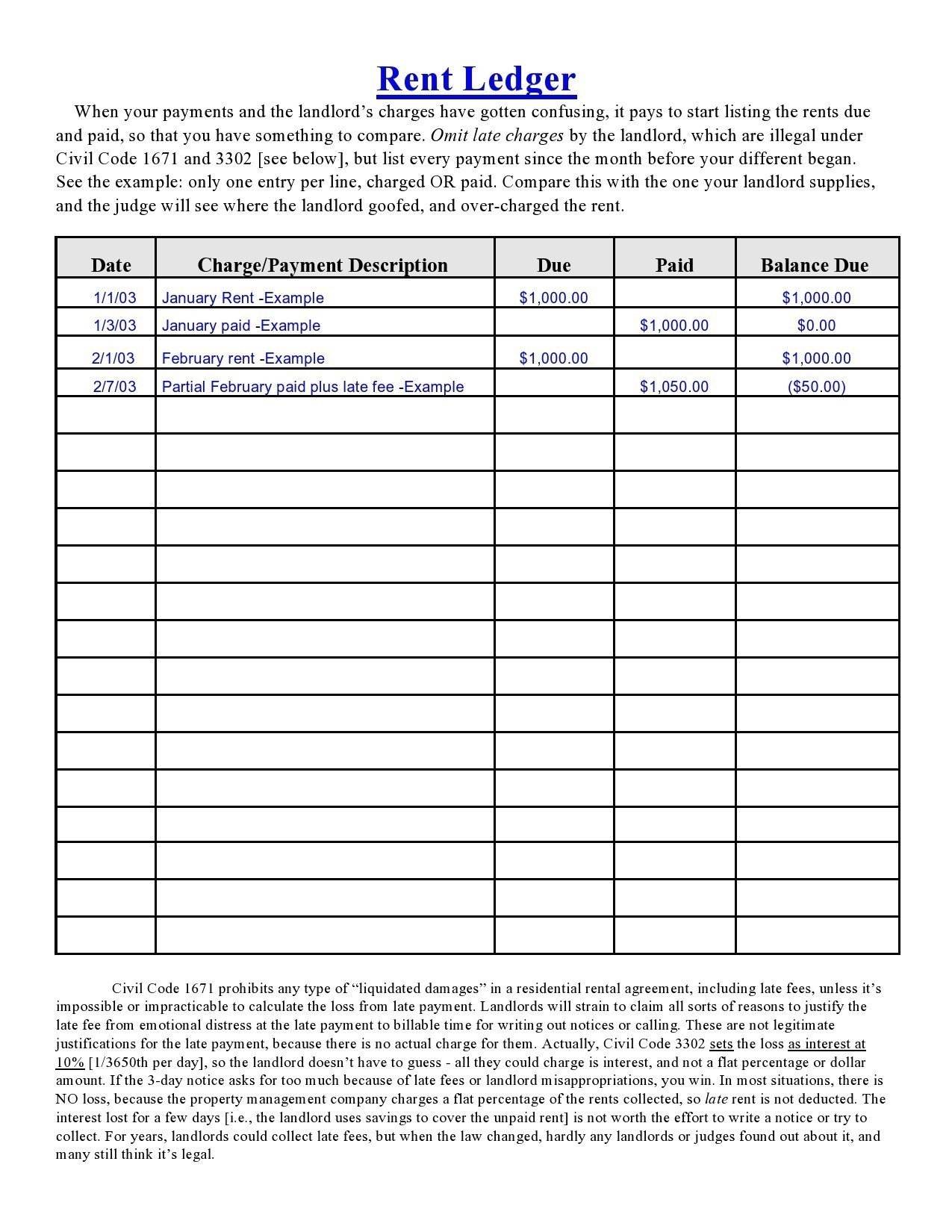
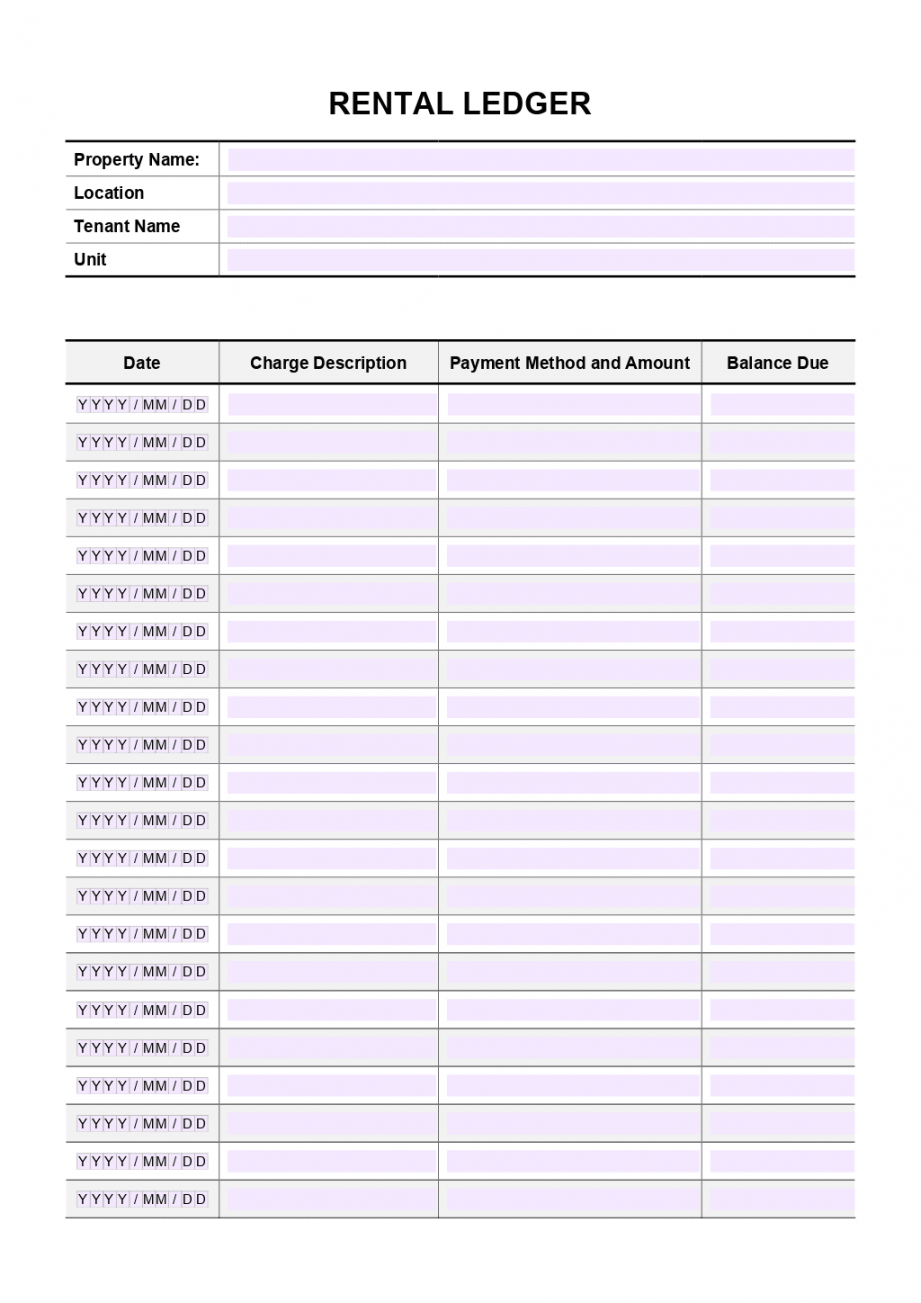
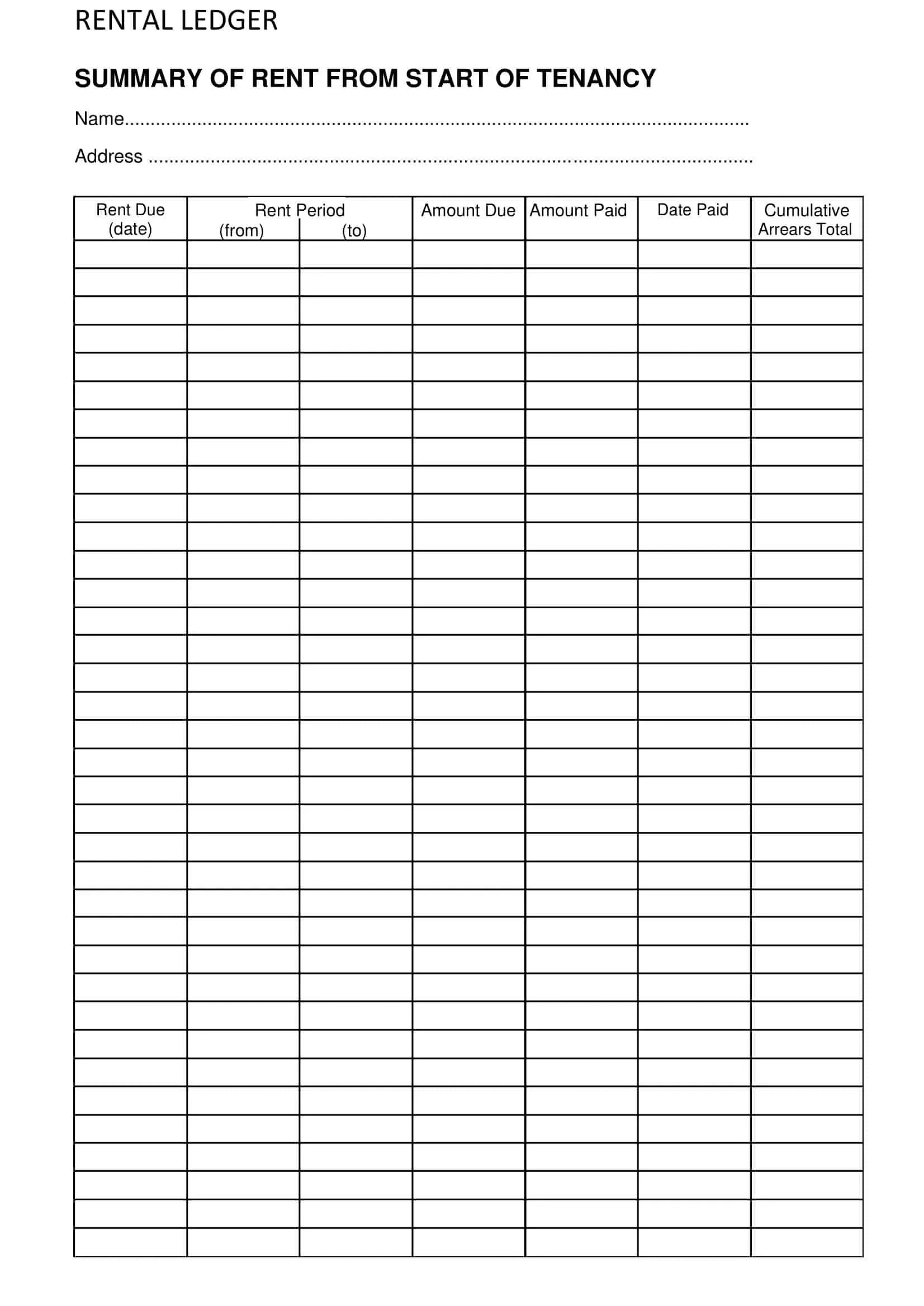
- Payment History: Record all rent payments, security deposits, late fees, and other financial transactions in chronological order.
- Notes: Include any additional information or comments related to the financial transactions, such as payment methods or reasons for late payments.
Examples
How Often Should a Rental Property Ledger Be Updated?
It is recommended to update the rental property ledger regularly, preferably on a monthly basis. This ensures that the information is up-to-date and accurate, making it easier to track payments and identify any discrepancies on time.
Who Can Use a Rent Ledger?
Both landlords and tenants can benefit from using a rent ledger. Landlords can use it to keep track of rent payments and other financial transactions, while tenants can use it to ensure that their payments are being accurately recorded and to maintain a record of their financial history with the landlord.
How to Use a Rent Ledger in the Case of an Eviction Action?
In the unfortunate event of an eviction action, a rent ledger can be a valuable tool for both landlords and tenants. Landlords can use it as evidence to support their case for eviction, providing a clear record of any missed payments or other breaches of the lease agreement. Tenants, on the other hand, can use the rent ledger to verify their payment history and dispute any incorrect charges or claims made by the landlord.
How to Manage a Rent Ledger Form
Managing a rent ledger form is relatively straightforward. Here are a few tips to help you effectively manage your rent ledger:
- Keep it Updated: Make sure to update the rent ledger regularly to ensure that the information is accurate and current.
- Organize Documents: Keep all relevant documents, such as receipts and invoices, organized and easily accessible for reference.
- Back-Up Data: Consider keeping digital copies of the rent ledger and related documents to prevent loss of information.
In Conclusion
A rent ledger is an essential tool for both landlords and tenants to maintain transparency, organization, and accountability in their financial transactions related to a rental property. By keeping a detailed record of all payments and other financial dealings, both parties can ensure a smooth and efficient rental experience.
