
When it comes to taking out a loan, understanding how the monthly payments are structured can be crucial in managing your finances effectively. This is where a monthly amortization schedule comes into play, providing a clear and transparent roadmap of how a loan is paid off over time. By detailing exactly how each monthly payment is split between the principal (the original amount borrowed) and the interest (the cost of borrowing), borrowers can have a better grasp of their financial obligations and progress towards paying off the loan.
What is a Monthly Amortization Schedule?
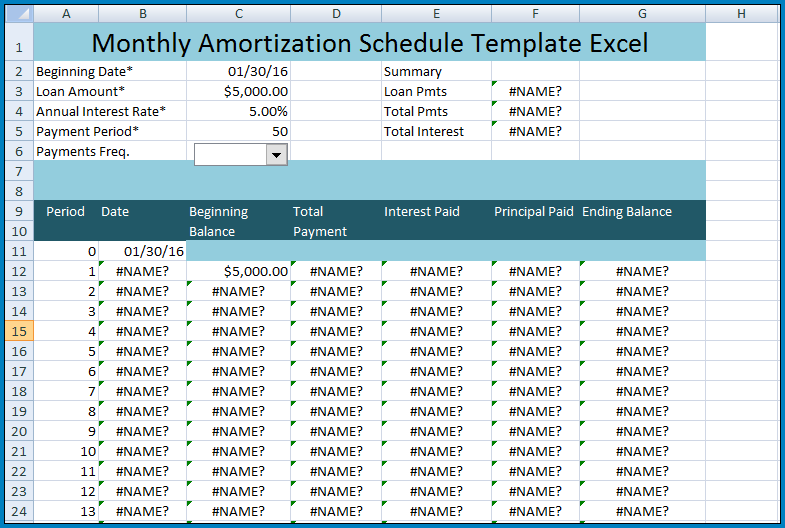
A monthly amortization schedule is a table that outlines the breakdown of each monthly payment for a loan. It shows how much of each payment goes towards paying off the principal balance and how much goes towards paying the interest. This schedule provides borrowers with a detailed overview of their loan repayment plan, helping them track their progress and understand how much they still owe at any given time.
Why is a Monthly Amortization Schedule Important?
Having a monthly amortization schedule is important for several reasons. Firstly, it allows borrowers to see exactly how their monthly payments are being applied towards the principal and interest, giving them a clear understanding of where their money is going. This transparency can help borrowers make informed financial decisions and budget effectively.
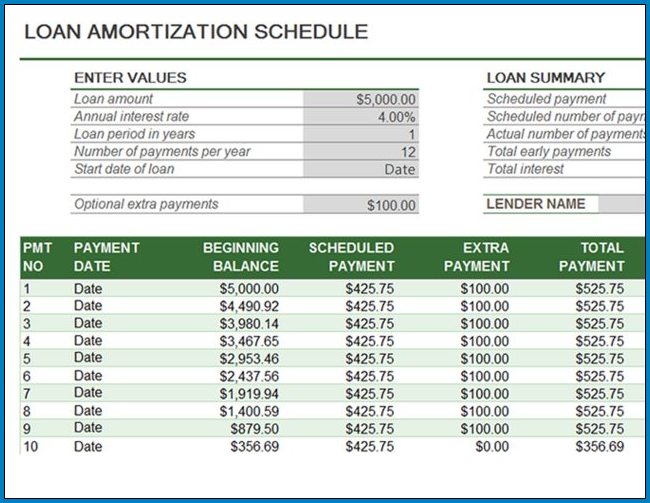
Additionally, a monthly amortization schedule can also help borrowers visualize the impact of making extra payments towards the principal. By seeing how additional payments can reduce the total interest paid and shorten the loan term, borrowers can strategize on how to pay off their loan faster and save money in the long run.
Key Elements of a Monthly Amortization Schedule
When looking at a monthly amortization schedule, there are several key elements to pay attention to:
- Payment Amount: The total amount due each month, including both principal and interest.
- Principal Payment: The portion of the payment that goes towards reducing the loan balance.
- Interest Payment: The cost of borrowing, calculated based on the remaining loan balance.
- Total Interest Paid: The cumulative amount of interest paid over the life of the loan.
- Remaining Balance: The outstanding loan balance after each payment is made.
Samples of Monthly Amortization Schedule:


How to Read a Monthly Amortization Schedule
Reading a monthly amortization schedule may seem daunting at first, but it is relatively straightforward once you understand the key components. Here’s a step-by-step guide on how to read a monthly amortization schedule:
- Find the Payment Amount: Locate the total amount due for each month, which includes both principal and interest.
- Identify the Principal Payment: Determine how much of each payment goes towards reducing the loan balance.
- Calculate the Interest Payment: Understand the cost of borrowing for each month, based on the remaining loan balance.
- Track the Total Interest Paid: Keep an eye on the cumulative amount of interest paid over time.
- Monitor the Remaining Balance: See how much is still owed after each payment is made.
Tips for Managing Your Monthly Amortization Schedule
Managing your monthly amortization schedule effectively can help you stay on track with your loan repayment. Here are some tips to make the most of your monthly amortization schedule:
- Make Extra Payments: Consider making additional payments towards the principal to reduce the total interest paid and shorten the loan term.
- Review Regularly: Check your monthly amortization schedule regularly to monitor your progress and track any changes in your loan balance.
- Plan Ahead: Anticipate any changes in your financial situation and adjust your payments accordingly to stay on top of your loan repayment.
- Seek Assistance: If you have trouble understanding your monthly amortization schedule, don’t hesitate to seek help from a financial advisor or loan servicer for clarification.
Conclusion
A monthly amortization schedule is a valuable tool for borrowers to understand how their loan payments are structured and track their progress towards paying off their debt. By analyzing the breakdown of each payment between the principal and interest, borrowers can make informed financial decisions and strategize on how to save money and pay off their loan faster. With transparency and clarity, a monthly amortization schedule provides a clear roadmap for borrowers to manage their finances effectively.
