Reading is a fundamental skill that plays a crucial role in our personal and professional lives. Whether you enjoy diving into a captivating novel or delving into an informative non-fiction book, keeping track of your reading progress can significantly enhance your overall reading experience. One effective way to monitor your reading habits, set goals, and improve comprehension is by using a reading log.
What Is a Reading Log?
A reading log is a tool used to track your reading progress, foster reflection on texts, and encourage deeper engagement with reading material. It serves as a record of the books you have read, allowing you to jot down your thoughts, reactions, and insights as you navigate through different genres and authors.
By maintaining a reading log, you can create a personalized database of your reading journey, which can help you identify patterns in your reading habits, set realistic reading goals, and enhance your critical thinking skills.
How a Reading Log Works
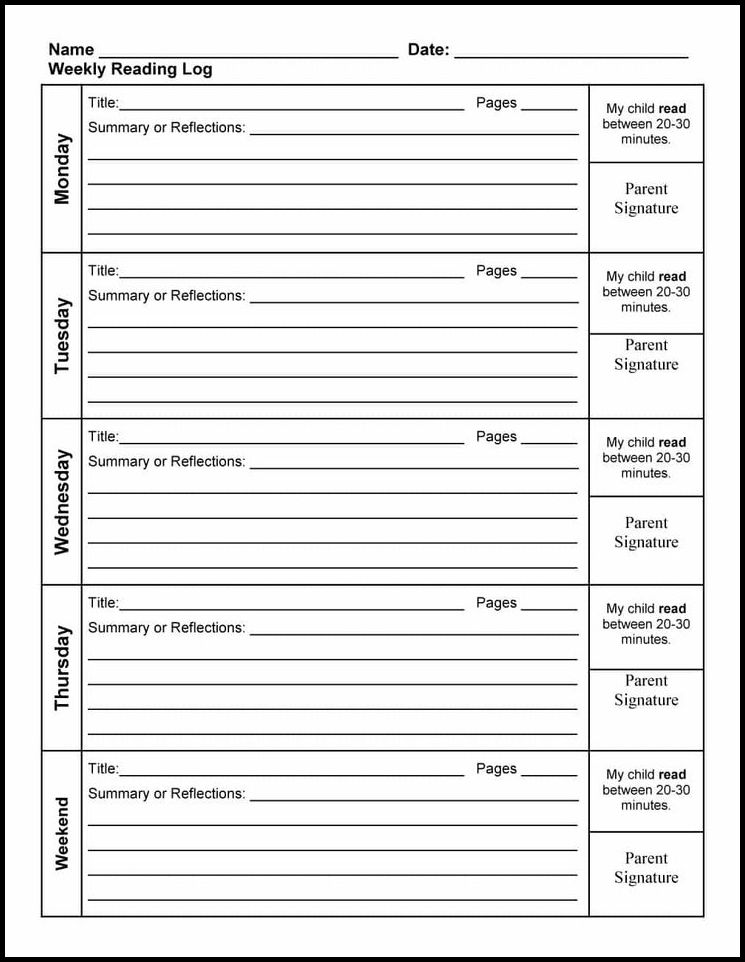
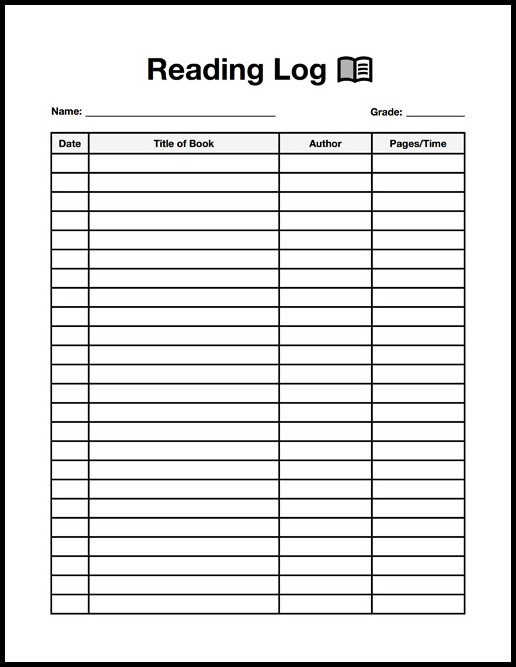
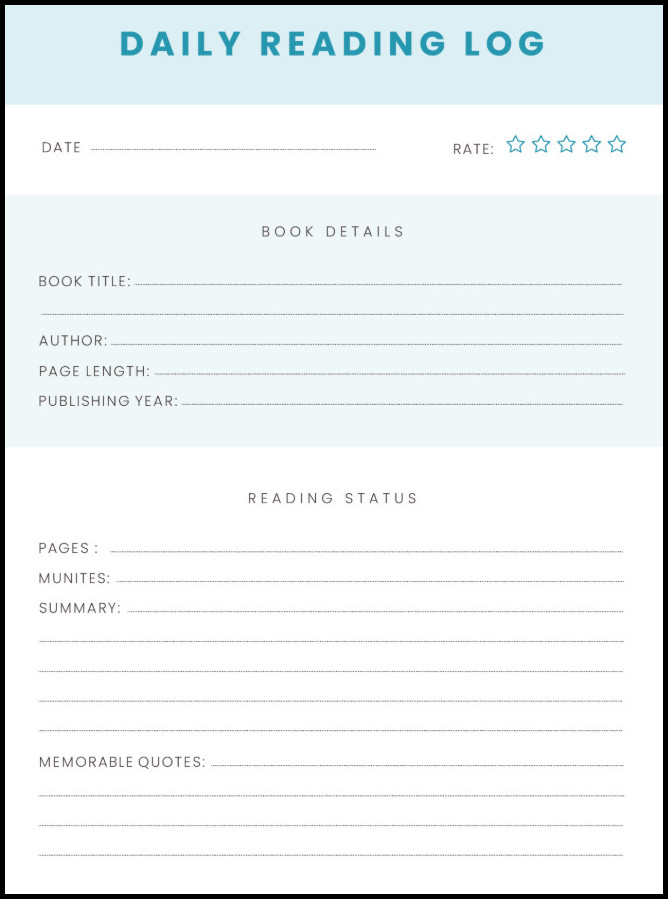
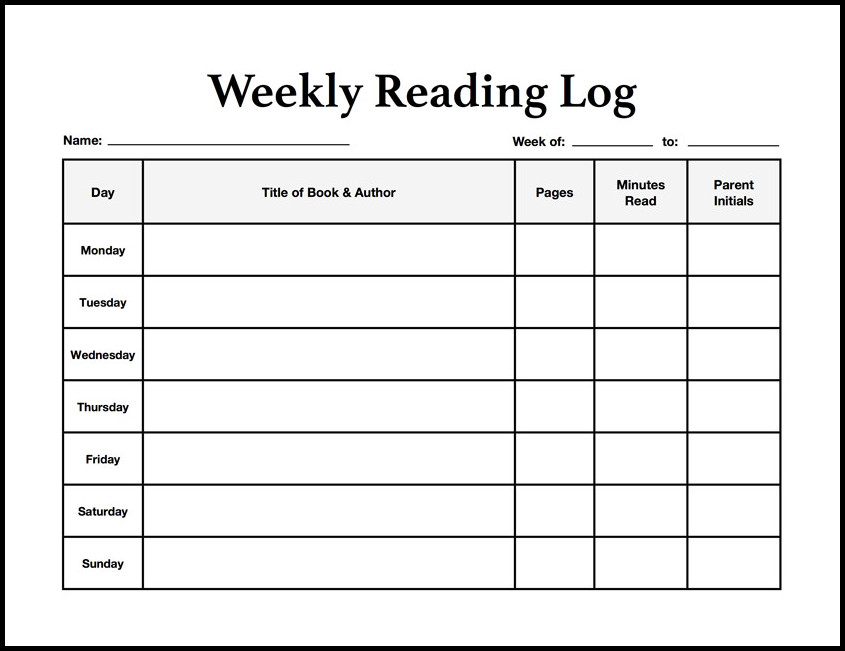
A reading log typically includes details such as the title of the book, author, genre, date started, date finished, and a summary or reflection on the content. Some readers also like to rate the books they read or jot down memorable quotes that resonated with them.
Keeping a reading log can be as simple as using a notebook or a dedicated online platform or app. The key is to find a system that works for you and makes it easy to update your progress regularly.
Benefits of Reading Logs
There are numerous benefits to maintaining a reading log, including:
- Tracking Progress: By logging each book you read, you can visually see how much you have accomplished over time.
- Fostering Reflection: Writing down your thoughts and reactions to books can deepen your understanding and appreciation of the content.
- Setting Goals: A reading log can help you set specific reading goals, such as reading a certain number of books in a month or exploring new genres.
- Enhancing Comprehension: Reflecting on what you read can improve your comprehension skills and critical thinking abilities.
- Discovering Patterns: By analyzing your reading log, you may uncover trends in your reading preferences or identify areas for growth.
- Building Accountability: Sharing your reading log with others or joining a book club can provide accountability and motivation to keep reading.
The Importance of Reading Logs in Children’s Development
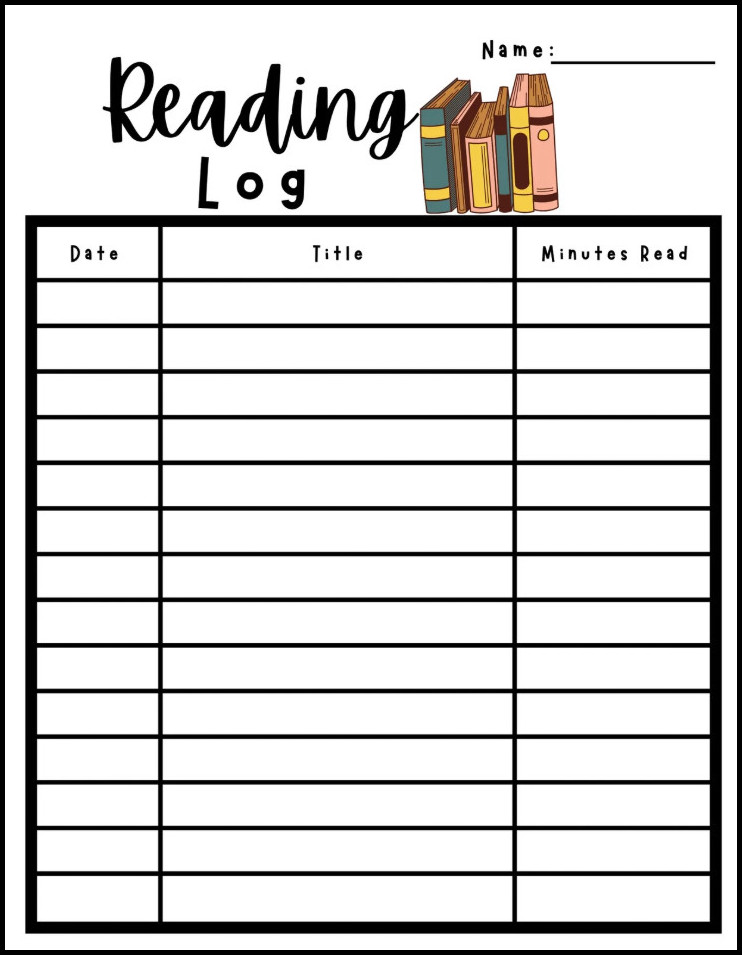
Reading logs are not just beneficial for adults; they can also play a significant role in children’s development. By encouraging young readers to keep track of their reading progress, parents and educators can help instill a love of reading, improve literacy skills, and foster a lifelong habit of learning.
1. Encouraging Regular Reading Habits
Children who maintain a reading log are more likely to establish a routine of reading regularly, which can lead to improved academic performance and enhanced vocabulary.
2. Enhancing Comprehension Skills
Reflecting on the books they read can help children deepen their understanding of the content, make connections between texts, and develop critical thinking abilities.
3. Setting Achievable Goals
By setting reading goals and tracking their progress, children can build confidence, motivation, and a sense of accomplishment as they work towards completing books.
4. Promoting Independence and Responsibility
Keeping a reading log encourages children to take ownership of their reading habits, make thoughtful choices about what they read, and become more responsible learners.
5. Strengthening Parent-Child Relationships
Parents can use reading logs as a tool to bond with their children, discuss books together, and support their reading journey by recommending new titles or authors.
6. Cultivating a Lifelong Love of Reading
By making reading a fun and engaging activity through the use of reading logs, children are more likely to develop a lifelong love of books and learning.
7. Improving Academic Performance
Children who regularly engage with books and reflect on their reading experiences are better equipped to excel in school, develop strong writing skills, and perform well on standardized tests.
8. Building Critical Thinking Skills
Encouraging children to think critically about the books they read, analyze characters, and evaluate plot developments can enhance their analytical skills and broaden their perspective.
9. Nurturing Creativity and Imagination
Engaging with a variety of books and genres through a reading log can spark creativity, stimulate imagination, and inspire children to explore new worlds through the power of storytelling.
10. Creating a Sense of Accomplishment
Completing books and documenting their reading progress in a log can give children a sense of achievement, boost their self-esteem, and encourage them to tackle more challenging texts.
Tips to Get the Most Out of Your Reading
To maximize the benefits of using a reading log, consider implementing the following tips:
- Set Realistic Goals: Start with achievable reading goals that align with your interests and schedule.
- Diversify Your Reading: Explore different genres, authors, and formats to broaden your reading experience.
- Make Time for Reading: Schedule dedicated reading time each day to prioritize your literary pursuits.
- Engage with the Material: Take notes, highlight passages, and ask questions to deepen your understanding of the content.
- Join a Book Club: Participating in a book club or discussion group can enhance your reading experience and provide valuable insights from other readers.
- Share Your Progress: Share your reading log with friends, family, or online communities to stay motivated and accountable.
- Reflect Regularly: Take time to reflect on your reading journey, celebrate achievements, and identify areas for growth.
- Experiment with Different Formats: Try audiobooks, e-books, or graphic novels to explore new ways of consuming stories and information.
- Seek Recommendations: Ask for book recommendations from fellow readers, librarians, or bookstores to discover hidden gems and new favorites.
By incorporating these tips into your reading routine and leveraging the power of a reading log, you can enrich your reading experience, enhance your comprehension skills, and foster a deeper connection with the written word.
