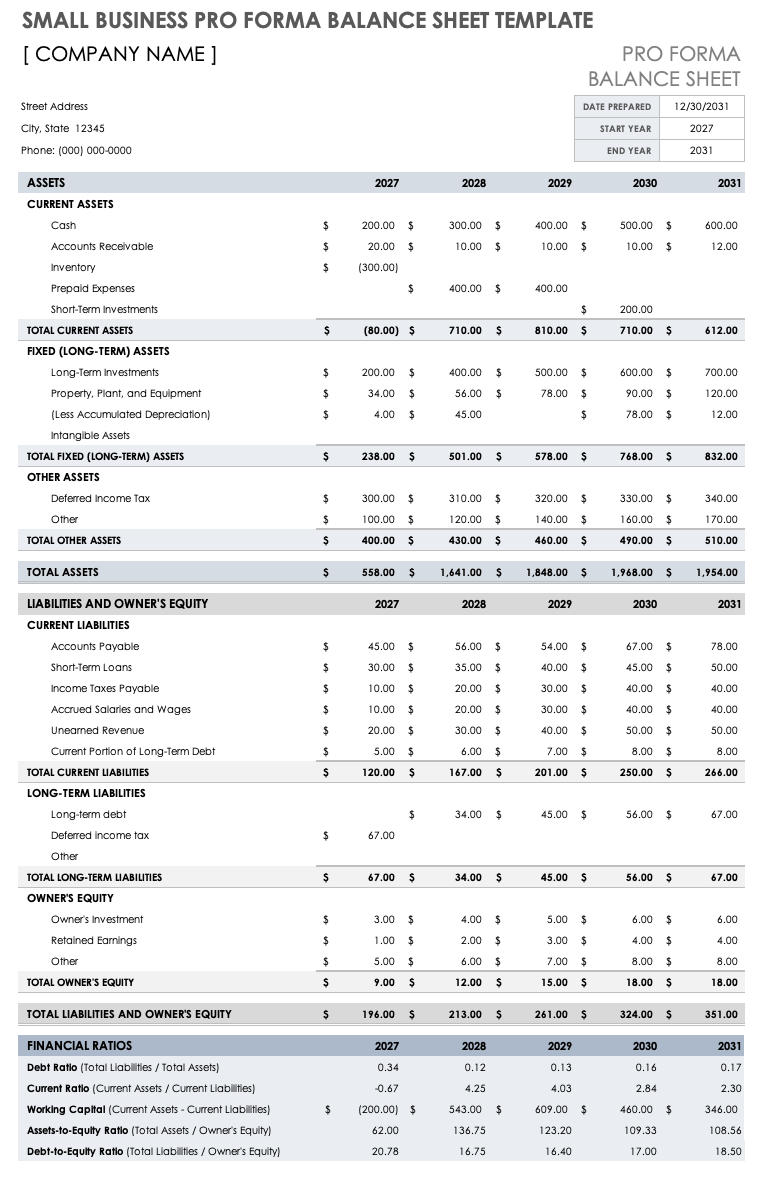
Running a small business comes with its own set of challenges, especially when it comes to managing finances. One crucial tool that can help you track the financial health of your small business and make informed decisions is a balance sheet. A balance sheet provides a snapshot of your business’s financial position at a specific point in time, showing your assets, liabilities, and equity. This information is essential for various reasons, such as filing taxes, securing a loan, bringing in investors, or selling your business.
What is a Small Business Balance Sheet?
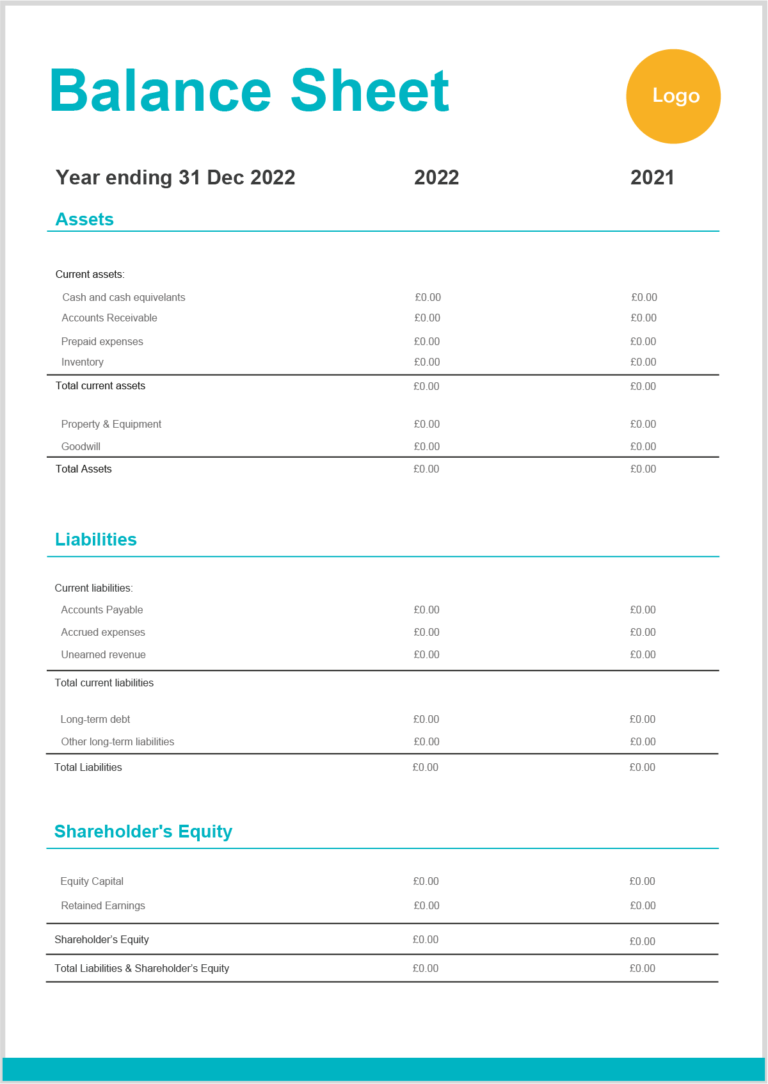
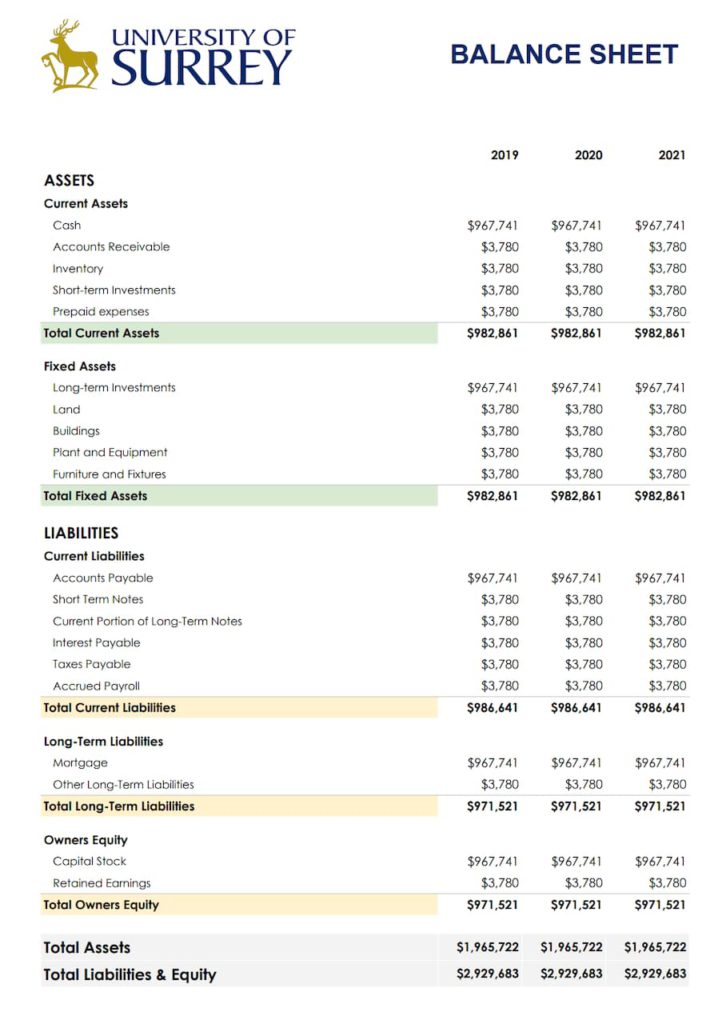
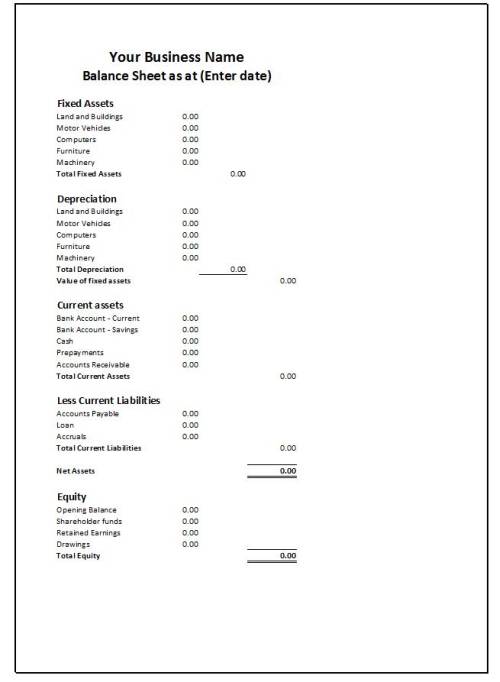
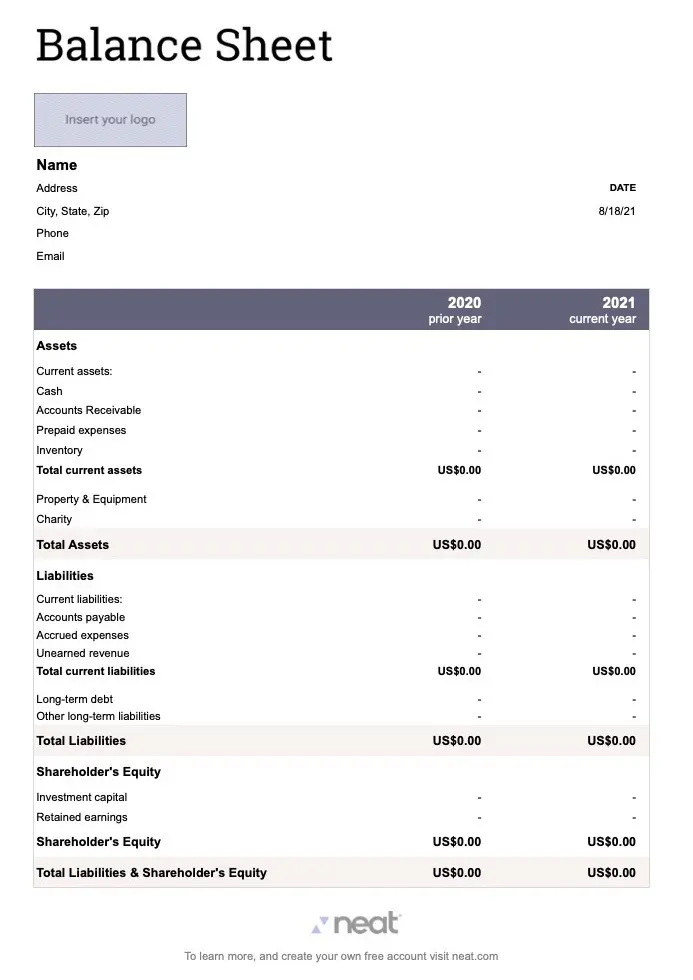
A small business balance sheet is a financial statement that summarizes the assets, liabilities, and equity of your business at a specific point in time. Assets include everything your business owns, such as cash, inventory, equipment, and real estate. Liabilities represent your business’s debts, including loans, accounts payable, and accrued expenses. Equity shows the ownership interest in your business, which is the difference between your assets and liabilities.
Creating a balance sheet for your small business is essential for understanding your financial position and making informed decisions. It provides a clear picture of your business’s financial health, helping you identify areas of strength and weakness. Additionally, a balance sheet can help you track your business’s growth over time and make strategic decisions to improve profitability.
Why is a Balance Sheet Important?
A balance sheet is crucial for small businesses for several reasons. Firstly, it helps you assess your business’s financial health by providing a snapshot of your assets, liabilities, and equity. This information is essential for making informed decisions about managing your cash flow, investing in growth opportunities, and planning for the future.
Secondly, a balance sheet is necessary for filing taxes accurately. The information on your balance sheet is used to calculate your business’s taxable income and determine how much you owe in taxes. By keeping accurate and up-to-date balance sheets, you can avoid any issues with the IRS and ensure compliance with tax regulations.
Lastly, a balance sheet is essential for securing a loan or attracting investors. Lenders and investors often review a business’s balance sheet to assess its financial stability and performance. A strong balance sheet can increase your chances of getting approved for a loan or attracting potential investors who are interested in supporting your business growth.
How to Create a Balance Sheet for a Small Business
Creating a balance sheet for your small business is a straightforward process that involves listing your assets, liabilities, and equity. Here are the steps to create a balance sheet:
1. List all your assets: Start by listing all the assets your business owns, such as cash, accounts receivable, inventory, equipment, and property.
2. Calculate your total assets: Add up the value of all your assets to determine your total assets.
3. List all your liabilities: Next, list all the liabilities your business owes, including loans, accounts payable, and accrued expenses.
4. Calculate your total liabilities: Add up the value of all your liabilities to determine your total liabilities.
5. Calculate your equity: Calculate your equity by subtracting your total liabilities from your total assets.
6. Prepare the balance sheet: Organize your assets, liabilities, and equity into a balance sheet format with assets on one side and liabilities and equity on the other side.
7. Review and analyze: Review your balance sheet regularly to track changes in your business’s financial position and make informed decisions.
Tips for Growing a Successful Small Business
Growing a successful small business requires careful financial management and strategic planning. Here are some tips to help you grow your small business:
- Monitor your cash flow: Keep track of your cash flow to ensure you have enough money to cover expenses and invest in growth opportunities.
- Set financial goals: Establish clear financial goals for your business and create a budget to help you achieve them.
- Invest in marketing: Invest in marketing strategies to attract new customers and increase sales.
- Seek professional advice: Consult with financial advisors or accountants to get expert guidance on managing your finances.
- Stay organized: Keep detailed financial records and regularly review your balance sheet to stay on top of your business’s financial health.
- Adapt to market changes: Stay informed about market trends and adapt your business strategy to remain competitive.
- Focus on customer satisfaction: Prioritize customer satisfaction to build loyalty and attract repeat business.
In Conclusion
In conclusion, a small business balance sheet is a valuable tool for tracking the financial health of your business and making informed decisions. By creating and regularly reviewing your balance sheet, you can gain insights into your business’s financial position, identify areas for improvement, and plan for future growth. Whether you need to file taxes, secure a loan, attract investors, or sell your business, a well-maintained balance sheet is essential for success. Use the tips provided to grow a successful small business and achieve your financial goals.
Small Business Balance Sheet Template
