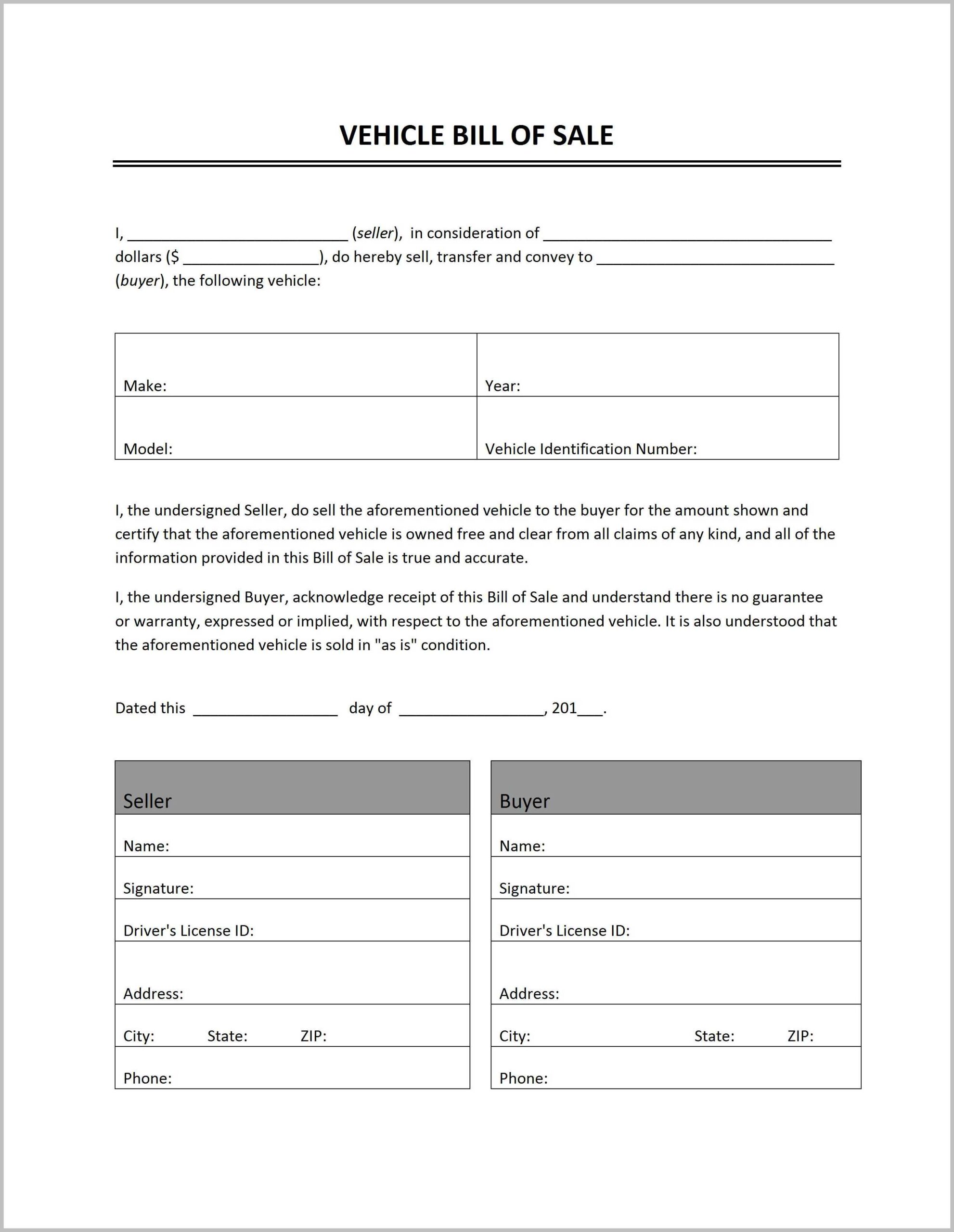
When it comes to buying or selling personal property, having a standard bill of sale is crucial in ensuring a smooth and legally binding transaction. A bill of sale acts as a legal document that proves the transfer of ownership of an item from a seller to a buyer, protecting both parties by recording the transaction details. It serves as an official receipt and proof of purchase for the buyer, helping them register the item or make future inquiries, while also absolving the seller of liability after the sale is complete. While bills of sale are commonly used for larger items like vehicles, watercraft, or furniture, they can be used for any personal property.
What is a Standard Bill of Sale?
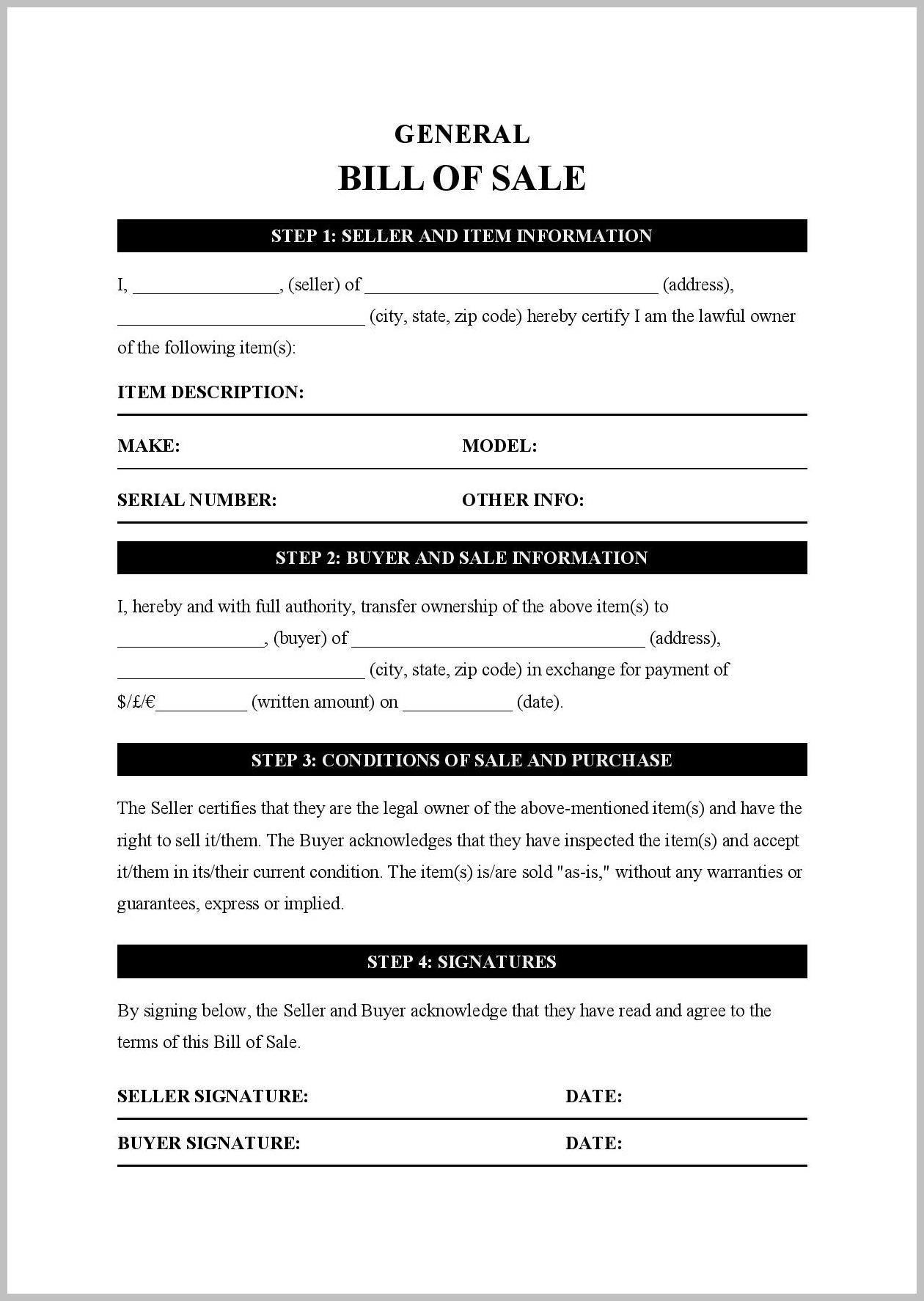
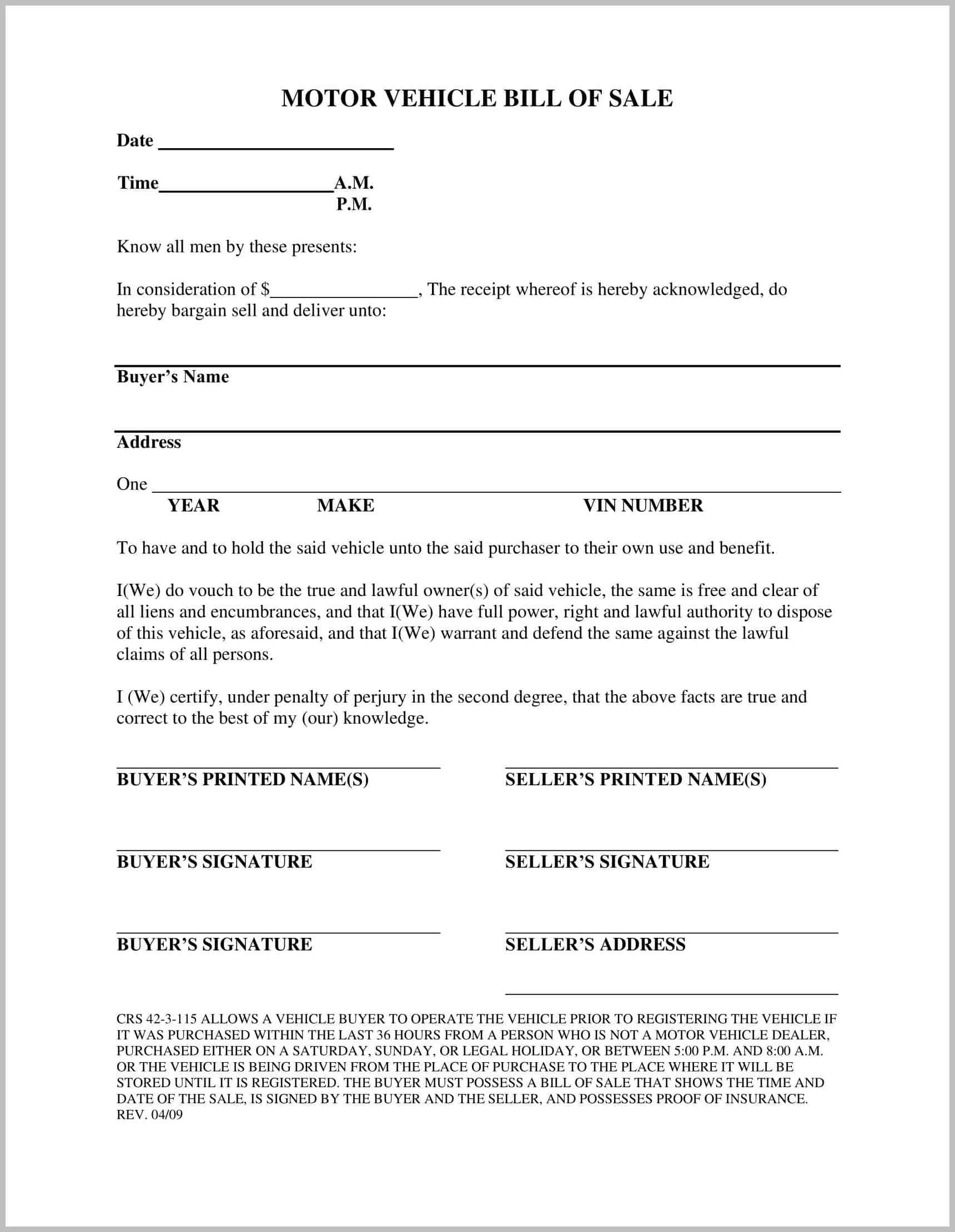
A standard bill of sale is a written document that outlines the details of a transaction between a buyer and a seller. It includes information such as the names and addresses of both parties, a description of the item being sold, the sale price, the date of the sale, and any conditions of the sale. By signing a bill of sale, both parties acknowledge that the item has been transferred from the seller to the buyer, and agree to the terms of the transaction.
Why Use a Standard Bill of Sale?
There are several important reasons to use a standard bill of sale when buying or selling personal property:
- Legal Protection: A bill of sale serves as a legal document that can be used as evidence of the transfer of ownership in case of any disputes or misunderstandings.
- Proof of Purchase: The buyer can use the bill of sale as proof of purchase when registering the item or making warranty claims in the future.
- Liability Protection: By documenting the sale with a bill of sale, the seller can protect themselves from any liability related to the item after it has been sold.
- Record Keeping: Having a bill of sale helps both parties keep a record of the transaction details for their own records.
- Clarity and Transparency: A bill of sale ensures that both parties are clear on the terms of the sale, reducing the risk of misunderstandings or disagreements.
What to Include in a Standard Bill of Sale
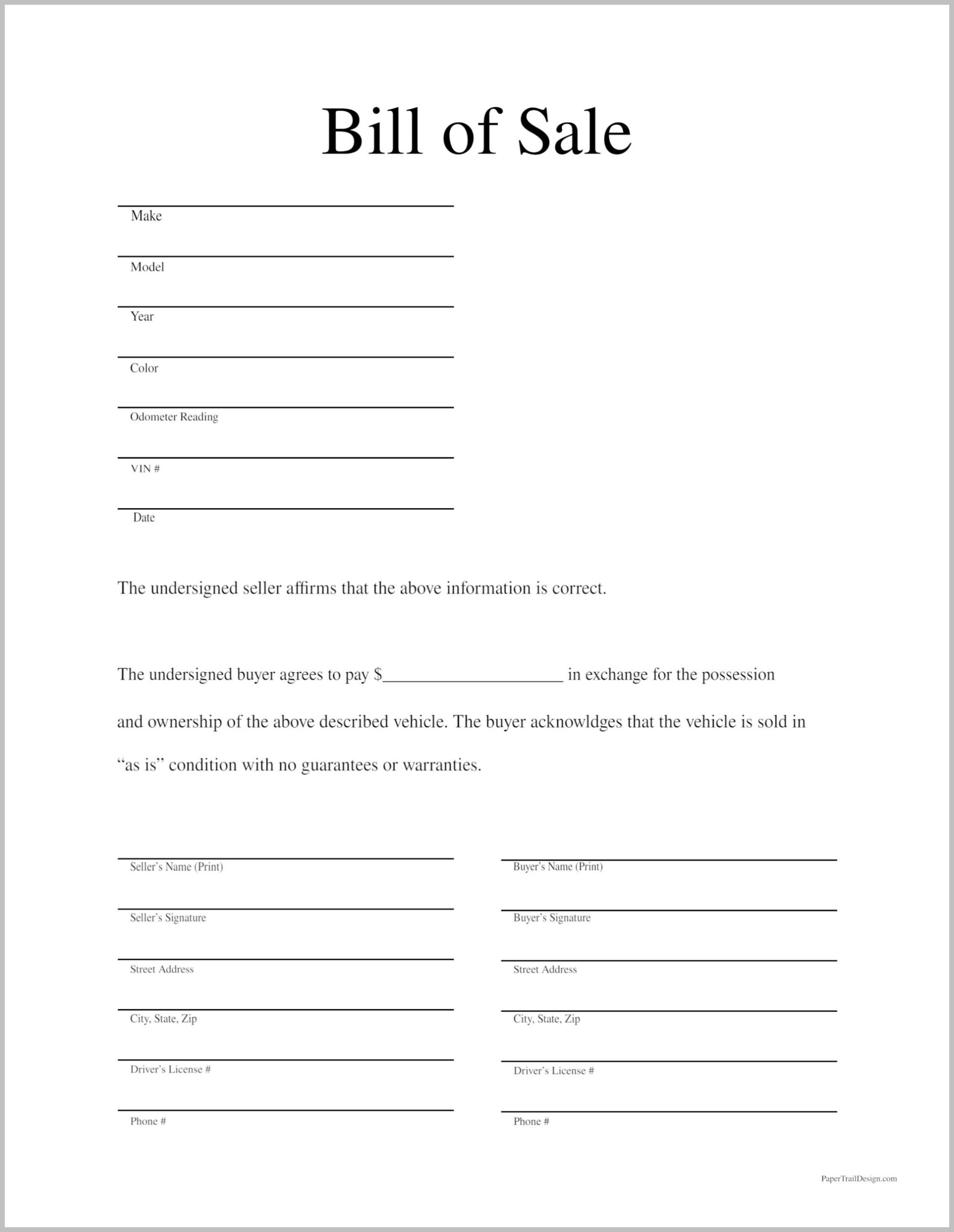
When creating a standard bill of sale, there are several key elements that should be included to ensure that the document is legally binding and comprehensive:
- Names and Addresses: Include the full names and addresses of both the buyer and the seller.
- Description of Item: Provide a detailed description of the item being sold, including any relevant serial numbers or identifying features.
- Sale Price: Clearly state the agreed-upon sale price for the item.
- Date of Sale: Include the date on which the sale took place.
- Conditions of Sale: Specify any conditions or terms of the sale, such as warranties or guarantees.
- Signatures: Both the buyer and the seller should sign the bill of sale to acknowledge the transaction.
How to Create a Standard Bill of Sale
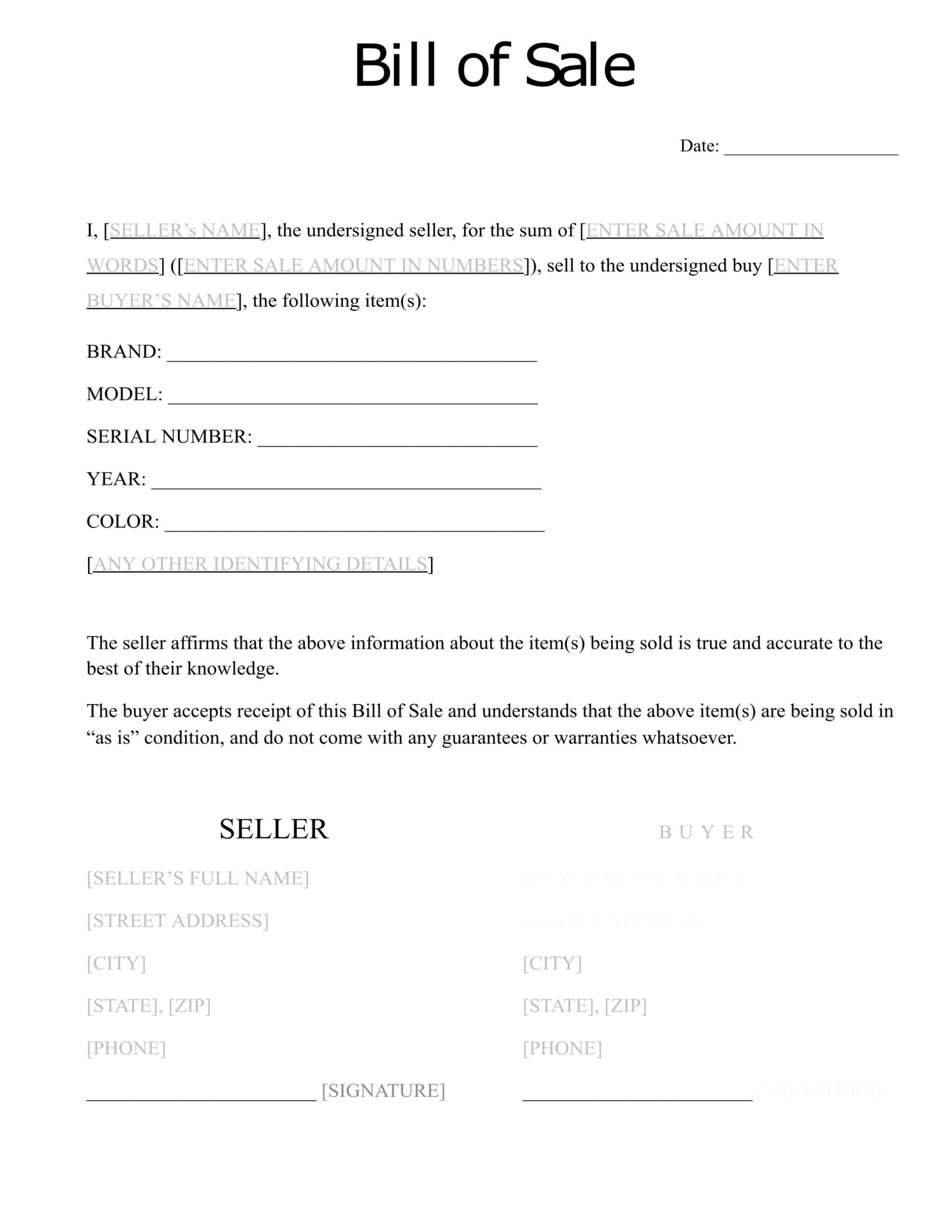
Creating a standard bill of sale is a straightforward process that can be done using a template or by drafting your own document. Here are some steps to follow when creating a bill of sale:
- Use a Template: Start with a bill of sale template to ensure that you include all the necessary information.
- Fill in Details: Input the names, addresses, item description, sale price, date of sale, and any conditions of the sale.
- Review and Sign: Double-check the document for accuracy and have both parties sign the bill of sale to make it legally binding.
Tips for Successful Bill of Sale Transactions
To ensure a successful and legally binding transaction with a standard bill of sale, consider the following tips:
- Be Detailed: Include as much information as possible about the item being sold to avoid any misunderstandings.
- Use Clear Language: Write the bill of sale in clear and straightforward language that is easy for both parties to understand.
- Keep Copies: Make copies of the bill of sale for both the buyer and the seller to keep for their records.
- Consult Legal Advice: If you have any questions or concerns about the transaction, consider consulting with a legal professional for guidance.
- Keep it Professional: Treat the creation of a bill of sale as a formal legal document and approach it with professionalism and attention to detail.
By following these guidelines and using a standard bill of sale, both buyers and sellers can protect their rights and ensure a smooth and secure transaction process.
Standard Bill of Sale Template
