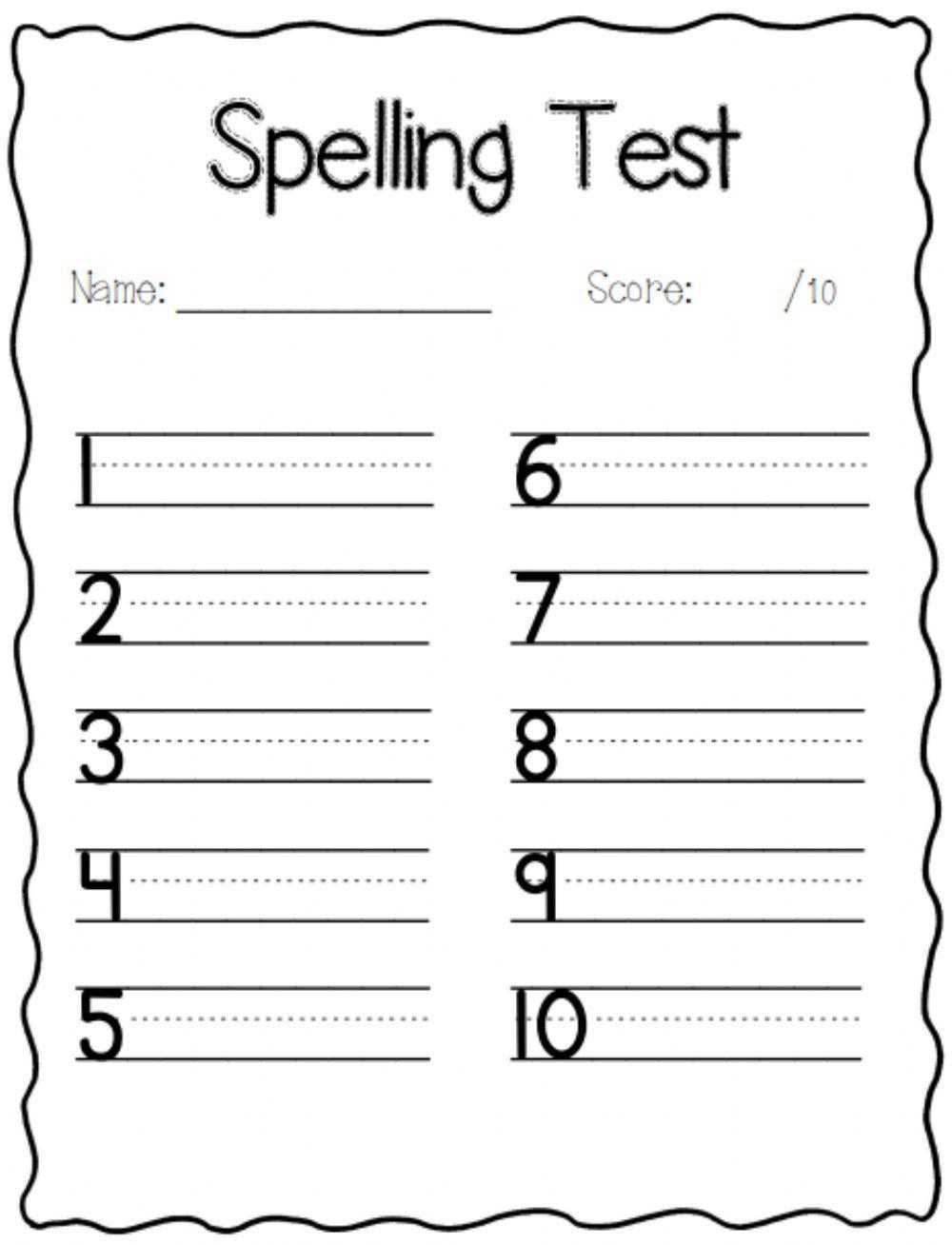
Spelling tests are a common tool used by educators to assess students’ spelling abilities. However, administering and tracking these tests can be time-consuming and challenging, especially when dealing with multiple students. This is where a spelling test template comes into play. A spelling test template is a structured tool that provides educators with a standardized format for administering spelling tests, recording results, and analyzing student performance. By using a spelling test template, educators can easily track students’ progress, identify areas for improvement, and provide targeted instruction and feedback.
What is a Spelling Test Template?
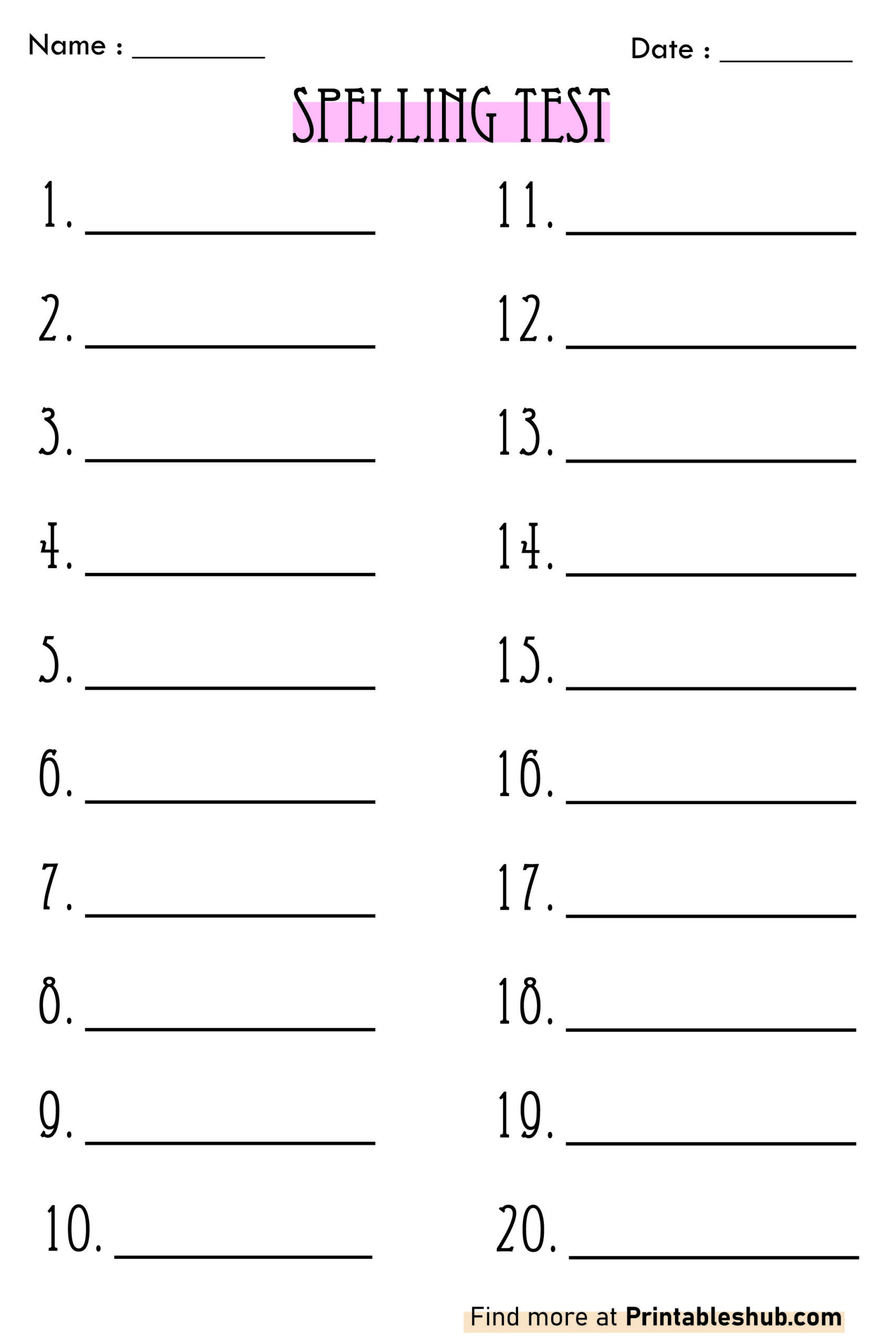
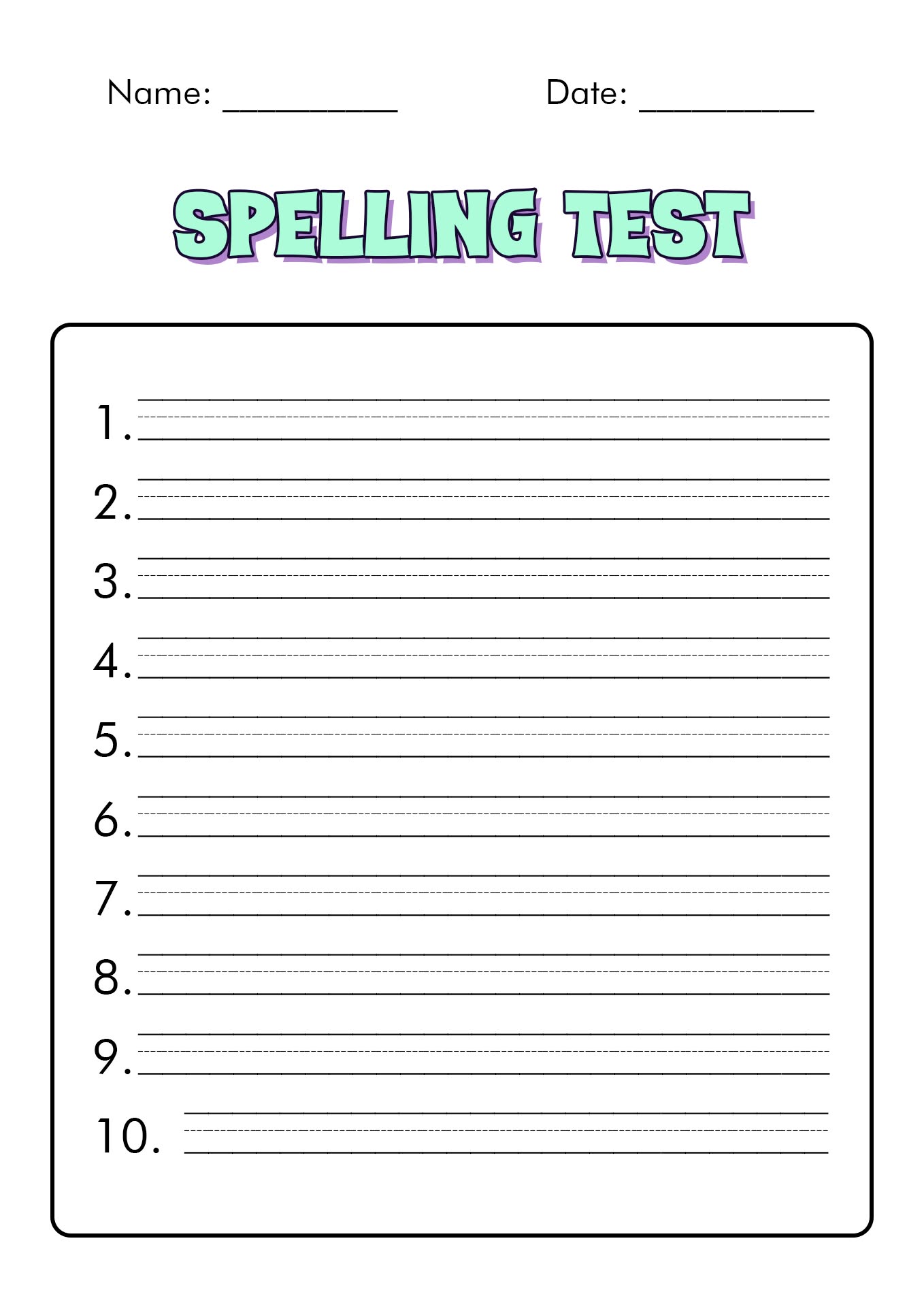
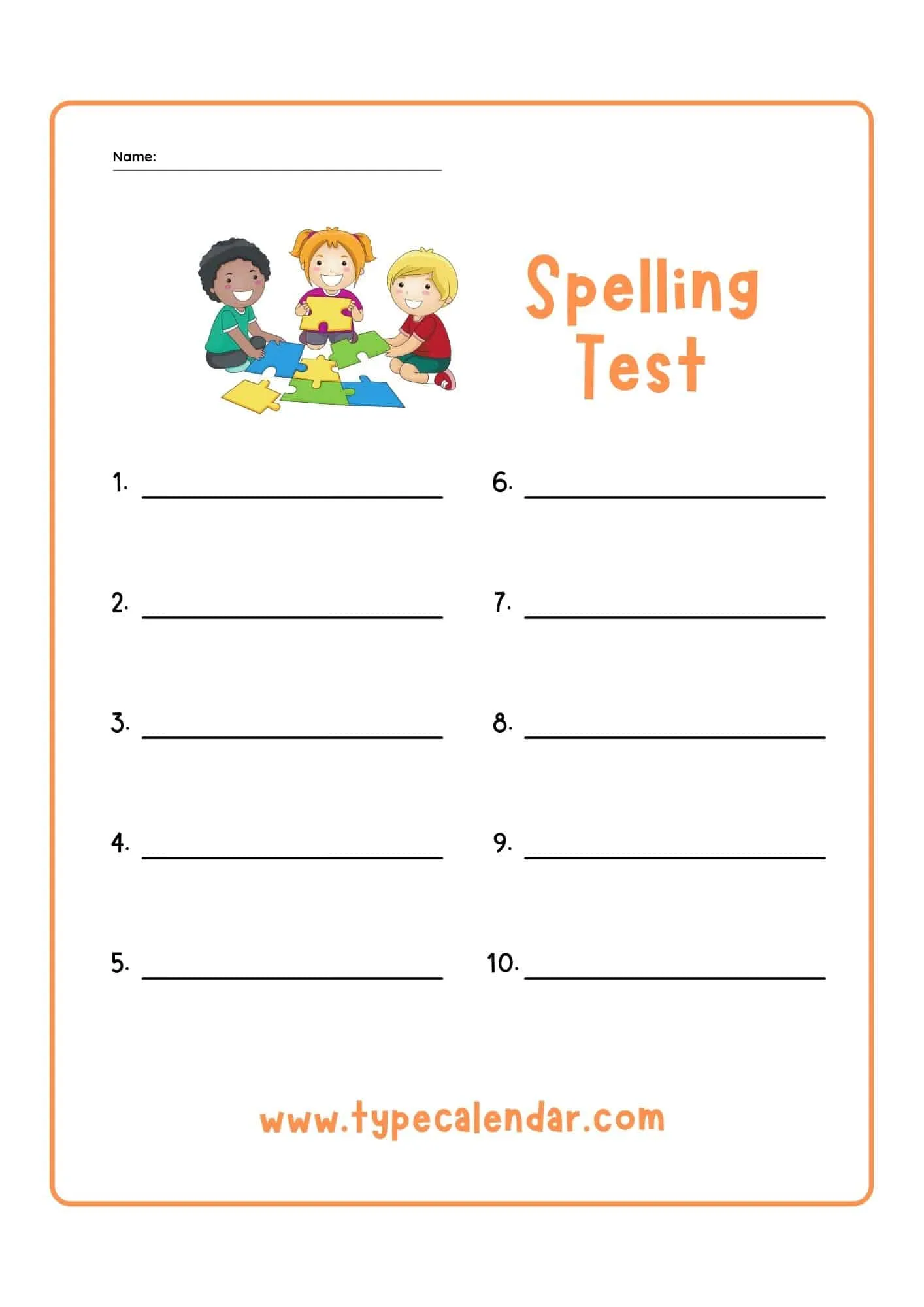
A spelling test template is a pre-designed document that outlines the format of a spelling test. It typically includes spaces for the student’s name, the date of the test, the list of words to be spelled, and a section for recording the student’s answers. Some spelling test templates also include areas for scoring and feedback. By using a spelling test template, educators can ensure consistency in administering and grading spelling tests, making it easier to track student progress over time.
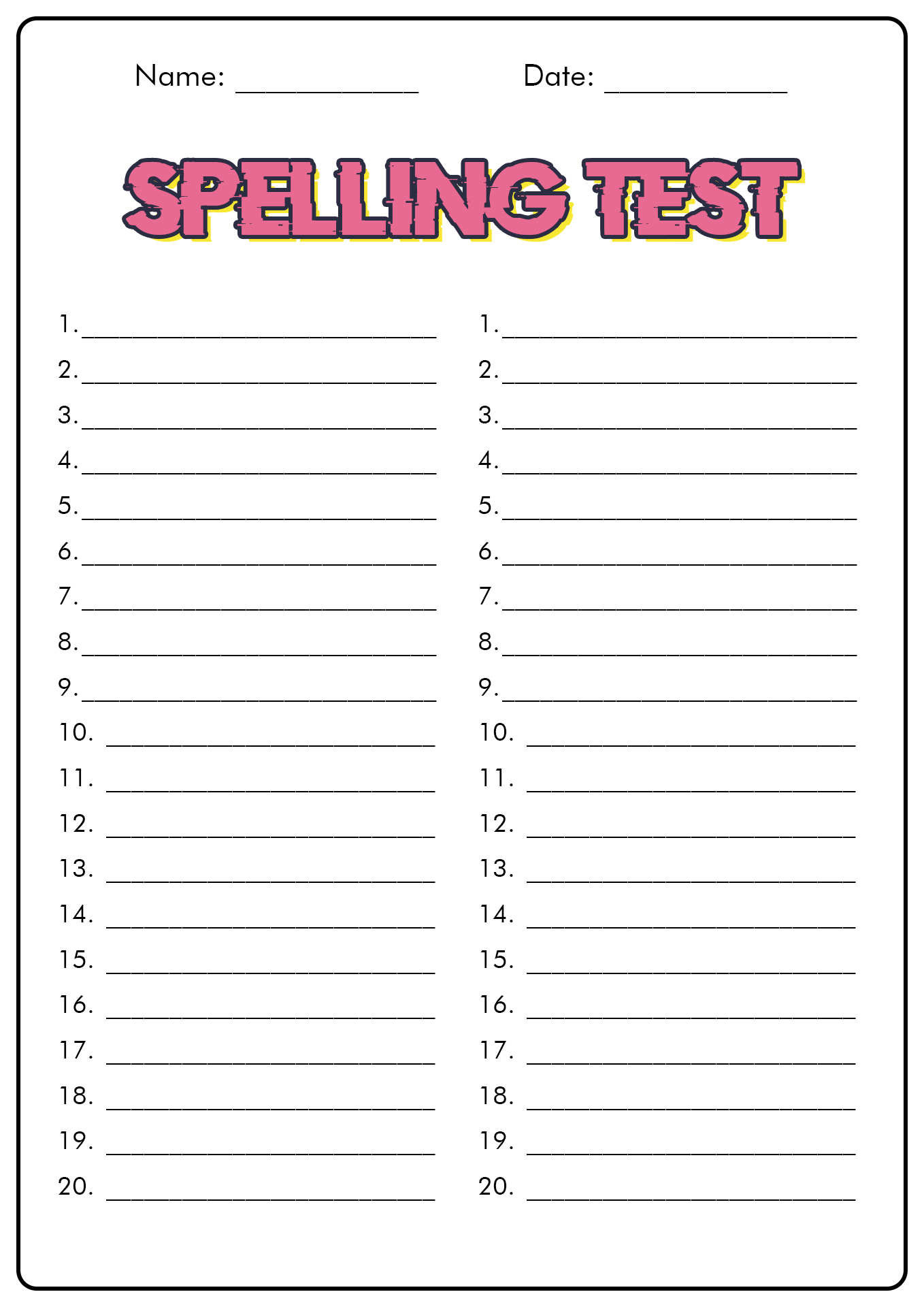
Different Types of Spelling Test Templates
There are various types of spelling test templates available for educators to use, depending on their preferences and needs. Some common types include:
- Traditional Paper-Based Templates: These templates are printed on paper and can be filled out by hand during the test.
- Digital Templates: These templates are designed to be used on a computer or tablet, allowing for easy input and storage of student data.
- Customizable Templates: These templates can be tailored to specific grade levels, spelling lists, or assessment criteria.
The Benefits of Using a Spelling Test Template
There are several benefits to using a spelling test template in the classroom:
- Efficiency: A spelling test template streamlines the process of administering and tracking spelling tests, saving educators time and effort.
- Consistency: By using a standardized template, educators can ensure that spelling tests are administered and graded consistently across all students.
- Customization: Educators can customize spelling test templates to align with their curriculum, specific learning objectives, or individual student needs.
Why are Spelling Tests Used as an Assessment Tool?
Spelling tests are an effective assessment tool for several reasons:
- Assessing Language Skills: Spelling tests help educators evaluate students’ language skills, including phonemic awareness, vocabulary, and word recognition.
- Tracking Progress: By regularly administering spelling tests, educators can track students’ progress and identify areas for improvement.
- Providing Feedback: Spelling tests provide an opportunity for educators to give targeted feedback to students, helping them improve their spelling skills.
How to Create a Spelling Test Template
Creating a spelling test template is a straightforward process:
- Decide on the format: Determine what information you want to include in the template, such as student name, date, word list, and scoring criteria.
- Design the template: Use a word processing program or template generator to create a visually appealing and user-friendly layout.
- Test the template: Before using the template with students, test it out yourself to ensure that it meets your needs and is easy to use.
Tips for Successful Spelling Tests
Here are some tips for administering successful spelling tests:
- Practice Regularly: Encourage students to practice spelling words regularly to improve retention and accuracy.
- Provide Feedback: Offer constructive feedback to students after each spelling test to help them understand their mistakes and how to improve.
- Use a Variety of Words: Include a mix of common words, sight words, and vocabulary words in spelling tests to challenge students at different levels.
