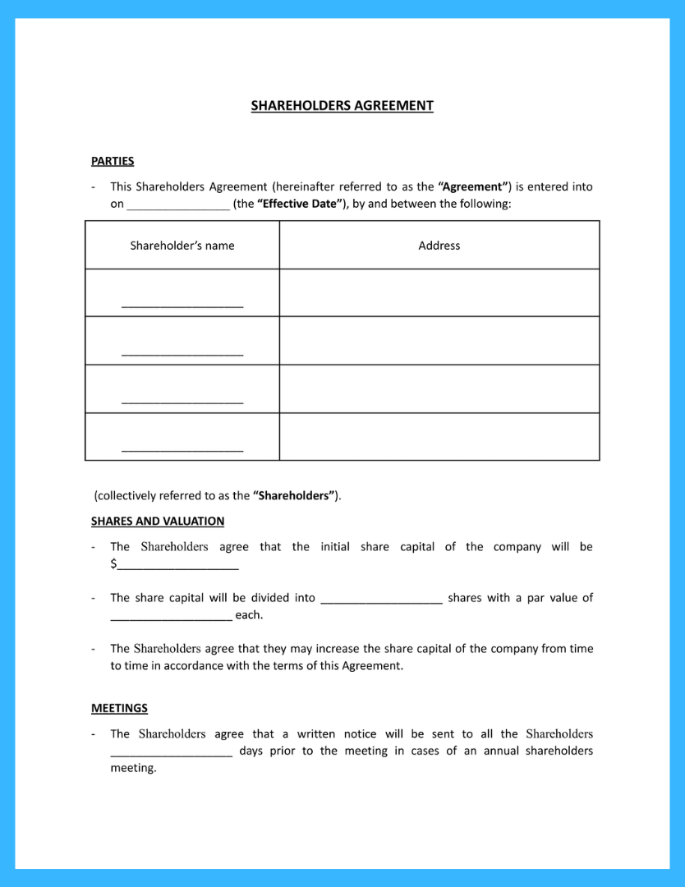
When multiple individuals come together to form a company, it is crucial to establish clear guidelines and regulations to govern their relationship. This is where a shareholders agreement plays a vital role.
A shareholders agreement is a private contract that outlines and regulates the relationship between a company’s shareholders and the company itself. It sets out the rights and obligations of the shareholders, governs the management and operation of the company, and ultimately protects the interests of both the business and its investors. By proactively addressing potential issues and providing clear procedures for decision-making, a shareholders agreement helps prevent disputes, especially for minority shareholders.
What is a Shareholders Agreement?
A shareholders agreement is a legally binding contract between the shareholders of a company that sets out the rules and regulations governing their relationship with each other and the company. It supplements the company’s constitution and provides additional protection and clarity to the shareholders. This document is essential for companies with multiple shareholders to avoid misunderstandings and conflicts in the future.
Why is a Shareholders Agreement Important?
A shareholders agreement is important for several reasons. Firstly, it helps in clearly defining the rights and obligations of each shareholder, ensuring that everyone is on the same page regarding their roles within the company. Secondly, it establishes procedures for decision-making, such as voting rights and the process for selling shares, which helps in resolving disputes and avoiding deadlock situations. Thirdly, it protects minority shareholders by outlining their rights and providing mechanisms to safeguard their interests in case of disagreements with majority shareholders.
Key Elements of a Shareholders Agreement
A shareholders agreement typically includes the following key elements:
- Shareholders’ Rights and Obligations. This section outlines the rights and responsibilities of each shareholder, including voting rights, dividend entitlements, and obligations to contribute capital.
- Management and Decision-Making. It establishes the procedures for making important decisions, appointing directors, and resolving disputes among shareholders.
- Transfer of Shares. The agreement sets out the conditions under which shares can be bought or sold, including any rights of first refusal or restrictions on transfer.
- Exit Strategies. It details how shareholders can exit the company, whether through selling their shares or in the event of death or disability.
- Confidentiality and Non-Compete. This section includes provisions to protect the company’s confidential information and prevent shareholders from competing with the business.
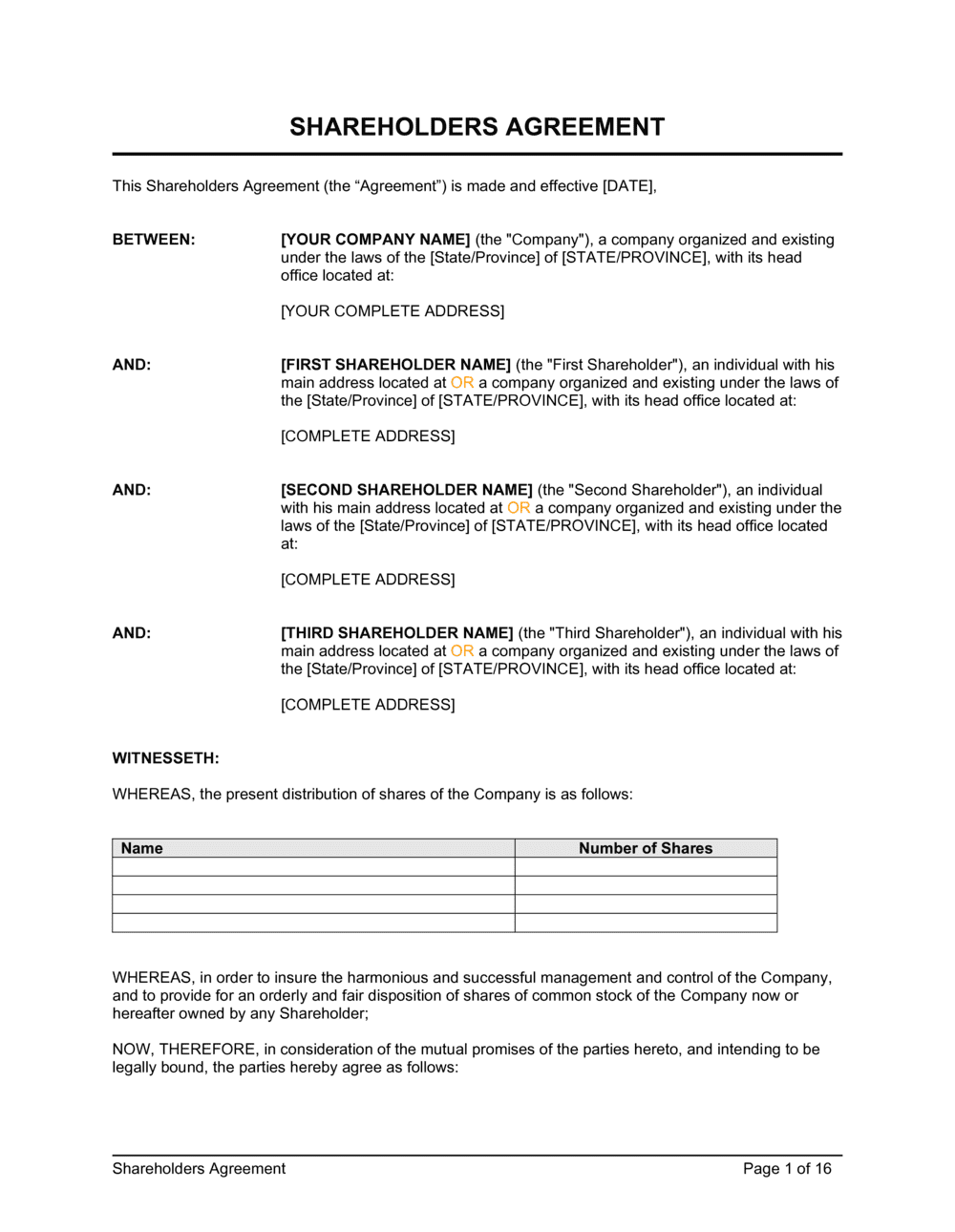
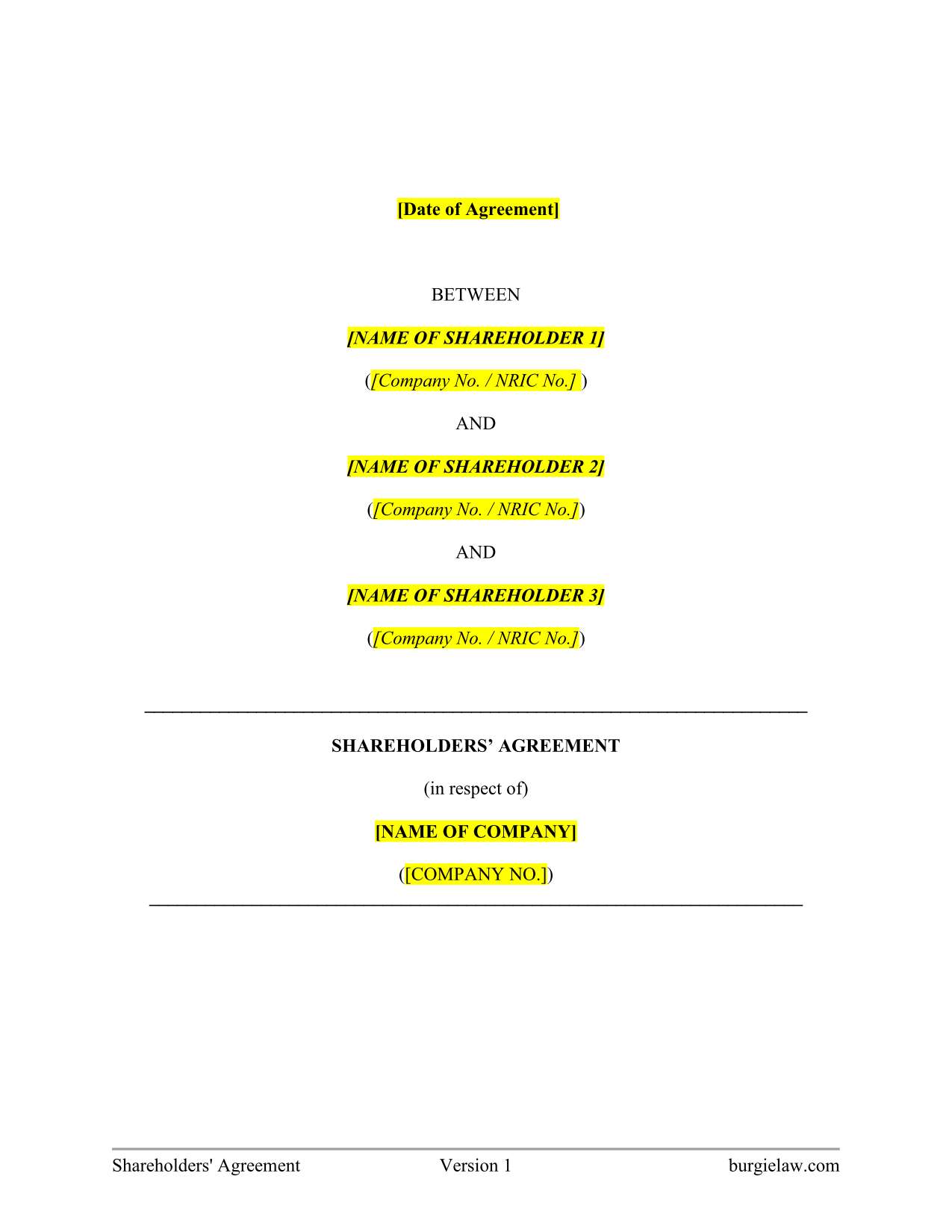
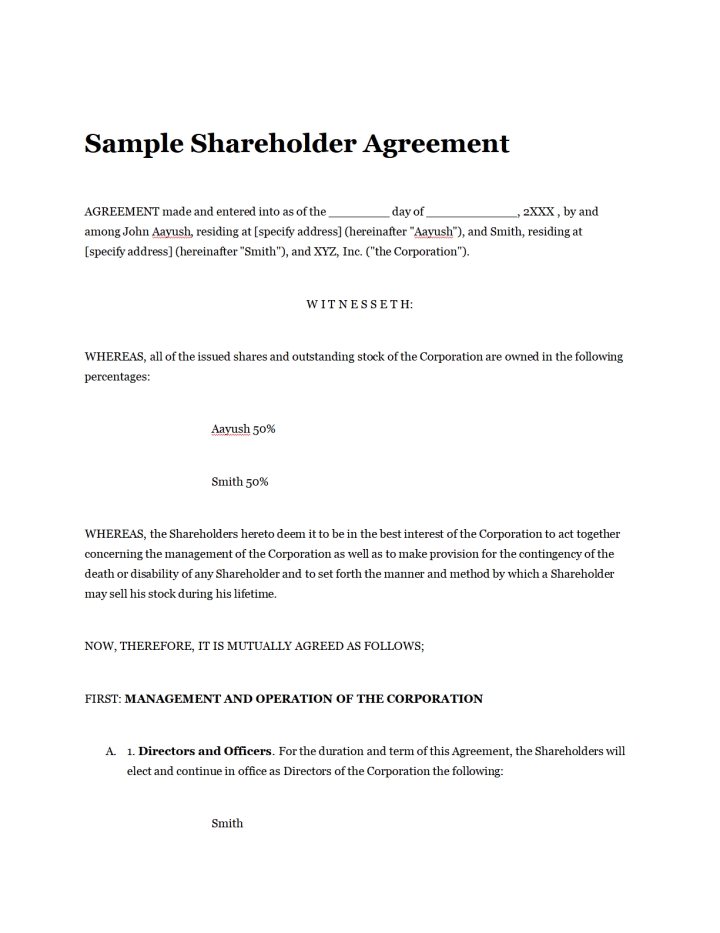
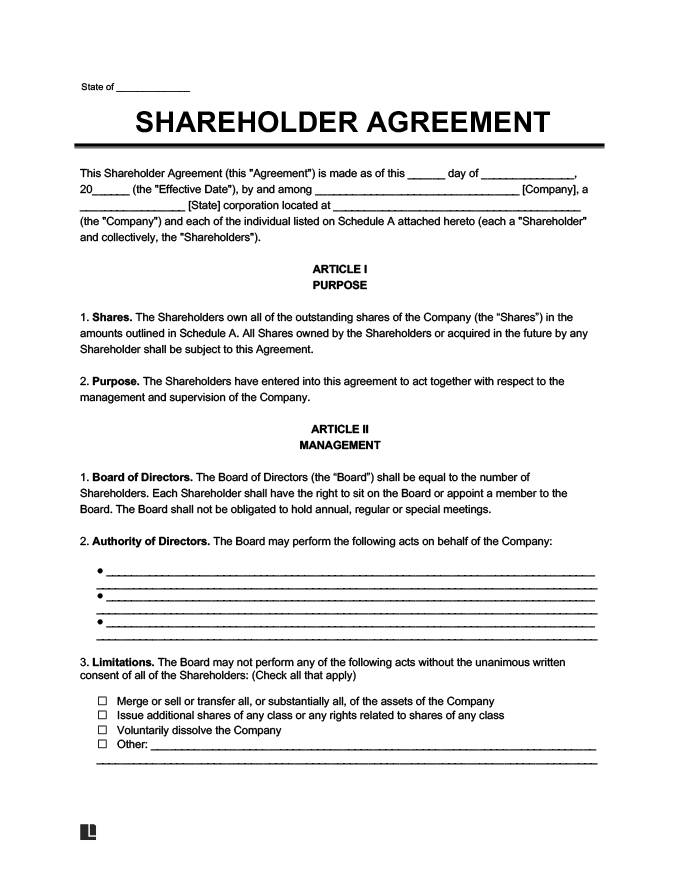
How to Create a Shareholders Agreement
Creating a shareholders agreement involves the following steps:
1. Identify Key Issues
Start by identifying the key issues that need to be addressed in the agreement, such as decision-making processes, share transfer restrictions, and dispute resolution mechanisms.
2. Seek Legal Advice
Consult with a legal professional who specializes in corporate law to draft the agreement. They can help ensure that the document is legally sound and tailored to the specific needs of your company.
3. Negotiate Terms
Engage in open discussions with all shareholders to negotiate the terms of the agreement. It is important to reach a consensus on contentious issues and ensure that everyone’s interests are represented.
4. Review and Finalize
Once the agreement has been drafted, review it carefully to ensure that all provisions accurately reflect the agreed-upon terms. Make any necessary revisions before finalizing the document.
5. Sign and Implement
Have all shareholders sign the agreement to make it legally binding. Implement the terms of the agreement within the company’s operations to ensure compliance and clarity in decision-making processes.
Tips for Successful Shareholders Agreements
To ensure that your shareholders agreement is effective and serves its intended purpose, consider the following tips:
- Be Clear and Specific. Clearly outline the rights, obligations, and procedures in the agreement to avoid ambiguity.
- Update Regularly. Review and update the agreement periodically to reflect any changes in the company’s structure or operations.
- Seek Professional Advice. Consult with legal experts to ensure that the agreement complies with relevant laws and regulations.
- Communicate Openly. Maintain open communication with all shareholders to address any concerns or issues that may arise.
- Enforce Compliance. Ensure that all shareholders adhere to the terms of the agreement and take action in case of non-compliance.
In conclusion, a shareholders agreement is a vital document for companies with multiple shareholders to establish clear guidelines and regulations governing their relationship. By addressing potential issues proactively and providing clear procedures for decision-making, a shareholders agreement helps prevent disputes and protect the interests of both the business and its investors. It is essential for ensuring transparency, clarity, and harmony among shareholders, ultimately contributing to the long-term success of the company.
Shareholders Agreement Template
