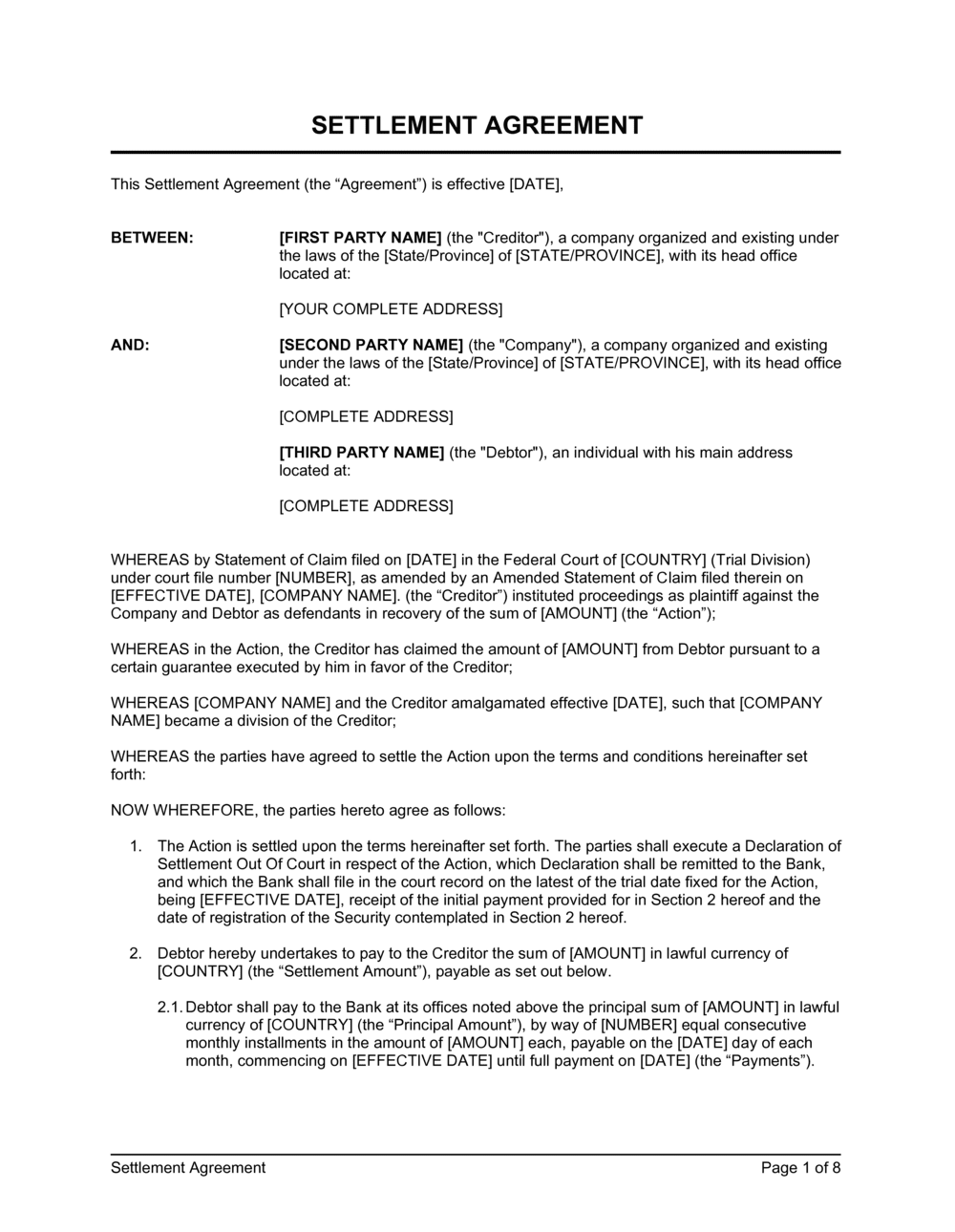
Settlement agreements are a common way to formally resolve legal disputes, especially in employment-related cases. These agreements create a legally binding contract that puts an end to disagreements between parties. In this article, we will dive into the details of settlement agreements, including what they are, why they are used, key elements to consider, how to navigate the process, and some tips for a successful agreement.
What is a Settlement Agreement?
A settlement agreement, also known as a compromise agreement, is a legally binding contract that is used to resolve disputes between parties, typically in an employment context. In this agreement, the employee agrees to give up their right to bring legal claims against the employer in exchange for a settlement payment or other terms. By doing so, the employer avoids the risk, time, and cost of going through a formal legal process.
Why are Settlement Agreements Used?
Settlement agreements are commonly used because they provide a clear and certain conclusion to a dispute for both parties involved. For employees, it offers a way to receive compensation without the uncertainty and stress of pursuing legal action. For employers, it allows them to settle a dispute quickly and confidentially, avoiding potential damage to their reputation.
Key Elements of a Settlement Agreement
When drafting a settlement agreement, there are several key elements to consider to ensure that the agreement is fair and legally binding. These elements include:
- Parties involved: Clearly identify the parties involved in the agreement.
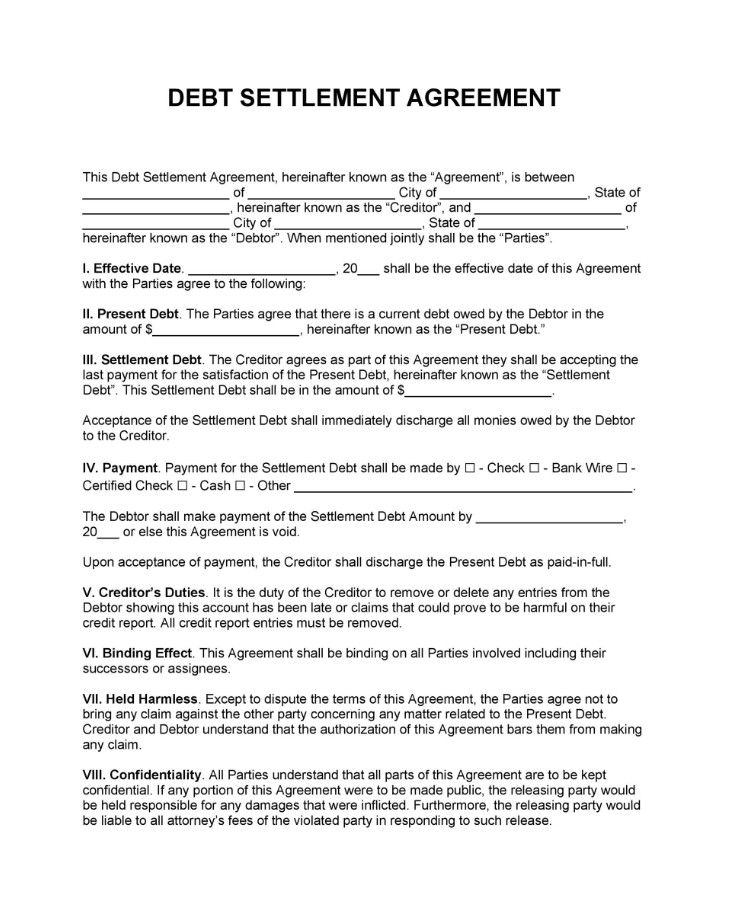
- Terms of settlement: Outline the terms of the settlement, including any financial compensation or other benefits.
- Confidentiality: Include provisions for confidentiality to protect sensitive information.
- Release of claims: Specify that the employee agrees to release the employer from any legal claims related to the dispute.
- Consideration: Ensure that there is valuable consideration for both parties to make the agreement legally binding.
- Legal advice: It is recommended that both parties seek independent legal advice before signing the agreement.
How to Navigate the Settlement Agreement Process
The settlement agreement process can be complex, but with the right approach, it can be navigated smoothly. Here are some steps to follow when going through the settlement agreement process:
1. Initiate Discussions:
Start by initiating discussions with the other party to explore the possibility of reaching a settlement.
2. Negotiate Terms:
Negotiate the terms of the settlement, including the amount of compensation and any other conditions.
3. Draft the Agreement:
Work with legal professionals to draft the agreement, ensuring that all key elements are included.
4. Review and Revise:
Review the agreement carefully and make any necessary revisions to ensure clarity and fairness.
5. Seek Legal Advice:
Both parties should seek independent legal advice to ensure that their interests are protected.
6. Sign the Agreement:
Once both parties are satisfied with the terms, sign the agreement to make it legally binding.
7. Implement the Agreement:
Ensure that both parties adhere to the terms of the agreement and fulfill their obligations.
8. Close the Dispute:
Once the agreement has been implemented, the dispute is considered resolved, and both parties can move forward.
9. Monitor Compliance:
Monitor compliance with the terms of the agreement to ensure that both parties fulfill their obligations.
10. Seek Enforcement if Necessary:
If one party fails to comply with the agreement, seek legal advice on how to enforce the terms of the agreement.
Tips for a Successful Settlement Agreement
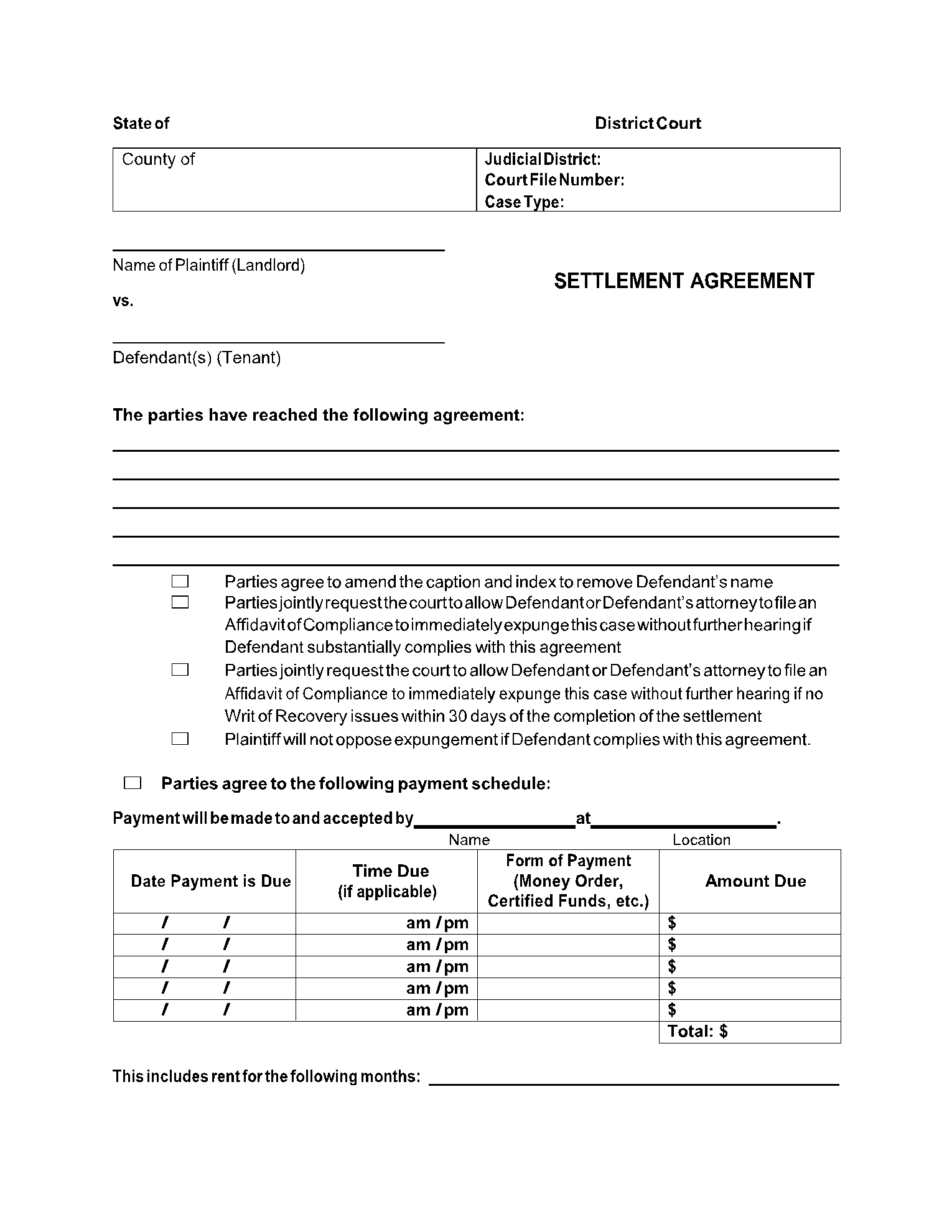
When entering into a settlement agreement, consider the following tips to ensure a successful outcome:
- Communicate openly: Maintain open and honest communication throughout the process.
- Seek legal advice: Consult with legal professionals to ensure that the agreement is fair and legally binding.
- Consider all options: Explore all options before agreeing to a settlement to ensure that it is the best course of action.
- Be clear and specific: Clearly outline the terms of the agreement to avoid any misunderstandings.
- Follow through: Once the agreement is signed, ensure that both parties follow through with their obligations.
By understanding the ins and outs of settlement agreements and following these tips, parties can navigate the process smoothly and reach a mutually beneficial resolution to their disputes.
