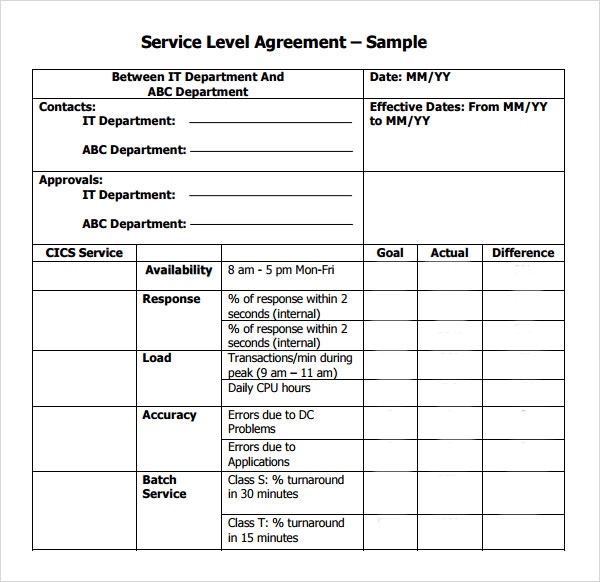
In the world of business, service level agreements (SLAs) play a crucial role in defining the quality, scope, and performance expectations of a service between a provider and a customer. An SLA is a formal agreement that sets clear, measurable goals, establishes accountability for both parties, clarifies roles and responsibilities, and provides a framework for dispute resolution and remedies for service failures. Ultimately, an SLA creates a legally binding contract that ensures both parties have a shared understanding and a basis for success.
What is a Service Level Agreement?
A Service Level Agreement, commonly referred to as an SLA, is a contract between a service provider and a customer that outlines the terms and conditions of the service being provided. It defines the level of service expected from the provider, the metrics used to measure the performance of the service, and the remedies available in case of service failures. SLAs are commonly used in various industries, including IT, telecommunications, and customer service, to ensure that both parties are on the same page regarding the expectations and responsibilities related to the service being provided.
Why Service Level Agreements are Important
Service level agreements are essential in business relationships as they provide a formal framework for defining expectations, measuring performance, and resolving disputes. By establishing clear guidelines and metrics for the service being provided, SLAs help to ensure that both parties have a shared understanding of their roles and responsibilities. Additionally, SLAs create accountability for both parties, as they outline the consequences of failing to meet the agreed-upon standards. Ultimately, service level agreements help to build trust and transparency in business relationships, leading to better outcomes for both the service provider and the customer.
What to Include in a Service Level Agreement
When creating a service level agreement, it is important to include specific details and provisions that outline the terms and conditions of the service being provided. Some key elements to include in an SLA are:
- Service Description: Clearly define the services that will be provided, including any limitations or exclusions.
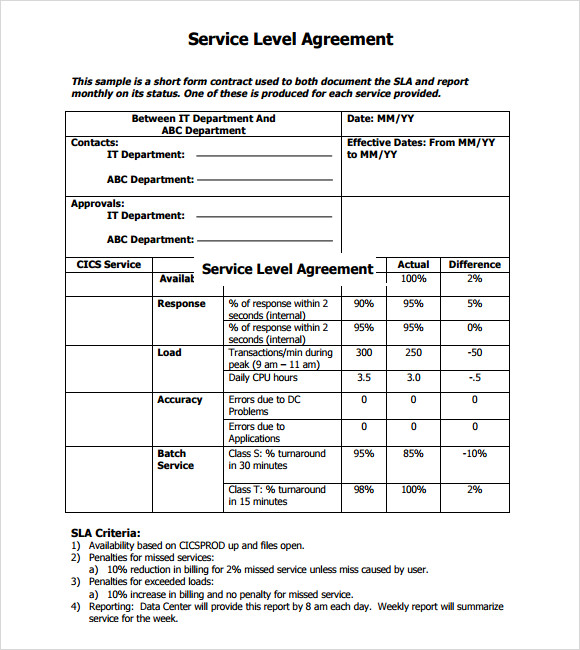
- Performance Metrics: Outline the specific metrics that will be used to measure the performance of the service.
- Responsibilities and Roles: Define the tasks and responsibilities of each party involved in the agreement.
- Dispute Resolution Process: Establish a clear process for resolving conflicts and disputes that may arise.
- Remedies for Service Failures: Specify the remedies available to the customer in case of service failures.
- Monitoring and Reporting: Detail how performance will be monitored and reported on regularly.
- Review and Renewal: Set a schedule for reviewing and renewing the SLA to ensure its effectiveness.
How to Create a Successful Service Level Agreement
Creating a successful service level agreement requires careful planning and collaboration between the service provider and the customer. To ensure that your SLA is effective, consider the following tips:
- Communicate Clearly: Ensure that all terms and conditions are clearly defined and understood by both parties.
- Set Realistic Goals: Establish performance metrics that are achievable and aligned with the expectations of both parties.
- Include Measurable Metrics: Use specific, measurable metrics to track the performance of the service and identify areas for improvement.
- Establish Accountability: Clearly define the responsibilities and roles of each party to ensure accountability for meeting the terms of the agreement.
- Regularly Review and Update: Periodically review and update the SLA to ensure that it remains relevant and effective.
- Seek Legal Advice: Consult with legal experts to ensure that the SLA complies with all relevant laws and regulations.
Conclusion
In conclusion, service level agreements are essential tools in business relationships that help to define expectations, measure performance, and ensure accountability. By creating a formal agreement that outlines the terms and conditions of the service being provided, both parties can establish a shared understanding and a basis for success. Whether you are a service provider or a customer, implementing an SLA can help to build trust, transparency, and efficiency in your business relationships. By following the tips outlined in this article, you can create a successful service level agreement that sets you up for mutual success.
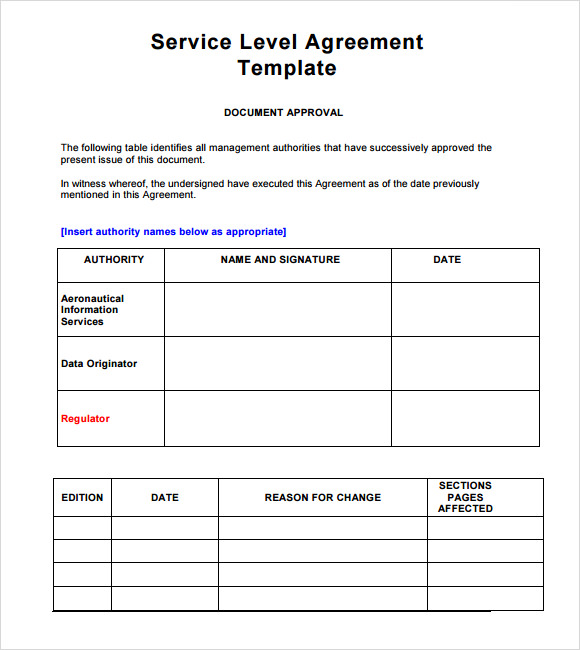
Service Level Agreement Template
