When it comes to a roofing project, having a detailed contract in place is essential for both homeowners and contractors. A roofing contract is a legally binding agreement that outlines the scope, cost, and timeline of the project. It serves as a blueprint for the job, clearly defining responsibilities, materials, payment terms, and warranties. By having a thorough contract in place, the risk of misunderstandings and disputes is minimized, providing peace of mind for both parties involved.
What is a Roofing Contract?
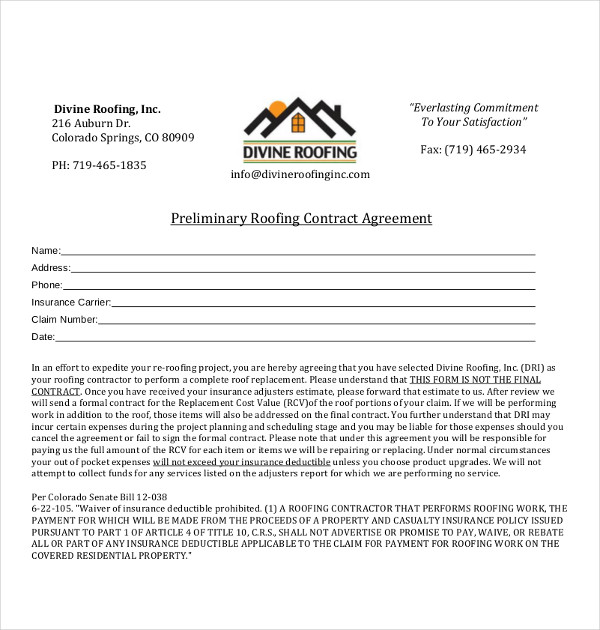
A roofing contract is a written agreement between a homeowner and a roofing contractor that lays out the terms and conditions of the project. It includes important details such as the scope of work, materials to be used, project timeline, payment schedule, and any warranties or guarantees. The contract serves as a roadmap for the project, ensuring that both parties are on the same page and understand their roles and responsibilities.
Why is a Roofing Contract Important?
Having a roofing contract in place is crucial for several reasons. Firstly, it provides clarity and transparency for both the homeowner and the contractor. By clearly outlining the project details, expectations, and responsibilities, the contract helps to prevent misunderstandings and disputes down the line. Additionally, a contract acts as a form of protection for both parties, ensuring that they are legally bound to fulfill their obligations as agreed upon.
What to Include in a Roofing Contract
When creating a roofing contract, there are several key components that should be included to ensure that all aspects of the project are covered. Some important elements to consider incorporating into the contract are:
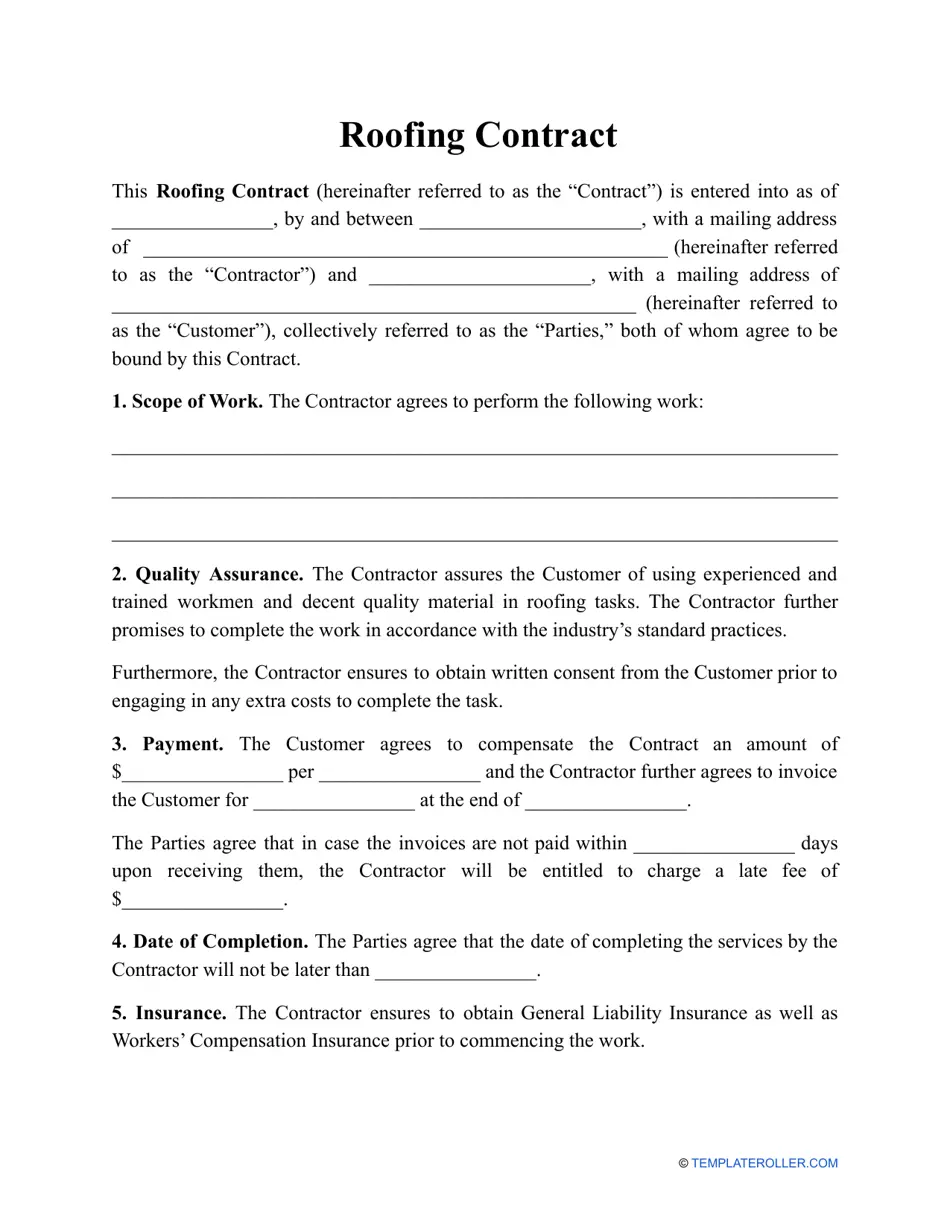
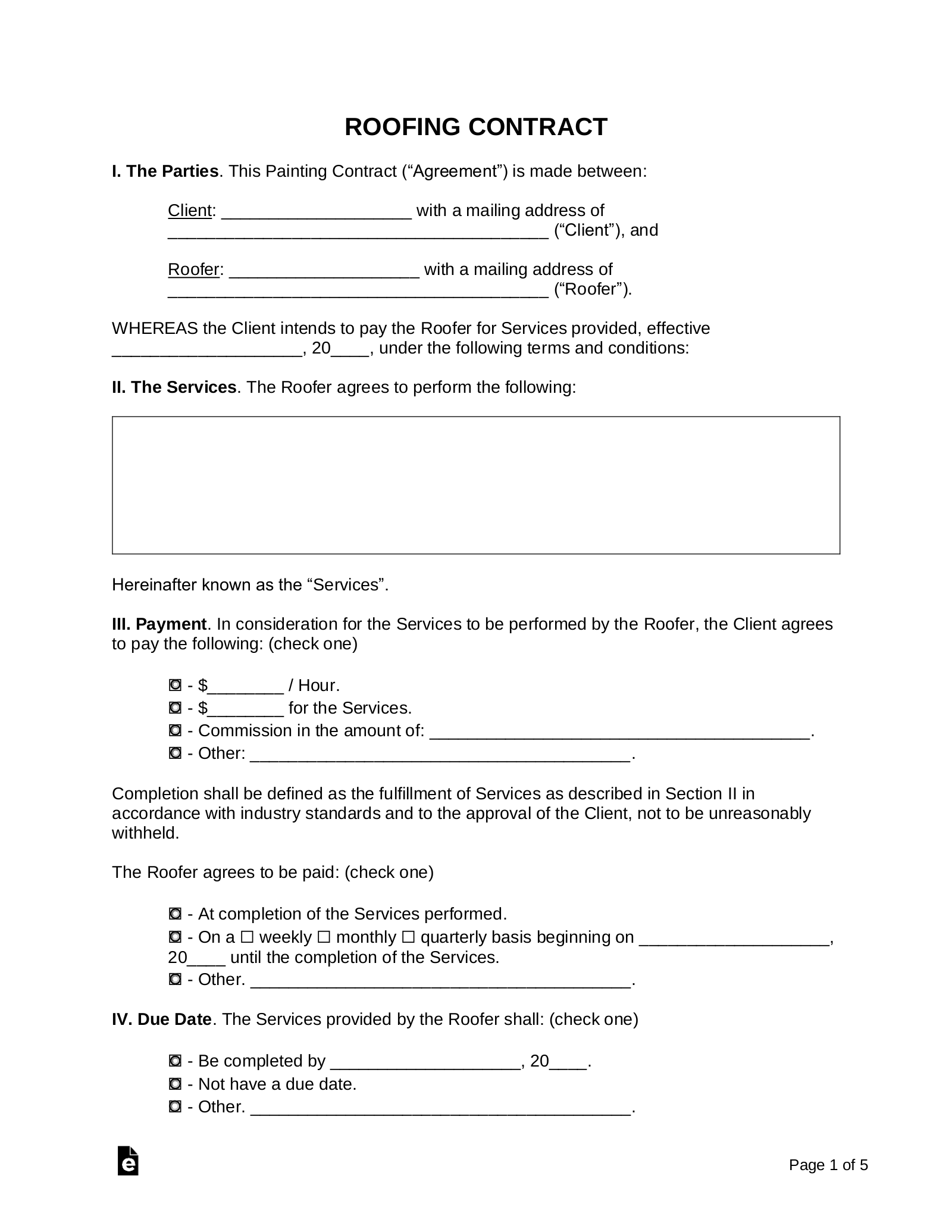
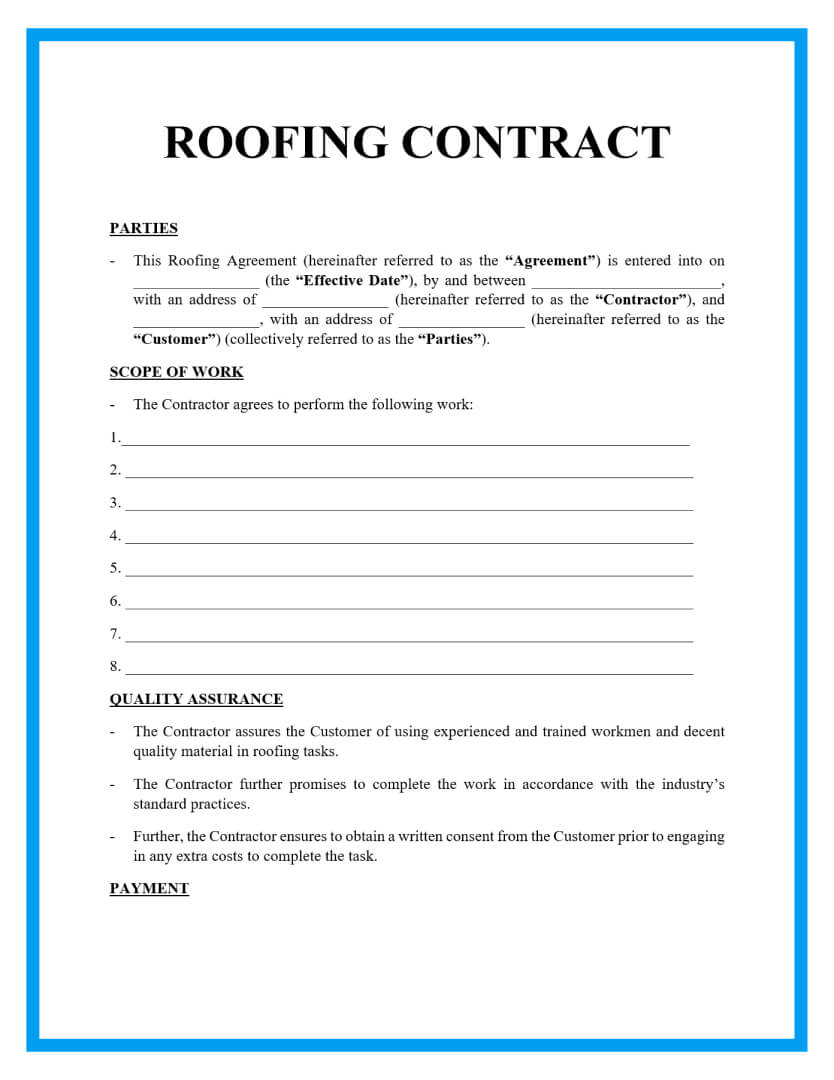
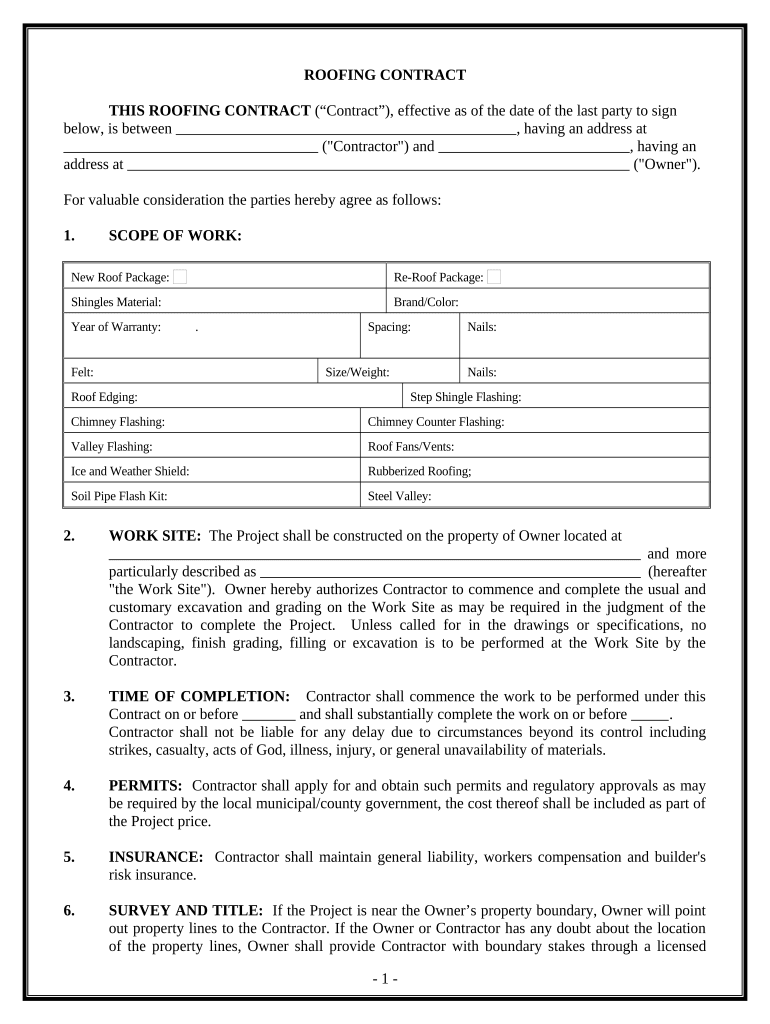
- Scope of Work: Clearly define the specific tasks and services to be provided by the contractor.
- Materials: Specify the type and quality of materials to be used for the project.
- Project Timeline: Outline the expected start and completion dates for the project.
- Payment Terms: Detail the payment schedule, including deposit amounts and final payment due dates.
- Warranties: Include any warranties or guarantees on workmanship or materials provided by the contractor.
By including these elements in the roofing contract, both the homeowner and the contractor can ensure that all aspects of the project are clearly defined and agreed upon.
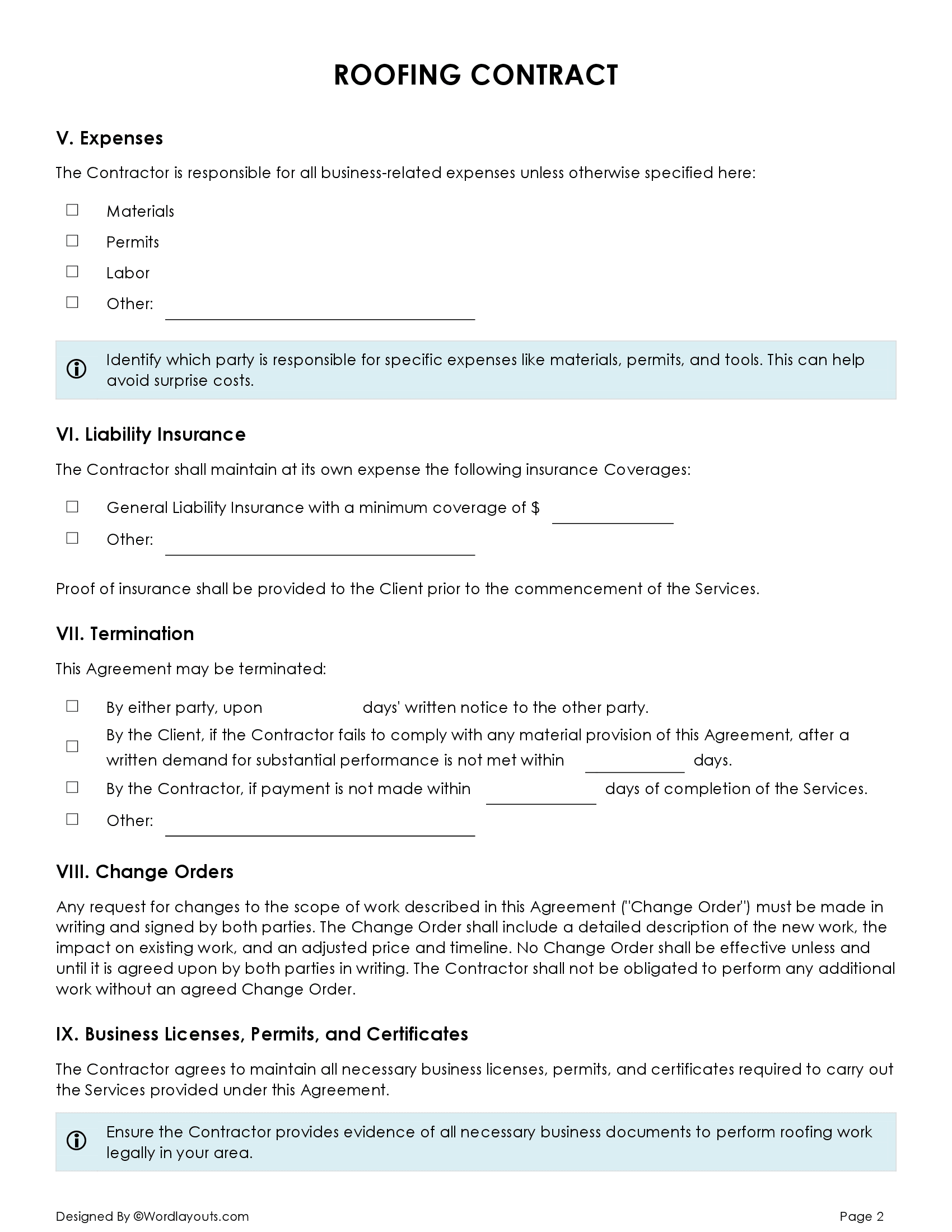
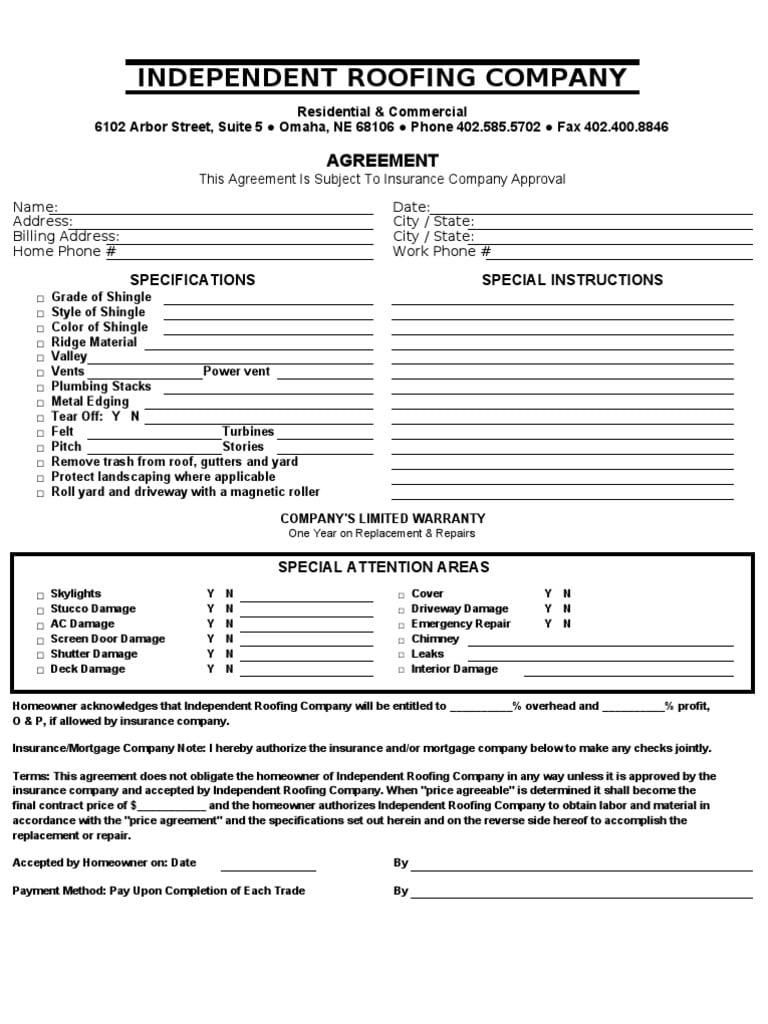
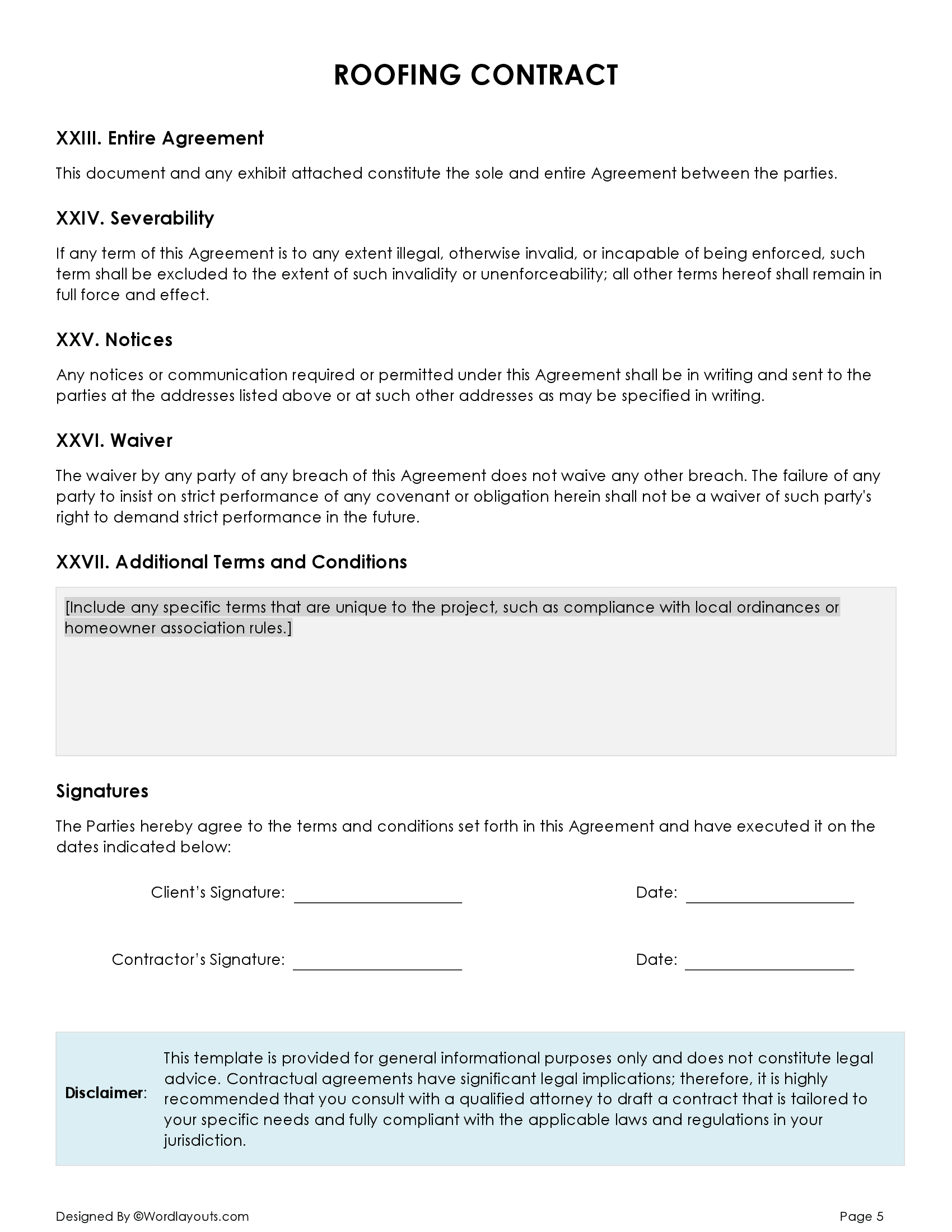
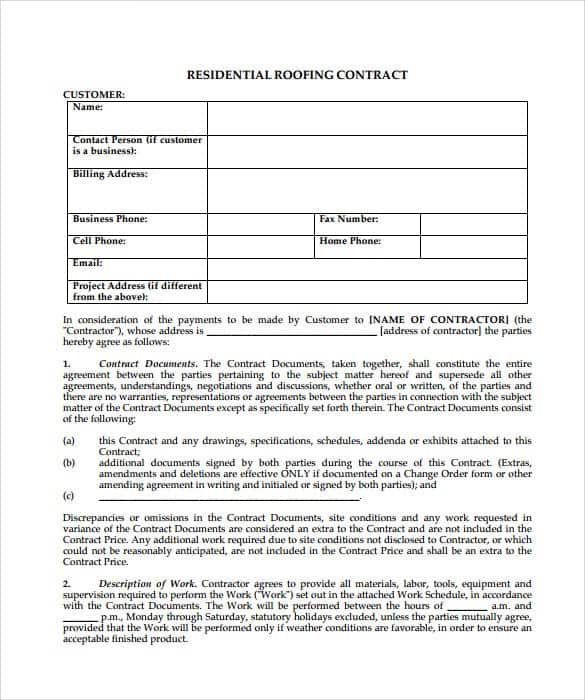
Examples
How to Create a Roofing Contract
Creating a roofing contract can be a straightforward process if you follow these steps:
1. Consult with a Legal Professional
Before drafting a contract, it’s advisable to seek guidance from a legal professional who can help ensure that the document is legally sound and protects your interests.
2. Outline the Project Details
Clearly outline the scope of work, materials to be used, project timeline, payment terms, and any warranties or guarantees that will be included in the contract.
3. Include Terms and Conditions
Be sure to include terms and conditions that address issues such as project delays, change orders, and dispute resolution processes.
4. Review and Sign the Contract
Once the contract is drafted, review it carefully with the other party and make any necessary revisions. Once both parties are in agreement, sign the contract to make it legally binding.
5. Keep a Copy for Your Records
It’s important to keep a copy of the signed contract for your records in case any issues or disputes arise during or after the project.
Tips for Successful Roofing Contracts
Here are some tips to ensure that your roofing contract is successful:
- Be Specific: Include detailed descriptions of the work to be performed and the materials to be used.
- Communicate Clearly: Ensure that both parties fully understand the terms and conditions of the contract before signing.
- Get Everything in Writing: Document all agreements, changes, and communications related to the project in writing to avoid misunderstandings.
- Set Realistic Expectations: Be clear about timelines, costs, and potential delays to avoid surprises during the project.
- Follow Up: Regularly communicate with the contractor throughout the project to ensure that everything is progressing as planned.
By following these tips and including all necessary elements in the roofing contract, you can help protect both yourself and the contractor and ensure a successful roofing project.
Roofing Contract Template – Download
