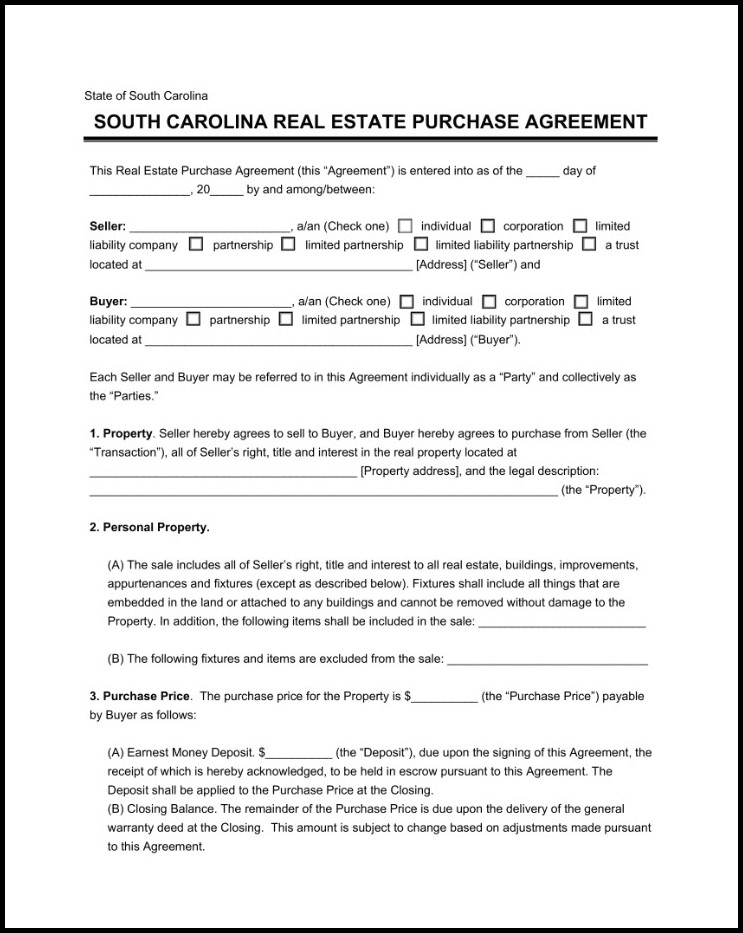
A real estate purchase agreement is one of the most important legal documents in any property transaction. Whether a person is purchasing a family home, selling a commercial building, or investing in rental property, this agreement serves as the official contract that defines the responsibilities and expectations of everyone involved. Without a properly written agreement, misunderstandings, disputes, financial losses, and legal complications can quickly arise.
In today’s competitive property market, buyers and sellers need more than verbal promises or informal arrangements. They need a detailed and legally binding contract that clearly outlines the purchase price, financing terms, contingencies, deadlines, inspection rights, and closing procedures. A carefully prepared real estate purchase agreement creates transparency, minimizes risk, and provides security throughout the transaction process. Understanding how this document works can help both parties move forward confidently while protecting their financial interests.
What Is a Real Estate Purchase Agreement?
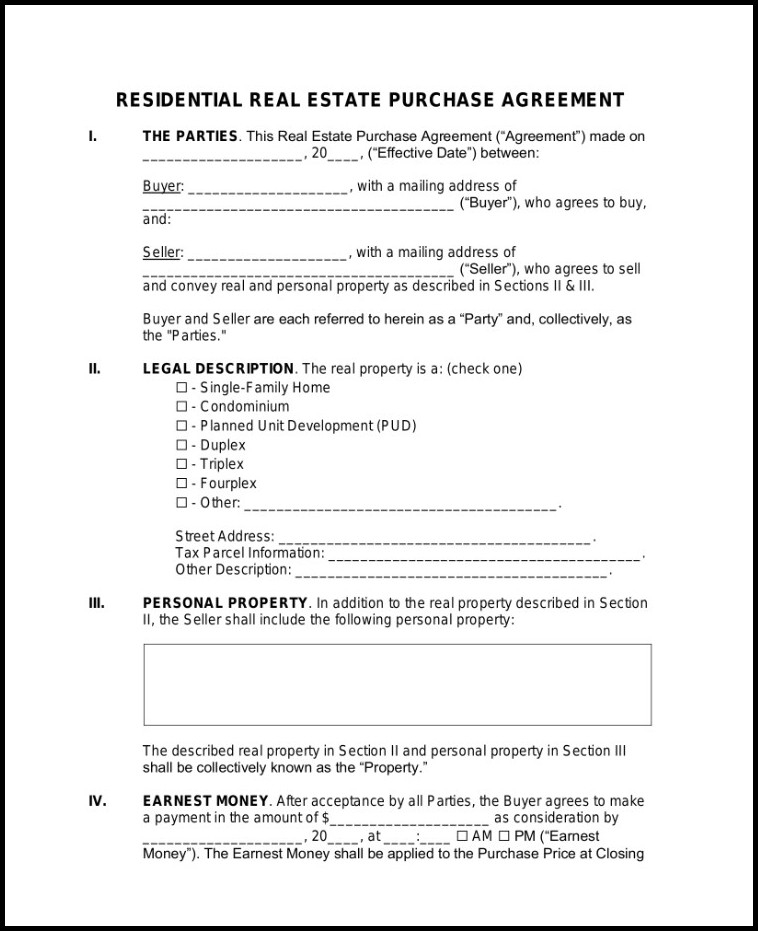
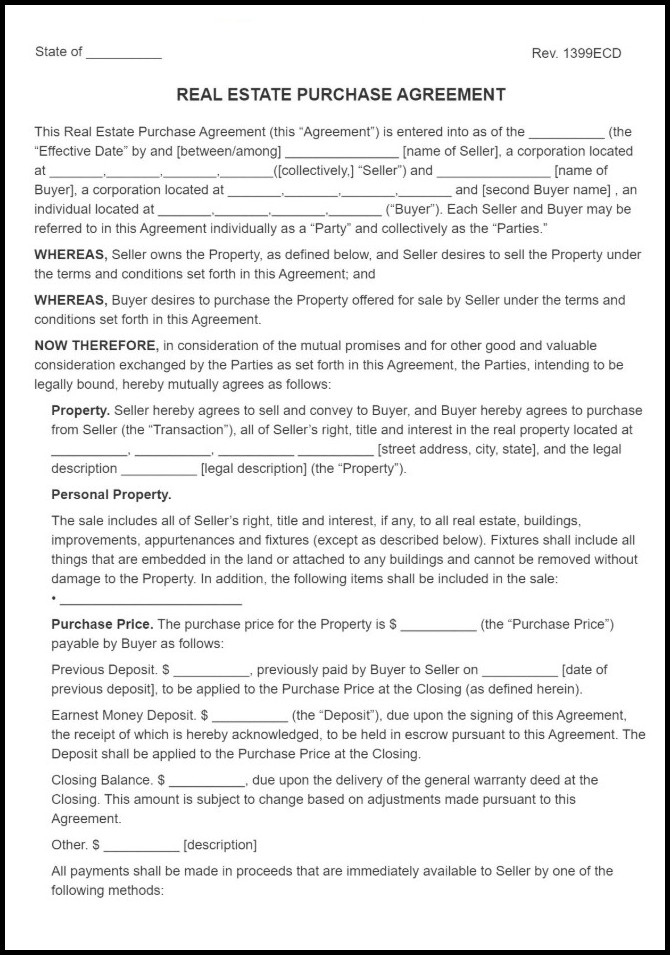
A real estate purchase agreement is a legally binding contract between a buyer and a seller that outlines the terms and conditions involved in the sale of real property. This document acts as the foundation of the entire transaction because it establishes the rights, obligations, timelines, and expectations of both parties. Once signed, the agreement becomes enforceable under applicable real estate laws, meaning that both parties are legally required to comply with its terms.
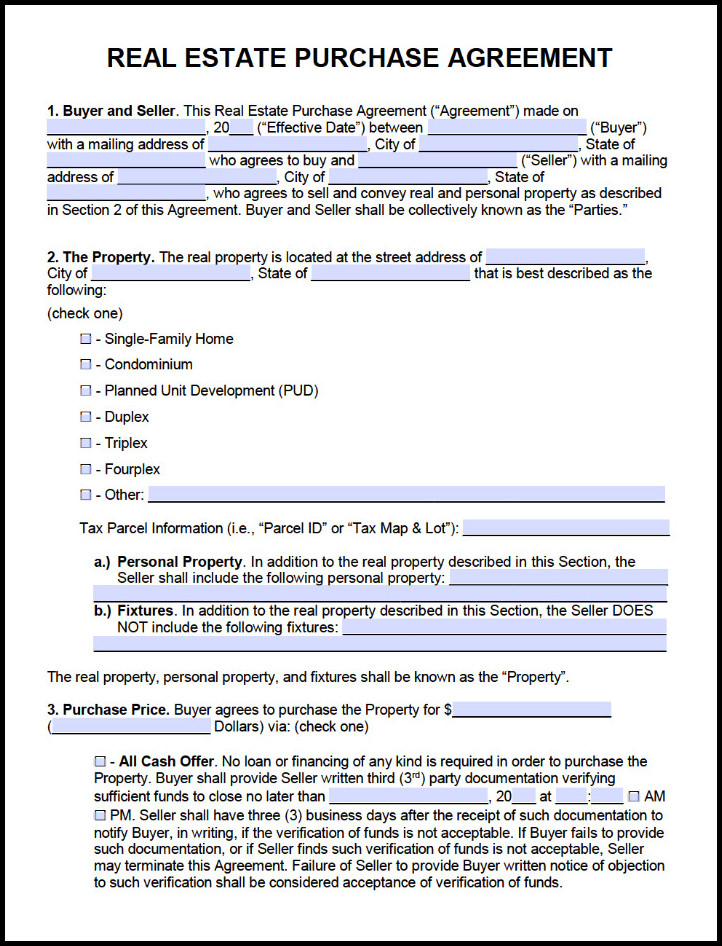
In most real estate transactions, the agreement includes critical information such as the property address, purchase price, financing details, earnest money deposit, contingencies, inspection requirements, closing date, and disclosures regarding the property’s condition. It may also specify what items are included in the sale, such as appliances, fixtures, landscaping equipment, or furniture.
The agreement serves several important purposes. First, it provides clarity. Both parties understand exactly what is being sold, how much is being paid, and when the transaction will occur. Second, it reduces misunderstandings and disputes by putting every important detail in writing. Third, it protects the legal rights of both buyer and seller if one party fails to fulfill their obligations.
Real estate purchase agreements can vary depending on local laws, property types, and transaction complexity. Residential agreements are often simpler than commercial real estate contracts, which may involve zoning issues, environmental inspections, tenant leases, or investment-related conditions. Despite these differences, the core purpose remains the same: to establish a clear roadmap for the property transfer process.
Most agreements are prepared by licensed real estate agents, attorneys, or legal professionals who understand state-specific requirements. Since real estate laws differ by jurisdiction, both parties need to review the document carefully before signing. Even minor errors or vague language can lead to expensive legal complications later.
- Buyer Protection. The agreement ensures the buyer receives the property under the agreed terms and conditions.
- Seller Protection. The seller gains assurance that the buyer is financially committed to completing the purchase.
- Legal Documentation. The contract provides written evidence of the transaction for legal and financial purposes.
- Clear Timelines. Important dates such as inspections, financing approval, and closing are clearly established.
- Dispute Prevention. Detailed terms help reduce confusion and potential legal disagreements.
Ultimately, a real estate purchase agreement is far more than a simple form. It is a strategic legal document that protects investments, establishes accountability, and guides the transaction from offer acceptance to final closing.
Why Is a Real Estate Purchase Agreement Important?
The importance of a real estate purchase agreement cannot be overstated. Real estate transactions typically involve substantial amounts of money, long-term financial commitments, and valuable assets. Without a legally enforceable contract, buyers and sellers would face significant uncertainty and potential financial risk.
One of the primary reasons this agreement is important is that it creates legal certainty. Once both parties sign the contract, they become obligated to follow its terms. This prevents situations where a seller suddenly changes the sale price or a buyer backs out without a valid legal justification. The agreement provides structure and accountability throughout the transaction process.
Another major benefit is financial protection. The contract outlines exactly how much the buyer will pay, how financing will be handled, and what happens if certain conditions are not met. For example, many agreements contain financing contingencies that allow buyers to cancel the contract if they cannot secure a mortgage. Similarly, inspection contingencies may allow buyers to renegotiate or withdraw if serious property defects are discovered.
For sellers, the agreement ensures that buyers are genuinely committed to purchasing the property. Earnest money deposits often accompany the contract, demonstrating financial seriousness and reducing the likelihood of unnecessary delays or cancellations. If the buyer breaches the agreement without legal grounds, the seller may be entitled to retain the deposit.
The agreement also promotes transparency. Every important detail related to the transaction is documented in writing, reducing misunderstandings and verbal disputes. This includes repair responsibilities, including appliances, tax obligations, and closing procedures. When expectations are clearly defined, the transaction becomes smoother and more efficient.
In addition, a properly drafted agreement can simplify dispute resolution. If conflicts arise, courts and legal professionals rely on the written contract to determine each party’s responsibilities. Clear contractual language can significantly reduce litigation costs and legal uncertainty.
Another important aspect involves regulatory compliance. Real estate transactions are governed by local, state, and national laws that may require specific disclosures and contractual provisions. A well-prepared agreement helps ensure compliance with these regulations while protecting both parties from future legal claims.
In modern real estate markets, where competition and property values continue to rise, a detailed purchase agreement becomes even more essential. Buyers want assurance that their investment is protected, while sellers seek confidence that the transaction will close successfully.
- Legal Security. Both parties gain legally enforceable protections.
- Financial Clarity. The agreement clearly defines payment terms and obligations.
- Reduced Risk. Contingencies help minimize unexpected financial losses.
- Transparency. Written terms prevent confusion and verbal disputes.
- Professional Structure. The transaction follows a clear and organized process.
- Regulatory Compliance. Proper contracts support compliance with property laws and disclosure requirements.
Because of these benefits, a real estate purchase agreement is considered one of the most essential components of any successful property transaction.
How to Create a Real Estate Purchase Agreement
Creating a real estate purchase agreement requires careful attention to detail, legal accuracy, and clear communication between the buyer and seller. Since this document establishes legally binding obligations, every section must be drafted carefully to avoid ambiguity and future disputes.
The first step in creating the agreement is identifying the parties involved. The contract should include the full legal names of the buyer and seller, along with their contact information. Proper identification is essential because errors can create legal complications during ownership transfer.
Next, the property itself must be accurately described. This typically includes the property address, parcel number, legal description, and any included structures or land features. A vague property description can lead to serious misunderstandings regarding what is actually being sold.
The agreement must also clearly state the purchase price and payment structure. This section should explain whether the buyer is paying in cash, obtaining financing, or using alternative funding arrangements. It should also specify the earnest money deposit amount and explain how the funds will be handled.
Contingencies are another critical component. These conditions protect both parties by allowing cancellation or renegotiation under certain circumstances. Common contingencies include financing approval, property inspections, appraisal results, title verification, and the sale of the buyer’s existing home.
The contract should also establish deadlines for inspections, financing approval, repairs, and closing. Clear timelines help ensure accountability and keep the transaction moving efficiently.
Another important section involves disclosures. Sellers may be legally required to disclose known defects, environmental hazards, structural issues, or previous damage. Full transparency reduces the risk of lawsuits after closing.
Finally, both parties should review the agreement carefully with legal or real estate professionals before signing. Once signed, modifications usually require written amendments approved by both parties.
Creating a strong agreement requires accuracy, professionalism, and legal awareness. Even small omissions can create major complications later in the transaction process.
How Does a Real Estate Purchase Agreement Work?
A real estate purchase agreement works by establishing a structured process that guides the property transaction from initial offer to final closing. Once the buyer submits an offer and the seller accepts it, the agreement becomes the official legal framework governing the sale.
The process usually begins when a buyer identifies a property and submits a written offer. This offer contains proposed terms such as purchase price, contingencies, financing arrangements, and closing timelines. The seller can accept the offer, reject it, or submit a counteroffer with revised terms.
Once both parties agree to the terms and sign the document, the agreement becomes legally binding. At this point, the buyer typically submits an earnest money deposit to demonstrate commitment to the purchase. This deposit is usually held in escrow until closing.
After the contract is signed, several important activities occur during the contingency period. Buyers often schedule professional inspections to evaluate the property’s condition. Mortgage lenders conduct appraisals to confirm the property’s market value. Title companies investigate ownership records to ensure there are no unresolved liens or ownership disputes.
If problems are discovered during inspections or appraisals, the buyer and seller may renegotiate certain terms. For example, the seller may agree to complete repairs, reduce the purchase price, or provide financial credits at closing.
During the financing stage, the buyer works with lenders to secure mortgage approval. If financing cannot be obtained and the contract includes a financing contingency, the buyer may legally terminate the agreement without severe penalties.
As the closing date approaches, final preparations are completed. These include document signing, insurance arrangements, final walkthrough inspections, and transfer of funds. At closing, ownership officially transfers from seller to buyer, and the deed is recorded with local authorities.
The agreement remains essential throughout this process because it governs deadlines, responsibilities, contingencies, and legal obligations. If either party fails to fulfil their contractual duties, the agreement outlines possible legal remedies and financial consequences.
By creating a structured transaction process, the real estate purchase agreement helps ensure fairness, efficiency, and accountability for everyone involved.
Tips for Successful Real Estate Purchase Agreements
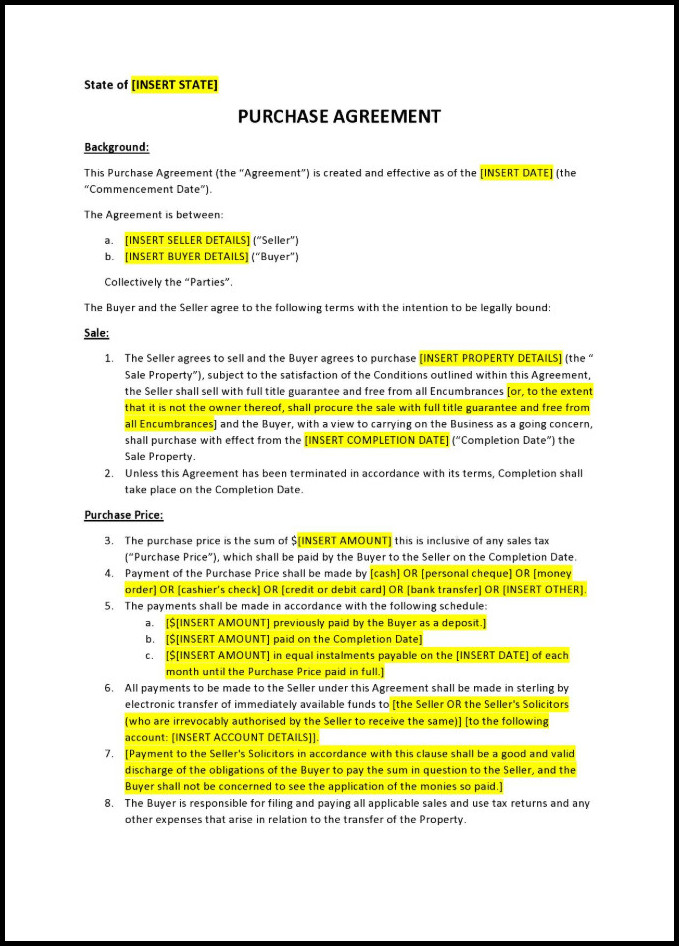
Successfully navigating a real estate purchase agreement requires preparation, communication, and attention to detail. Buyers and sellers who understand the process and follow best practices are more likely to avoid costly disputes and achieve smooth transactions.
One of the most important tips is to work with qualified professionals. Real estate agents, attorneys, inspectors, and mortgage specialists can provide valuable expertise and help identify potential issues before they become major problems. Professional guidance is especially important for first-time buyers and complex transactions.
Another key recommendation is to review every section of the agreement carefully. Many people sign contracts without fully understanding the terms, which can create confusion and financial risk later. Both parties should ask questions and seek clarification whenever necessary.
Clear communication is equally important. Buyers and sellers should maintain open discussions regarding repairs, deadlines, financing, and expectations. Poor communication often leads to unnecessary conflicts and delays.
Buyers should also prioritize thorough inspections. Even properties that appear well-maintained may contain hidden structural, plumbing, electrical, or environmental issues. Professional inspections provide critical information that can influence negotiations and future maintenance costs.
Sellers, on the other hand, should focus on full disclosure and documentation. Being transparent about property conditions reduces legal liability and builds trust with buyers.
Meeting contractual deadlines is another essential factor. Missing inspection periods, financing deadlines, or document submission dates can jeopardize the entire transaction.
Finally, both parties should keep organized records of all communications, disclosures, receipts, and signed documents throughout the transaction process.
1. Hire Experienced Professionals
Working with qualified real estate professionals significantly improves the chances of a successful transaction. Experienced agents and attorneys understand contract language, negotiation strategies, disclosure laws, and closing procedures. Their expertise can help prevent costly mistakes and legal complications.
2. Read Every Contract Clause Carefully
Every clause within the purchase agreement carries legal significance. Buyers and sellers should never assume they understand the contract without carefully reviewing each section. Clarifying uncertain language early can prevent disputes later.
3. Conduct Thorough Property Inspections
Professional inspections help buyers identify structural defects, water damage, electrical problems, roof issues, or pest infestations before finalizing the purchase. Inspection contingencies provide opportunities for negotiation or contract cancellation if major concerns arise.
4. Maintain Clear Communication
Open communication between buyers, sellers, agents, and lenders helps prevent misunderstandings and delays. Quick responses to questions and requests contribute to smoother transactions and stronger professional relationships.
5. Understand Contingencies
Contingencies are designed to protect both parties under specific circumstances. Buyers and sellers should fully understand financing contingencies, appraisal contingencies, inspection contingencies, and title contingencies before signing the agreement.
6. Meet All Deadlines
Purchase agreements contain strict timelines for inspections, financing approval, repairs, and closing activities. Missing important deadlines can lead to penalties, contract termination, or legal disputes.
7. Keep Financial Documentation Organized
Buyers should maintain organized records of income statements, tax returns, bank documents, and mortgage paperwork. Sellers should also preserve repair invoices, disclosure forms, and property records for reference during the transaction.
8. Review Closing Documents Carefully
Before closing, both parties should carefully review final settlement statements, loan documents, and title paperwork. Verifying accuracy before signing helps prevent financial errors and ownership complications.
Common Mistakes to Avoid in Real Estate Purchase Agreements
Although real estate purchase agreements are designed to create structure and legal protection, mistakes can still occur when buyers or sellers fail to approach the process carefully. Even minor errors may lead to financial losses, delays, disputes, or contract cancellations.
One common mistake is failing to read the agreement thoroughly before signing. Some individuals focus only on the purchase price while overlooking critical clauses involving contingencies, repairs, financing obligations, and legal responsibilities. Every section of the contract deserves careful review.
Another major issue involves vague language. Unclear terms regarding included appliances, repair responsibilities, or closing costs can create disagreements later. Specific and detailed wording helps eliminate confusion.
Many buyers also underestimate the importance of inspections. Waiving inspection contingencies to make an offer more competitive can expose buyers to serious repair expenses after closing.
Sellers sometimes fail to disclose known property defects. This can result in lawsuits, financial penalties, and reputational damage if hidden issues emerge after the sale is completed.
Financing problems also create complications. Buyers should avoid making large purchases, changing employment, or opening new credit accounts during the mortgage approval process, as these actions may affect loan eligibility.
Another frequent mistake is missing deadlines outlined in the contract. Inspection periods, financing approvals, and closing schedules are legally significant. Delays can jeopardize the transaction or trigger financial penalties.
Finally, some parties attempt to handle complex transactions without professional guidance. While simple deals may appear manageable, legal and financial risks can increase significantly without expert assistance.
Conclusion
A real estate purchase agreement is far more than a standard contract. It is the legal and financial foundation of every successful property transaction. By clearly defining the rights, obligations, timelines, and expectations of both buyers and sellers, this agreement helps create transparency, reduce disputes, and protect valuable investments.
Understanding how real estate purchase agreements work is essential for anyone involved in buying or selling property. From purchase price negotiations and contingencies to inspections and closing procedures, every detail within the contract plays a critical role in ensuring a smooth and legally secure transaction.
Whether purchasing a first home, selling investment property, or entering a commercial real estate deal, careful preparation and professional guidance can make a significant difference. Buyers and sellers who take the time to review contract terms, communicate clearly, meet deadlines, and seek expert advice are better positioned to achieve successful outcomes while minimizing financial and legal risks.
As real estate markets continue to evolve, the importance of strong contractual protection remains constant. A properly drafted real estate purchase agreement provides confidence, structure, and peace of mind for everyone involved in the transaction process.
