
When applying to colleges or universities, academic letter of recommendation can play a crucial role in helping admissions or selection committees gain insights into an applicant’s character, abilities, and potential beyond just grades and test scores. These letters are written by trusted, unbiased third parties who have had the opportunity to observe the applicant’s academic performance, work ethic, and personal qualities. In this article, we will explore the significance of academic letter of recommendation and provide tips on how to secure strong recommendations for your college applications.
What is an Academic Letter of Recommendation?
An academic letter of recommendation is a written document provided by a teacher, counselor, or other individuals who can attest to an applicant’s qualifications for admission to a college or university. These letters are typically requested as part of the college application process and are used by admissions committees to better understand the applicant’s strengths, weaknesses, and overall character.
Why are Academic Letters of Recommendation Important?
Academic letters of recommendation are important because they provide admissions committees with a more holistic view of the applicant. While grades and test scores offer valuable information about an applicant’s academic abilities, letters of recommendation can shed light on the applicant’s work ethic, leadership skills, and personal qualities that may not be evident from transcripts alone. These letters can also help differentiate one applicant from another, especially in highly competitive college admissions processes.
Key Elements of a Strong Academic Letter of Recommendation
1. Personalized and specific anecdotes that highlight the applicant’s strengths and accomplishments.
2. A detailed assessment of the applicant’s academic abilities and potential for success in college.
3. A comparison of the applicant to their peers to provide context for their achievements.
4. Clear and concise writing that is free of grammatical errors and typos.
5. Contact information for the recommender in case the admissions committee needs further clarification or information.
Samples of Academic Letter Of Recommendation:

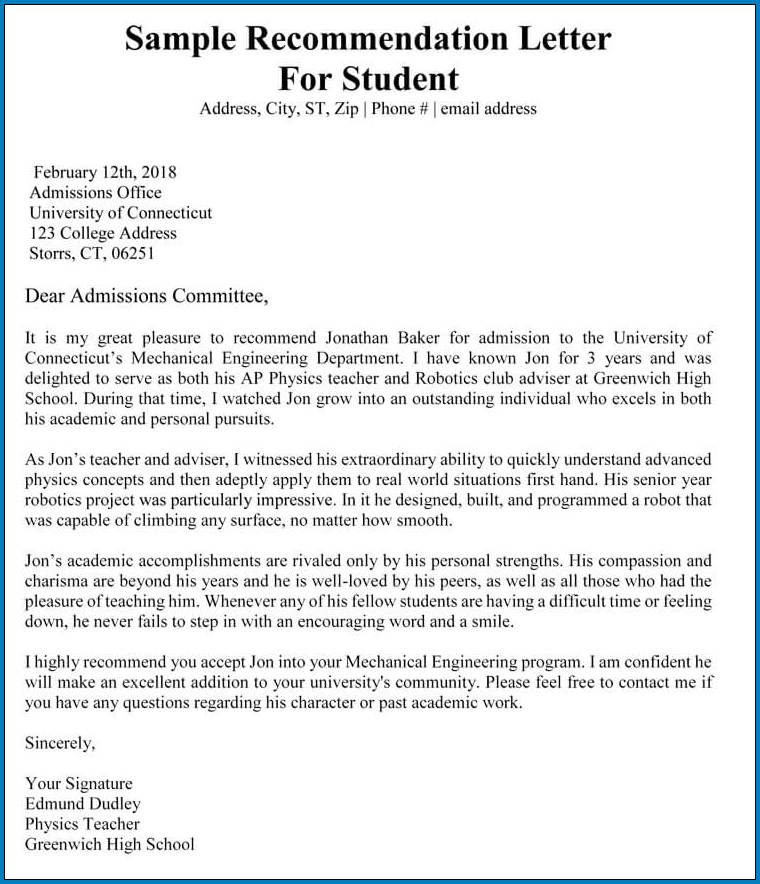


How to Secure Strong Academic Letters of Recommendation
1. Build strong relationships with teachers, counselors, or mentors who can write compelling letters on your behalf.
2. Provide recommenders with a resume or personal statement to help them better understand your background and achievements.
3. Give recommenders ample time to write the letter and provide them with specific details about the programs or colleges you are applying to.
4. Follow up with a thank-you note or small token of appreciation to show gratitude for their time and effort in writing the letter.
Tips for Writing a Request for Academic Letter of Recommendation
- Be polite and professional: When requesting a letter of recommendation, approach the recommender with respect and courtesy.
- Provide necessary information: Include details about the programs or colleges you are applying to and any specific requirements for the letter.
- Follow up: Check in with the recommender to ensure they have submitted the letter on time and offer assistance if needed.
- Express gratitude: Thank the recommender for their time and effort in writing the letter, regardless of the outcome of your application.
Conclusion
Academic letters of recommendation are valuable tools that can help admissions committees make informed decisions about applicants. By securing strong letters of recommendation and following best practices for requesting and writing these letters, applicants can enhance their chances of standing out in the competitive college admissions process. Remember to approach recommenders with respect, provide necessary information, and express gratitude for their support throughout the application process.
Academic Letter Of Recommendation Template | Word – download
