Time management is a crucial skill in today’s fast-paced world. With numerous tasks, appointments, and deadlines to juggle, it can be easy to feel overwhelmed and stressed. One effective way to stay on top of your commitments and maintain a healthy work-life balance is through calendar planning.
By visually organising your tasks and activities into a structured schedule, you can increase productivity, reduce stress, and gain control over your time.
What is Calendar Planning?
Calendar planning is the process of creating a visual roadmap for your daily and long-term activities. It involves organizing your tasks, appointments, and deadlines into a calendar format, allowing you to allocate time wisely and prioritize effectively.
By having a clear overview of your commitments, you can avoid missed deadlines, stay on track with your goals, and ensure that you have enough time for both work and personal activities.
Why is Calendar Planning Important?
Calendar planning is essential for effective time management for several reasons:
Increased Productivity
By creating a structured schedule, you can focus on one task at a time and avoid multitasking, which can lead to inefficiency. When you allocate specific time slots for each task and avoid distractions, you can work more efficiently and achieve better results. This focused approach to work enhances productivity and allows you to accomplish more in less time.
Reduced Stress
Having a visual representation of your commitments can help alleviate anxiety and overwhelm, as you can see exactly what needs to be done and when. By organizing your tasks and appointments in a calendar, you can reduce the mental burden of trying to remember everything. This reduction in cognitive load leads to decreased stress and a greater sense of control over your workload.
Maintaining a Healthy Work-Life Balance
Calendar planning allows you to allocate time for both work and personal activities, ensuring that you have time for relaxation, hobbies, and socializing. By balancing your professional and personal commitments in a structured schedule, you can prevent work from encroaching on your personal time and vice versa. This balance is essential for overall well-being and prevents burnout and exhaustion.
Avoiding Missed Deadlines
By keeping track of your appointments and deadlines, you can ensure that you meet all your commitments and avoid the consequences of missed deadlines. When you schedule tasks and deadlines in your calendar, you create a sense of urgency and importance around them. This accountability motivates you to complete tasks on time, meet deadlines, and follow through on your commitments, leading to greater success and satisfaction.
What to Include in Your Calendar?
When creating a calendar for effective time management, consider including the following elements:
Appointments
Schedule all your appointments, meetings, and events to ensure that you are aware of your commitments and can plan your day accordingly. By marking down important appointments in your calendar, you can avoid scheduling conflicts and ensure that you are prepared for each engagement.
Tasks and To-Do Lists
Break down your tasks into manageable chunks and allocate time for each task in your calendar to ensure that you stay on track with your goals. By creating a to-do list and scheduling specific tasks in your calendar, you can prioritize effectively, avoid procrastination, and ensure that you make progress on your work each day.
Deadlines
Mark important deadlines for projects, assignments, and other tasks to prioritize your workload and avoid last-minute rushes. By setting deadlines for your tasks and projects, you create a sense of urgency and ensure that you stay on track with your goals. This time-bound approach helps prevent procrastination and ensures that you complete tasks on time.
Personal Time
Don’t forget to schedule time for relaxation, hobbies, and self-care to maintain a healthy work-life balance. By allocating time in your calendar for personal activities, you ensure that you have time to recharge, unwind, and engage in activities that bring you joy. This self-care time is essential for overall well-being and prevents burnout and exhaustion.
How to Create an Effective Calendar Plan
Follow these steps to create an effective calendar plan:
Choose the Right Tools
Use a physical planner, digital calendar, or time management app that works best for you. Experiment with different tools to find one that suits your preferences and helps you stay organized. Whether you prefer a traditional paper planner or a digital calendar with reminders, choose a tool that you will actually use consistently.
Set Priorities
Identify your most important tasks and schedule them first to ensure they get done. By prioritizing your tasks based on importance and urgency, you can focus on what truly matters and make progress on your key goals. Setting priorities helps you allocate time effectively and ensures that you work on tasks that align with your objectives.
Allocate Time Wisely
Estimate how long each task will take and schedule it accordingly, allowing buffer time for unexpected delays. By accurately estimating the time required for each task and allocating sufficient time in your calendar, you can prevent overcommitting yourself and feeling overwhelmed. This realistic approach to time allocation ensures that you have enough time to complete your work efficiently.
Review and Adjust
Regularly review your calendar, make adjustments as needed, and learn from past experiences to refine your planning process. By reflecting on your daily schedule, identifying areas for improvement, and making adjustments as necessary, you can fine-tune your calendar planning skills and become more effective at managing your time. This ongoing review process helps you stay on track with your goals and adapt to changing circumstances.
Tips for Effective Calendar Planning
Here are some additional tips to make the most out of your calendar planning:
Use Color Coding
Assign different colors to different types of activities to visually differentiate between work, personal, and other commitments. By color-coding your calendar entries, you can quickly identify the nature of each task or appointment and prioritize accordingly. This visual organization method helps you quickly assess your schedule and make informed decisions about how to allocate your time.
Block Time for Focus
Schedule blocks of time for focused work without interruptions to boost productivity and efficiency. By setting aside dedicated time for deep work, free from distractions and interruptions, you can concentrate on complex tasks and make significant progress. This focused work approach enhances your productivity and allows you to accomplish more in less time.
Include Breaks
Don’t forget to schedule short breaks throughout your day to recharge and avoid burnout. By incorporating regular breaks into your schedule, you give yourself time to rest, refresh, and regain focus. These short breaks help prevent mental fatigue, enhance creativity, and improve overall well-being. Remember that taking breaks is not a waste of time but an essential component of productive work.
Stay Flexible
Be open to changes in your schedule and be prepared to adapt to unexpected events or new priorities. While having a structured calendar is important for effective time management, it’s also essential to remain flexible and responsive to changes. Life is unpredictable, and circumstances may arise that require adjustments to your plans. By staying open-minded and adaptable, you can navigate these changes gracefully and maintain a sense of control over your time.
Free Calendar Planning Template
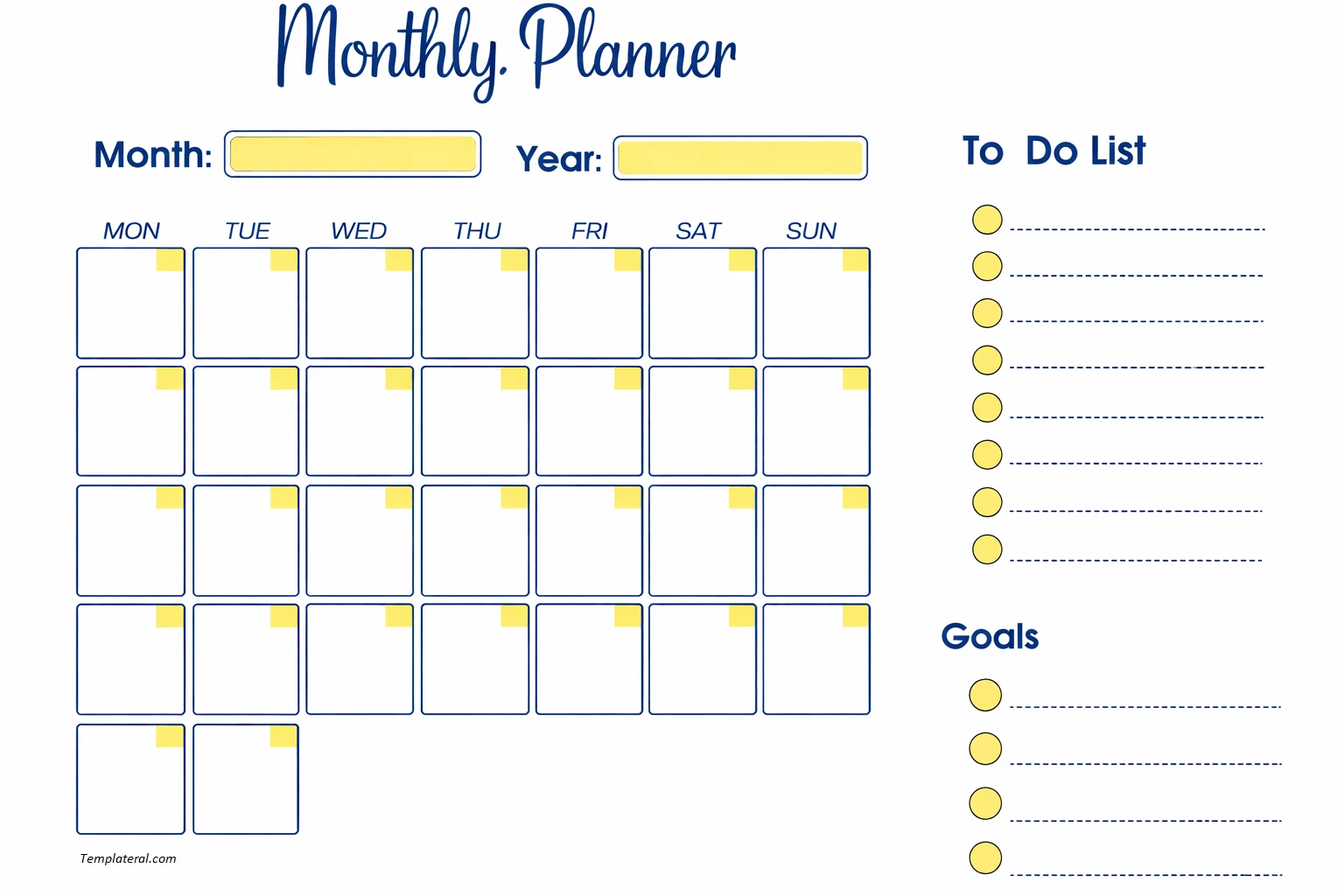
Calendar Planning helps you organize appointments, deadlines, and daily activities in a clear and structured format. It makes it easier to manage time effectively, stay on track with priorities, and plan with confidence. With a well-designed template, you can reduce stress, improve productivity, and maintain a balanced schedule.
Download our Calendar Planning Template today to plan your days efficiently and stay organized with ease.
Calendar Planning Template – DOWNLOAD
