Have you ever found yourself lost in the middle of a book or movie, unable to keep track of the storyline? Or perhaps you’re an aspiring writer looking for a way to better organize your thoughts and plot points.
Enter the plot diagram – a visual representation of a story’s structure that helps both creators and consumers understand, organize, and analyze the narrative’s key components from beginning to end.
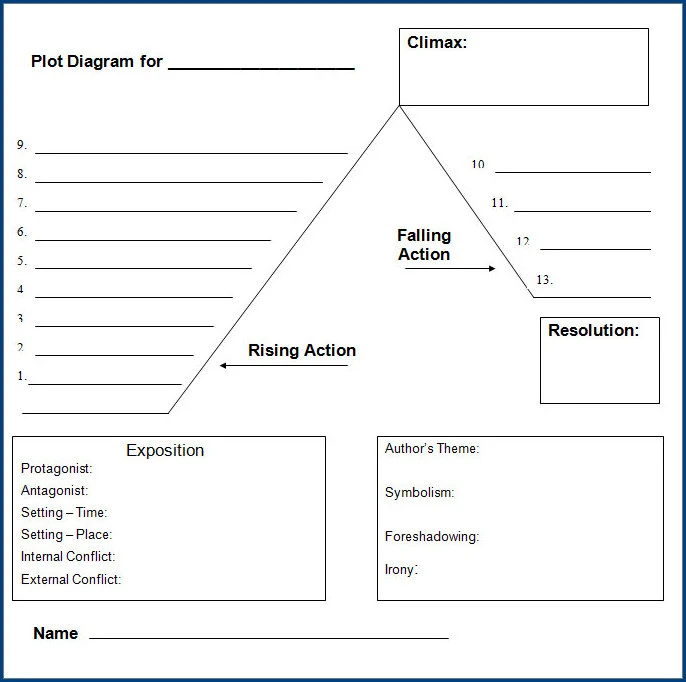
Think of it as a roadmap that outlines how the story develops through exposition, conflict, rising action, climax, falling action, and resolution, clarifying the story’s flow and the relationship between events. In this comprehensive guide, we’ll delve into the intricacies of plot diagrams, exploring their types, elements, and how they aid in storytelling and writing.
What is a Plot Diagram?
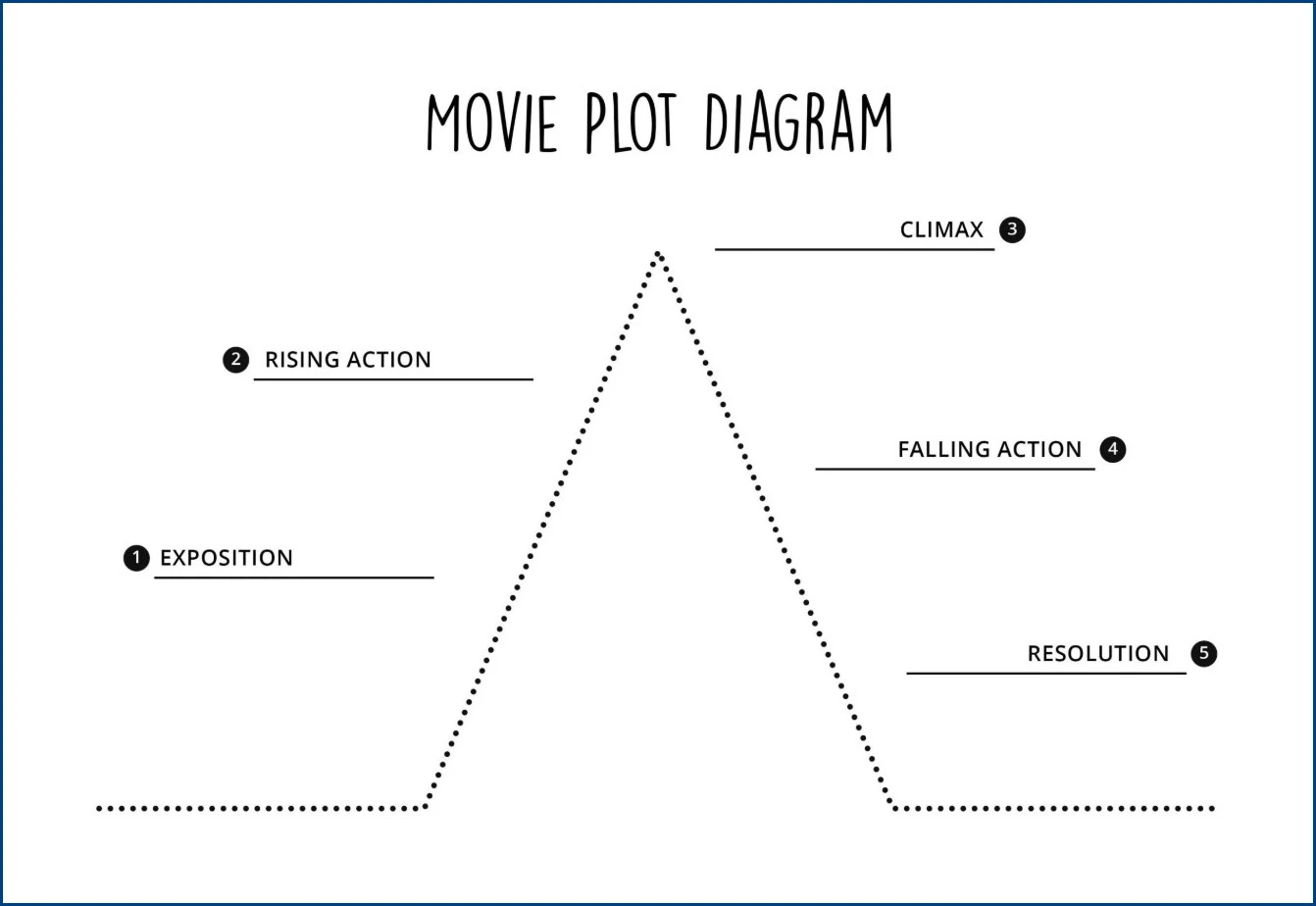
A plot diagram is a tool used to visually represent the structure of a story. It breaks down the narrative into key components, providing a clear roadmap of how the story unfolds. By outlining the exposition, conflict, rising action, climax, falling action, and resolution, a plot diagram helps both creators and consumers understand the flow of events.
Types of Plot Diagrams
There are several types of plot diagrams that writers and readers can utilize to analyze and understand stories:
- Linear Plot Diagram: The most common type, where events unfold in a straightforward chronological order.
- Inverted Plot Diagram: Events are presented in reverse order, starting with the resolution and ending with the exposition.
- Zigzag Plot Diagram: The storyline moves back and forth between different timelines or perspectives.
- Spiral Plot Diagram: Events spiral towards a central climax before unraveling towards the resolution.
How Plot Diagrams Help in Storytelling and Writing
Plot diagrams play a crucial role in both storytelling and writing by offering a visual representation of a story’s structure. They help in:
- Organizing Ideas: Writers can use plot diagrams to outline their story’s progression and ensure a logical sequence of events.
- Building Suspense: By mapping out the rising action and climax, creators can effectively build tension and suspense in their narratives.
- Enhancing Understanding: Readers can use plot diagrams to better comprehend complex storylines and character arcs.
- Identifying Plot Holes: Plot diagrams can reveal inconsistencies or gaps in the storyline, allowing creators to make necessary revisions.
Elements of Plot Diagrams
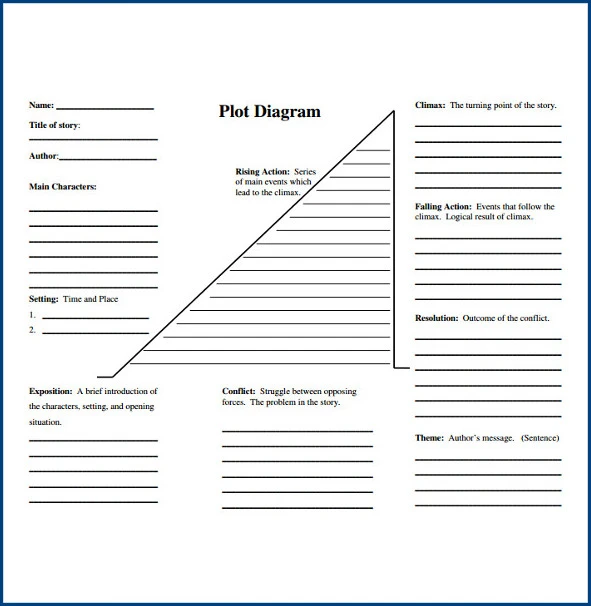
A typical plot diagram consists of the following key elements:
- Exposition: Introduces the characters, setting, and basic situation of the story.
- Conflict: The central problem or challenge that drives the narrative forward.
- Rising Action: Events that build tension and lead to the story’s climax.
- Climax: The turning point of the story, where the conflict reaches its peak.
- Falling Action: Events that follow the climax and begin to resolve the conflict.
- Resolution: The final outcome of the story, where loose ends are tied up.
How to Make a Plot Diagram
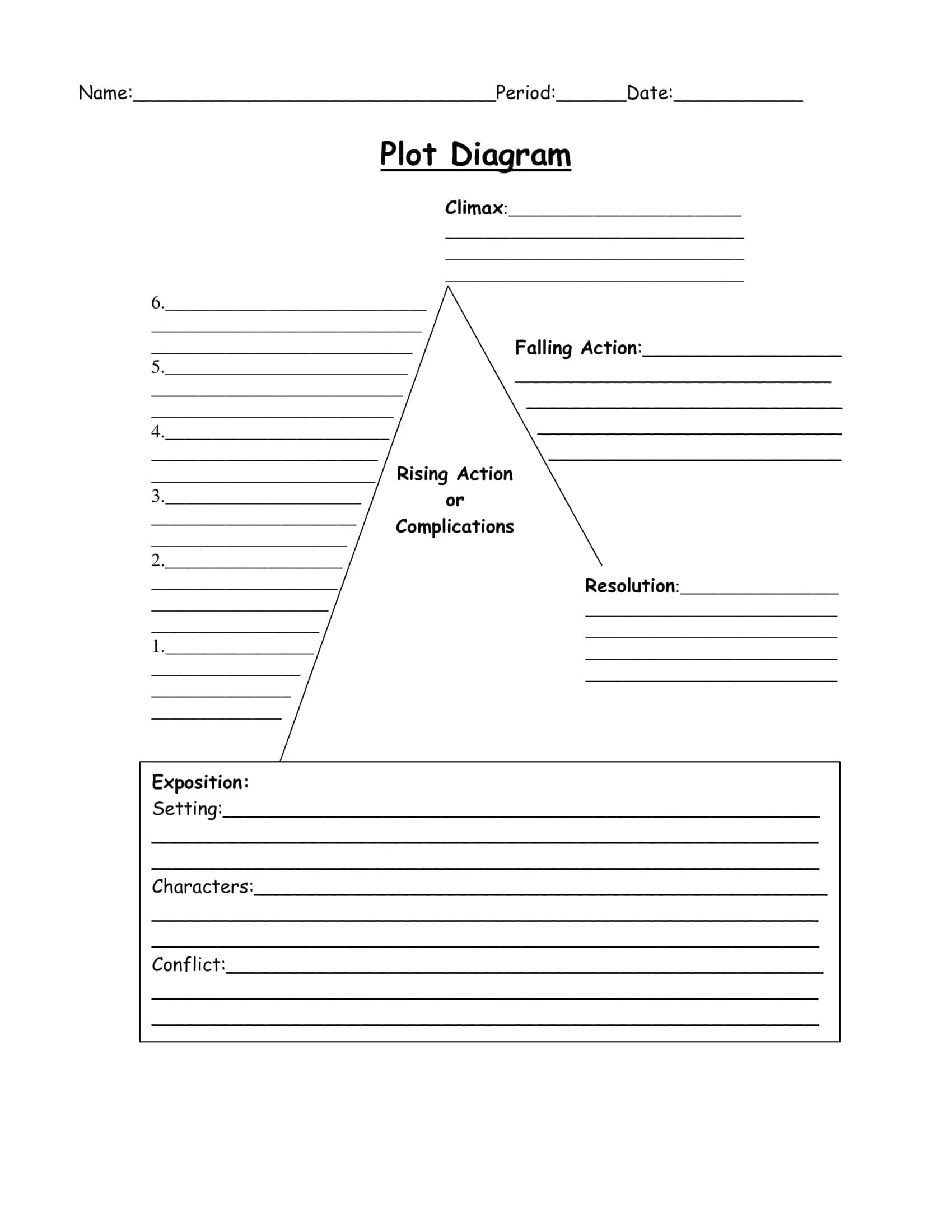
Creating a plot diagram is a straightforward process that involves the following steps:
1. Identify the Key Elements
Begin by determining the key components of your story, including the characters, setting, conflict, and resolution.
2. Outline the Structure
Draw a simple line graph or chart with labeled sections for exposition, rising action, climax, falling action, and resolution.
3. Plot the Events
Fill in each section of the diagram with the corresponding events from your story, ensuring a logical progression.
4. Connect the Dots
Use arrows or lines to connect the events and show how they lead from one point to the next, building towards the climax.
5. Review and Refine
Step back and review your plot diagram, making any necessary revisions to ensure coherence and consistency.
6. Share and Discuss
Use your plot diagram as a tool for discussion and analysis, engaging with others to gain feedback and insights on your story’s structure.
7. Iterate and Improve
Continue to refine your plot diagram as you work on your story, using it as a dynamic tool to guide your narrative development.
8. Experiment with Different Formats
Don’t be afraid to try out different types of plot diagrams to see which one works best for your storytelling style and preferences.
9. Seek Inspiration
Study plot diagrams from your favorite books, movies, or TV shows to gather ideas and inspiration for structuring your own narrative.
10. Practice Makes Perfect
Keep honing your plot diagram skills through practice and experimentation, refining your storytelling craft with each new project.
Plot Diagram Template – Word
