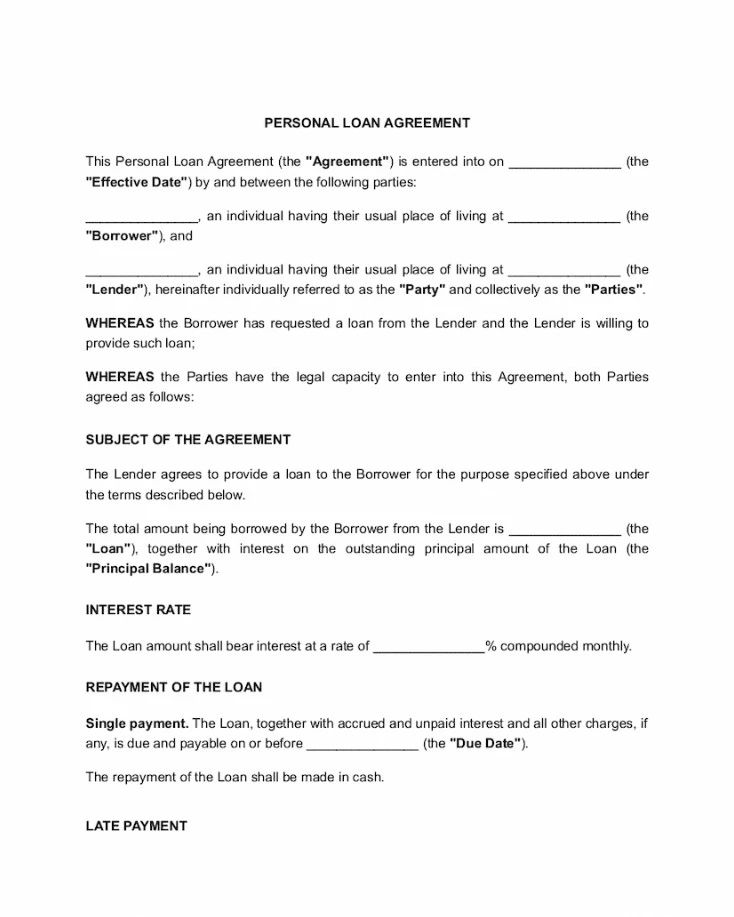
Dealing with debt can be overwhelming, but there are options available to help individuals manage their financial obligations. One such option is a personal debt agreement, which acts as a formal, legally binding contract that outlines the terms of a loan between a lender and a borrower or serves as an alternative to bankruptcy for individuals with unmanageable debts.
Whether used for personal loans or debt relief, a personal debt agreement provides clarity for both parties involved and establishes a structured way to settle debts.
In this article, we will delve into the key elements of a personal debt agreement, why it is important, how to create one, and tips for successful implementation.
What is a Personal Debt Agreement?
A personal debt agreement is a formal contract that establishes the terms of a loan between a lender and a borrower or serves as an alternative to bankruptcy for individuals struggling with unmanageable debts. It outlines crucial details such as loan amounts, interest rates, and repayment schedules, providing clarity and legal recourse in case of disputes.
For debt relief purposes, a personal debt agreement allows debtors to pay a percentage of their total debt over an agreed-upon period, offering a structured approach to settling debts without resorting to full bankruptcy.
Why Consider a Personal Debt Agreement?
There are several reasons why individuals may opt for a personal debt agreement rather than filing for bankruptcy. One of the primary reasons is to avoid the long-lasting negative effects of bankruptcy on credit scores and financial reputation. A personal debt agreement offers a more structured and less severe way to resolve debts, allowing individuals to maintain some control over their financial situation while still fulfilling their obligations. Additionally, a personal debt agreement can provide a sense of relief and a fresh start for individuals burdened by overwhelming debt.
Key Elements of a Personal Debt Agreement
When creating a personal debt agreement, several key elements must be included to ensure that both parties are protected and the terms of the agreement are clear. These elements typically consist of:
- Loan Amount: The specific amount of money borrowed by the debtor.
- Interest Rates: The agreed-upon rate at which interest will accrue on the loan.
- Repayment Schedule: The timeline and structure for repaying the loan or settling the debt.
- Consequences of Default: The actions that will be taken if the borrower fails to meet the terms of the agreement.
- Legal Recourse: The provisions for resolving disputes or enforcing the terms of the agreement through legal means.
How to Create a Personal Debt Agreement
Creating a personal debt agreement requires careful consideration and attention to detail to ensure that all parties are in agreement and protected. Here are the essential steps to follow when creating a personal debt agreement:
1. Consult with a Financial Advisor:
Before entering into a personal debt agreement, it is advisable to seek guidance from a financial advisor or legal professional to understand the implications and ensure that the agreement is in your best interest.
2. Negotiate Terms:
Discuss and negotiate the terms of the agreement with the lender or creditor, including the loan amount, interest rates, repayment schedule, and any other relevant details.
3. Draft the Agreement:
Prepare a formal written agreement that clearly outlines all the terms and conditions of the loan or debt settlement, ensuring that both parties are in agreement and understand their obligations.
4. Sign the Agreement:
Once the agreement has been drafted and reviewed, both parties should sign the document to signify their acceptance of the terms and commitment to fulfilling the agreement.
5. Fulfill Your Obligations:
Adhere to the terms of the personal debt agreement by making timely payments, adhering to the repayment schedule, and fulfilling your obligations as outlined in the agreement.
6. Seek Legal Advice if Needed:
If any disputes or issues arise during the term of the agreement, seek legal advice to understand your rights and options for resolving the situation in accordance with the terms of the agreement.
7. Review and Update as Necessary:
Regularly review the terms of the personal debt agreement and update them as needed to reflect any changes in financial circumstances or obligations, ensuring that the agreement remains relevant and effective.
Tips for Successful Personal Debt Agreements
When entering into a personal debt agreement, consider the following tips to ensure a successful and positive outcome:
- Communicate Openly: Maintain open communication with the lender or creditor throughout the term of the agreement to address any issues or concerns promptly.
- Stick to the Repayment Plan: Adhere to the agreed-upon repayment schedule and make timely payments to avoid defaulting on the agreement.
- Seek Professional Advice: Consult with financial advisors or legal professionals to ensure that the agreement is fair and in your best interest.
- Stay Informed: Stay informed about your rights and obligations under the agreement to avoid any misunderstandings or disputes.
- Plan for the Future: Use the personal debt agreement as an opportunity to improve your financial habits and plan for a more secure financial future.
By understanding the key elements of a personal debt agreement, why it is important, how to create one, and following the tips for successful implementation, individuals can effectively manage their debts and work towards financial stability without resorting to full bankruptcy.
Personal Debt Agreement Template – Word
