Understanding the intricacies of genetic inheritance has long been a fascination for scientists and researchers alike. One of the most powerful tools in unraveling the mysteries of heredity is the pedigree chart.
This visual representation of a family’s genetic history allows us to track the inheritance of traits or diseases across multiple generations. By analyzing pedigree charts, geneticists, counselors, and researchers can determine inheritance patterns, identify carriers of genetic conditions, and assess the risk of future offspring developing a particular genetic disorder.
What is a Pedigree Chart?
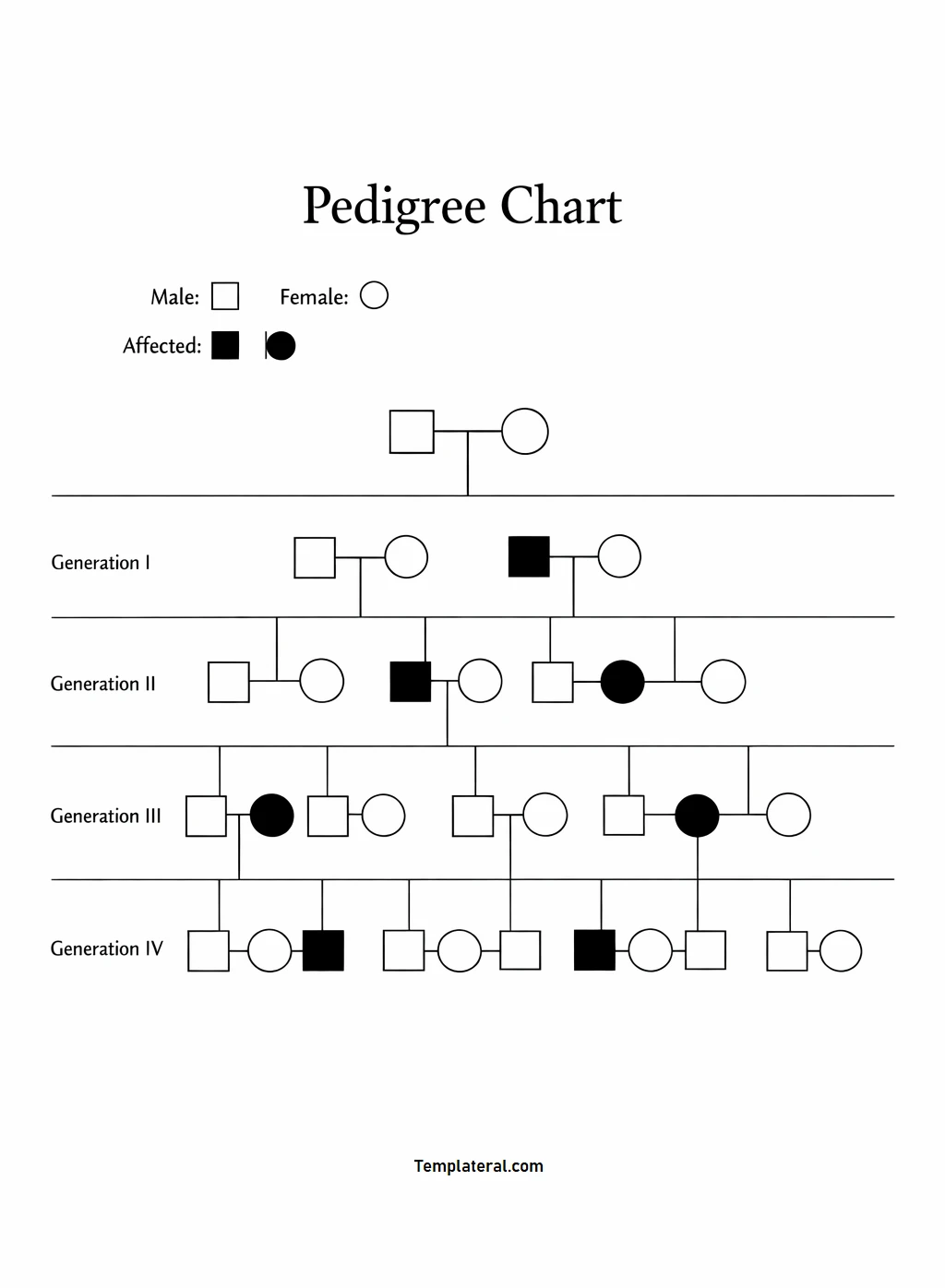
A pedigree chart is a diagram that displays the genetic relationships within a family. It typically includes information about individuals in a family, such as their names, genders, ages, and any known genetic traits or conditions they may have.
By connecting these individuals with lines to represent familial relationships, a pedigree chart provides a visual overview of how genetic traits are passed down from one generation to the next.
Why Use Pedigree Charts?
Pedigree charts are essential tools for geneticists, counselors, and researchers for several reasons:
- Tracking Inheritance Patterns: Pedigree charts help to identify the patterns of inheritance for specific genetic traits or diseases within a family.
- Identifying Carriers: By examining a pedigree chart, it is possible to identify individuals who may carry a genetic mutation without showing any symptoms of the associated condition.
- Assessing Risk: Pedigree charts allow for the assessment of the risk of future offspring developing a particular genetic disorder based on the family history of the condition.
What to Include in a Pedigree Chart
When creating a pedigree chart, several key elements should be included to ensure its effectiveness in analyzing genetic inheritance:
- Generations: Clearly indicate each generation in the chart, typically denoted by Roman numerals (I, II, III, etc.).
- Individuals: Include information about each family member, such as their name, gender, age, and any relevant genetic information.
- Relationships: Connect individuals with lines to show familial relationships, including marriages, children, and siblings.
- Traits or Conditions: Note any known genetic traits or conditions present in the family, along with information about carriers and affected individuals.
How to Create a Pedigree Chart
Creating a pedigree chart involves several steps to accurately represent a family’s genetic history:
1. Gather Information:
Collect relevant information about family members, including their genetic traits or conditions, to start building the pedigree chart.
2. Determine Relationships:
Identify the relationships between family members and connect them in the chart using lines to show parentage and sibling connections.
3. Include Generational Information:
Use Roman numerals to denote each generation in the chart, starting with the oldest generation at the top.
4. Add Genetic Traits or Conditions:
Include symbols or notations to indicate known genetic traits or conditions within the family, highlighting carriers and affected individuals.
5. Analyze Patterns:
Review the completed pedigree chart to identify inheritance patterns and assess the risk of genetic conditions being passed down to future generations.
Tips for Using Pedigree Charts
When working with pedigree charts, consider the following tips to enhance their effectiveness:
- Keep it Neat: Ensure that the chart is easy to read and understand by organizing information in a clear and concise manner.
- Double-Check Information: Verify the accuracy of data included in the pedigree chart to avoid errors in analysis.
- Consult with Experts: Seek guidance from genetic counselors or researchers when interpreting complex pedigree charts to ensure accuracy.
- Update Regularly: As new information becomes available, update the pedigree chart to reflect any changes in the family’s genetic history.
Exploring Genetic Inheritance with Pedigree Charts
By utilizing pedigree charts to visually represent and analyze a family’s genetic history, we gain valuable insights into the inheritance of traits and diseases across generations. These powerful tools play a crucial role in understanding genetic patterns, identifying carriers of genetic conditions, and assessing the risk of future offspring developing specific genetic disorders. Whether you’re a geneticist, counselor, or researcher, pedigree charts provide a roadmap to unraveling the complexities of genetic inheritance.
Pedigree Chart Template – Download
