Being a caregiver for a loved one can be a challenging yet deeply rewarding experience. It involves a great deal of responsibility, compassion, and dedication to ensure that the care recipient’s needs are met in a timely and efficient manner. One way to bring structure, consistency, and organization to caregiving is through the implementation of a caregiver schedule.
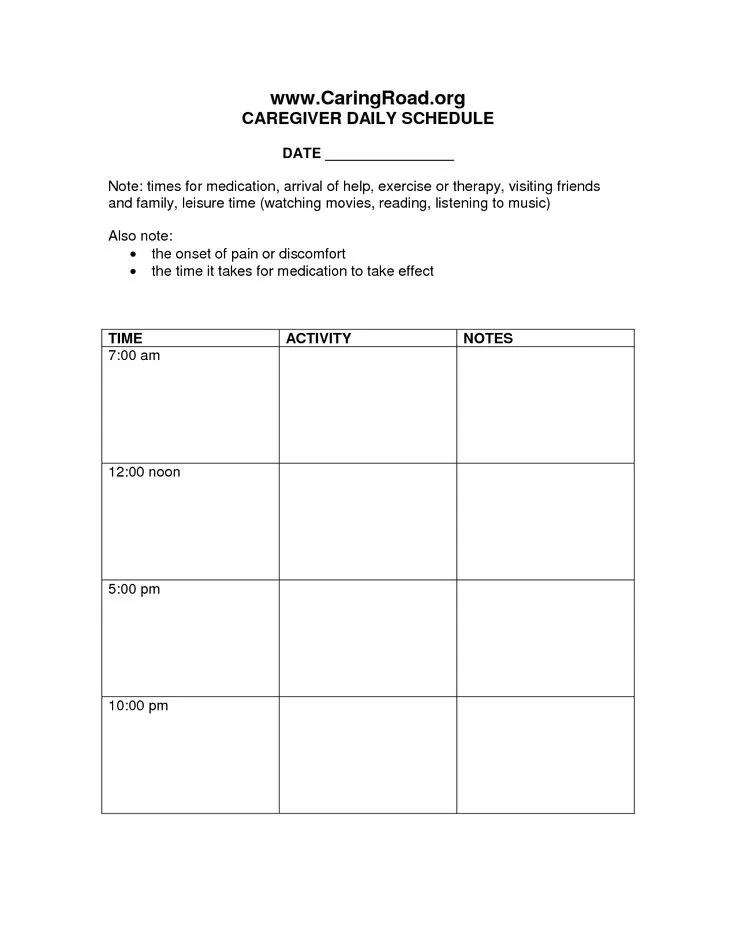
This schedule serves as a roadmap for caregivers, outlining tasks, appointments, and activities to provide the best possible care while preventing burnout and enhancing the overall quality of care.
What is a Caregiver Schedule?
A caregiver schedule is a detailed plan that lays out the day-to-day activities and responsibilities of caregivers involved in the care of a loved one. It serves as a tool to help caregivers stay organized, manage their time effectively, and ensure that all aspects of care are addressed.
A well-crafted schedule can help caregivers juggle multiple tasks, appointments, and responsibilities while providing a structured framework for caregiving activities.
Why is a Caregiver Schedule Important?
A caregiver schedule plays a vital role in enhancing the caregiving experience for both the caregiver and the care recipient. Its importance lies in several key factors that contribute to the overall well-being of both parties involved in the caregiving relationship.
Preventing Burnout
One of the primary reasons why a caregiver schedule is essential is its role in preventing caregiver burnout. Caregiving can be physically, emotionally, and mentally demanding, leading to exhaustion and feelings of overwhelm. By creating a structured schedule that distributes tasks and responsibilities among multiple caregivers, the burden is shared, reducing the risk of burnout and allowing caregivers to maintain their own well-being.
Enhancing Communication
A caregiver schedule serves as a communication tool among family members, friends, and professional caregivers involved in the care of the individual. It ensures that everyone is on the same page regarding the care recipient’s needs, preferences, and appointments. Effective communication through the schedule fosters collaboration, teamwork, and a shared commitment to providing quality care.
Promoting Consistency
Consistency is key in caregiving, particularly for individuals with cognitive decline or memory issues. A well-planned schedule provides predictability and routine for the care recipient, reducing anxiety, confusion, and behavioral challenges. Consistent care promotes a sense of security, familiarity, and comfort for the individual, enhancing their overall well-being and quality of life.
Improving Care Quality
By following a caregiver schedule, caregivers can ensure that all aspects of care, from medication management to social activities, are addressed in a timely and thorough manner. This commitment to quality care results in better health outcomes, improved emotional well-being, and greater overall satisfaction for both the care recipient and the caregivers involved.
Empowering Caregivers
A caregiver schedule empowers caregivers by providing a sense of control, organization, and structure in their caregiving responsibilities. It allows caregivers to plan, prioritize tasks, and manage their time effectively, leading to greater efficiency and productivity in caregiving activities. This empowerment fosters a sense of confidence, competence, and fulfillment in the caregiving role.
What to Include in a Caregiver Schedule?
Creating a comprehensive caregiver schedule involves careful consideration of the various components that contribute to effective and high-quality care. Including the following elements in a caregiver schedule can help streamline caregiving activities and ensure that all aspects of care are addressed.
Daily Care Tasks
One of the essential components of a caregiver schedule is outlining the daily care tasks that need to be completed. This may include medication reminders, personal care activities, meal preparation, exercise routines, and mobility assistance. By breaking down the day into manageable tasks, caregivers can ensure that all essential care activities are completed on time.
Medical Appointments
Another critical aspect of a caregiver schedule is scheduling medical appointments and healthcare visits. This may include regular check-ups, specialist consultations, therapy sessions, diagnostic tests, and screenings. Ensuring that the care recipient attends all necessary appointments and follows up on medical recommendations is essential for maintaining their health and well-being.
Social Engagement
Promoting social engagement and emotional well-being is an important part of caregiving. Including social activities, outings, visits with friends and family, and participation in community events in the caregiver schedule helps prevent social isolation, loneliness, and depression. Social interactions can improve the care recipient’s mood, cognitive function, and overall quality of life.
Respite Care
Self-care is crucial for caregivers to prevent burnout and maintain their own well-being. Incorporating respite care opportunities into the caregiver schedule allows caregivers to take breaks, recharge, and prioritize their physical and emotional health. Whether it’s arranging for temporary care services or enlisting the help of family members, respite care ensures that caregivers have time for themselves.
Emergency Preparedness
Including emergency contact information, healthcare providers’ phone numbers, and essential medical details in the caregiver schedule is essential for preparedness. In case of a medical emergency or unexpected event, having quick access to important information can help caregivers respond promptly and effectively, ensuring the care recipient’s safety and well-being.
How to Create a Caregiver Schedule
Creating a caregiver schedule requires thoughtful planning, attention to detail, and a collaborative approach to caregiving. By following these steps, caregivers can develop a personalized and effective schedule that meets the unique needs of the care recipient and promotes quality care.
Evaluate the Care Recipient’s Needs
Understanding the specific needs, preferences, and challenges of the care recipient is the first step in creating a caregiver schedule. Consider factors such as medical conditions, mobility limitations, dietary restrictions, cognitive abilities, and social preferences to tailor the schedule to meet their individual requirements.
Identify Available Caregivers
Determining who will be involved in the caregiving process and what each caregiver’s responsibilities are is crucial for effective scheduling. Consider family members, friends, neighbors, or professional caregivers who can contribute to the care recipient’s well-being. Allocate tasks based on each caregiver’s availability, skills, and strengths.
Establish a Routine
Creating a consistent daily routine for the care recipient helps maintain predictability and structure in their daily life. Establish set times for meals, medication administration, personal care activities, exercise, social interactions, and rest periods. A routine provides a sense of security and stability for the care recipient, reducing anxiety and promoting overall well-being.
Use Tools and Resources
Utilizing technology, caregiver apps, online calendars, or traditional pen and paper can help caregivers organize and track their schedule effectively. Choose tools that suit your preferences and caregiving style, whether it’s digital reminders, color-coded calendars, or detailed task lists. These resources can streamline communication, coordination, and task management among caregivers.
Review and Adjust
Regularly reviewing the caregiver schedule and assessing its effectiveness is essential for continuous improvement. Monitor the care recipient’s response to the schedule, evaluate the efficiency of caregiving activities, and gather feedback from other caregivers involved. Be open to making adjustments, refinements, and modifications to the schedule to better meet the care recipient’s changing needs.
Tips for Successful Caregiver Scheduling
To optimize the benefits of a caregiver schedule and enhance the caregiving experience, consider implementing the following tips and strategies.
Communicate Openly
Effective communication plays a crucial role in successful caregiving. Keep lines of communication open with other caregivers, family members, healthcare providers, and the care recipient to ensure that everyone is informed, involved, and engaged in the caregiving process. Share updates, concerns, and suggestions to promote collaboration and teamwork.
Delegate Tasks
Don’t hesitate to delegate tasks and responsibilities to other caregivers or family members to lighten the load and prevent caregiver burnout. Recognize your limitations, prioritize self-care, and seek support from others
Take Care of Yourself
Self-care is not selfish; it is essential for maintaining your physical, emotional, and mental well-being as a caregiver. Prioritize your own needs, set boundaries, and make time for activities that recharge and rejuvenate you. Whether it’s engaging in hobbies, exercise, meditation, or spending time with loved ones, self-care is vital for sustaining your caregiving role.
Be Flexible
Flexibility is a key attribute in caregiving, as circumstances may change, unexpected events may arise, and adjustments to the schedule may be necessary. Stay adaptable, patient, and open-minded when faced with changes in the care recipient’s condition, caregiving demands, or external factors. Being flexible allows you to navigate challenges with resilience and creativity.
Seek Support
Don’t hesitate to reach out for support, guidance, and assistance when needed. Caregiving can be a challenging and isolating experience, but you are not alone. Connect with support groups, counseling services, community resources, and respite care providers to access help, information, and emotional support. Seeking support can alleviate stress, provide perspective, and enhance your caregiving capabilities.
Practice Patience and Compassion
Caring for a loved one requires patience, empathy, and kindness. Be gentle with yourself and the care recipient, recognizing that caregiving is a journey filled with ups and downs. Practice active listening, empathy, and understanding in your interactions with the care recipient, acknowledging their feelings, needs, and perspectives with compassion and respect.
Celebrate Achievements
Recognize and celebrate your caregiving achievements, no matter how small they may seem. Acknowledge the impact of your care, the improvements in the care recipient’s well-being, and the strength and resilience you demonstrate as a caregiver. Celebrating successes, milestones, and moments of joy can boost morale, motivation, and satisfaction in your caregiving role.
Stay Informed
Keep yourself informed about the care recipient’s medical condition, treatment plan, medications, and healthcare needs. Stay in regular communication with healthcare providers, ask questions, and seek clarification on any aspects of care that are unclear. Knowledge is empowering and equips you with the information needed to provide effective and informed care.
Practice Self-Reflection
Take time to reflect on your caregiving experiences, emotions, and challenges. Self-reflection allows you to gain insights into your caregiving approach, identify areas for improvement, and acknowledge your strengths and limitations. Journaling, mindfulness practices, or discussions with other caregivers can help you constructively process your feelings and experiences.
Set Realistic Expectations
Avoid setting unrealistic expectations for yourself or the care recipient. Recognize that caregiving is a journey with its own set of challenges, limitations, and uncertainties. Be realistic about what you can achieve, prioritize tasks based on importance, and seek help when needed. Setting achievable goals and expectations promotes balance, self-care, and overall well-being.
Embrace Moments of Connection
Amidst the responsibilities and demands of caregiving, cherish and embrace moments of connection, joy, and love with the care recipient. Whether it’s sharing a laugh, enjoying a meal together, reminiscing about past experiences, or simply holding hands, these moments of connection are precious and meaningful. Cultivate a sense of closeness, intimacy, and companionship in your caregiving relationship.
Seek Professional Guidance
If you feel overwhelmed, stressed, or unsure about how to manage the caregiving responsibilities effectively, consider seeking professional guidance. Consult with healthcare professionals, social workers, or caregiving experts who can provide advice, resources, and support tailored to your specific caregiving situation. Professional guidance can offer valuable insights, strategies, and solutions to enhance your caregiving experience.
Embrace Resilience
Caregiving requires resilience, adaptability, and perseverance in the face of challenges and obstacles. Cultivate a resilient mindset, draw on your inner strength, and believe in your ability to overcome difficulties. Embracing resilience allows you to navigate the complexities of caregiving with courage, grace, and determination, supporting both yourself and the care recipient along the way.
Caregiver Schedule Template
A Caregiver Schedule helps organize daily and weekly caregiving tasks in a clear and structured way. It outlines shifts, responsibilities, appointments, medication times, and special care instructions, ensuring consistent and reliable care. With a well-organized template, caregivers can improve communication, reduce confusion, and provide better support for those in their care.
Download our Caregiver Schedule Template today to keep caregiving routines organized and ensure dependable, coordinated care.
Caregiver Schedule Template – DOWNLOAD
