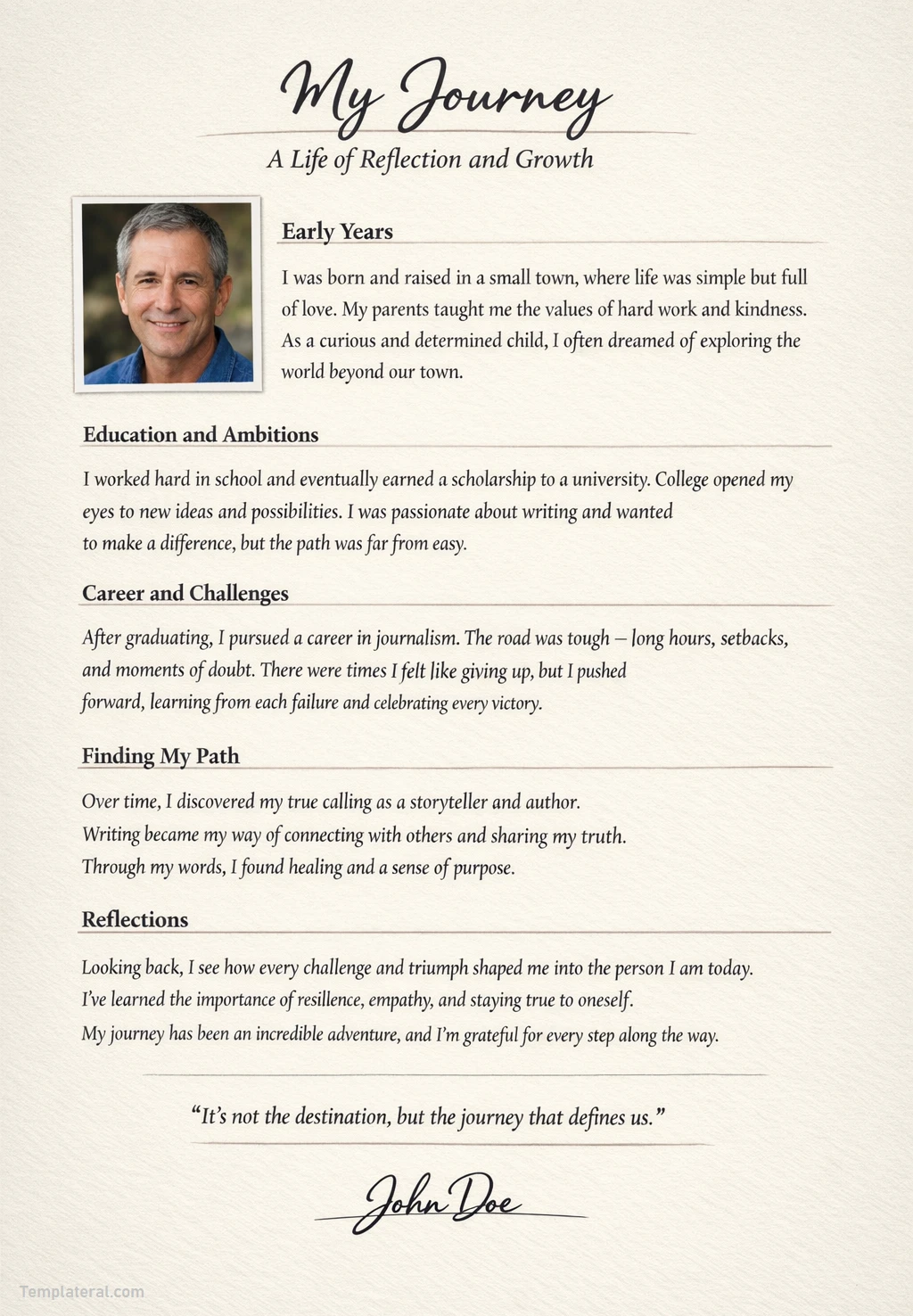
Autobiography is a powerful literary genre that provides a first-person account of the author’s life, offering a unique insight into their experiences, reflections, and perspectives. It allows readers to delve into the author’s journey, from their upbringing and education to their career, challenges, and achievements.
Autobiographies often highlight key events and moments of personal growth, providing a window into the author’s inner thoughts and emotions. In addition to documenting one’s life story, autobiographies can serve as a form of self-reflection, allowing the author to explore their identity and connect with others on a deeper level.
What is Autobiography?
Autobiography is a genre of literature where the author writes about their own life story. It is a form of non-fiction that provides a first-person account of the author’s experiences, thoughts, and emotions. Autobiographies can cover various aspects of the author’s life, including their upbringing, education, career, relationships, challenges, achievements, and personal growth.
Anyone, from famous personalities to ordinary individuals, can write autobiographies. They offer a unique perspective on the author’s life, allowing readers to see the world through their eyes. Autobiographies can be inspiring, insightful, and thought-provoking, offering readers a deeper understanding of the author and their life journey.
Why Write an Autobiography?
There are several reasons why someone might choose to write an autobiography. For some, it is a way to preserve their life story for future generations, documenting their experiences, beliefs, and values for their family and friends. For others, writing an autobiography can be a cathartic experience, allowing them to process their emotions, reflect on their past, and gain a sense of closure.
Autobiographies can also be a way to inspire others, sharing one’s struggles and triumphs in a way that resonates with readers. By opening up about their own challenges and achievements, authors can offer hope, encouragement, and motivation to those facing similar obstacles. Autobiographies can also serve as a form of self-discovery, helping the author to gain a deeper understanding of themselves and their place in the world.
Key Elements of an Autobiography
When writing an autobiography, there are several key elements to consider:
– Personal Reflection: An autobiography should include the author’s thoughts and feelings about their experiences, providing insight into their inner world.
– Chronological Storytelling: Autobiographies are typically structured chronologically, starting from the author’s early life and progressing through key events and milestones.
– Honesty and Authenticity: Readers appreciate honesty and authenticity in autobiographies, so it’s important to be truthful and genuine in sharing one’s story.
– Character Development: A well-written autobiography should show the author’s personal growth and development over time, highlighting how they have changed and evolved.
– Themes and Motifs: Autobiographies often explore themes such as identity, resilience, overcoming adversity, and the search for meaning in life.
How to Write an Autobiography
If you are interested in writing your own autobiography, here are some tips to help you get started:
– Reflect on Your Life: Take time to reflect on your past experiences, memories, and emotions. Consider what themes and messages you want to convey in your autobiography.
– Create an Outline: Plan the structure of your autobiography, including key events, milestones, and turning points in your life. Organize your thoughts and memories in a logical sequence.
– Be Honest and Authentic: Share your story truthfully and authentically, without embellishing or exaggerating the facts. Readers appreciate vulnerability and sincerity in autobiographies.
– Show, Don’t Tell: Use descriptive language and vivid details to bring your story to life. Show readers what you experienced, felt, and learned, rather than simply telling them.
– Seek Feedback: Share your autobiography with trusted friends, family members, or writing partners for feedback and suggestions. Consider revising and editing your work based on their input.
Tips for Successful Autobiographies
– Focus on Emotions: Share your emotional journey in your autobiography, exploring how you felt during key moments in your life.
– Include Dialogue: Use dialogue to bring conversations and interactions to life, making your story more engaging and realistic.
– Use Descriptive Language: Paint a vivid picture with your words, using sensory details to create a rich and immersive reading experience.
– Explore Themes: Identify key themes in your life story, such as love, loss, resilience, or personal growth, and weave them throughout your narrative.
– Connect with Readers: Write in a relatable and empathetic manner, connecting with readers on an emotional level and inviting them into your world.
The Power of Personal Storytelling
In conclusion, autobiography is a powerful genre that allows authors to share their personal stories and insights with readers. By providing a first-person account of their life, authors can offer a unique perspective on their experiences, beliefs, and values.
Autobiographies can be inspiring, thought-provoking, and transformative, providing readers with a deeper understanding of the author and the world around them. Whether you are writing an autobiography for yourself or to share with others, the act of reflecting on your life story can be a rewarding and enlightening experience. Through the power of personal storytelling, we can connect with others, find meaning in our experiences, and leave a lasting legacy for future generations.
Autobiography Template – DOWNLOAD
