In today’s digital age, protecting sensitive information is paramount for individuals and organizations alike. With the growing volume of data stored on computers, hard drives, and other storage media, the risk of data breaches and leaks is higher than ever. This is where a Certificate of Destruction plays a crucial role in ensuring that all data contained on these devices has been permanently erased or physically destroyed, leaving no possibility for data recovery.
What is a Certificate of Destruction?
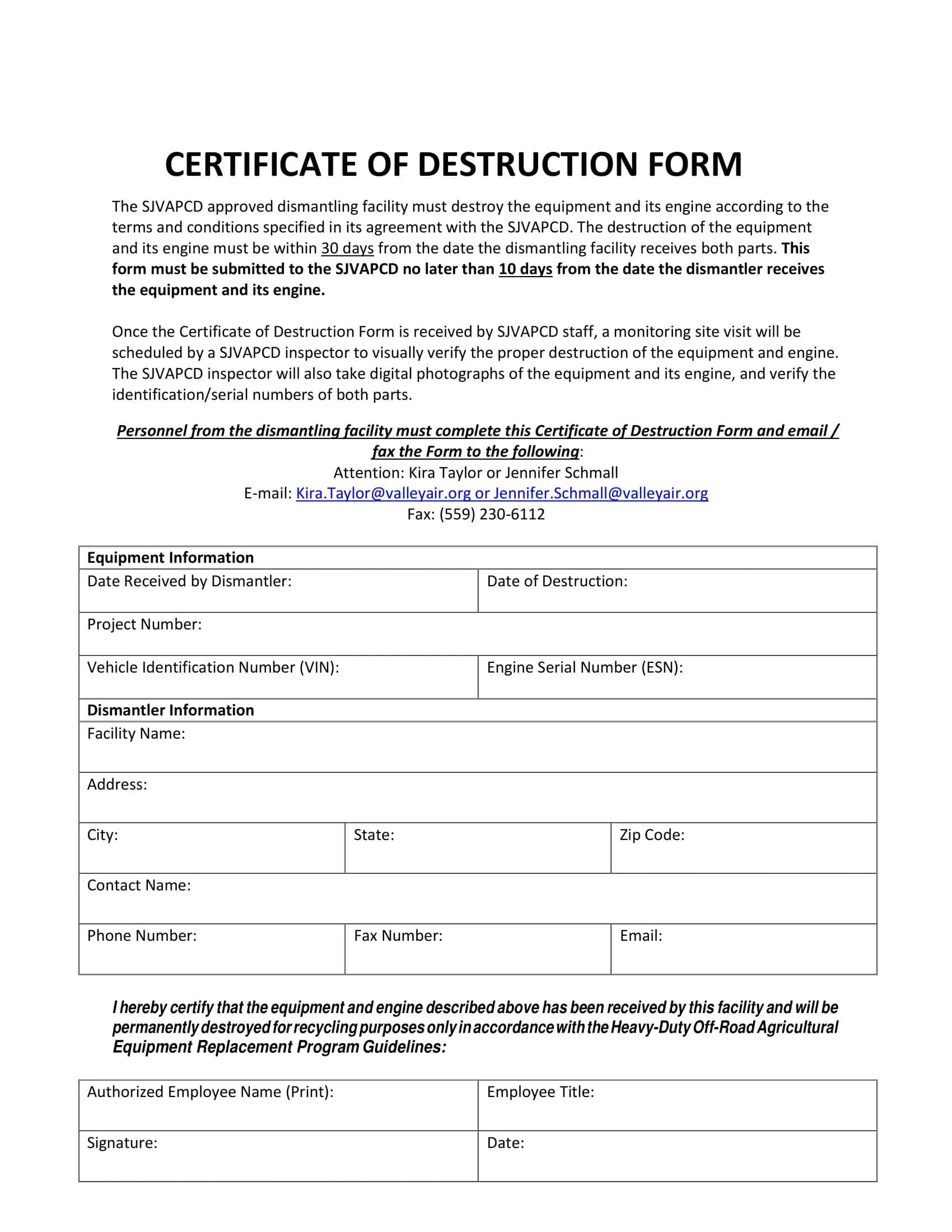
A Certificate of Destruction is a document that serves as proof that an organization has complied with data protection regulations such as GDPR (General Data Protection Regulation). It is issued by a certified data destruction company after they have successfully wiped or destroyed the data on electronic devices.
The certificate typically includes details such as the date and time of destruction, the method used for destruction, and the signature of the destruction company’s representative.
The Importance of a Certificate of Destruction
Data Security
One of the primary reasons why a Certificate of Destruction is essential is to ensure data security. By securely disposing of data through certified methods, organizations can protect sensitive information from falling into the wrong hands. Data breaches can have serious consequences, including financial losses, damage to reputation, and legal repercussions. A Certificate of Destruction helps mitigate these risks by confirming that data has been securely disposed of.
Compliance with Regulations
Regulatory compliance is a significant concern for organizations in today’s data-driven environment. Laws such as GDPR require companies to implement measures to safeguard personal data and ensure its proper disposal. Obtaining a Certificate of Destruction demonstrates that an organization is in compliance with these regulations and has taken the necessary steps to protect sensitive information. This can help build trust with customers and partners who value data privacy.
Risk Management
Effective risk management is essential for safeguarding organizations against potential threats. Data breaches can have far-reaching consequences, including financial losses, legal fines, and damage to reputation. By obtaining a Certificate of Destruction, organizations can reduce the risk of data breaches and associated liabilities. This proactive approach to data security can help mitigate risks and protect the organization’s assets.
Brand Reputation
A strong brand reputation is built on trust and credibility. Organizations that prioritize data security and demonstrate their commitment to protecting sensitive information are more likely to earn the trust of customers and stakeholders. By obtaining a Certificate of Destruction, organizations can showcase their dedication to data protection and compliance, enhancing their reputation in the eyes of the public. This can have long-term benefits for the organization’s brand image and competitiveness.
The Role of a Certificate of Destruction
Data Disposal Process
The data disposal process involves more than just deleting files or formatting devices. To ensure that data is permanently erased and cannot be recovered, organizations must follow established data destruction protocols. A Certificate of Destruction verifies that these protocols have been followed and that data has been securely disposed of. This provides peace of mind to organizations knowing that their sensitive information is not at risk of unauthorized access.
Verification of Compliance
Verification of compliance is a critical aspect of data protection. By obtaining a Certificate of Destruction, organizations can demonstrate to regulators, auditors, and other stakeholders that they have implemented appropriate measures to protect data. This verification helps instill confidence in the organization’s data security practices and ensures that they are meeting legal requirements. A certificate serves as tangible evidence that data has been disposed of responsibly.
Record-Keeping
Record-keeping is an essential component of data protection and compliance. A Certificate of Destruction serves as a valuable record that documents the disposal of sensitive information. By maintaining these records, organizations can track the lifecycle of data and demonstrate accountability for its proper handling. In the event of an audit or data breach, these records can be instrumental in proving that data has been securely disposed of in accordance with regulations.
Audit Trail
An audit trail refers to the documented history of actions taken on data or systems. A Certificate of Destruction creates an audit trail that shows when and how data was disposed of, providing transparency and accountability in the data disposal process. This audit trail can be invaluable in proving compliance with regulations and defending against allegations of data mishandling. By maintaining a clear audit trail, organizations can enhance their data governance practices and mitigate risks associated with data disposal.
Benefits of Obtaining a Certificate of Destruction
Legal Protection
One of the primary benefits of obtaining a Certificate of Destruction is legal protection. In the event of a data breach or regulatory investigation, organizations can provide the certificate as evidence that they have taken the necessary steps to protect data. This can help mitigate legal liabilities and demonstrate a proactive approach to data security and compliance. By obtaining a certificate, organizations can safeguard themselves against potential legal consequences.
Customer Trust
Building trust with customers is essential for maintaining long-term relationships and loyalty. Customers are becoming increasingly aware of data privacy issues and are more likely to trust organizations that demonstrate a commitment to protecting their information. By obtaining a Certificate of Destruction, organizations can reassure customers that their data is being handled responsibly and securely. This can help build trust and credibility with customers, leading to increased loyalty and positive brand perception.
Competitive Advantage
A strong data security posture can provide a competitive advantage in today’s business landscape. Organizations that can demonstrate robust data protection measures are more likely to win contracts, partnerships, and customers. By obtaining a Certificate of Destruction, organizations can differentiate themselves from competitors and position themselves as leaders in data security and compliance. This competitive advantage can help attract new business opportunities and strengthen the organization’s market position.
Risk Mitigation
Risk mitigation is a key benefit of obtaining a Certificate of Destruction. By securely disposing of data and obtaining certification from a reputable provider, organizations can reduce the risk of data breaches and associated liabilities. This proactive approach to data security helps protect the organization’s assets, reputation, and bottom line. By mitigating risks related to data disposal, organizations can focus on their core business activities with confidence and peace of mind.
Conclusion
In conclusion, a printable Certificate of Destruction is a valuable asset for organizations seeking to protect sensitive data, comply with data protection regulations, and enhance their data security posture. By obtaining a certificate from a certified data destruction provider, organizations can demonstrate their commitment to data protection, regulatory compliance, and risk management.
The benefits of obtaining a Certificate of Destruction extend beyond legal protection to include customer trust, competitive advantage, and risk mitigation. Overall, a Certificate of Destruction is an essential tool for organizations looking to safeguard their data, build trust with stakeholders, and differentiate themselves in the marketplace.
Certificate of Destruction Template – DOWNLOAD
