A reference letter for an employee is an essential professional document that helps employers, academic institutions, landlords, and other decision-makers evaluate a candidate’s qualifications, work ethic, and character. In many situations, a well-written reference letter can significantly improve an individual’s chances of securing employment, admission to a program, or approval for housing opportunities. Because of its importance, this type of letter should be written carefully, professionally, and honestly.
A reference letter acts as a formal endorsement from someone who has directly observed the employee’s performance in a workplace environment. Unlike a resume, which is written by the candidate, a recommendation letter provides an independent perspective on the individual’s strengths, accomplishments, and professional behavior. Hiring managers often value these letters because they offer deeper insight into how the employee interacts with coworkers, handles responsibilities, and contributes to organizational success.
In today’s competitive professional environment, employers seek more than technical qualifications alone. They want reliable individuals with strong communication skills, leadership potential, adaptability, and integrity. A strong employee reference letter highlights these qualities while providing examples that support the recommendation. Whether written for a job application, rental agreement, scholarship opportunity, or college admission, a thoughtful and detailed reference letter can leave a lasting impression on the recipient.
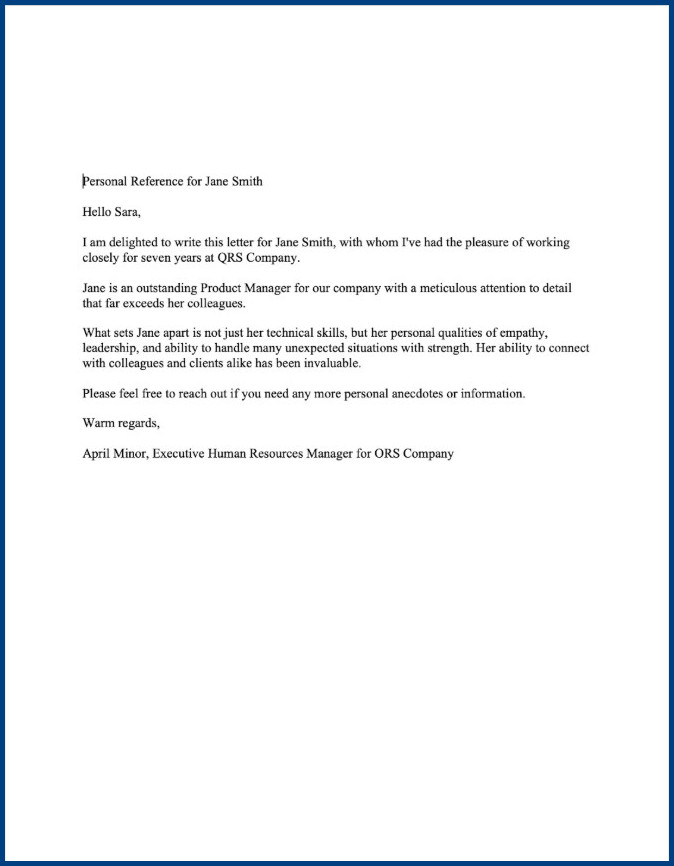
This article explains everything you need to know about a reference letter for an employee, including its purpose, importance, structure, writing process, and tips for creating an effective recommendation that demonstrates professionalism and credibility.
What Is a Reference Letter for an Employee?
A reference letter for an employee is a formal written recommendation that describes an individual’s professional abilities, work experience, personality, and overall performance. It is usually written by a manager, supervisor, employer, colleague, or business associate who has firsthand experience working with the employee.
The main purpose of this letter is to provide an objective evaluation of the employee’s qualifications and character. It helps prospective employers or institutions understand how the candidate performed in previous roles and whether they would be a valuable addition to a new organization or program.
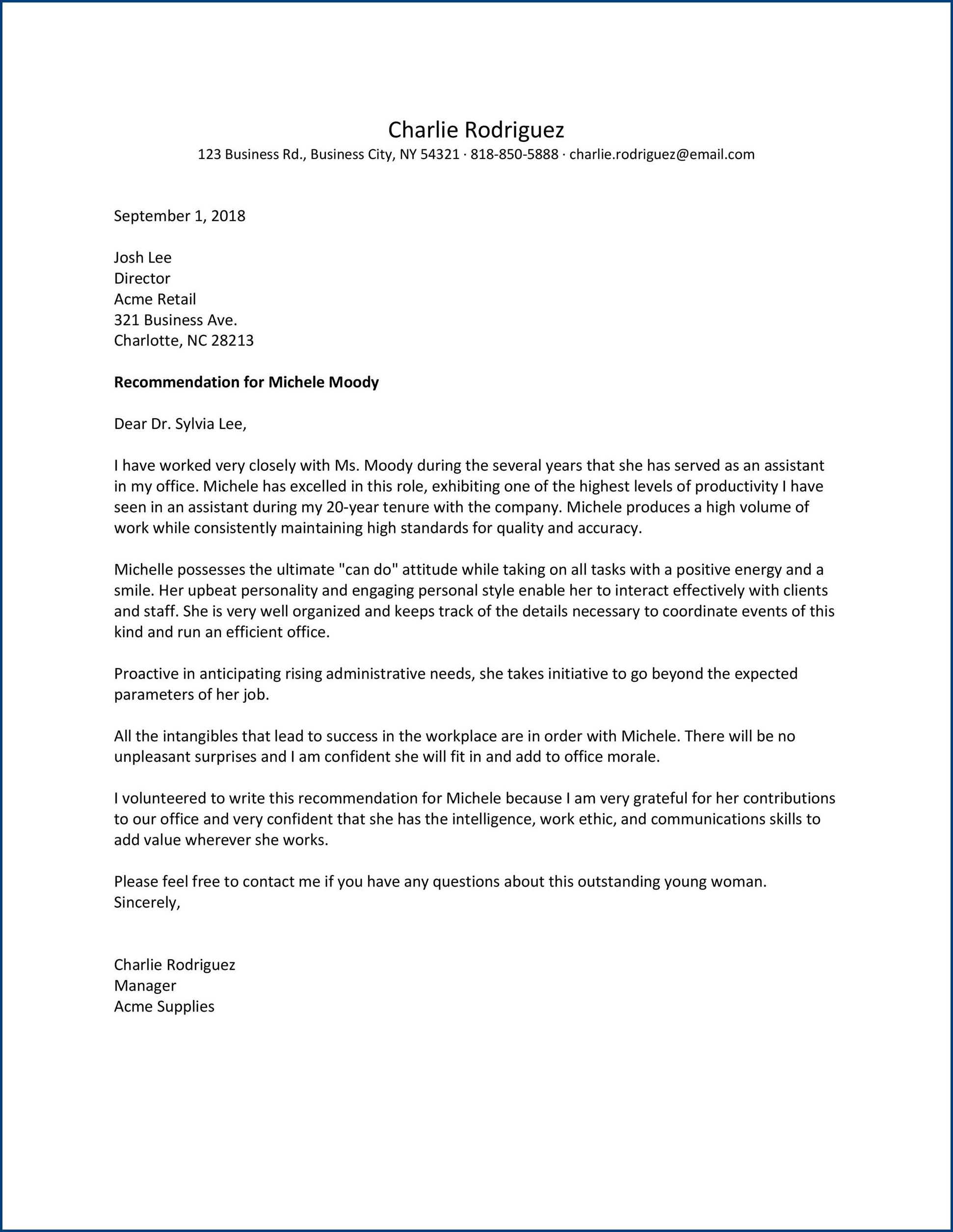
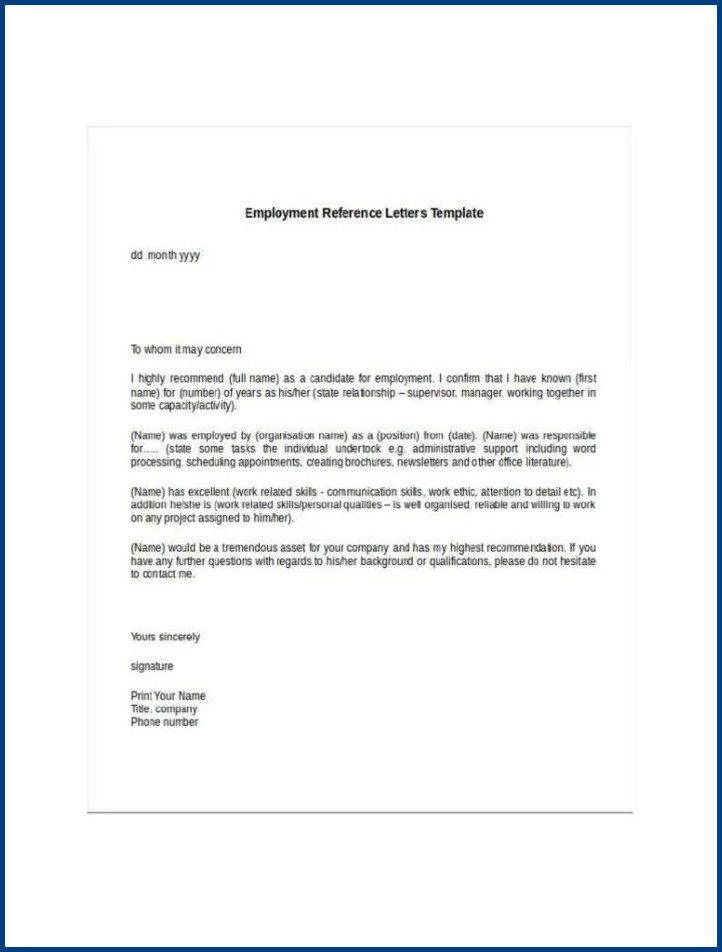
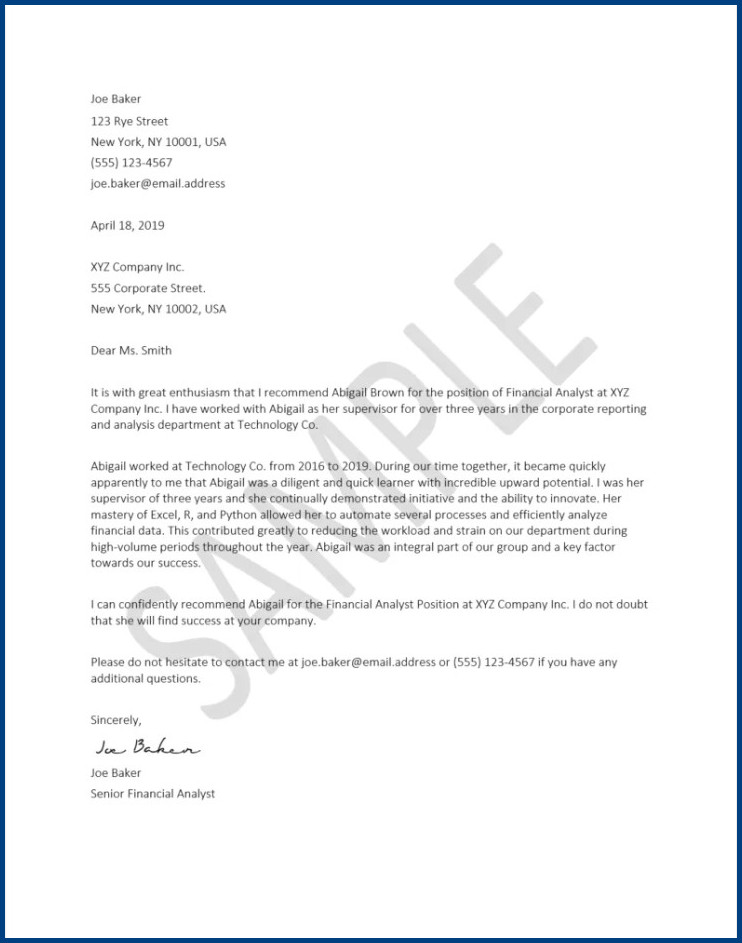
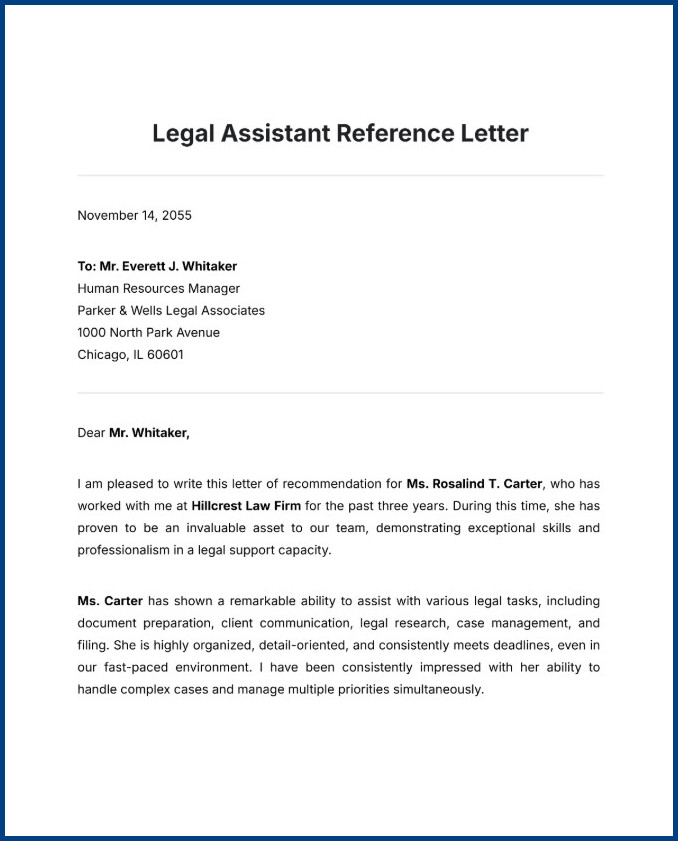
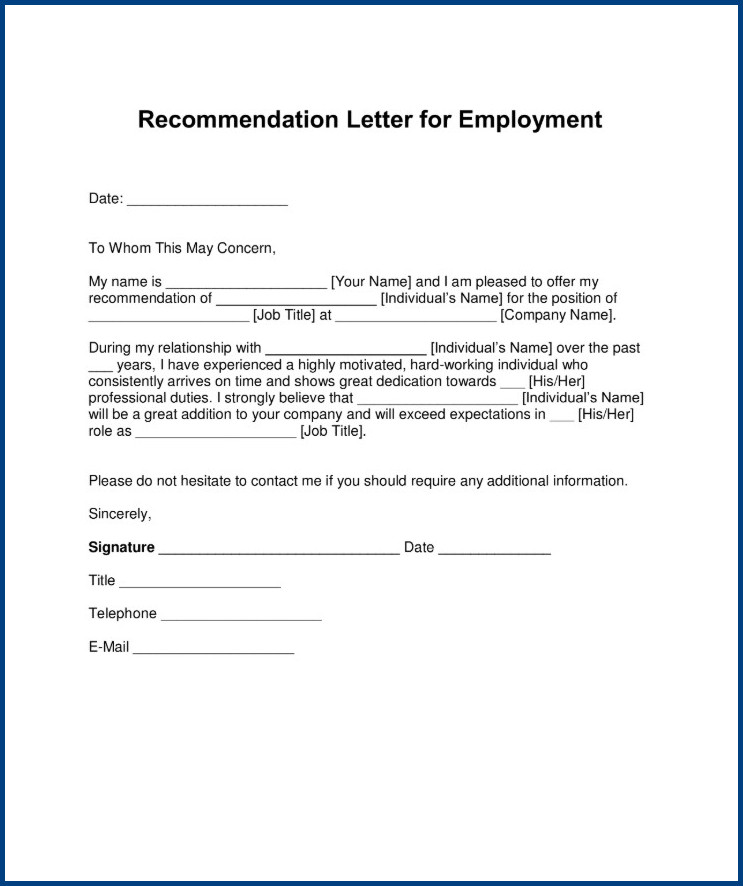
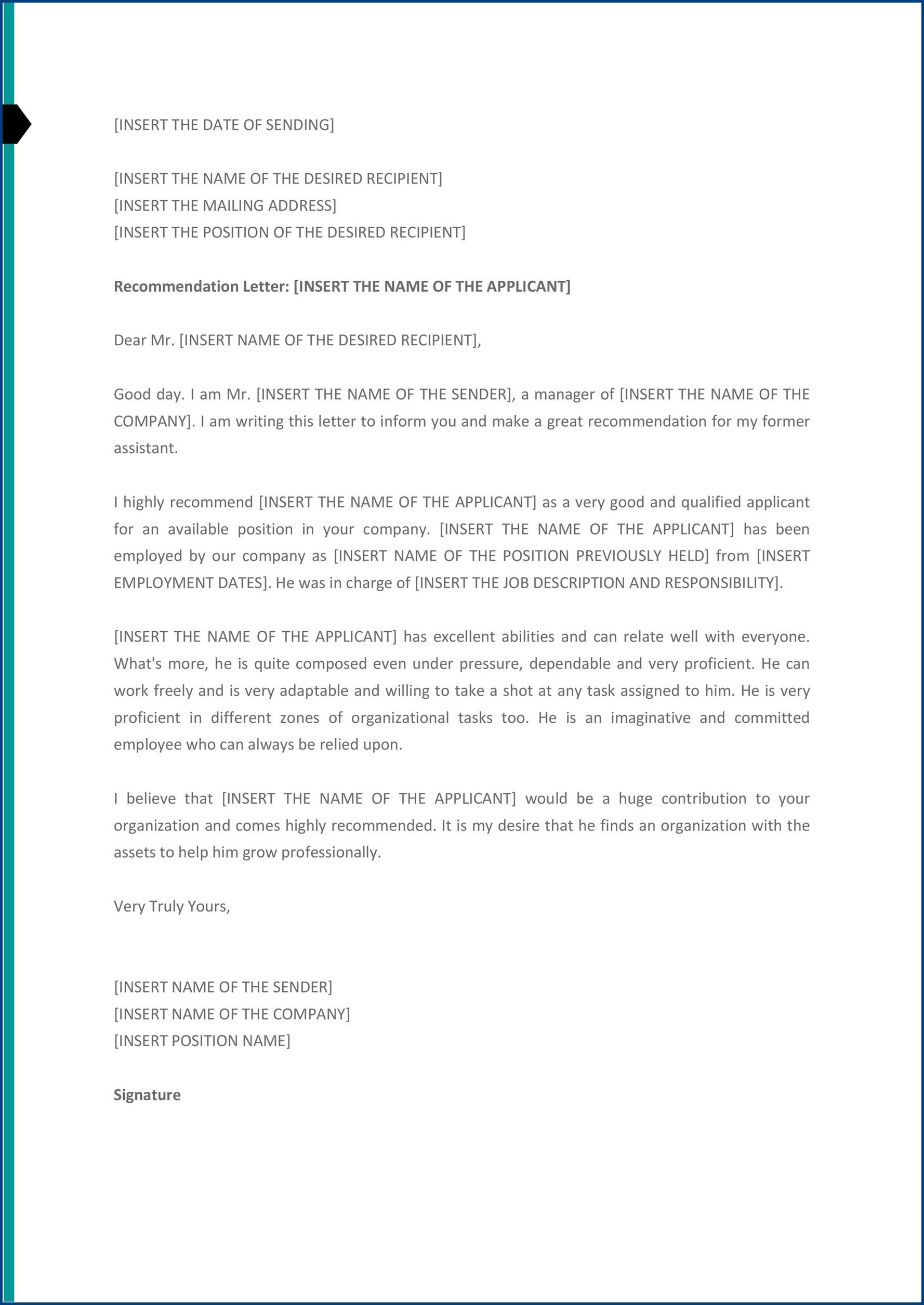
Examples:
Why Is a Reference Letter for an Employee Important?
A reference letter for an employee plays a major role in professional and academic decision-making. While resumes and interviews provide information about a candidate’s background, a recommendation letter offers a trusted third-party perspective. This additional insight can help employers make more informed hiring decisions.
Hiring managers often receive numerous applications from candidates with similar qualifications. A strong reference letter can help an applicant stand out by providing examples of their achievements, work ethic, and contributions in previous positions. Employers value recommendations because they reveal how the candidate performed in real workplace situations.
Reference letters are also important because they demonstrate professional relationships and trust. When a manager or employer takes the time to write a detailed recommendation, it reflects confidence in the employee’s abilities and character. This endorsement can increase the applicant’s credibility and influence positive outcomes.
Beyond employment opportunities, reference letters are commonly used in other contexts. Universities may request recommendation letters during admissions processes, while landlords may use them to assess a tenant’s reliability and financial responsibility.
How to Write a Reference Letter for an Employee
Writing a strong reference letter for an employee requires professionalism, accuracy, and thoughtful organization. The letter should provide clear and honest information while emphasizing the employee’s strengths and accomplishments. A well-structured recommendation creates a positive impression and increases its effectiveness.
Before writing the letter, it is important to understand the purpose of the recommendation. Knowing whether the employee is applying for a job, educational program, or rental opportunity allows the writer to tailor the content appropriately.
A professional reference letter typically includes an introduction, body paragraphs, and a conclusion. Each section should contribute meaningful information that supports the employee’s qualifications.
How to Structure an Employee Reference Letter
An organized structure makes the reference letter easier to read and more professional. Employers and recruiters appreciate letters that present information clearly and concisely. Following a standard format ensures that all important details are included.
1. Begin with a Professional Introduction
Start the letter by introducing yourself and explaining your professional relationship with the employee. Mention your position, company name, and how long you worked with the individual. This establishes credibility and provides context for your recommendation.
The opening paragraph should also clearly state that you are recommending the employee for a specific opportunity or purpose.
2. Describe the Employee’s Responsibilities
Explain the employee’s role within the organization and summarize their primary responsibilities. This section helps the reader understand the scope of the employee’s experience and expertise.
Including information about projects, leadership roles, or specialized duties can strengthen the recommendation.
3. Highlight Key Skills and Achievements
Focus on the employee’s most valuable strengths and accomplishments. Discuss qualities such as communication, leadership, teamwork, problem-solving, adaptability, and technical abilities.
Whenever possible, include measurable achievements or specific examples that demonstrate the employee’s contributions to the organization.
4. Discuss Professional Character
A successful employee reference letter should address the individual’s character and workplace attitude. Employers often seek dependable, ethical, and motivated candidates.
Describe the employee’s professionalism, punctuality, honesty, collaboration skills, and ability to handle challenges effectively.
5. Tailor the Letter to the Opportunity
Customize the recommendation to fit the employee’s goals. For example, if the individual is applying for a leadership role, emphasize management skills and decision-making abilities. If the opportunity involves customer interaction, focus on communication and interpersonal strengths.
Tailored reference letters appear more genuine and relevant to the recipient.
6. Maintain a Positive and Honest Tone
The tone of the letter should remain supportive, respectful, and professional. Avoid exaggerated statements or unrealistic praise. Honest recommendations are more credible and trustworthy.
If you are unable to provide a positive recommendation, it may be better to decline the request politely.
7. Conclude with a Strong Recommendation
End the letter by clearly reaffirming your recommendation. State that you believe the employee would be a valuable addition to the organization or program.
You may also offer to provide additional information if the recipient has further questions.
8. Use a Professional Closing
Finish the letter with a formal closing such as “Sincerely” or “Best Regards,” followed by your name, title, and contact information. This ensures the document appears complete and professional.
Tips for Successful Reference Letter Writing
Writing an effective reference letter for an employee requires careful attention to detail. A strong recommendation should be concise, organized, and supported by meaningful examples that highlight the employee’s qualifications and character.
Employers should avoid generic statements and instead focus on specific details that make the employee stand out. Clear examples of achievements and workplace behavior create a more persuasive and memorable recommendation.
- Be Specific. Use detailed examples to demonstrate the employee’s accomplishments and strengths.
- Remain Professional. Maintain a formal tone and avoid overly casual language throughout the letter.
- Keep It Concise. A clear and focused letter is more effective than an overly long recommendation.
- Focus on Relevant Skills. Highlight qualities and experiences that relate directly to the opportunity.
- Proofread Carefully. Review the letter for grammar, spelling, and formatting errors before submission.
- Stay Honest. Provide truthful and realistic assessments to maintain credibility and professionalism.
Conclusion
A reference letter for an employee is a valuable professional document that can greatly influence hiring decisions, academic admissions, rental approvals, and career advancement opportunities. By offering an objective assessment of an employee’s skills, work history, achievements, and character, the letter provides insights that resumes and interviews alone cannot fully capture.
Employers who write thoughtful and professional recommendation letters demonstrate leadership, integrity, and support for employee growth. These letters not only help employees pursue new opportunities but also strengthen professional relationships and organizational reputation.
Understanding how to create an effective employee reference letter involves knowing its purpose, structuring it properly, highlighting relevant strengths, and maintaining honesty throughout the writing process. A successful recommendation combines professionalism with specific examples that clearly illustrate the employee’s value and contributions.
As workplaces continue to evolve and competition for opportunities increases, strong professional endorsements remain highly important. A carefully written reference letter for an employee can open doors, build credibility, and create positive opportunities for future success.
