What is Career Development Planning?
Career development planning is a strategic process that involves setting career goals, creating a plan to achieve those goals, and continuously evaluating and adjusting the plan as needed. It helps individuals understand their strengths, weaknesses, interests, and values, allowing them to make informed decisions about their career path.
By outlining specific objectives and milestones, career development planning provides a clear direction for professional growth and development.
Why is Career Development Planning Important?
Career development planning is important for both individuals and organizations for a variety of reasons. For individuals, it provides a roadmap for professional growth, helps them identify their strengths and weaknesses, and sets them on a path towards achieving their career goals. For organizations, career development planning is vital for attracting, retaining, and developing top talent, ultimately contributing to the overall success of the business.
Retention of Top Talent
One of the key benefits of career development planning for organizations is the retention of top talent. When employees feel supported in their professional growth and development, they are more likely to stay with the company long-term. By providing opportunities for career advancement and skill development, organizations can create a culture that values and invests in its employees.
Building a Skilled and Capable Workforce
Career development planning helps organizations build a skilled and capable workforce. By encouraging employees to continuously improve their skills and knowledge, companies can ensure that their workforce remains competitive and adaptable in a rapidly changing business environment. This focus on employee development enhances the overall capabilities and effectiveness of the organization.
Aligning Individual Goals with Organizational Objectives
Career development planning aligns individual goals with organizational objectives. When employees have a clear understanding of how their personal aspirations contribute to the overall goals of the company, they are more motivated and engaged in their work. By connecting individual development plans to the strategic priorities of the organization, companies can ensure that everyone is working towards a common purpose.
Enhancing Employee Engagement and Loyalty
Engaging in career development planning can increase employee engagement and loyalty. When individuals feel supported in their professional growth and see opportunities for advancement within the organization, they are more likely to be committed and dedicated to their work. This sense of loyalty and engagement can lead to higher levels of job satisfaction, productivity, and employee retention.
Promoting a Culture of Continuous Learning and Development
Career development planning promotes a culture of continuous learning and development within an organization. By encouraging employees to regularly assess their skills, set new goals, and pursue growth opportunities, companies create an environment that values ongoing improvement and innovation. This focus on continuous learning helps employees stay current in their field and adapt to changing trends and technologies.
Key Elements of Career Development Planning
Career development planning involves several key elements that are essential for creating a successful roadmap for professional growth. These elements include self-assessment, goal setting, skill development, action planning, and evaluation. By incorporating each of these components into the career development planning process, individuals can create a comprehensive and effective plan to guide their professional development.
Self-Assessment
Self-assessment is a critical component of career development planning. It involves reflecting on your strengths, weaknesses, interests, and values to gain a clear understanding of your capabilities and aspirations. By conducting a thorough self-assessment, you can identify areas for improvement, set realistic career goals, and align your personal values with your professional development.
Goal Setting
Setting clear and achievable career goals is essential for career development planning. These goals should be specific, measurable, achievable, relevant, and time-bound (SMART) to provide a clear direction for your professional growth. By establishing concrete objectives and milestones, you create a roadmap for success and give yourself a clear target to work towards.
Skill Development
Identifying and developing necessary skills is a key element of career development planning. This may involve assessing the skills and knowledge required for your desired career path, determining any gaps in your abilities, and creating a plan to acquire new skills or enhance existing ones. By investing in skill development, you increase your capabilities and improve your prospects for career advancement.
Action Planning
Creating a detailed action plan is essential for implementing your career development goals. This plan should outline the specific steps, resources, and timelines needed to achieve your objectives. By breaking down your goals into manageable tasks and setting clear deadlines, you can track your progress, stay focused, and take the necessary actions to move forward in your career.
Evaluation
Regularly evaluating your progress and adjusting your career development plan is crucial for success. By assessing your achievements, identifying areas for improvement, and revising your plan as needed, you can stay on track towards your goals and make informed decisions about your professional growth. Evaluation allows you to measure your success, learn from your experiences, and adapt to changing circumstances.
How to Create an Effective Career Development Plan
Creating an effective career development plan involves a strategic and systematic approach to setting and achieving your professional goals. By following these steps, you can create a comprehensive plan that provides a roadmap for your career growth and development.
Self-Assessment: Reflect on Your Skills and Interests
The first step in creating an effective career development plan is to conduct a self-assessment. Reflect on your skills, experiences, interests, and values to gain a clear understanding of your strengths and weaknesses. Consider what motivates you, what you enjoy doing, and where you excel. By understanding your skills and interests, you can align your career goals with your passions and abilities.
Goal Setting: Establish Clear and Achievable Objectives
Once you have assessed your skills and interests, the next step is to set clear and achievable career goals. Define your short-term and long-term objectives in a way that is specific, measurable, achievable, relevant, and time-bound (SMART). Consider what you want to achieve in your career, where you see yourself in the future, and what steps you need to take to get there.
Skill Development: Identify Areas for Improvement
Identifying areas for skill development is crucial for creating a successful career development plan. Evaluate the skills and knowledge required for your desired career path and determine any gaps in your abilities. Consider what skills are needed to advance in your field, stay competitive in the job market, and achieve your professional goals. By identifying areas for improvement, you can create a plan to acquire new skills and enhance existing ones.
Action Plan: Outline Specific Steps and Timelines
Creating a detailed action plan is essential for implementing your career development goals. Outline the specific steps, resources, and timelines needed to achieve your objectives. Break down your goals into manageable tasks, set clear deadlines, and establish accountability measures to track your progress. By creating a roadmap with clear action steps, you can stay focused, motivated, and on track towards your goals.
Implementation: Take Action Towards Your Goals
Taking action towards your career goals is key to achieving success. Implement your action plan by following through on your commitments, seeking out growth opportunities, and staying focused on your objectives. Take proactive steps to develop your skills, expand your knowledge, and pursue new challenges. By taking consistent action towards your goals, you can make progress in your career and move closer to achieving your aspirations.
Evaluation: Assess Progress and Revise Your Plan
Regularly evaluating your progress and revising your career development plan is essential for adapting to changing circumstances and staying on track towards your goals. Assess your progress, celebrate your achievements, and identify areas for improvement. Reflect on your successes, challenges, and experiences to learn valuable lessons that can inform your future actions. Consider what is working well, what could be done differently, and how you can adjust your plan to better align with your goals. By evaluating your progress, you can make informed decisions about your professional development, celebrate your successes, and stay motivated to continue growing in your career.
Tips for Successful Career Development Planning
Successfully navigating the career development planning process requires a strategic approach and a commitment to personal growth and development. Consider these tips to enhance your career development planning experience and maximize your professional potential.
Be Proactive and Take Ownership of Your Career Development
Taking a proactive approach to your career development is essential for success. Take ownership of your professional growth by setting clear goals, seeking out opportunities for learning and development, and taking initiative in advancing your career. By actively engaging in your career development planning process, you demonstrate commitment, ambition, and a drive for success.
Seek Feedback and Guidance from Mentors and Colleagues
Seeking feedback and guidance from mentors, coaches, and colleagues can provide valuable insights and perspectives on your career development. Reach out to experienced professionals in your field for advice, mentorship, and support in navigating your career path. By soliciting feedback and learning from others, you can gain new perspectives, identify areas for growth, and receive guidance on how to achieve your goals.
Stay Adaptable and Open to New Opportunities
Remaining adaptable and open to new opportunities is essential for success in career development planning. Embrace change, be willing to take risks, and explore new avenues for growth and development. By staying flexible and open-minded, you can seize unexpected opportunities, navigate challenges with resilience, and adapt to evolving circumstances in your career journey.
Continuously Update and Revise Your Career Development Plan
Regularly updating and revising your career development plan is crucial for staying on track towards your goals. As you progress in your career, your interests, skills, and aspirations may evolve. Take the time to reassess your plan, adjust your goals, and make necessary revisions to ensure that your career development aligns with your current circumstances and objectives.
Invest in Ongoing Learning and Professional Development
Investing in ongoing learning and professional development is essential for staying competitive and advancing in your career. Seek out opportunities for training, workshops, certifications, and continuing education to enhance your skills, expand your knowledge, and stay current in your field. By investing in your personal and professional growth, you position yourself for success and continued advancement in your career.
Regularly Assess Your Progress and Celebrate Achievements
Regularly assessing your progress and celebrating your achievements is important for maintaining motivation and momentum in your career development journey. Take time to reflect on your successes, acknowledge your accomplishments, and celebrate milestones along the way. By recognizing your progress and celebrating your achievements, you can stay motivated, inspired, and committed to your goals.
Stay Committed to Your Goals and Remain Resilient
Staying committed to your goals and remaining resilient in the face of challenges is key to achieving success in career development planning. Stay focused on your objectives, persevere through setbacks, and maintain a positive attitude towards your career journey. By demonstrating resilience, determination, and a strong work ethic, you can overcome obstacles, navigate adversity, and achieve your professional aspirations.
Career Development Planning Template
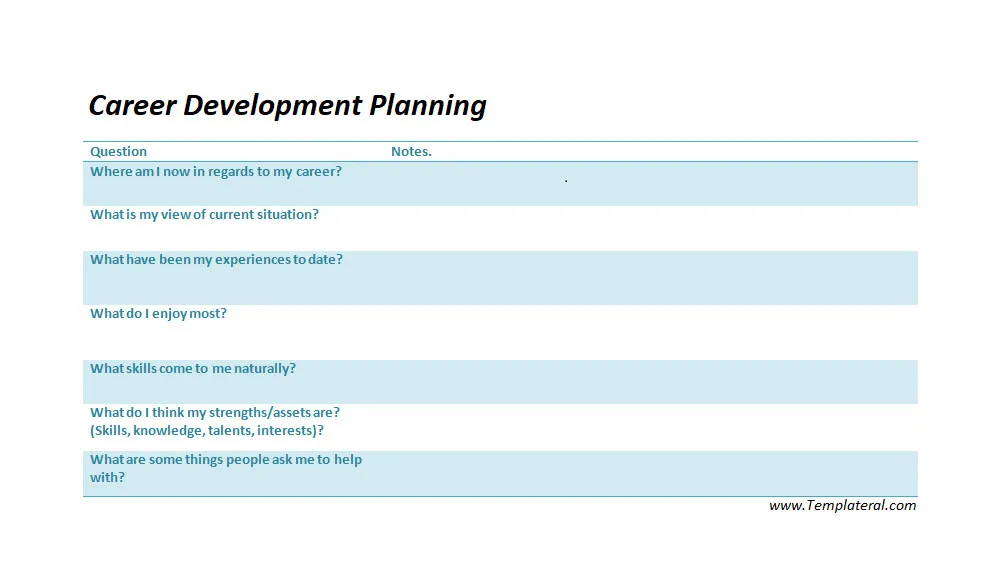
A Career Development Planning Template helps individuals set clear professional goals and map out actionable steps for long-term career growth. It provides a structured framework for assessing skills, identifying development opportunities, and tracking progress over time. With a well-organized template, you can stay focused, motivated, and proactive in building a successful and fulfilling career.
Download our Career Development Planning Template today to take control of your career path and plan your future with confidence.
Career Development Planning Template – WORD
