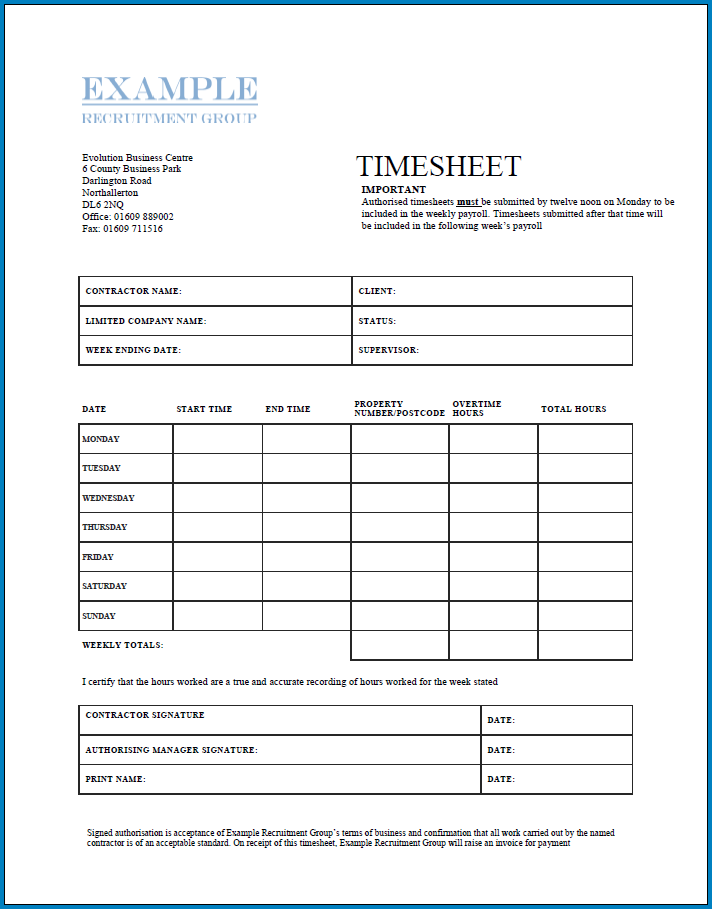
As an independent contractor, keeping track of the hours or days worked on a project is crucial for ensuring accurate client billing and timely invoice approvals. A detailed timesheet serves as an official, verifiable record of the work completed, providing transparency and accountability in the billing process. In this article, we will explore the key elements of independent contractor timesheets, why they are essential, and how to create and maintain them effectively.
What are Independent Contractor Timesheets?
Independent contractor timesheets are documents used to track the hours or days worked by a contractor on a specific project or assignment. They typically include details such as the date, start and end times, tasks completed, and any relevant notes or comments. These timesheets serve as a record of the work performed, allowing clients to verify the hours billed and ensuring accurate invoicing.
Why are Independent Contractor Timesheets Important?
Independent contractor timesheets play a crucial role in the billing and invoicing process for several reasons:
- Accuracy: Timesheets provide an accurate record of the hours worked, reducing the risk of billing errors or discrepancies.
- Transparency: Clients can review the timesheets to verify the work completed and ensure they are billed correctly.
- Accountability: Contractors are accountable for the hours they report, promoting honesty and integrity in the billing process.
- Legal Compliance: Keeping detailed timesheets helps contractors comply with labor laws and regulations related to hours worked and compensation.
Key Elements of Independent Contractor Timesheets
Effective independent contractor timesheets should include the following key elements:
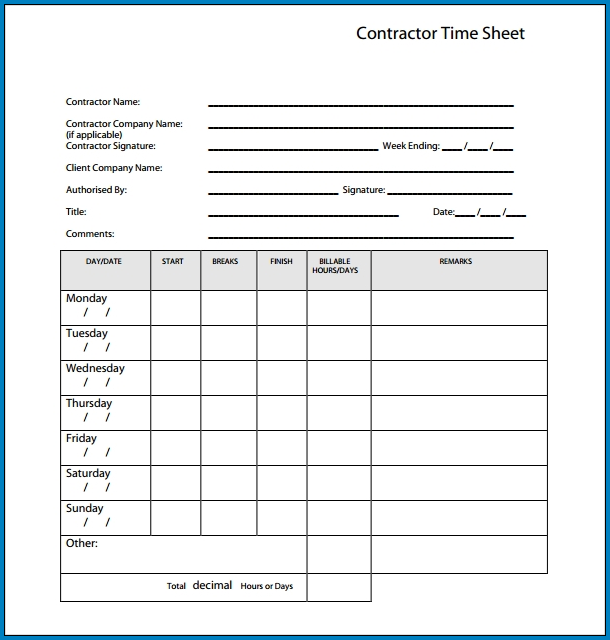
- Date: The date when the work was performed.
- Start and End Times: The specific times the contractor began and finished working on the project.
- Tasks Completed: A detailed description of the tasks or projects worked on during the specified time period.
- Breaks and Overtime: Any breaks taken or overtime hours worked should be clearly documented.
- Client Approval: A section for the client to review and approve the timesheet before invoicing.
Samples of Independent Contractor Timesheet:



How to Create and Maintain Independent Contractor Timesheets
Creating and maintaining accurate timesheets as an independent contractor involves the following steps:
1. Use a Digital Timesheet Template
Utilize digital timesheet templates or software to streamline the process and ensure consistency in recording hours worked.
2. Record Time Accurately
Be diligent in recording the start and end times of each work session, including any breaks or interruptions.
3. Provide Detailed Descriptions
Include detailed descriptions of the tasks completed during each time period to provide clarity for the client.
4. Obtain Client Approval
Submit timesheets to clients for review and approval before invoicing to ensure transparency and accuracy.
5. Keep Timesheets Organized
Maintain a system for organizing and storing timesheets to easily reference past work and track billable hours.
6. Review and Update Regularly
Review and update timesheets regularly to ensure they reflect the most current and accurate information.
7. Communicate with Clients
Communicate with clients regularly to address any questions or concerns regarding the timesheets and billing process.
8. Seek Feedback and Improve
Solicit feedback from clients on the accuracy and clarity of timesheets to make improvements for future projects.
9. Stay Compliant with Regulations
Stay informed about labor laws and regulations related to independent contractor work to ensure compliance with reporting requirements.
10. Use Timesheets as a Tool for Growth
View timesheets as a valuable tool for tracking progress, improving efficiency, and showcasing your work ethic to potential clients.
Conclusion
Independent contractor timesheets are essential for maintaining accurate billing records, ensuring transparency in the invoicing process, and demonstrating professionalism and integrity in your work. By following the key elements and tips outlined in this article, you can create and maintain effective timesheets that benefit both you and your clients.
Independent Contractor Timesheet Template | PDF – download
