
When it comes time to leave a job, whether it be for a new opportunity, personal reasons, or any other motive, one of the most important steps in the process is drafting a resignation letter. This formal, written document not only provides a record of your intent to leave the position but also clearly states your final date of employment. In this guide, we will delve into the what, why, what to include, how to, and tips for writing a resignation letter that will leave a positive impression as you make your exit.
What is a Resignation Letter?
A resignation letter is a formal document that an employee submits to their employer to announce their decision to leave the company. It serves as a professional way to communicate your intent to depart from your current position and provides a written record of your final date of employment. While resignation letters are not always required, they are considered a best practice in the business world to maintain a positive relationship with your employer and colleagues.
Why Write a Resignation Letter?
There are several reasons why writing a resignation letter is important when leaving a job. Firstly, it serves as a formal notification to your employer of your intention to resign, allowing them time to prepare for your departure and make necessary arrangements. Additionally, a resignation letter provides a clear record of your final date of employment, which can help prevent any misunderstandings about your departure timeline. Lastly, a well-written resignation letter can help you leave on good terms and maintain a positive relationship with your employer for potential future opportunities.
What to Include in a Resignation Letter
When writing a resignation letter, there are certain key elements that should be included to ensure clarity and professionalism. Here are some essential components to consider incorporating in your resignation letter:
- Date: Begin your letter by including the date you plan to submit it.
- Salutation: Address your letter to the appropriate recipient, usually your direct supervisor or HR department.
- Statement of Intent: Clearly state that you are resigning from your position and provide your final date of employment.
- Reason for Resignation (Optional): You can choose to briefly explain the reason for your departure, but this is not always necessary.
- Gratitude: Express gratitude for the opportunities and experiences you have had during your time at the company.
- Offer of Assistance: Offer to assist with the transition process and provide any necessary details for a smooth handover.
- Closing: End your letter with a professional closing, such as “Sincerely” or “Best Regards,” followed by your signature.
Samples of Simple Resignation Letter:


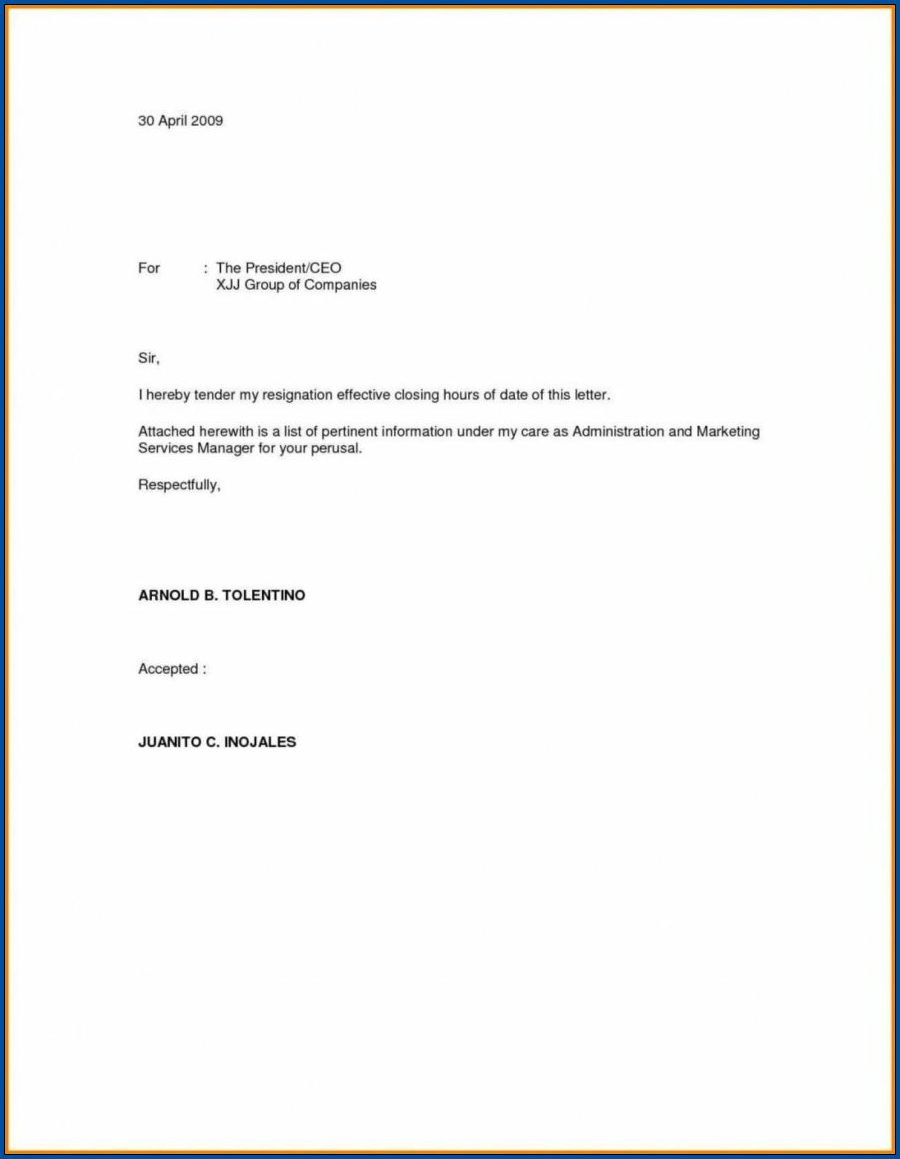

How to Write a Resignation Letter
Writing a resignation letter may seem daunting, but with a clear structure and professional tone, you can craft a document that reflects your professionalism and gratitude for your time at the company. Here are some tips to help you navigate the process:
- Be Clear and Concise: Keep your letter brief and to the point, focusing on the essential details of your resignation.
- Stay Positive: Maintain a positive tone throughout the letter, even if your reasons for leaving are less than ideal.
- Proofread Carefully: Double-check your letter for any errors in grammar or spelling to ensure a polished final product.
- Deliver in Person: Whenever possible, hand-deliver your resignation letter to your supervisor or HR representative for a personal touch.
- Follow Up: After submitting your resignation letter, be prepared to discuss your departure with your employer and offer assistance with the transition process.
Tips for a Successful Resignation Letter
As you prepare to write your resignation letter, keep these tips in mind to ensure a smooth and professional exit from your current position:
- Give Adequate Notice: Provide your employer with sufficient notice of your resignation to allow for a seamless transition.
- Avoid Negative Remarks: Refrain from including negative comments about your current employer or colleagues in your resignation letter.
- Express Gratitude: Take the opportunity to thank your employer for the learning experiences and opportunities you have had during your time at the company.
- Be Prepared for a Counteroffer: In some cases, your employer may attempt to retain you with a counteroffer. Consider your options carefully before making a decision.
- Maintain Professionalism: Regardless of your reasons for leaving, maintain a professional and respectful tone in your resignation letter.
In Conclusion
In conclusion, writing a resignation letter is an important step in the process of leaving a job and should be approached with care and professionalism. By following the guidelines outlined in this guide, you can craft a resignation letter that communicates your intent to leave in a respectful and gracious manner. Remember to stay positive, express gratitude, and offer assistance with the transition process to leave a lasting impression as you move on to new opportunities.
Simple Resignation Letter Template | Word – download
