Car rental agreements are a crucial aspect of renting a vehicle for personal or business use. These legally binding contracts serve as a guide for both the car rental company and the renter, outlining the terms and conditions of the rental. By clearly defining the rights and responsibilities of each party, a car rental agreement helps to ensure a smooth rental process, clarify fees, insurance coverage, and limitations on use, and reduce the risk of disputes.
In this article, we will explore the key components of a car rental agreement, explain common terms and conditions, and provide a checklist to consider before hiring a car.
What is a Car Rental Agreement?
A car rental agreement is a document that establishes a contractual relationship between a car rental company and a renter. It outlines the terms and conditions of the rental, including the duration of the rental, the fees involved, insurance coverage, and any restrictions on the use of the vehicle.
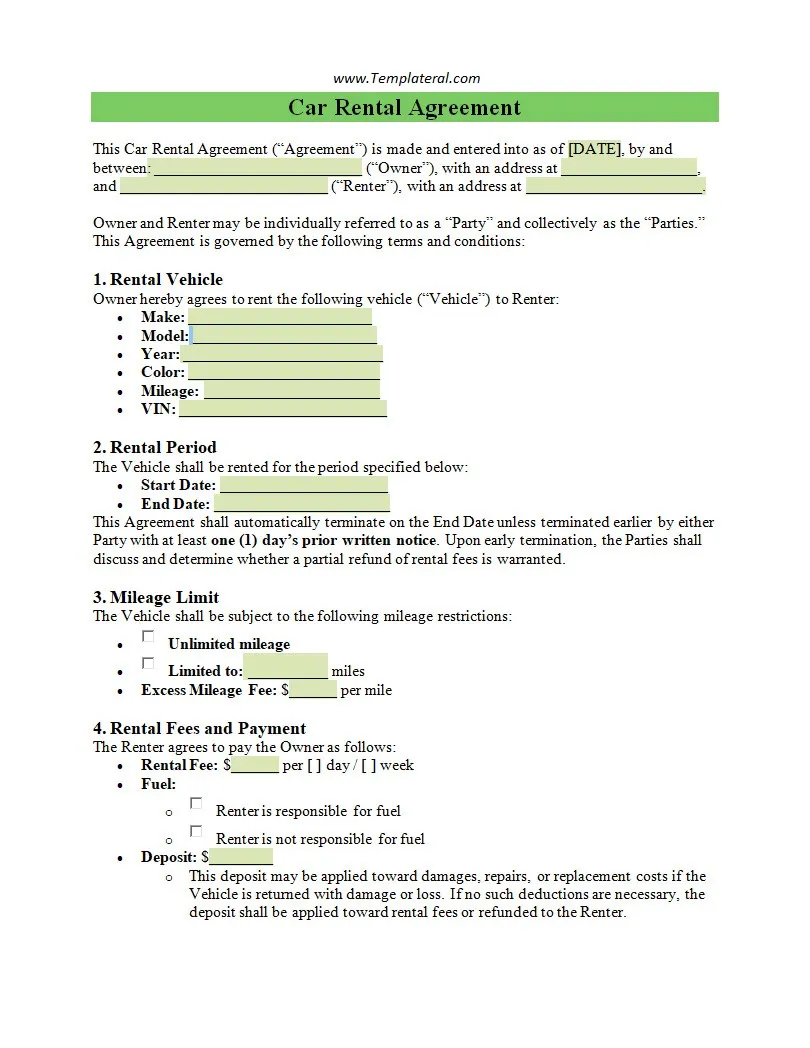
The primary purpose of a car rental agreement is to protect both parties by ensuring a clear understanding of their rights and responsibilities throughout the rental period.
Legal Framework
The legal framework of a car rental agreement is established to protect both the car rental company and the renter. It sets out the terms and conditions that both parties must adhere to during the rental period. By signing the agreement, the renter acknowledges their acceptance of the terms outlined within it, ensuring that they are aware of their obligations and responsibilities.
Contractual Obligations
The car rental agreement outlines the contractual obligations of both the rental company and the renter. These obligations may include the rental period, rental fees, insurance coverage, vehicle condition, and return conditions. By clearly defining these obligations, the agreement helps to prevent misunderstandings and disputes between the parties.
Important Details
Within the car rental agreement, important details such as the make and model of the vehicle, the VIN, rental dates, pickup and drop-off locations, and any additional services or accessories requested by the renter are specified. These details ensure that both parties are on the same page regarding the terms of the rental.
Significance of Signatures
The signatures of both the rental company representative and the renter on the car rental agreement signify their acceptance and agreement to the terms and conditions outlined within the document. These signatures make the agreement legally binding and enforceable in the event of any disputes or issues that may arise during the rental period.
Legal Protection
One of the primary reasons for having a car rental agreement is to provide legal protection for both parties. In the event of an accident, damage to the vehicle, or any other unforeseen circumstances, the agreement serves as a reference point to determine the rights and responsibilities of each party. It helps to mitigate risks and ensure that both the rental company and the renter are held accountable for their actions.
Why Do I Need a Car Rental Agreement?
Having a car rental agreement in place is essential for several reasons. Firstly, it helps to protect both the rental company and the renter by clearly defining their obligations and responsibilities. Without a written agreement, disputes can easily arise, leading to confusion and potential financial loss for both parties.
Additionally, a car rental agreement provides legal protection in case of accidents, damages, or other unforeseen events during the rental period.
Understanding Your Rights and Responsibilities
It is important for both the renter and the rental company to understand their respective rights and responsibilities under the car rental agreement. By clearly defining these obligations, disputes can be minimized, and expectations can be managed effectively.
Renter’s Responsibilities
- 1. Care of the Vehicle. Renter is responsible for maintaining the vehicle in good condition during the rental period.
- 2. Compliance with Laws. Renter must comply with all traffic laws and regulations while operating the vehicle.
- 3. Return of the Vehicle. Renter must return the vehicle on time and in the same condition as received, except for normal wear and tear.
- 4. Reporting Damage. Renter is responsible for reporting any damages or issues with the vehicle to the rental company promptly.
- 5. Use of the Vehicle. Renter must use the vehicle for its intended purpose and not engage in any prohibited activities.
- 6. Payment of Fees. Renter must pay all rental fees, additional charges, and penalties as outlined in the agreement.
Rental Company’s Responsibilities
- 1. Providing a Safe Vehicle. Rental company must provide a well-maintained and safe vehicle for the renter’s use.
- 2. Insurance Coverage. Rental company must provide adequate insurance coverage for the rental vehicle.
- 3. Assistance and Support. Rental company must offer assistance and support to the renter in case of emergencies or breakdowns.
- 4. Vehicle Maintenance. Rental company is responsible for ensuring that the vehicle is in good working condition at the time of rental.
- 5. Clear Communication. Rental company must communicate any changes or updates to the rental agreement promptly to the renter.
- 6. Handling Disputes. Rental company must address any disputes or issues that may arise during the rental period in a fair and timely manner.
Common Terms and Conditions Explained
When reviewing a car rental agreement, it is important to pay attention to common terms and conditions that may impact your rental experience. Some of these terms include:
1. Loss Damage Waiver (LDW): An optional insurance coverage that protects the renter from financial liability in case of damage to the rental vehicle.
2. Collision Damage Waiver (CDW): Another optional insurance coverage that covers damage to the rental vehicle in case of a collision.
3. Additional Driver Fee: An extra charge for adding driver to the rental agreement.
4. Mileage Limit: A restriction on the number of miles the renter can drive the vehicle during the rental period.
5. Fuel Policy: The policy on fueling the vehicle before returning it, such as returning it with a full tank or paying for refueling charges.
6. Age Restrictions: Minimum and maximum age requirements for renting a vehicle.
7. Excess Fee: The amount the renter is responsible for paying in case of damage or loss to the rental vehicle.
Checklist Before Hiring a Car
Before signing a car rental agreement, consider the following checklist to ensure a smooth rental experience:
1. Understand the terms and conditions of the agreement, including insurance coverage and fees.
2. Inspect the rental vehicle for any pre-existing damage and report it to the rental company.
3. Clarify any questions or concerns with the rental company before signing the agreement.
4. Keep a copy of the agreement and contact information for the rental company during the rental period.
5. Return the vehicle on time and in the condition specified in the agreement to avoid additional charges.
6. Familiarize yourself with local traffic laws and regulations before driving the rental vehicle.
7. Follow the rental company’s instructions for emergency assistance or breakdowns during the rental period.
Car Rental Agreement Template
A Car Rental Agreement helps clearly outline the terms and conditions between a vehicle owner or rental company and a renter. It defines important details such as rental duration, fees, mileage limits, insurance coverage, fuel policies, and responsibilities for damage or maintenance. With a professionally structured template, you can minimize disputes, protect both parties, and ensure a smooth and transparent rental experience.
Download our Car Rental Agreement Template today to create a clear, reliable agreement that supports safe and hassle-free vehicle rentals.
Car Rental Agreement Template – WORD
