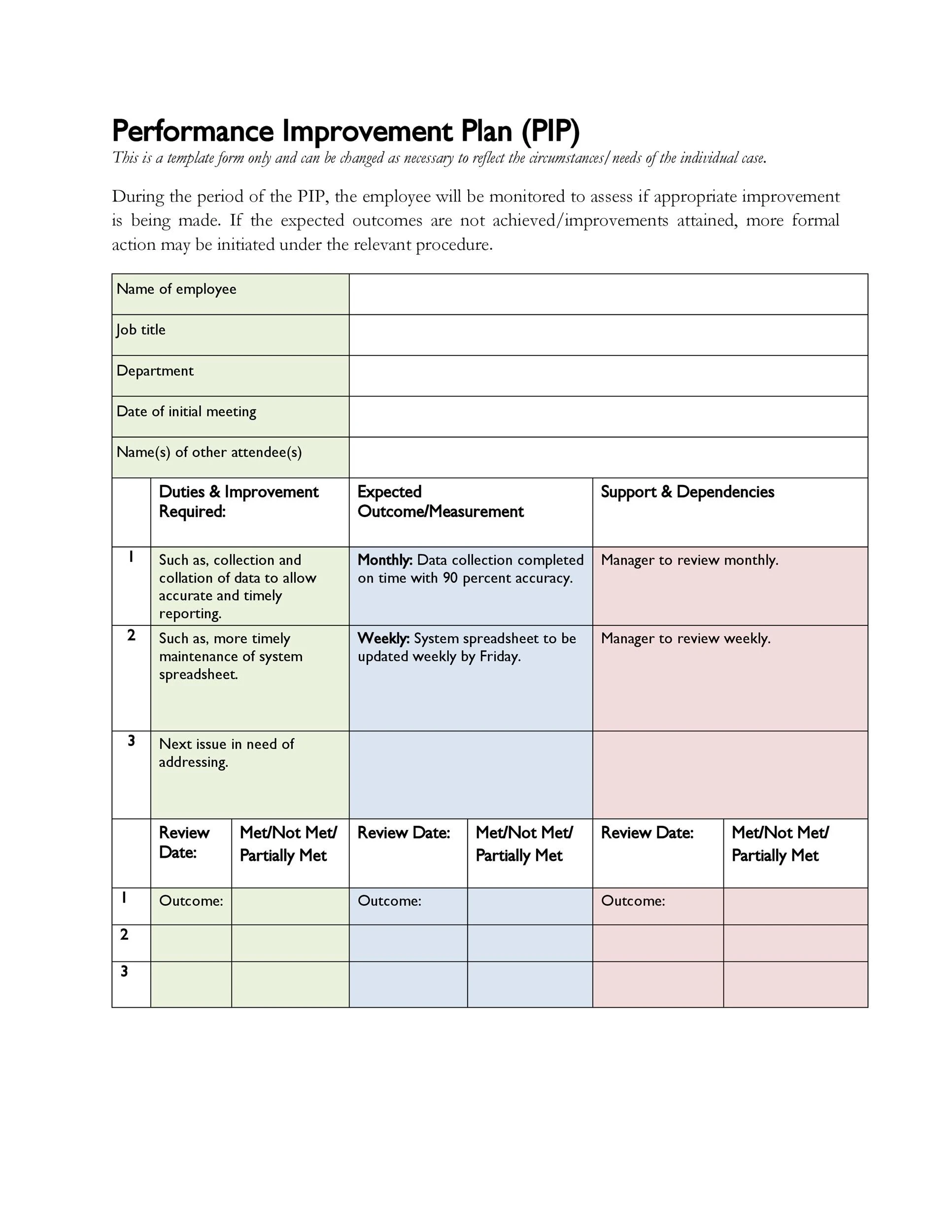
Performance improvement plans (PIPs) are formal, structured processes designed to help employees overcome performance deficiencies and meet expected job standards. They provide a clear roadmap with specific goals, timelines, and support resources to guide the employee towards improvement.
PIPs are essential tools for employers to address underperformance fairly and constructively, ultimately helping employees reach their full potential.
What Is a Performance Improvement Plan (PIP)?
A Performance Improvement Plan, commonly referred to as a PIP, is a tool used by employers to help employees improve their performance and meet the required job standards. It is a formal document that outlines specific performance issues, goals for improvement, timelines for achieving those goals, and the support resources available to the employee.
PIPs are typically initiated when an employee’s performance falls below expectations and serve as a structured process to address and rectify these deficiencies.
Why Are PIPs Important?
Performance Improvement Plans are important for several reasons. Firstly, they provide a clear and transparent process for addressing performance issues, ensuring that both the employer and employee understand the expectations and steps needed for improvement.
PIPs also offer employees the opportunity to receive feedback, support, and resources to help them succeed in their role. Additionally, PIPs can help prevent legal disputes by documenting the efforts made to support an employee before any further disciplinary action is taken.
Legal Considerations When Implementing a PIP
When implementing a Performance Improvement Plan, it is essential to consider legal obligations and requirements. Employers must ensure that PIPs are implemented fairly and consistently, without discrimination or bias. It is crucial to clearly outline the reasons for the PIP, the expected improvements, and the consequences of failing to meet those expectations. Additionally, employers should provide appropriate support and resources to help the employee succeed in their performance improvement journey.
Where to Start with a Performance Improvement Plan
Starting a Performance Improvement Plan begins with identifying the specific performance issues that need to be addressed. This involves conducting a thorough performance evaluation, providing feedback to the employee, and setting clear goals for improvement. It is essential to involve the employee in the development of the PIP, ensuring that they understand the expectations and are committed to making the necessary changes.
Key Components of an Effective PIP
An effective Performance Improvement Plan should include several key components, such as:
- Clear Goals: Specific, measurable goals for improvement.
- Timelines: Realistic timelines for achieving the goals.
- Support Resources: Resources and assistance to help the employee improve.
- Regular Feedback: Ongoing feedback and monitoring of progress.
- Consequences: Clear consequences for failing to meet the goals.
- Employee Involvement: Involvement of the employee in the development and implementation of the PIP.
Tips for Successful Implementation and Monitoring Your PIP
Implementing and monitoring a Performance Improvement Plan can be a challenging process, but with the right approach, it can lead to positive outcomes. Here are some tips for successful implementation and monitoring of a PIP:
- Communicate Clearly: Clearly communicate expectations, goals, and timelines to the employee.
- Provide Support: Offer the necessary support and resources to help the employee improve.
- Monitor Progress: Regularly monitor and provide feedback on the employee’s progress towards meeting the goals.
- Adjust as Needed: Be flexible and willing to adjust the PIP as needed based on the employee’s performance.
- Document Everything: Keep detailed records of all communications, feedback, and progress related to the PIP.
- Seek Legal Advice: If necessary, seek legal advice to ensure that the PIP complies with relevant employment laws and regulations.
Performance Improvement Plan Template – Free Download
