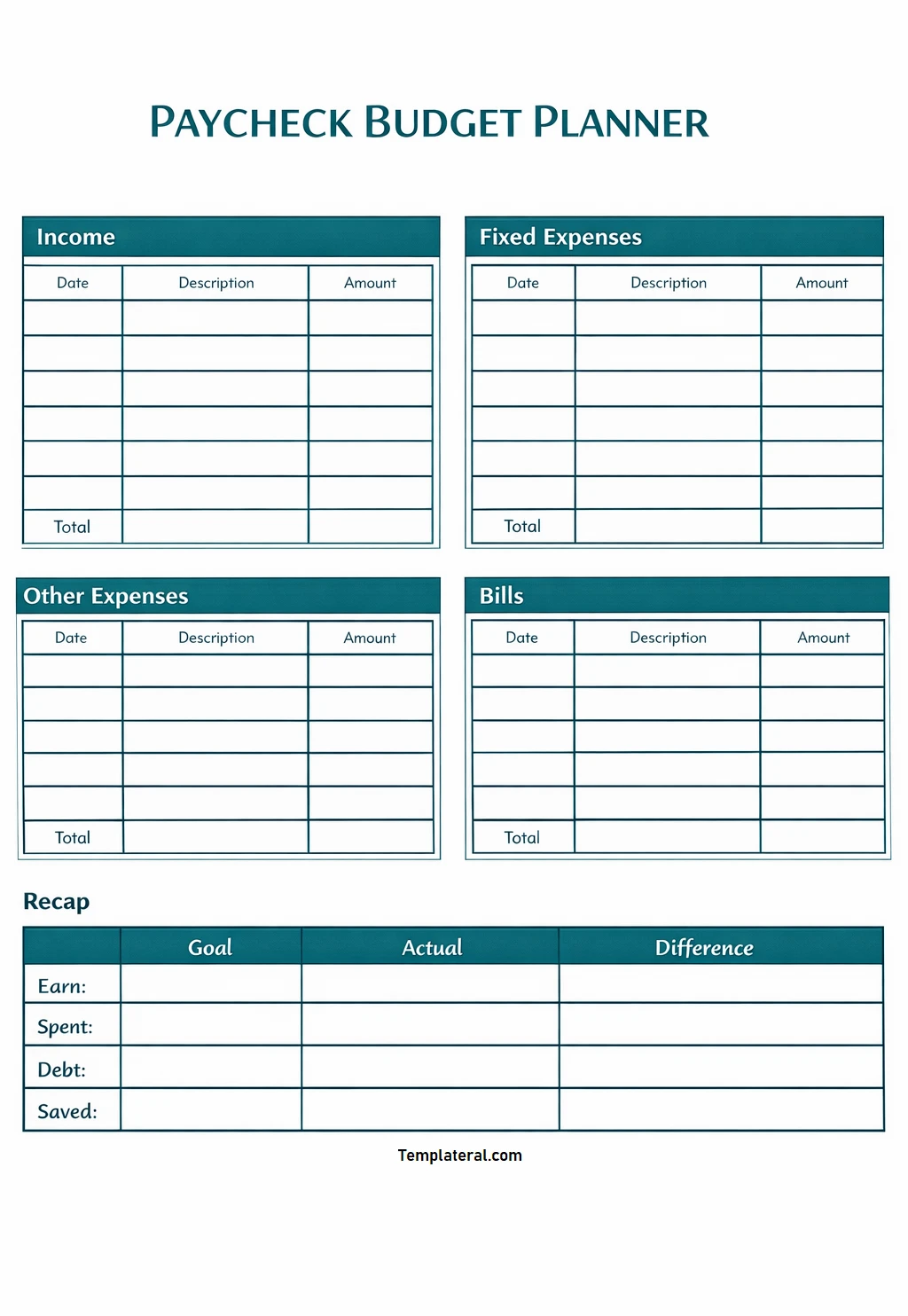
Managing your finances can be a daunting task, especially when it comes to keeping track of your expenses and making sure you have enough money to cover everything. One effective method to gain financial control and clarity is paycheck budgeting.
This approach involves planning your expenses around each income delivery instead of following a monthly cycle. By assigning specific expenses to each paycheck, you can align your spending with your cash flow, prevent overspending, ensure bills are paid on time, and allocate money toward your financial goals, such as saving and debt repayment.
In this comprehensive guide, we will explore the What, Why, What to Include, How to, and Tips of paycheck budgeting to help you achieve financial stability and success.
What is Paycheck Budgeting?
Paycheck budgeting is a financial planning strategy that involves organizing your expenses based on when you receive your income. Instead of looking at your finances on a monthly basis, you break down your budget into smaller, more manageable pieces aligned with each paycheck you receive.
This method allows you to have better control over your money, prioritize your spending, and ensure that you are making intentional decisions with your finances.
Why Choose Paycheck Budgeting?
Paycheck budgeting offers several benefits that can help you improve your financial situation and achieve your money goals. Here are some reasons why you should consider adopting this approach:
- Prevent Overspending: By planning your expenses around each paycheck, you can avoid the temptation to overspend and stay within your financial limits.
- Ensure Timely Bill Payments: By allocating funds for bills from each paycheck, you can ensure that all your obligations are met on time, avoiding late fees and penalties.
- Intentional Allocation of Money: Paycheck budgeting allows you to intentionally allocate money toward savings, debt repayment, and other financial goals, helping you make progress towards achieving them.
- Align Spending with Cash Flow: By matching your expenses with your income schedule, you can better manage your cash flow and avoid running short of funds before the next payday.
What to Include in Your Paycheck Budget?
When creating a paycheck budget, it’s essential to include all your income sources, fixed expenses, variable expenses, savings goals, and debt repayment obligations. Here’s a breakdown of what you should consider including in your paycheck budget:
- Income Sources: List down all your sources of income, including your primary job, side hustle, investments, and any other money coming in.
- Fixed Expenses: Include recurring expenses that remain constant each pay period, such as rent/mortgage, utilities, insurance premiums, and loan payments.
- Variable Expenses: Account for fluctuating expenses like groceries, dining out, entertainment, and other discretionary spending.
- Savings Goals: Allocate a portion of each paycheck towards your savings goals, whether it’s an emergency fund, retirement savings, or a specific financial objective.
- Debt Repayment: If you have outstanding debts, make sure to budget for the minimum payments or allocate extra funds to accelerate your debt payoff.
How to Create a Paycheck Budget?
Creating a paycheck budget involves several steps to help you organize your finances effectively. Here’s a guide on how to create a paycheck budget that works for you:
1. Calculate Your Income:
Determine the total amount of money you receive from all income sources in each pay period. This includes your take-home pay after deductions for taxes and other withholdings.
2. List Your Fixed Expenses:
Identify all your fixed expenses that need to be paid from each paycheck, such as rent/mortgage, utilities, insurance, and loan payments. These are non-negotiable expenses that must be covered first.
3. Account for Variable Expenses:
Estimate your variable expenses like groceries, transportation, entertainment, and other discretionary spending. Allocate a reasonable amount for these expenses while staying within your budget limits.
4. Allocate Funds for Savings:
Determine how much you want to save from each paycheck and allocate funds towards your savings goals. Having a dedicated savings category ensures that you prioritize building wealth for your future.
5. Plan for Debt Repayment:
If you have debts, make sure to budget for the minimum payments required. Consider allocating extra funds towards debt repayment to accelerate your progress and reduce interest costs.
6. Adjust Your Budget as Needed:
Review your paycheck budget regularly and make adjustments as necessary. Life changes, unexpected expenses, or income fluctuations may require you to revise your budget to stay on track.
7. Track Your Spending:
Keep track of your expenses and compare them to your budget to ensure you are staying within your financial plan. Use tools like budgeting apps or spreadsheets to monitor your progress and make adjustments as needed.
Tips for Successful Paycheck Budgeting
When implementing paycheck budgeting, consider these tips to make the process more effective and successful:
- Automate Your Savings: Set up automatic transfers from your checking account to your savings or investment accounts to ensure you prioritize saving without having to think about it.
- Use Envelopes or Categories: Divide your spending into categories or envelopes for different expenses to visually see where your money is going and avoid overspending in certain areas.
- Adjust Your Budget Regularly: Life circumstances change, so be prepared to adjust your budget as needed to accommodate new expenses or changes in income.
- Build in Fun Money: Allow yourself some discretionary funds for entertainment or personal spending to prevent feeling restricted and maintain balance in your budget.
- Celebrate Milestones: Celebrate small wins along the way, such as reaching a savings goal or paying off a debt, to stay motivated and encouraged on your financial journey.
By following these guidelines and implementing paycheck budgeting effectively, you can gain control over your finances, achieve your money goals, and pave the way for a more secure financial future. Take the first step towards financial clarity and success by creating a paycheck budget that works for you!
Paycheck Budget Template – Download
