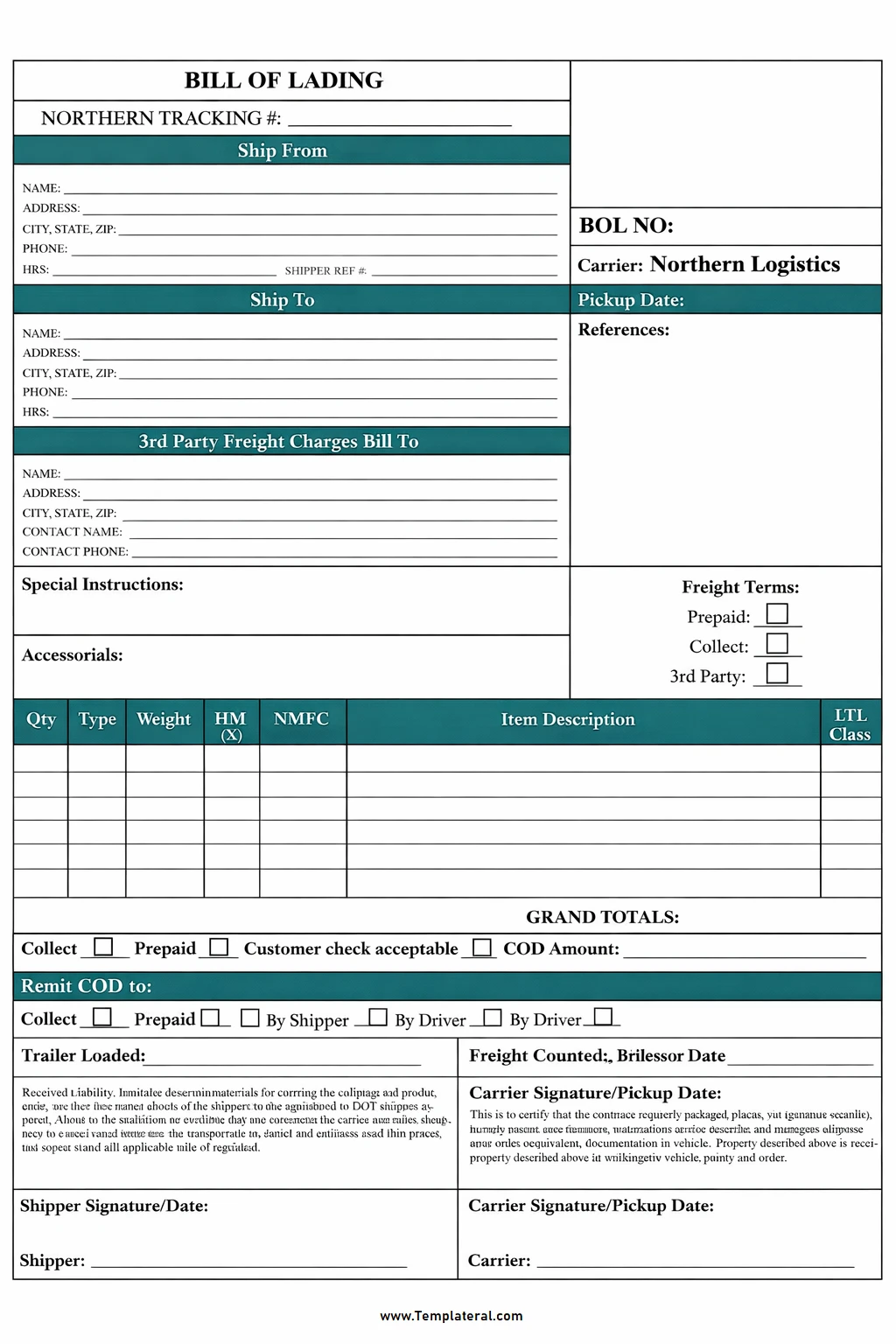
When it comes to the world of shipping and logistics, the bill of lading (BOL) plays a crucial role in ensuring the smooth and efficient movement of goods from one point to another. This essential document serves multiple purposes, acting as a receipt of goods, a contract between the shipper and carrier, and a document of title that enables ownership transfer.
In essence, the bill of lading provides all parties involved in a shipment with the necessary information and legal framework to ensure a successful delivery.
What is a Bill of Lading?
A bill of lading is a legal document issued by a carrier or its agent to the shipper that acknowledges the receipt of goods for shipment. It serves as a detailed record of the cargo being transported, including the quantity, type, and destination of the goods.
The bill of lading also outlines the terms and conditions of the shipment, such as the agreed-upon delivery date and any special instructions for handling the goods.
Why is the Bill of Lading Important?
The bill of lading is a critical document in the shipping and logistics industry for several reasons:
- Receipt of Goods: It serves as proof that the carrier has received the goods for shipment.
- Contractual Agreement: It outlines the terms and conditions of the shipment, serving as a legally binding contract between the shipper and carrier.
- Document of Title: It enables the transfer of ownership of the goods from the shipper to the consignee upon delivery.
- Legal Protection: It provides legal protection for all parties involved in case of disputes or damage to the goods during transit.
Key Elements of a Bill of Lading
A standard bill of lading typically includes the following key elements:
- Shipper Information: Name, address, and contact details of the shipper.
- Consignee Information: Name, address, and contact details of the consignee.
- Description of Goods: Details of the goods being transported, including quantity, type, and weight.
- Carrier Information: Name, address, and contact details of the carrier responsible for transporting the goods.
- Terms and Conditions: Agreed-upon terms and conditions of the shipment, including delivery date and special instructions.
- Signature: Signatures of the shipper, carrier, and consignee to confirm receipt and acceptance of the goods.
How to Properly Fill Out a Bill of Lading
Properly filling out a bill of lading is essential to ensure a smooth and successful shipment. Here are some tips to help you fill out a bill of lading correctly:
- Double-Check Information: Verify all information entered on the bill of lading, including shipper and consignee details, description of goods, and terms and conditions.
- Include Special Instructions: If there are any special handling instructions for the goods, make sure to include them on the bill of lading.
- Obtain Signatures: Ensure that the bill of lading is signed by the shipper, carrier, and consignee to confirm receipt and acceptance of the goods.
- Keep a Copy: Make copies of the completed bill of lading for your records and for any necessary documentation during the shipment.
Tips for Handling Bill of Lading Disputes
In the event of a dispute regarding the bill of lading, follow these tips to resolve the issue:
- Communicate Clearly: Open lines of communication with all parties involved to address any discrepancies or misunderstandings.
- Document Everything: Keep detailed records of all communication and documentation related to the bill of lading dispute.
- Seek Legal Advice: If unable to resolve the dispute amicably, seek legal advice to understand your rights and options for resolution.
Conclusion
The bill of lading is a critical document in the shipping and logistics industry, serving as a receipt of goods, a contract between the shipper and carrier, and a document of title that enables ownership transfer. By understanding the key elements of a bill of lading and following best practices for filling out and handling disputes, you can ensure a smooth and successful shipment process. Remember to pay careful attention to detail when dealing with bill of lading documents to avoid any potential issues during transit.
Bill of Lading Form Template – DOWNLOAD
