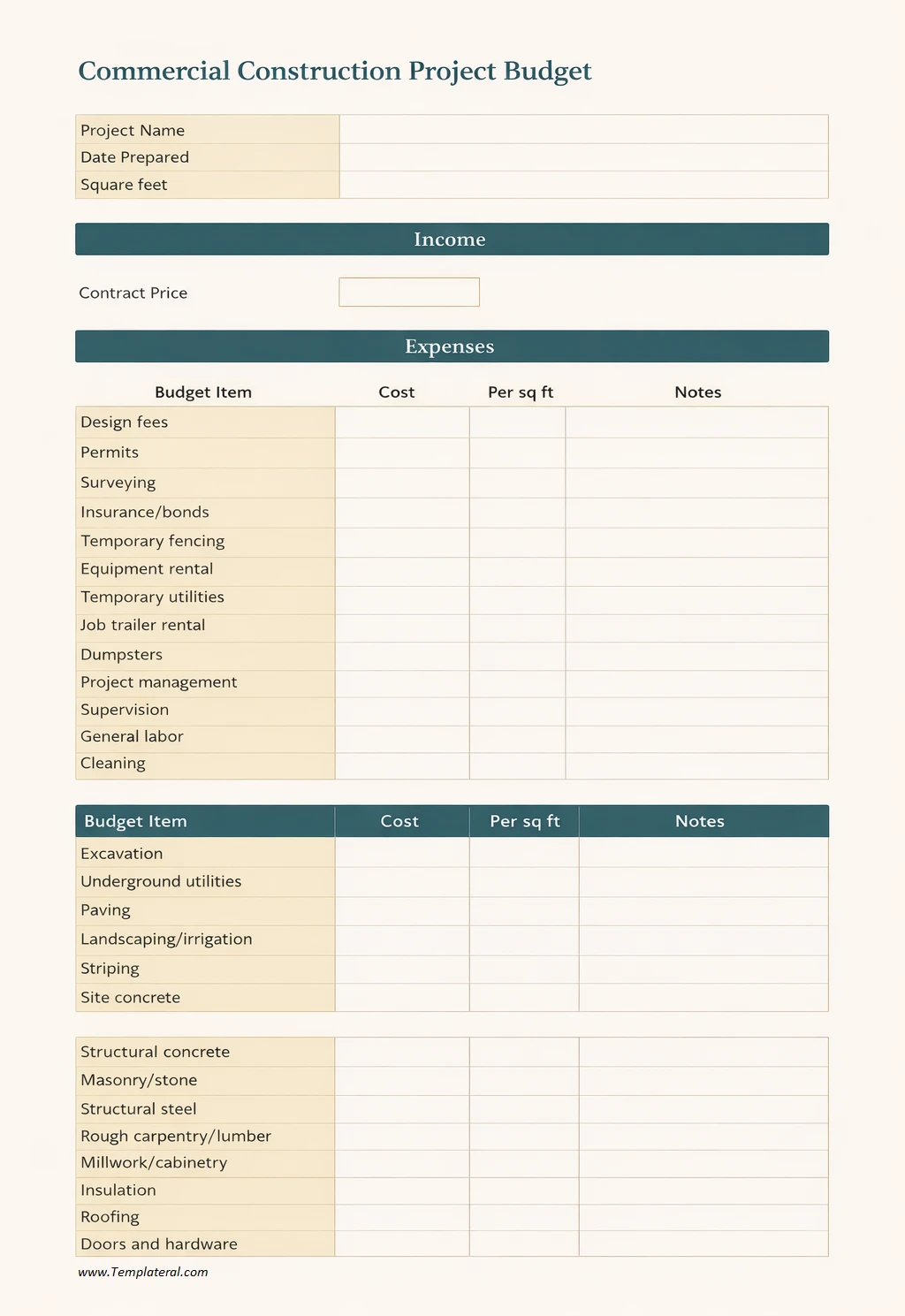
Regarding construction projects, one of the most critical aspects of success is the establishment of a solid budget. A well-constructed budget serves as a financial roadmap, guiding resource allocation, controlling costs, and ensuring profitability throughout the project. By tracking estimated versus actual spending, a budget enables informed decision-making, helps manage risks such as unexpected price surges, and ensures that all stakeholders, including clients and contractors, are aligned on financial expectations.
Ultimately, a carefully crafted budget is essential for keeping a project within its financial limits from start to finish.
What is a Building Budget?
A building budget is a comprehensive financial plan that outlines the expected costs of a construction project from inception to completion. It serves as a roadmap for managing expenses, allocating resources, and ensuring profitability. The budget includes estimates for labor, materials, equipment, permits, and any other costs associated with the project.
By establishing a detailed budget upfront, project managers can track spending, identify potential cost overruns, and make informed decisions to keep the project on track financially.
Why is a Building Budget Important?
A building budget is essential for several key reasons:
- Cost Control: A budget helps control costs by setting spending limits and tracking expenses throughout the project.
- Resource Allocation: By outlining the costs of labor, materials, and equipment, a budget ensures that resources are allocated efficiently.
- Profitability: A well-managed budget helps ensure that a project remains profitable by tracking estimated versus actual spending.
- Risk Management: A budget helps manage risks such as unexpected price surges or changes in scope by providing a financial roadmap for decision-making.
- Stakeholder Alignment: By establishing clear financial expectations, a budget ensures that all stakeholders, including clients and contractors, are on the same page throughout the project.
What to Include in a Building Budget?
When creating a building budget, it’s important to include the following key elements:
- Labor Costs: Estimates for all labor costs, including wages, benefits, and subcontractor fees.
- Material Costs: Estimates for all materials needed for the project, including pricing and quantities.
- Equipment Costs: Estimates for any equipment rentals or purchases required for the project.
- Permit and Inspection Fees: Budget for any permits, inspections, or other regulatory costs associated with the project.
- Contingency Fund: A contingency fund to account for unexpected costs or changes in scope.
How to Create a Building Budget
Creating a building budget involves several key steps:
1. Estimate Costs:
Start by estimating the costs of labor, materials, equipment, permits, and any other expenses associated with the project. Use historical data, quotes from suppliers, and input from industry experts to create accurate estimates.
2. Set Spending Limits:
Establish spending limits for each category of expenses based on your estimates. Be sure to account for contingencies and unexpected costs to ensure that you have a buffer against overruns.
3. Track Expenses:
Throughout the project, track all expenses against your budget to ensure that you are staying within your spending limits. Adjust your budget as needed to account for any changes or unexpected costs that arise.
4. Communicate with Stakeholders:
Keep all stakeholders informed about the budget status and any changes or updates. Regular communication helps ensure that everyone is on the same page and can make informed decisions about the project.
5. Review and Adjust:
Regularly review your budget and make adjustments as needed based on actual spending and any changes in the project scope. By staying proactive and flexible, you can avoid cost overruns and keep your project on track financially.
6. Seek Professional Advice:
If you are unsure about how to create or manage a building budget, consider seeking advice from a financial advisor or construction project management expert. Their expertise can help you develop a budget that meets the needs of your project and ensures financial success.
7. Use Budgeting Tools:
Utilize budgeting tools and software to help you track expenses, monitor spending, and make informed decisions about your project budget. These tools can help streamline the budgeting process and ensure that you have accurate and up-to-date financial information at your fingertips.
Tips for Building a Successful Budget
When building a budget for a construction project, consider the following tips to ensure success:
Starting Early in Budget Planning
Starting the budgeting process early is crucial for construction projects as it allows project managers to gather necessary information, evaluate potential costs, and develop a comprehensive financial plan. By beginning budget planning in the project’s early stages, project managers can set a solid foundation for cost control and effective resource allocation throughout the project lifecycle.
Being Realistic in Budgeting
Being realistic in budgeting is essential for ensuring the financial success of construction projects. Project managers should carefully assess costs, consider potential risks, and avoid overly optimistic projections to prevent budget shortfalls and unexpected expenses. By maintaining a realistic approach to budgeting, project managers can enhance project profitability and sustainability.
Including Contingencies in Budgets
Contingencies play a vital role in budget planning for construction projects, as they provide a cushion against unforeseen costs or changes in project scope. By including contingency funds in budgets, project managers can effectively address unexpected challenges without compromising project progress or financial stability. Contingencies help mitigate risks and ensure that projects remain within budget constraints.
Regularly Monitoring and Adjusting Budgets
Regular monitoring and adjustment of budgets are essential practices for maintaining financial control and project success. By tracking expenses, comparing actual spending to budget estimates, and making timely adjustments, project managers can proactively address budget variations, identify cost-saving opportunities, and ensure that projects stay on track financially. Regular monitoring and adjustment help optimize resource allocation and enhance project profitability.
Effective Communication in Budget Management
Effective communication is key to successful budget management in construction projects. Project managers should maintain open lines of communication with stakeholders, share budget information transparently, and engage in regular discussions about budget status and updates. By fostering effective communication, project managers can build trust, align expectations, and address potential concerns proactively, promoting collaboration and successful project outcomes.
Building Budget Template – DOWNLOAD
