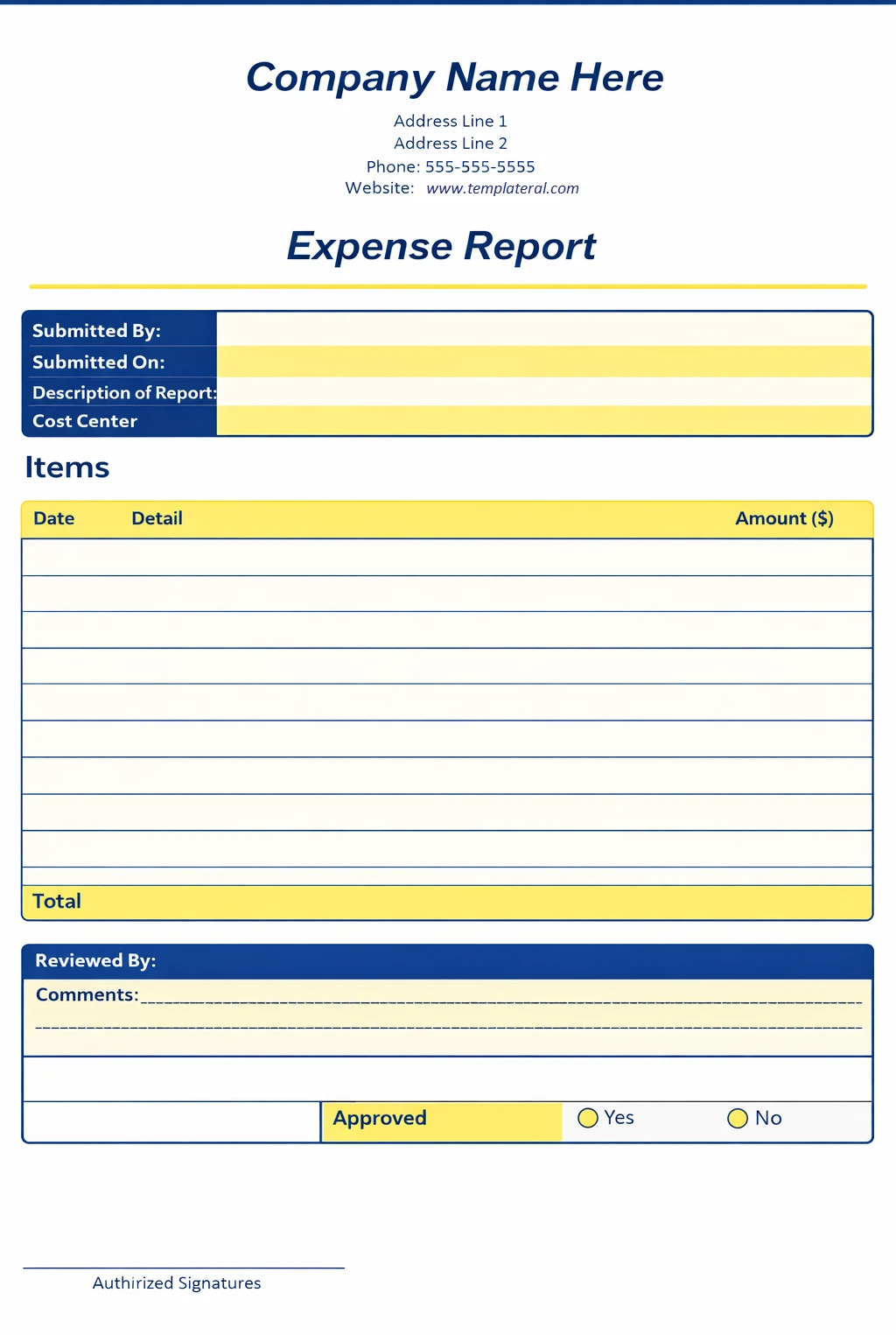
Business reports are essential tools that provide clear, factual, and analytical information to help stakeholders make informed decisions, track progress, and address challenges.
These reports transform raw data into meaningful insights by presenting findings, conclusions, and recommendations, serving as a vital tool for communication, progress monitoring, problem-solving, and creating an official record of business activities.
What is a Business Report?
A business report is a document that provides detailed information about a specific aspect of a company’s operations. It typically includes data analysis, performance metrics, financial summaries, and strategic recommendations.
Business reports are often used to communicate key information to stakeholders, such as investors, employees, and management, to help them understand the current state of the business and make informed decisions.
The Importance of a Business Report
Business reports play a crucial role in decision-making processes within organizations. They help stakeholders gain a comprehensive understanding of the business’s performance, identify trends, and assess potential risks and opportunities. By presenting data in a systematic and organized manner, business reports enable stakeholders to make informed decisions based on facts and analysis, rather than intuition or guesswork.
There are several benefits to using business reports in organizations:
- Data-driven decision-making. Business reports provide stakeholders with accurate and up-to-date information, enabling them to make informed decisions.
- Performance tracking. Business reports help track progress towards goals and objectives, allowing organizations to measure their success and identify areas for improvement.
- Problem-solving. Business reports can highlight issues or challenges within the business, enabling stakeholders to address them promptly and effectively.
- Communication tool. Business reports facilitate effective communication among stakeholders by presenting information in a clear and organized manner.
- Official record. Business reports serve as an official record of the business’s activities, providing a historical reference for future decision-making.
Common Uses of Business Reports in Organizations
Business reports are used for various purposes within organizations, including:
Financial Reporting
Financial reporting is a critical use of business reports within organizations. These reports provide stakeholders with a clear picture of the company’s financial performance, including revenue, expenses, profits, and losses. Financial reports help investors, creditors, and management assess the financial health of the organization and make informed decisions regarding investment, lending, and resource allocation.
Performance Analysis
Business reports play a key role in performance analysis within organizations. They help evaluate the effectiveness of different departments, projects, or initiatives by tracking key performance indicators (KPIs) and metrics. Performance analysis reports enable management to identify areas of strength and weakness, allocate resources efficiently, and implement strategies to improve overall performance and productivity.
Strategic Planning
Business reports are essential for strategic planning within organizations. These reports provide insights into market trends, consumer behavior, competitor analysis, and internal performance metrics to help management develop strategic plans and objectives. Strategic planning reports guide decision-making processes, resource allocation, and goal setting to ensure alignment with the organization’s long-term vision and mission.
Risk Assessment
Business reports help organizations assess and mitigate risks that may impact their operations. Risk assessment reports analyze potential threats, vulnerabilities, and uncertainties that could affect the organization’s financial health, reputation, or sustainability. By identifying and addressing risks proactively, organizations can minimize potential losses, enhance resilience, and safeguard their long-term success.
Market Research
Business reports are valuable tools for conducting market research within organizations. These reports analyze market trends, consumer preferences, competitor strategies, and industry dynamics to inform business decisions and strategies. Market research reports provide insights into emerging opportunities, threats, and trends, enabling organizations to adapt their products, services, and marketing efforts to meet changing market demands effectively.
Key Components of Business Reports
Business reports typically include the following key components:
Executive Summary
The executive summary is a concise overview of the report, highlighting key findings, conclusions, and recommendations. It provides readers with a snapshot of the report’s contents and key takeaways without having to read the entire document. The executive summary is often the first section of the report and serves as a roadmap for the reader to navigate the report effectively.
Introduction
The introduction section of a business report sets the context and scope of the report. It outlines the purpose, objectives, and background information related to the topic being discussed. The introduction provides readers with a clear understanding of what to expect in the report and why the information presented is relevant and important. It also establishes the credibility and authority of the report by showcasing the research and analysis that went into its creation.
Methodology
The methodology section of a business report explains the research methods, data collection techniques, and analysis tools used to gather and interpret the data presented in the report. It provides transparency and clarity regarding the process followed to produce the findings and conclusions. The methodology section helps readers assess the reliability and validity of the information presented in the report by understanding the approach taken to conduct the research and analyze the data.
Findings
The findings section of a business report presents the data, analysis, and results obtained through the research process. It showcases the key findings, trends, patterns, and insights derived from the data collected and analyzed. The findings section helps readers understand the significance of the information presented in the report and its implications for decision-making. It provides a detailed overview of the research outcomes and supports the conclusions and recommendations made in the report.
Conclusions
The conclusions section of a business report summarizes the key takeaways and implications of the findings presented in the report. It synthesizes the data, analysis, and insights to draw overarching conclusions about the topic being discussed. The conclusions section highlights the key findings, trends, and patterns identified in the report and provides insights into their significance for the organization. It helps stakeholders understand the implications of the research and guides them in making informed decisions based on the report’s findings.
Recommendations
The recommendations section of a business report offers actionable suggestions for addressing the issues or opportunities identified in the report. It provides stakeholders with a roadmap for implementing strategic changes, improvements, or initiatives based on the report’s findings and conclusions. The recommendations section helps guide decision-making processes by offering practical steps that can be taken to capitalize on strengths, overcome weaknesses, and optimize performance within the organization.
Visual Elements
Visual elements, such as charts, graphs, tables, and diagrams, are often included in business reports to enhance the presentation of data and analysis. These visual aids help illustrate complex information, trends, and relationships clearly and concisely. Visual elements make it easier for readers to interpret and understand the data presented in the report, enabling them to grasp key insights quickly and effectively. Visual elements also add visual appeal and professionalism to the report, making it more engaging and impactful for the audience.
Appendices
Appendices are supplementary materials included at the end of a business report to provide additional information, data, or documentation that support the main content of the report. Appendices may include detailed data tables, survey questionnaires, technical specifications, or other relevant information that is referenced in the report but not essential to the main discussion. Appendices allow readers to delve deeper into specific aspects of the report and gain a more comprehensive understanding of the topic being presented.
Integration with Technology
Business reports are increasingly being integrated with technology to enhance their effectiveness and accessibility. With the advent of data visualization tools, analytics software, and reporting platforms, organizations can create dynamic and interactive reports that engage stakeholders and facilitate data-driven decision-making. Technology allows for real-time data updates, interactive dashboards, and customized report templates that cater to the specific needs and preferences of different stakeholders. By leveraging technology, organizations can streamline the report generation process, improve data accuracy, and enhance the overall impact of their business reports.
Continuous Improvement
Business reports should be viewed as a continuous process of improvement and refinement within organizations. By soliciting feedback from stakeholders, analyzing the effectiveness of reports, and incorporating best practices, organizations can enhance the quality and impact of their business reports over time. Continuous improvement ensures that reports remain relevant, insightful, and actionable, enabling organizations to adapt to changing business environments and stakeholder needs effectively. By embracing a culture of continuous improvement, organizations can maximize the value and utility of their business reports in driving informed decision-making and strategic outcomes.
Business Report Template – DOWNLOAD
