In the fast-paced and ever-changing landscape of business, having a strategic plan is crucial for long-term success. A business strategic plan serves as a roadmap that provides direction, sets clear goals, identifies opportunities, and mitigates risks. It aligns the entire organization towards a common vision, ensuring resources are allocated effectively to achieve set objectives and stay ahead of market changes.
The key outcomes of a strategic plan include improved decision-making, enhanced resource allocation, greater team alignment, proactive risk management, and a significant competitive advantage.
What Is a Business Strategic Plan?
A business strategic plan is a comprehensive document that outlines the organization’s goals, objectives, strategies, and tactics for achieving long-term success. It involves analyzing the current state of the business, defining future objectives, and developing a detailed action plan to reach those goals.
A strategic plan provides a roadmap for the organization, guiding decision-making and resource allocation to ensure alignment with the overall vision and mission.
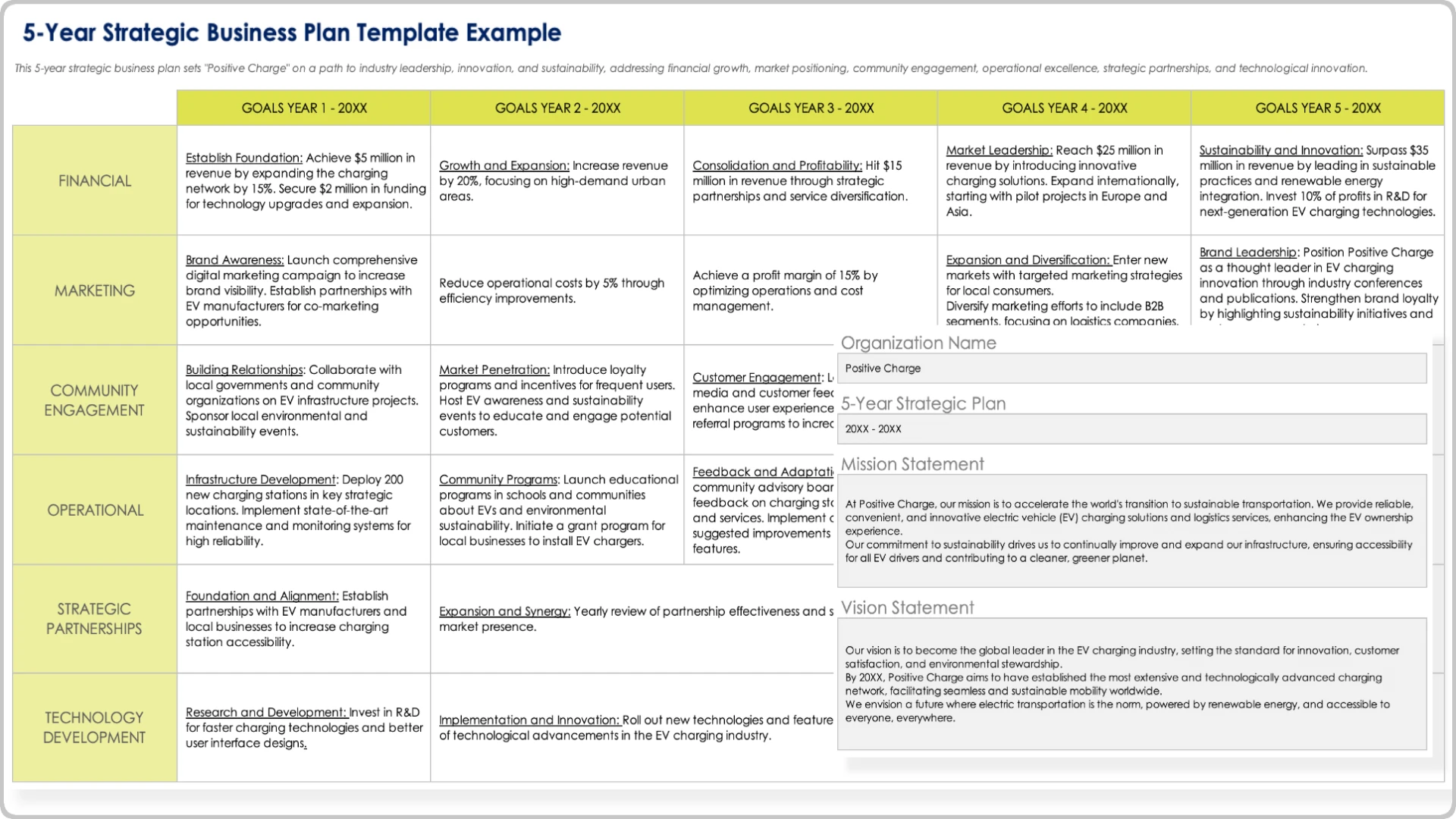
Why Every Successful Business Needs a Strategic Plan?
Every successful business needs a strategic plan to navigate the complexities of the market and stay ahead of competitors.
Setting a Clear Direction
One of the primary reasons every successful business needs a strategic plan is to set a clear direction for the organization. By defining a vision and mission statement, setting specific goals, and outlining strategies to achieve them, a strategic plan provides a roadmap for the business to follow. This clarity helps guide decision-making, allocate resources effectively, and ensure that all team members are working towards a common goal.
Adapting to Market Changes
In today’s rapidly changing business environment, businesses need to be able to adapt to market changes quickly. A strategic plan allows organizations to anticipate shifts in the market, identify new opportunities, and adjust their strategies accordingly. By staying ahead of market trends and competitors, businesses can maintain a competitive edge and continue to grow and thrive in the long term.
Maximizing Resource Allocation
Effective resource allocation is crucial for the success of any business. A strategic plan helps businesses prioritize their resources, including budget, time, and personnel, to ensure that they are being used in the most efficient and effective way possible. By aligning resource allocation with strategic goals and objectives, organizations can maximize their impact and achieve better results in the long run.
Enhancing Team Alignment
A strategic plan plays a key role in enhancing team alignment within an organization. By clearly communicating the organization’s vision, mission, goals, and strategies to all team members, a strategic plan helps ensure that everyone is on the same page and working towards a common purpose. This alignment fosters collaboration, boosts morale, and increases productivity, leading to better overall performance and success.
Gaining a Competitive Advantage
Having a well-developed strategic plan can give businesses a significant competitive advantage in the market. By setting clear goals, identifying key growth opportunities, and outlining strategies to achieve success, organizations can differentiate themselves from competitors and attract customers. A strategic plan helps businesses stay ahead of the curve, innovate, and position themselves as industry leaders, giving them a competitive edge that can lead to long-term success.
Key Elements of Strategic Planning
Strategic planning involves several key elements that are essential for developing a successful business strategic plan:
Vision and Mission
The vision and mission of an organization are the guiding principles that drive all strategic planning efforts. The vision statement outlines the organization’s long-term goals and aspirations, while the mission statement defines its purpose and core values. These elements provide a foundation for setting goals, making decisions, and aligning resources effectively to achieve success.
SWOT Analysis
Conducting a SWOT analysis is a critical step in the strategic planning process. SWOT stands for strengths, weaknesses, opportunities, and threats, and involves evaluating internal and external factors that may impact the organization’s ability to achieve its goals. By identifying these factors, organizations can develop strategies to leverage strengths, address weaknesses, capitalize on opportunities, and mitigate threats.
Goals and Objectives
Setting clear and specific goals and objectives is essential for effective strategic planning. Goals are broad statements of what the organization aims to achieve, while objectives are specific, measurable targets that support the goals. By setting SMART goals (specific, measurable, achievable, relevant, and time-bound), organizations can focus their efforts, track progress, and ensure that their strategic plan is on track for success.
Strategies and Tactics
Developing strategies and tactics for achieving goals is a key component of strategic planning. Strategies are the broad approaches to achieving objectives, while tactics are the specific actions taken to implement those strategies. By outlining clear strategies and tactics in the strategic plan, organizations can ensure that they are taking the right steps to achieve their goals and drive success.
Resource Allocation
Allocating resources effectively is crucial for the successful implementation of a strategic plan. Resources include budget, time, personnel, technology, and other assets needed to achieve the organization’s goals. By aligning resource allocation with strategic priorities, organizations can ensure that resources are used efficiently and that progress towards goals is maximized.
Monitoring and Evaluation
Regularly monitoring progress and evaluating outcomes is essential for the success of a strategic plan. Monitoring involves tracking key performance indicators (KPIs), analyzing results, and measuring progress towards goals. Evaluation involves assessing the effectiveness of strategies and tactics, identifying areas for improvement, and making adjustments as needed to stay on track for success.
Step Strategic Planning Process
The strategic planning process typically involves several steps to develop a comprehensive business strategic plan:
Assessment of Current State
Conducting an assessment of the organization’s current state is the first step in the strategic planning process. This involves analyzing internal and external factors that may impact the organization’s ability to achieve its goals. By conducting a thorough assessment, organizations can identify strengths, weaknesses, opportunities, and threats, which inform the development of the strategic plan.
Define Vision, Mission, and Values
Defining the organization’s vision, mission, and values is a critical step in the strategic planning process. The vision statement outlines the organization’s long-term goals and aspirations, while the mission statement defines its purpose and core values. By establishing a clear vision, mission, and values, organizations can provide direction and purpose for their strategic planning efforts.
Setting Goals and Objectives
Setting specific, measurable, achievable, relevant, and time-bound (SMART) goals is essential for effective strategic planning. Goals are broad statements of what the organization aims to achieve, while objectives are specific targets that support the goals. By setting SMART goals, organizations can ensure that their strategic plan is focused, actionable, and aligned with their overall vision and mission.
Develop Strategies and Tactics
Developing strategies and tactics for achieving goals is a key component of the strategic planning process. Strategies are the broad approaches to achieving objectives, while tactics are the specific actions taken to implement those strategies. By outlining clear strategies and tactics in the strategic plan, organizations can ensure that they are taking the right steps to achieve their goals and drive success.
Implementation and Execution
Implementing the strategic plan requires effective communication, coordination, and collaboration across the organization. Execution involves assigning responsibilities, monitoring progress, and making adjustments as needed to ensure success. By implementing the strategic plan effectively, organizations can bring their vision to life and achieve their goals promptly.
Monitoring and Evaluation
Regularly monitoring progress and evaluating outcomes is essential for the success of a strategic plan. Monitoring involves tracking key performance indicators (KPIs), analyzing results, and measuring progress towards goals. Evaluation involves assessing the effectiveness of strategies and tactics, identifying areas for improvement, and making adjustments as needed to
Monitoring and Evaluation
Regularly monitoring progress and evaluating outcomes is essential for the success of a strategic plan. Monitoring involves tracking key performance indicators (KPIs), analyzing results, and measuring progress towards goals. Evaluation involves assessing the effectiveness of strategies and tactics, identifying areas for improvement, and making adjustments as needed to stay on track for success.
Review and Update
Reviewing and updating the strategic plan regularly is crucial to ensure its relevance and effectiveness. Market conditions, competitive landscape, and internal factors may change over time, requiring organizations to adjust their strategic plan accordingly. By reviewing and updating the strategic plan regularly, organizations can stay agile, adapt to changes, and continue to drive success in the long term.
What Are the Risks of Not Having a Strategic Plan?
Not having a strategic plan can pose several risks to a business, including:
Lack of Direction
Without a strategic plan, businesses may lack a clear direction and sense of purpose. This can lead to confusion, inefficiency, and indecisiveness in decision-making. A lack of direction can hinder progress, limit growth opportunities, and prevent the organization from achieving its full potential.
Missed Opportunities
Businesses without a strategic plan may miss out on key opportunities for growth, innovation, and competitive advantage. Without a roadmap to guide decision-making and resource allocation, organizations may overlook potential avenues for expansion, partnerships, or market differentiation. This can result in missed opportunities to gain a competitive edge and drive long-term success.
Resource Misallocation
Without a strategic plan, resources, including budget, time, and personnel, may be allocated ineffectively. This can lead to inefficiencies, wasted resources, and missed opportunities to invest in areas that drive growth and success. Effective resource allocation is essential for maximizing the impact of investments and ensuring that the organization’s goals are achieved efficiently.
Reactive Decision-Making
Businesses without a strategic plan may resort to reactive decision-making, rather than proactive planning. This can result in rushed, short-term decisions that are not aligned with the organization’s long-term goals and objectives. Reactive decision-making can lead to missed opportunities, increased risks, and a lack of strategic focus, hindering the organization’s ability to achieve sustainable growth.
Increased Risk
Not having a strategic plan can increase the risk of failure for a business. Without a clear roadmap to guide decision-making and resource allocation, organizations may be ill-prepared to navigate challenges, overcome obstacles, and seize growth opportunities. This lack of preparedness can leave businesses vulnerable to external threats, market changes, and competitive pressures, putting their long-term success at risk.
Lack of Competitive Advantage
Businesses without a strategic plan may struggle to differentiate themselves from competitors and maintain a sustainable competitive advantage in the market. Without a clear direction, goals, and strategies for success, organizations may fall behind in innovation, customer engagement, and market positioning. This can result in a loss of market share, revenue, and relevance in an increasingly competitive business environment.
Poor Performance
The absence of a strategic plan can lead to poor performance, missed targets, and underachievement of business goals. Without a roadmap to guide decision-making and resource allocation, organizations may struggle to achieve their objectives, meet customer needs, and adapt to changing market conditions. This can result in stagnant growth, reduced profitability, and a lack of sustainability in the long term.
Business Strategic Plan Template – DOWNLOAD
