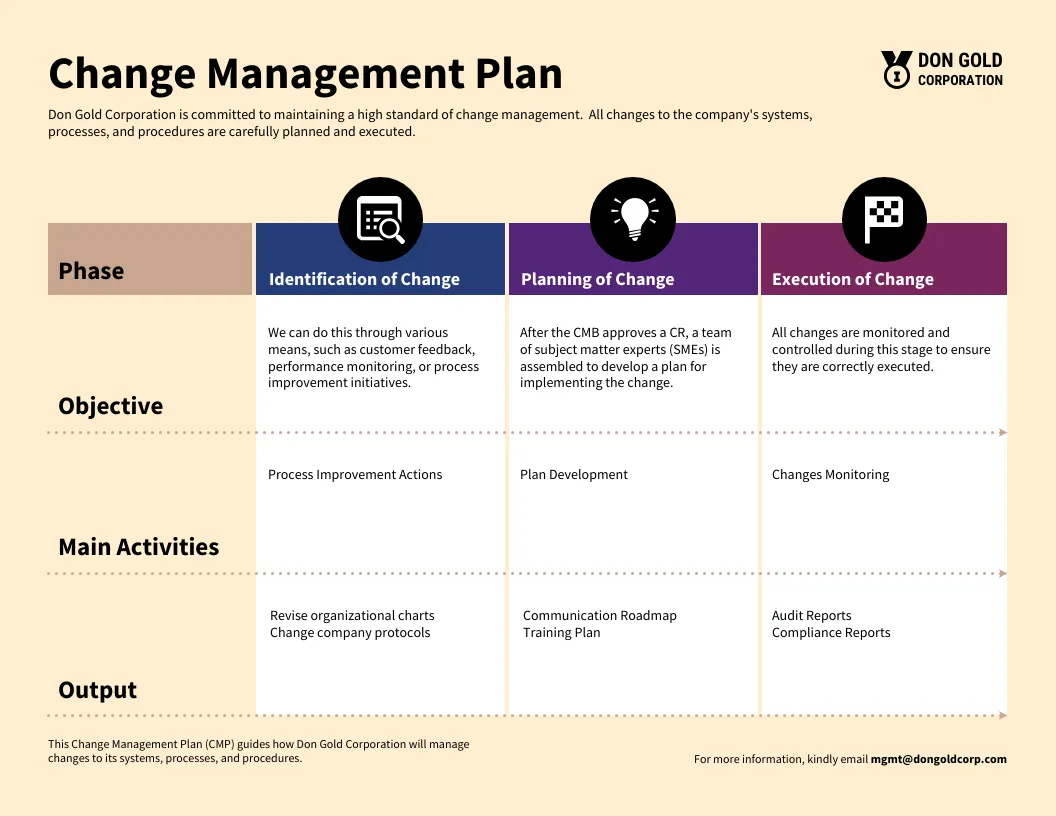
What is Change Management Planning?
Change management planning is a strategic approach that helps organisations prepare, equip, and support individuals to adopt change and drive organisational success and outcomes successfully. It involves creating a plan that outlines the objectives, scope, communication strategies, training programs, and resistance management tactics to facilitate a smooth transition.
By incorporating change management planning into project initiatives, organizations can increase the likelihood of successful implementation and achieve desired results.
Why is Change Management Planning Important?
Change management planning is crucial for organizations to navigate transitions effectively and ensure successful adoption by individuals and teams. Without a structured approach to manage change, organizations risk facing resistance from employees, productivity losses, and project delays. By implementing a comprehensive change management plan, organizations can mitigate these risks and increase the likelihood of successful project outcomes.
The Impact of Change on Organizations
Organizational change can have a significant impact on employees, processes, and outcomes. Without proper planning and management, change initiatives can disrupt workflow, create uncertainty, and lead to decreased productivity. Change management planning helps organizations anticipate these challenges, address them proactively, and create a supportive environment for individuals to adapt to change effectively.
The Role of Leadership in Change Management
Effective change management planning requires strong leadership to guide the process and engage stakeholders. Leaders play a crucial role in setting the vision for change, communicating its importance, and providing support and resources to facilitate successful adoption. By demonstrating commitment to the change initiative, leaders can inspire trust and confidence among employees, paving the way for a smooth transition.
The Psychology of Change
Understanding the psychology of change is essential for successful change management planning. Individuals may experience fear, uncertainty, and resistance when faced with change, which can hinder the adoption process. Change management planning should take into account the emotional aspects of change, providing support, reassurance, and clear communication to help individuals navigate the transition effectively.
The Benefits of Employee Engagement
Employee engagement is key to the success of change initiatives. When employees are actively involved in the change process, they are more likely to embrace the new direction, contribute innovative ideas, and support the implementation efforts. Change management planning should prioritize employee engagement through open communication, collaboration, and opportunities for feedback and involvement.
What to Include in a Change Management Plan?
A change management plan should include the following key components to ensure a successful transition:
Objectives
Clearly defining the objectives of the change initiative is crucial for providing a clear direction and aligning stakeholders towards a common goal. Objectives should be specific, measurable, achievable, relevant, and time-bound (SMART) to guide implementation efforts effectively.
Scope
Identifying the scope of the change involves assessing the impact of the initiative on various aspects of the organization, including processes, systems, people, and culture. Understanding the scope helps organizations allocate resources, set priorities, and determine the level of effort required for successful implementation.
Communication Strategies
Developing a communication plan is essential for keeping stakeholders informed, engaged, and motivated throughout the change process. Communication strategies should be tailored to different audiences, channels, and messages to ensure that information is delivered effectively and transparently.
Training Programs
Providing training and resources to support individuals during the change process is critical for enhancing their skills, knowledge, and confidence. Training programs should be designed to meet the specific needs of employees, address gaps in capabilities, and empower individuals to adapt to new ways of working.
Resistance Management Tactics
Anticipating and addressing resistance is a key component of change management planning. Resistance management tactics involve engaging with stakeholders, addressing their concerns, and providing support to help them overcome barriers to change. By proactively managing resistance, organizations can increase buy-in and support for the initiative.
Timeline
Establishing a timeline for the change initiative is essential for tracking progress, setting milestones, and monitoring deadlines. A clear timeline helps organizations stay on schedule, allocate resources effectively, and manage expectations among stakeholders. Timely implementation is crucial for achieving successful outcomes.
Roles and Responsibilities
Defining roles and responsibilities for individuals involved in the change process is critical for ensuring accountability and clarity. By clearly outlining expectations, delegating tasks, and assigning ownership, organizations can streamline implementation efforts, avoid duplication of efforts, and foster collaboration among team members.
Risk Management
Identifying potential risks and developing mitigation strategies is an important aspect of change management planning. Risk management involves assessing threats, vulnerabilities, and uncertainties that could impact the success of the initiative. By proactively managing risks, organizations can minimize negative impacts and increase the likelihood of successful implementation.
Evaluation and Feedback
Establishing mechanisms for evaluating the effectiveness of the change initiative and obtaining feedback from stakeholders is essential for continuous improvement. Evaluation and feedback help organizations assess progress, identify areas for improvement, and make adjustments to enhance future change efforts. By soliciting input from stakeholders, organizations can ensure that their needs and concerns are addressed throughout the process.
How to Implement Change Management Planning?
Implementing change management planning involves a series of steps to ensure the successful adoption and implementation of organizational changes:
Assess the Need for Change
Identifying the reasons for change and assessing the need for organizational transformation is the first step in implementing change management planning. Organizations should conduct a thorough analysis of internal and external factors driving the change initiative to understand the rationale, benefits, and potential risks associated with the change.
Develop a Change Management Plan
Creating a detailed change management plan is essential for guiding implementation efforts and aligning stakeholders towards a common goal. The plan should outline objectives, strategies, timelines, resources, and roles to ensure that all aspects of the change initiative are addressed systematically and effectively.
Communicate Effectively
Effective communication is key to successful change management planning. Organizations should develop a communication plan that outlines how information will be shared, who the key stakeholders are, and what messages need to be conveyed. Transparent and timely communication helps build trust, manage expectations, and engage employees throughout the change process.
Provide Training and Support
Equipping individuals with the skills and resources needed to adapt to change is crucial for successful implementation. Organizations should provide training programs, workshops, and resources to support employees in acquiring new competencies, understanding new processes, and embracing the change initiative with confidence.
Manage Resistance
Anticipating and addressing resistance is an important aspect of change management planning. Organizations should proactively engage with stakeholders, listen to their concerns, and address any barriers to change effectively. By acknowledging resistance and providing support, organizations can increase buy-in and collaboration among individuals and teams.
Monitor Progress
Tracking the progress of the change initiative is essential for ensuring that implementation efforts stay on track and meet the established objectives. Organizations should establish key performance indicators (KPIs), milestones, and reporting mechanisms to monitor progress, identify potential issues, and make adjustments as needed to achieve successful outcomes.
Evaluate Outcomes
Assessing the effectiveness of the change initiative is critical for continuous improvement and learning. Organizations should evaluate the impact of the change on employees, processes, and outcomes to identify successes, areas for improvement, and lessons learned. By gathering feedback from stakeholders and measuring key metrics, organizations can refine their change management approach and enhance future initiatives.
Celebrate Successes
Recognizing and celebrating successes along the way is important for boosting morale, motivation, and engagement among employees. Organizations should acknowledge the contributions of individuals and teams, share success stories, and reward achievements to reinforce the benefits of change and inspire continued commitment to organizational transformation.
Tips for Successful Change Management Planning
Here are some additional tips for successful change management planning:
Engage Stakeholders
Involve key stakeholders in the change process from the beginning to build support, gather input, and ensure alignment. Engaging stakeholders fosters collaboration, promotes transparency, and increases ownership of the change initiative.
Communicate Transparently
Keep stakeholders informed about the reasons for change, the impact on their roles, and the benefits of the change initiative. Transparent communication builds trust, reduces uncertainty, and fosters a culture of openness and collaboration.
Provide Training and Resources
Equip individuals with the skills, knowledge, and resources needed to adapt to the change effectively. Training programs, workshops, and coaching sessions help employees build confidence, enhance competencies, and succeed in the new environment.
Address Resistance Proactively
Anticipate potential sources of resistance and develop strategies to address them proactively. Engage with stakeholders, listen to their concerns, and provide support to help individuals overcome barriers to change and embrace new ways of working.
Monitor Progress
Track the progress of the change initiative, monitor key performance indicators, and assess the effectiveness of implementation efforts. Regularly review milestones, evaluate outcomes, and make adjustments as needed to ensure successful adoption and alignment with organizational goals.
Evaluate Outcomes
Assess the impact of the change initiative on employees, processes, and outcomes to determine its success and identify areas for improvement. Gather feedback from stakeholders, measure key metrics, and conduct post-implementation reviews to learn from the experience and enhance future change efforts.
Celebrate Successes
Recognize and reward individuals and teams for their contributions to the change initiative. Celebrate milestones, share success stories, and acknowledge achievements to motivate employees, build morale, and reinforce the benefits of organizational change.
Change Management Planning Template – DOWNLOAD
